Jerusalem Syndrome


Our tour guide/comedienne wryly dismissed the feverish singing, prostrating, and otherwise excessive displays of religious fervor that we witnessed throughout the day as ‘Jerusalem Syndrome.’ I can see where one might become afflicted with such a syndrome given Jerusalem’s historical, biblical and cultural significance. In fact, I felt a twinge of it this day while traipsing the Via Dolorosa, walking the ‘Path of the Cross,’ contextualizing the Stations of the Cross as a physical route rather than merely text read during the Lenten season. Regardless of your religious views or beliefs, visiting these sites is powerful and awe-inspiring.

We toured a lot in a short amount of time, making it difficult to digest each landmark, marker, and site, yet a trip like this is something that will stay with me through the years, increasing my appreciation of the privilege of having visited such an important place.

I’ll cut to the chase and give you a photographic chronology of what we saw along with each site’s significance, in case you’re interested.

Mt. Scopus: First stop on the tour was Mt. Scopus, offering great views of the area.

View from Mt. Scopus

The Mount of Olives (about three minutes by van from Mt. Scopus): Here there’s a great view of the whole of Jerusalem, especially the Temple Mount. Below the crest of the hill is the Mount of Olives Jewish cemetery (the biggest and oldest in the world). To the right of hill where we stood to take pictures, is the Grotto of Gethsemane, the spot where the disciples rested while Jesus prayed, and where Judas kissed him.

Mt. of Olives overlooking Jerusalem
Dome of the Rock
Gethsemane to the right (the grassy area)
The Tomb of the Virgin

The Wailing Wall: The main attraction in the Jewish Quarter is the ancient retaining wall of the Temple Mount. The men’s side is HUGE, about three times that of the women’s side. People write prayers, thoughts, hopes, etc. on small slips of paper and place them in crevices in the wall. Raj wrote something down (he wouldn’t tell me what; it’s secret) and placed it into the wall on the men’s side.
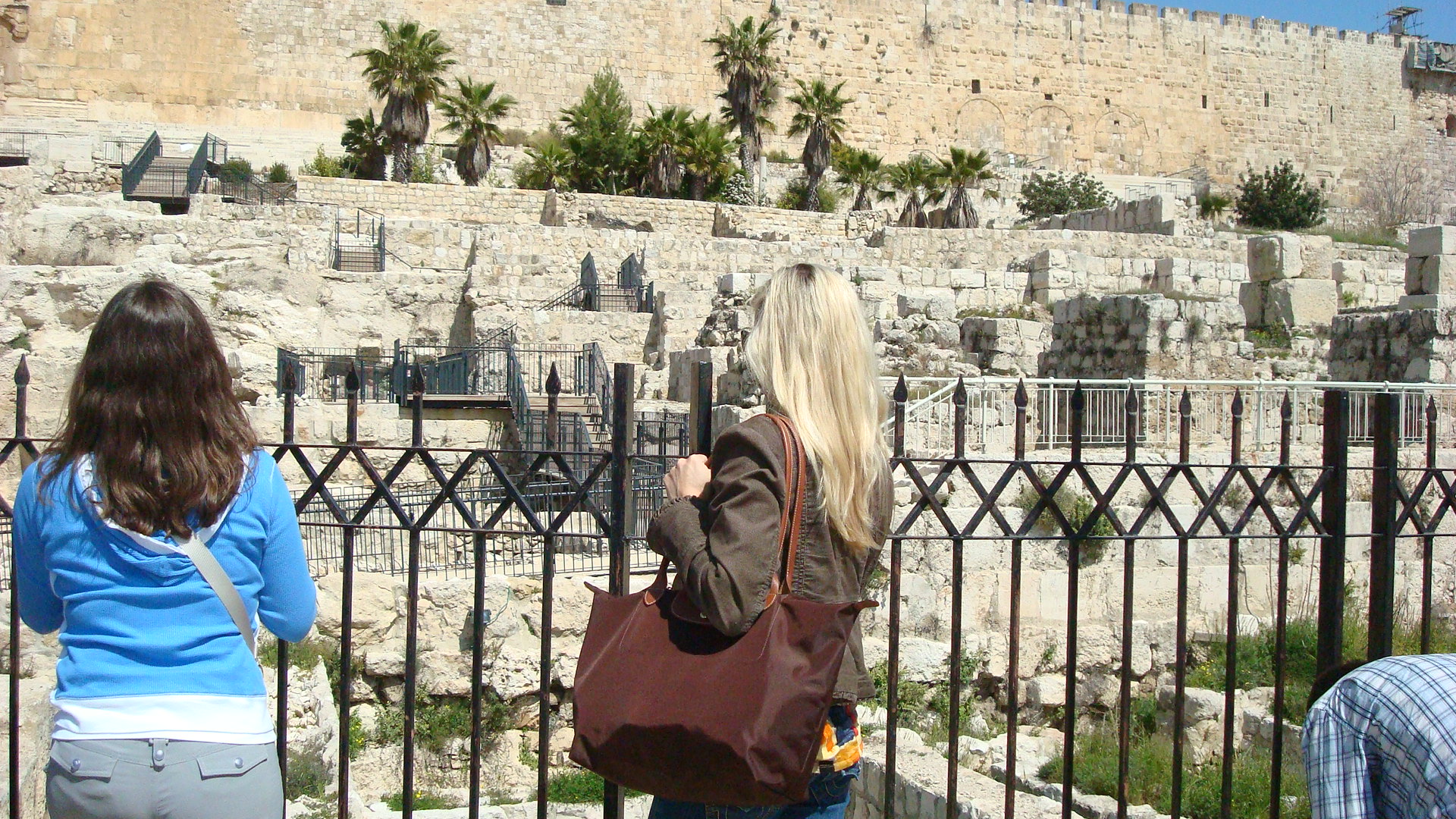
Walking toward the Temple Mount to the Wailing Wall
The Wailing Wall (men's side)

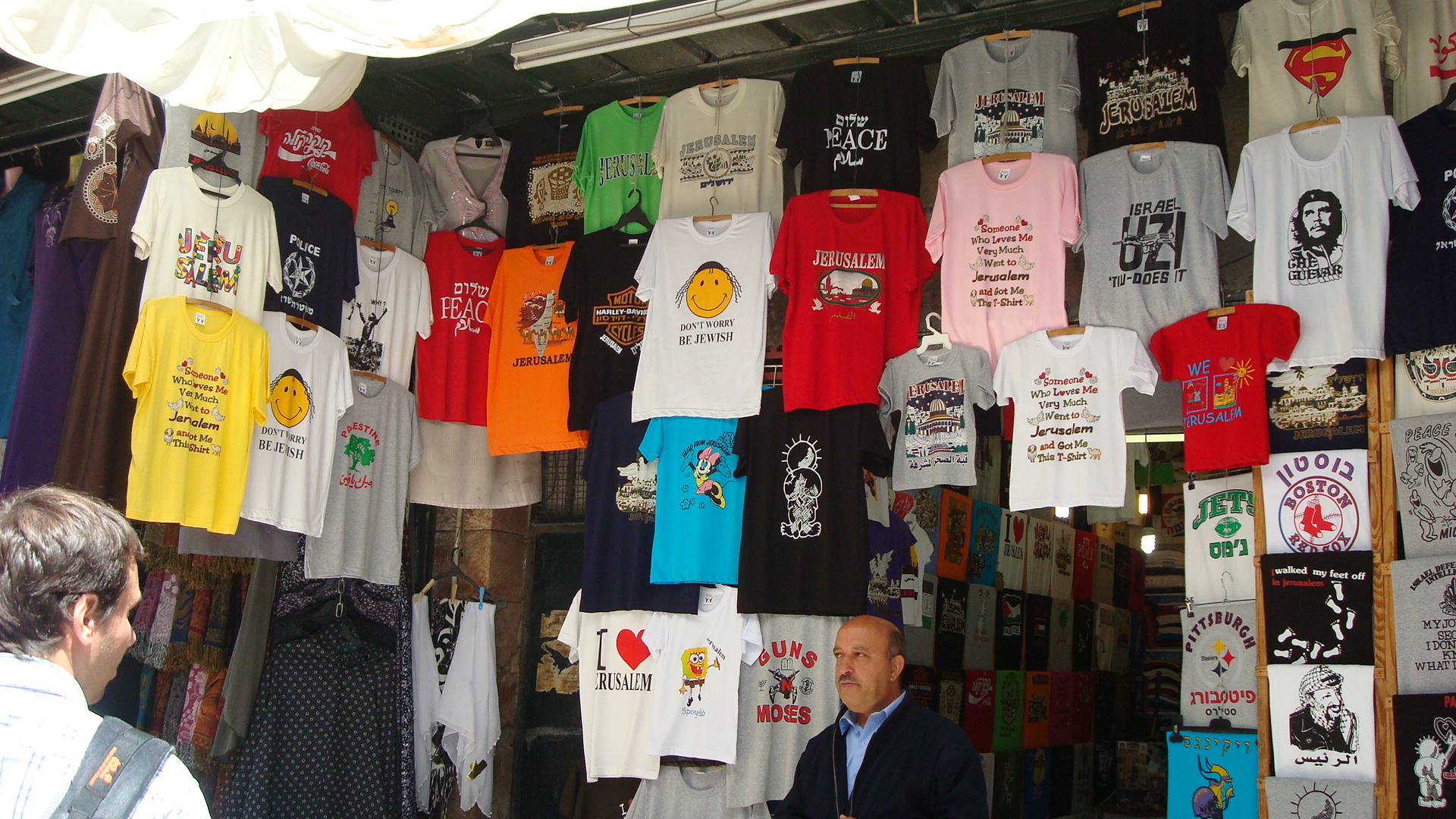
Via Dolorosa: The “Way of the Cross” is the path taken by Jesus to his crucifixion. Along this route are nine stations of the cross (the 10th-14th being inside the Church of the Holy Sepulchre); Our guide pointed out three, each with a small chapel attached. As you can see from the pictures, there are lots of great shopping opportunities for a philistine, like myself to become easily distracted. It was difficult racing after the guide when I wanted to stop and have Raj bargain for me. We were assured that there would be shopping…just not yet.

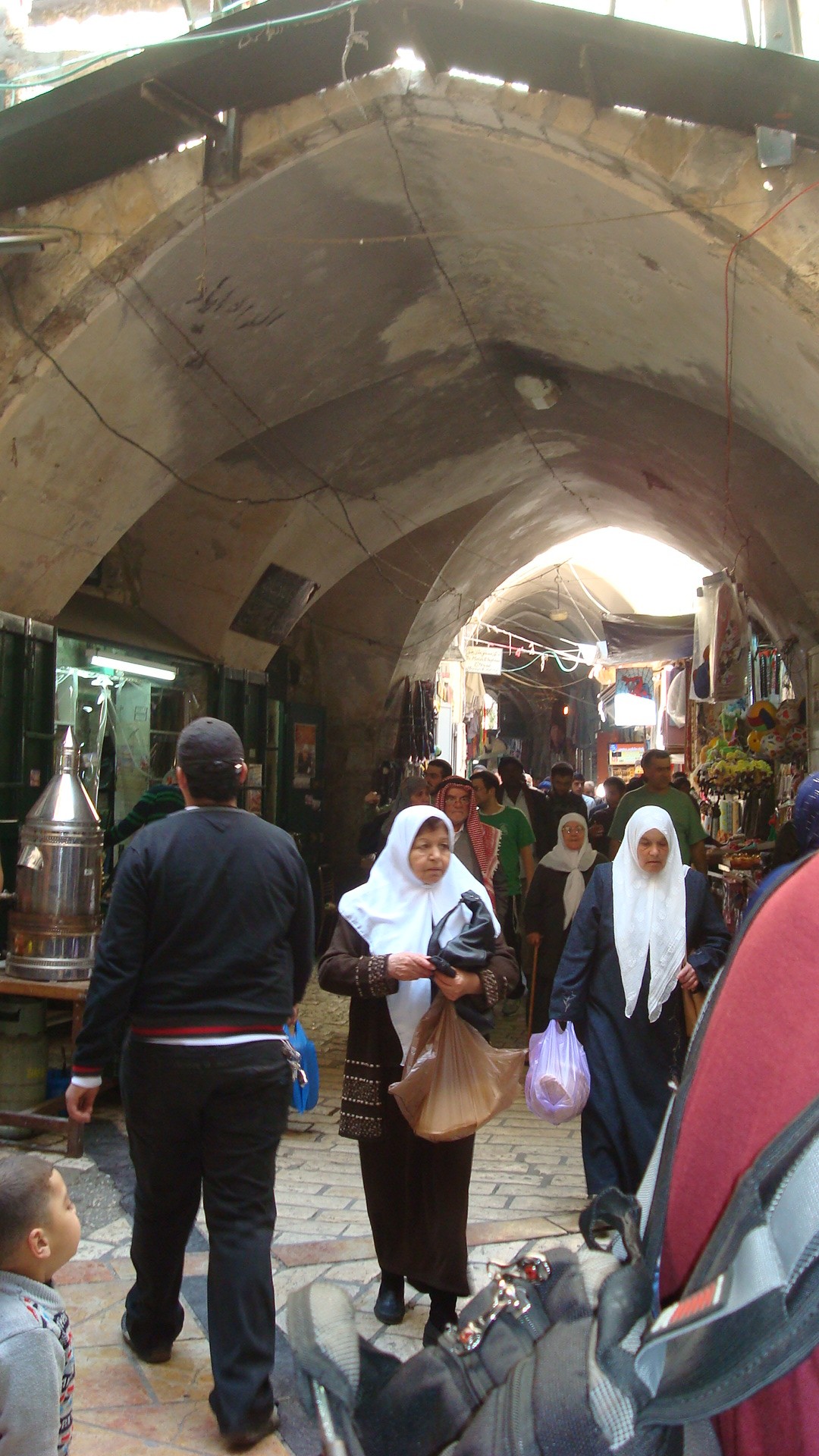
Walking along the Via Dolorosa (a modern-day shopping bazaar)
Walking upstream as people are on their way to mosque

This bazaar sells EVERYTHING!
The 5th Station of the Cross
7th Station of the Cross
Chapel inside the 7th Station

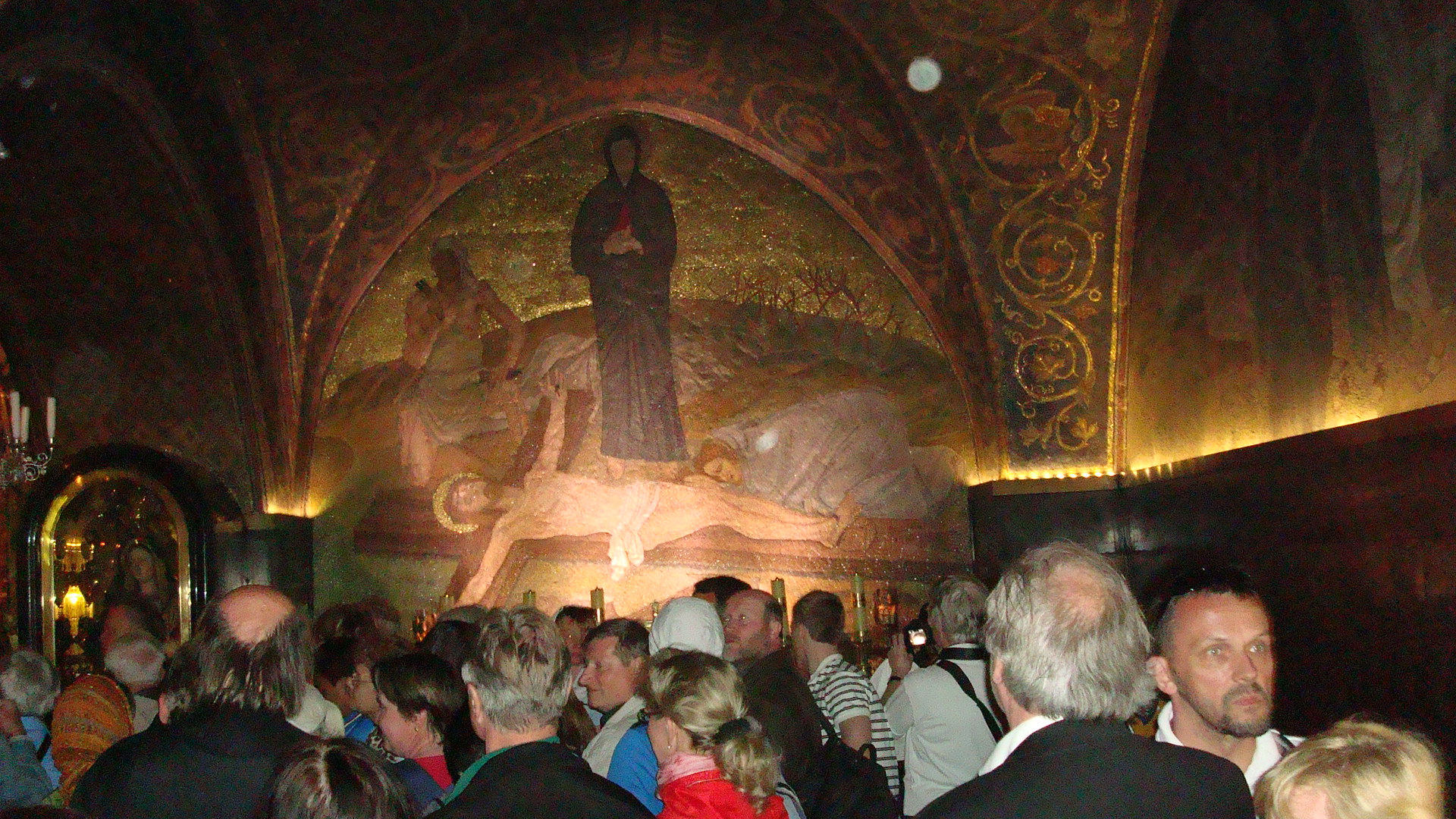
Church of the Holy Sepulchre: This is the church generally ascribed as the site of Christ’s crucifixion, burial, and resurrection. Within this church are the last five Stations of the Cross. (10th: Jesus was stripped of his clothes; 11th: He was nailed to the cross; 12th: Where he died on the cross; 13th: Where his body was removed from the cross; 14th: His tomb; The 10th-13th stations are all on the Hill of Calvary (a quick right as you enter the church and up about 20 narrow steps), the final one (down the step and into the center of the church), the tomb, is the centerpiece of the church.)
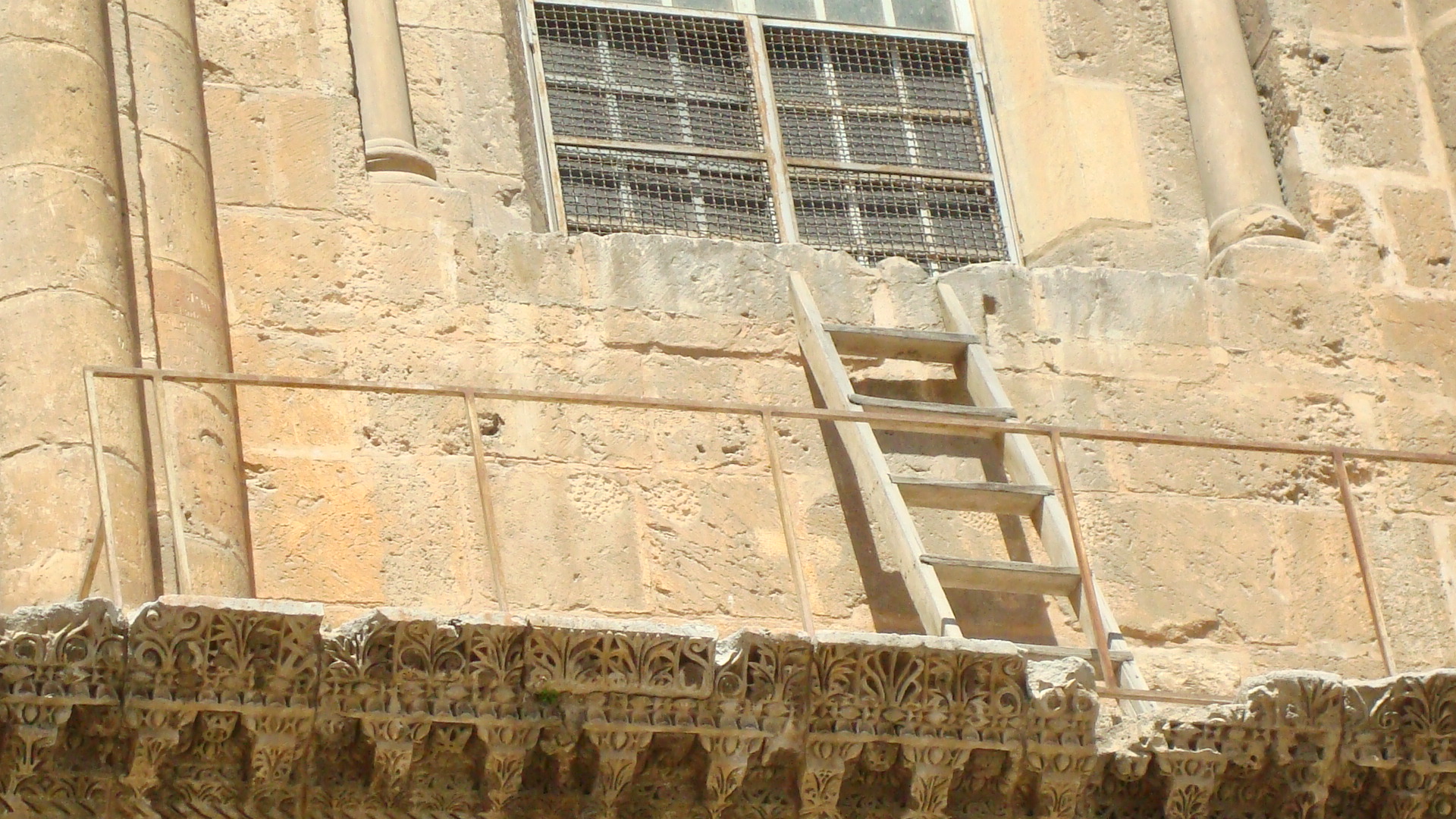
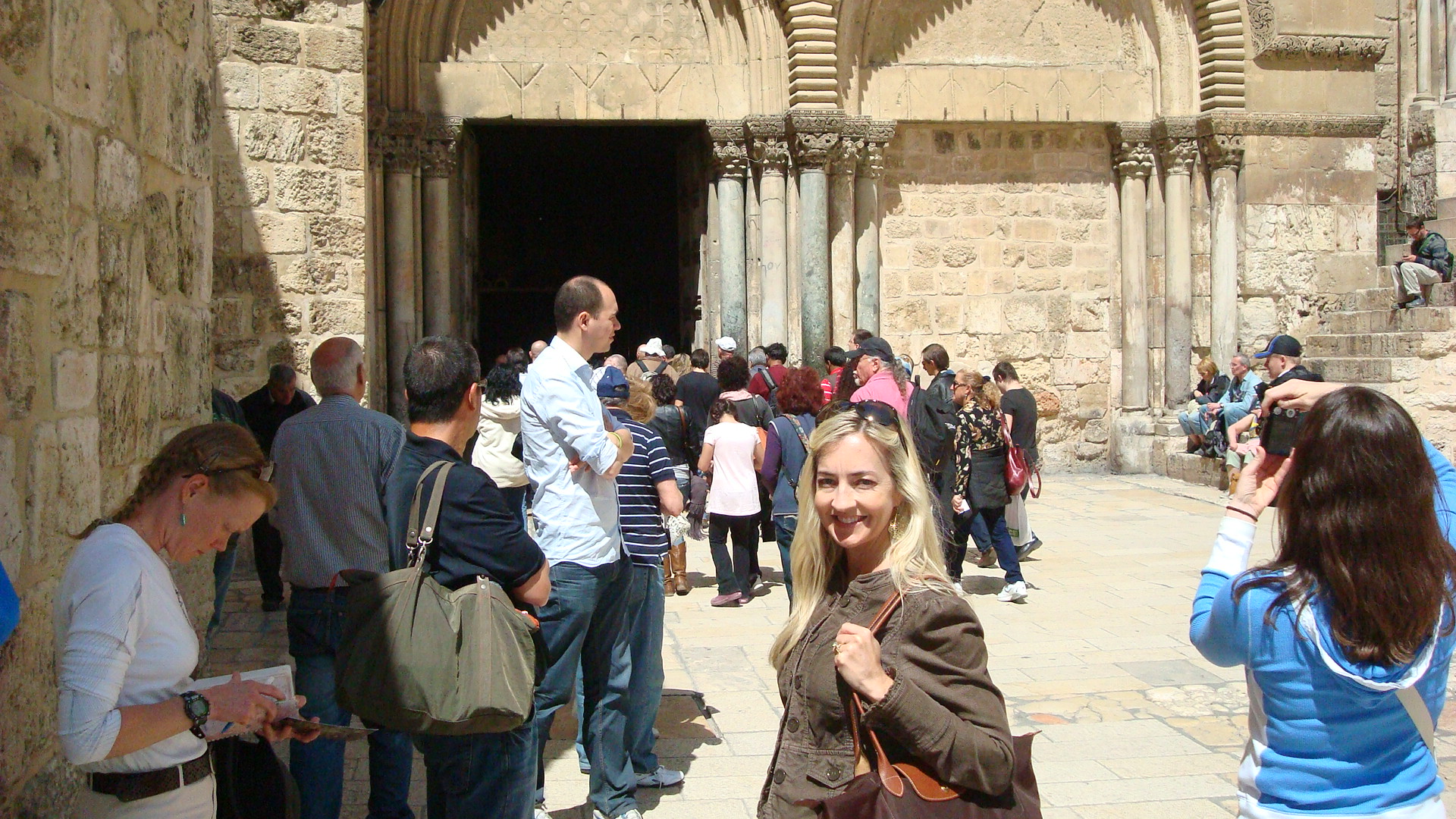
The "Immovable Ladder" above the entrance. (It's been here since before 1852 and is related to an Armenian and Greek dispute over the ownerships of the ledge and windows. It cannot be removed until the dispute is resolved, despite the fact that the ladder has since rotted and must be replaced.)
Entering the Church of the Holy Sepulchre
On the Hill of Calvary, the Altar of Crucifixion??? I'm not sure. Too many people were here to linger.
Still on the Hill of Calvary
The Stone of Anointing, where Jesus is said to have been anointed before burial
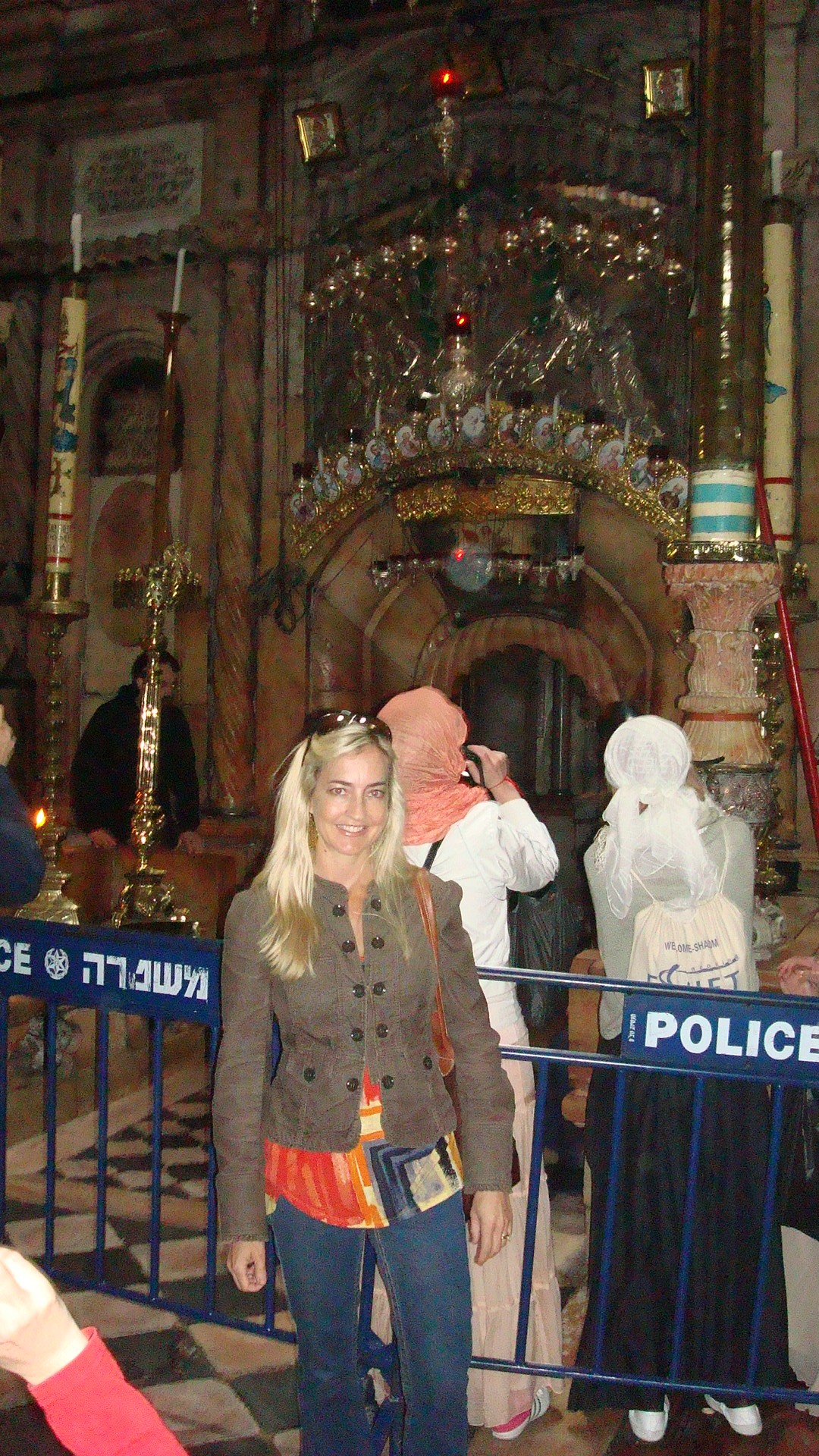
Oculus above the tomb
In front of the tomb with a HUGE line

FINALLY, a shopping break: As promised, we were escorted to our first shopping break, a shop that was certified in something–not quite sure what (everything bought came with a certificate of authenticity). Raj was in good form this day, prepared to bargain. Here are the fruits of his labor.
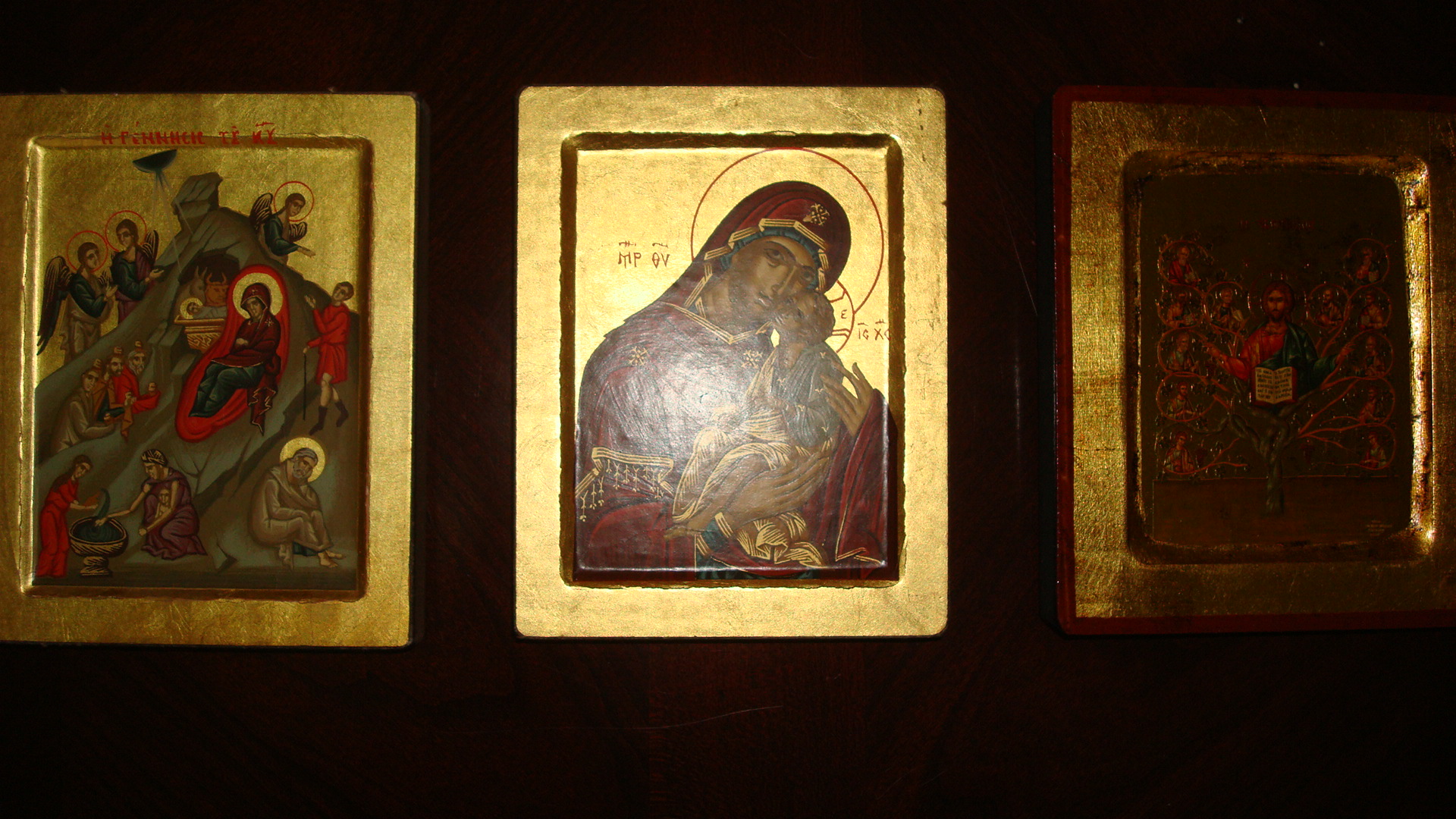
The master haggler

…and all of this was before lunch. After lunch we were headed for part two, Bethlehem and the Church of the Nativity.
“Jerusalem Prays, Tel Aviv Plays”


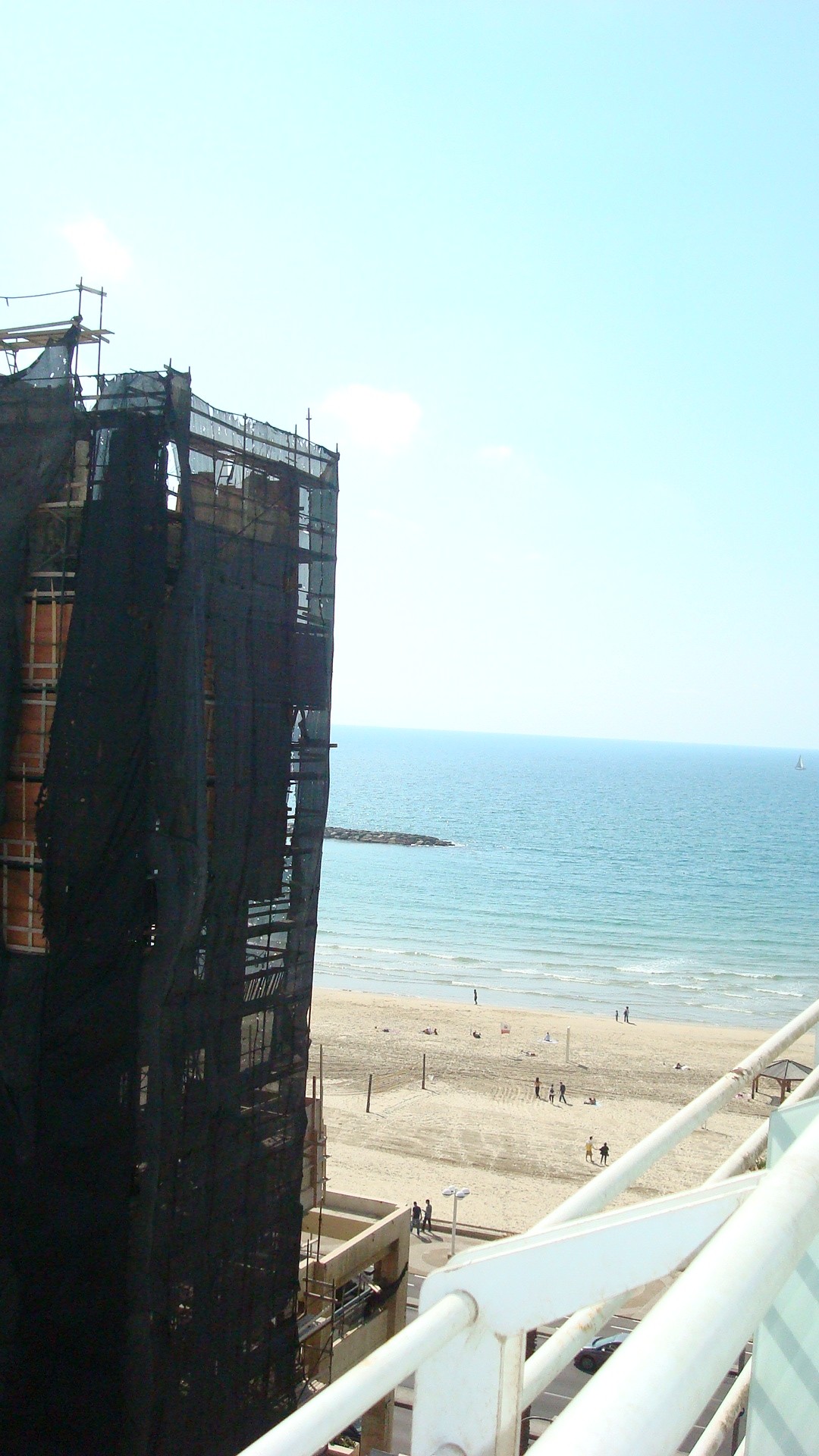
View from Savoy Hotel balcony overlooking the Mediterranean Sea
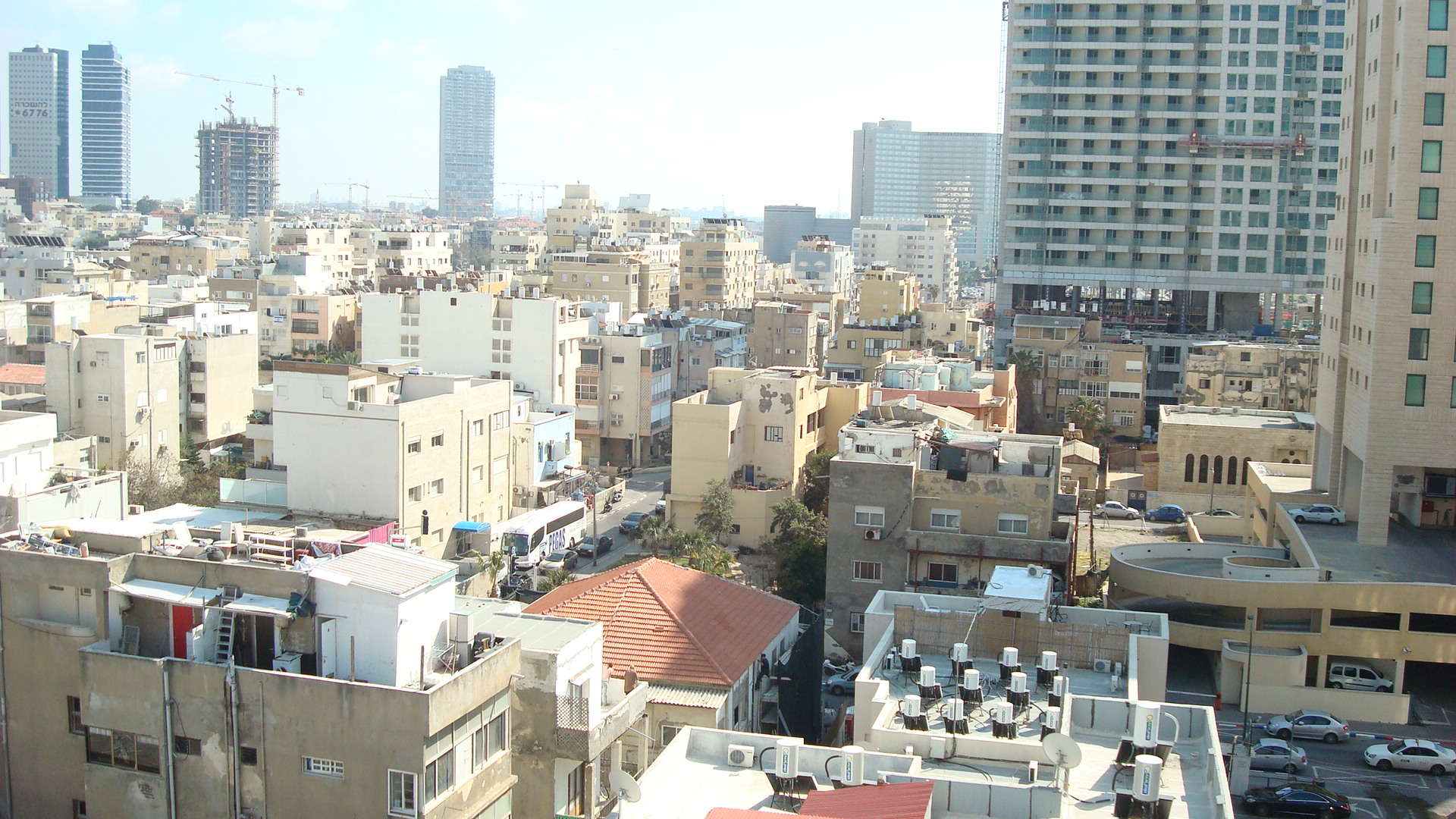
View in the opposite direction from hotel

The saying “Jerusalem prays, Tel Aviv plays” seems to be an apt description after our weekend away in Israel. We spent two nights in Tel Aviv with some friends of ours visiting from the States, enjoying beautiful weather, great accommodations and excellent food, in a relaxed beach atmosphere, in between sightseeing in Jerusalem and Bethlehem.

I love visiting open air markets which provide a glimpse and taste of the local flavor. We stumbled upon the market (Carmel Market, open sunrise to sunset) while driving en route to the hotel, serendipitously a few blocks away from our hotel. The market sells everything from clothing, knockoff designer purses, knick knacks, to fruit, vegetables, fresh fish and chickens. We picked up some Israeli wine along with chicken schwarma, olives, cheese, bread, and halva (a new obsession of mine–ground up sesame seeds and sugar, some with chocolate, or pistachios, along with countless other varieties. It’s a dessert with an interesting texture), which made for a great meal on our first night.

Walking through Carmel Market

...olives...
...cheeses...
...every imaginable gummy candy...

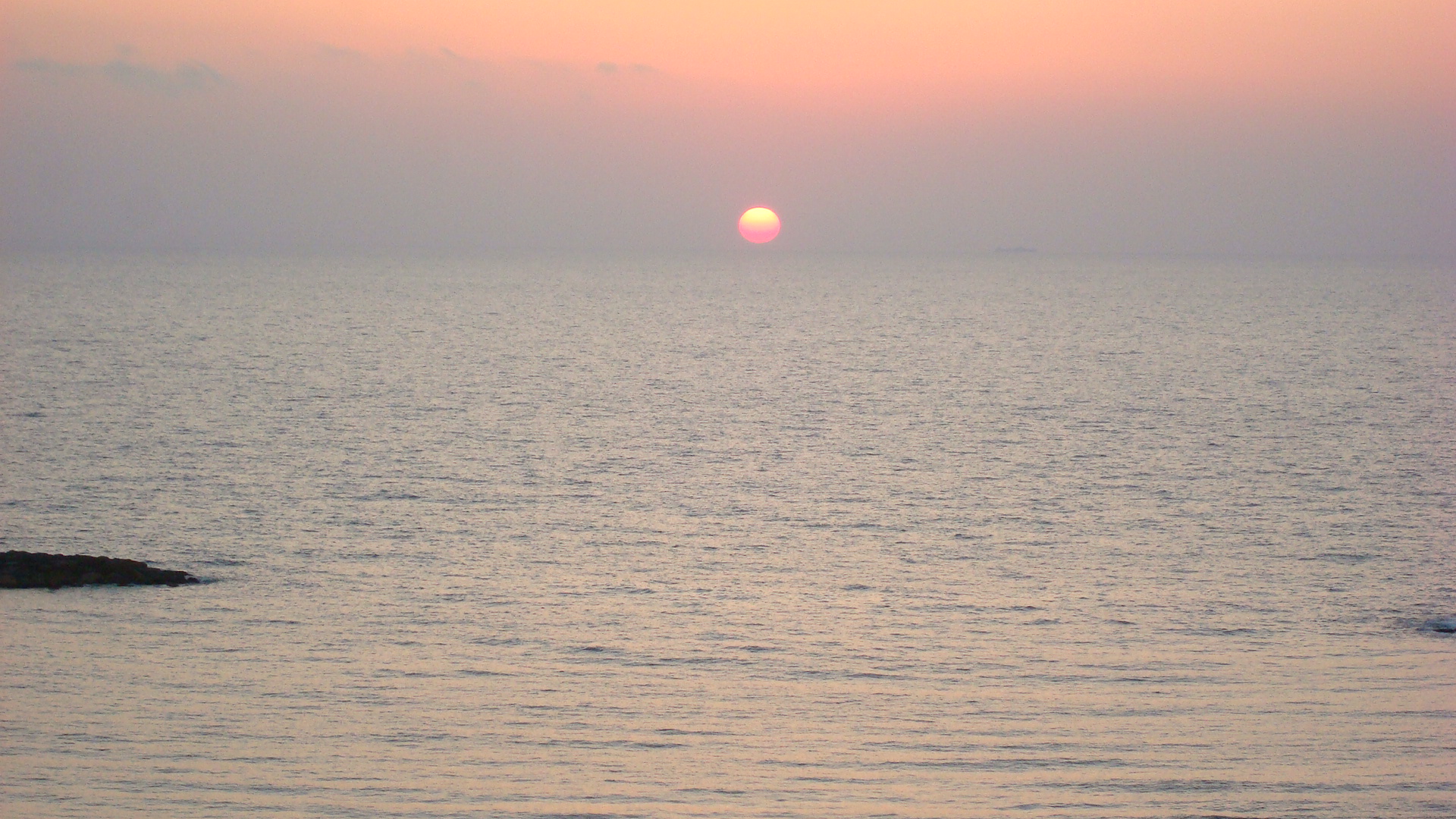
Sunset from our the suite


A View Fit for a King–Dead Sea Panoramic Center


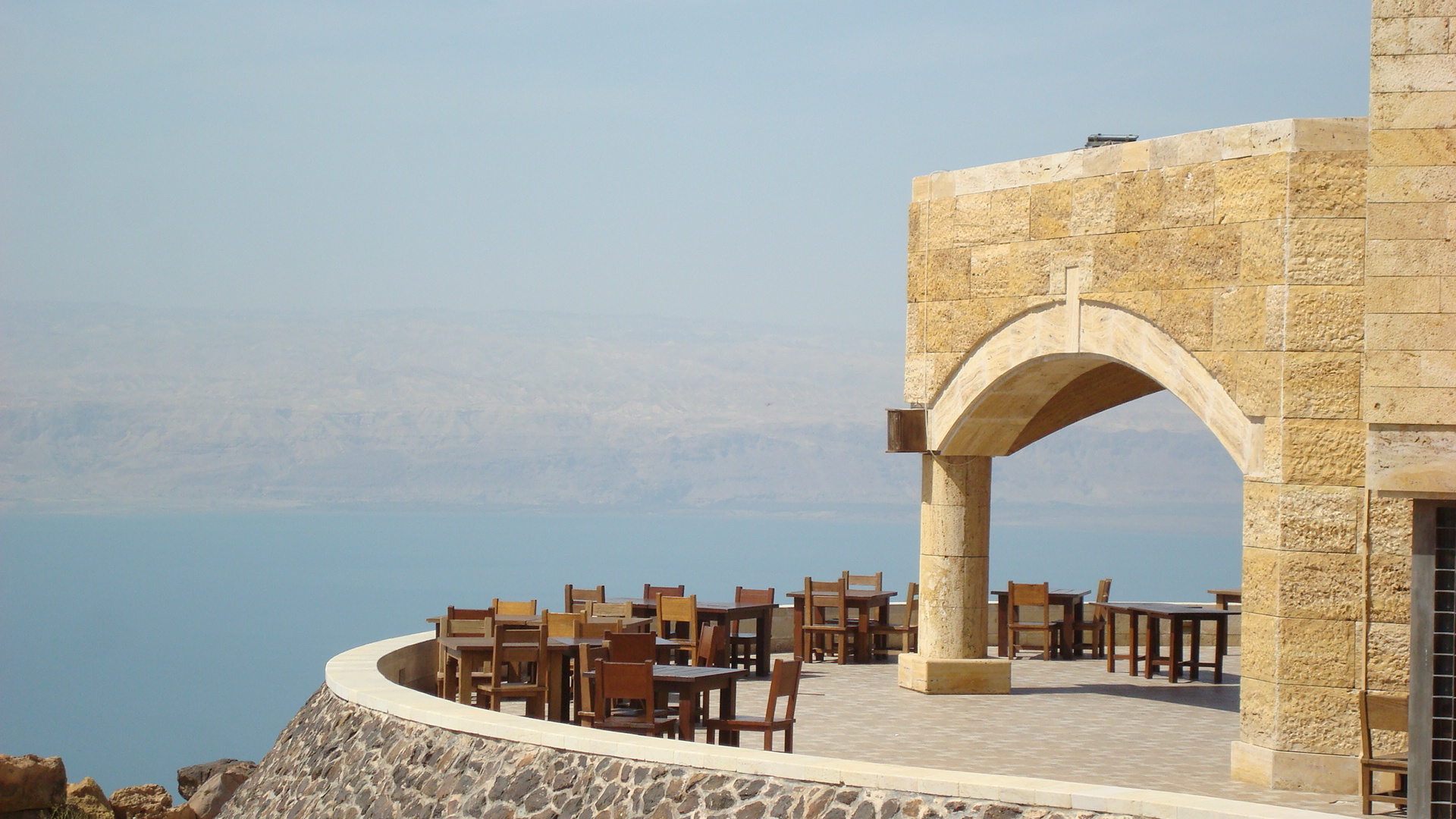
Restaurant's Terrace
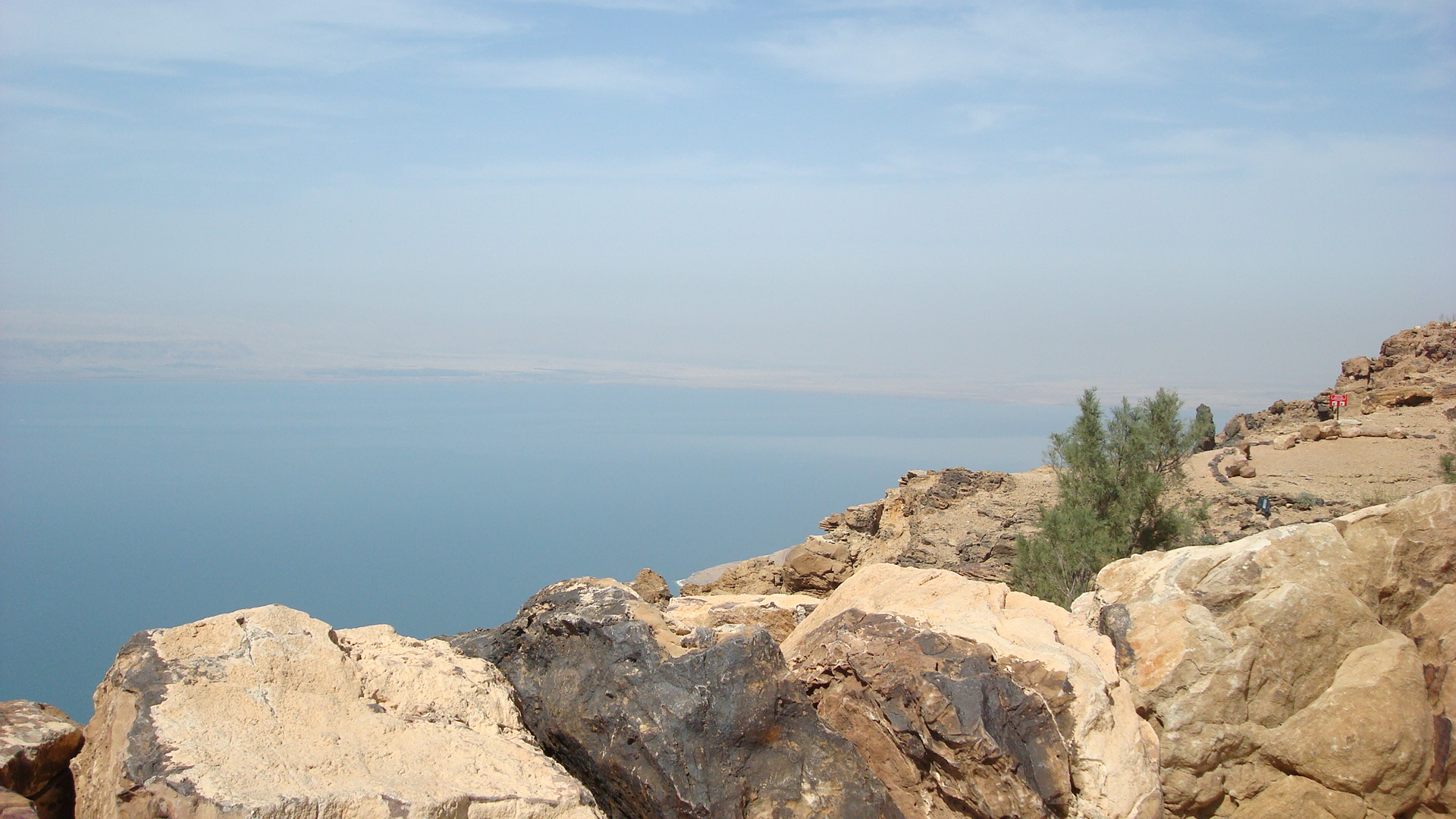
Dead Sea below
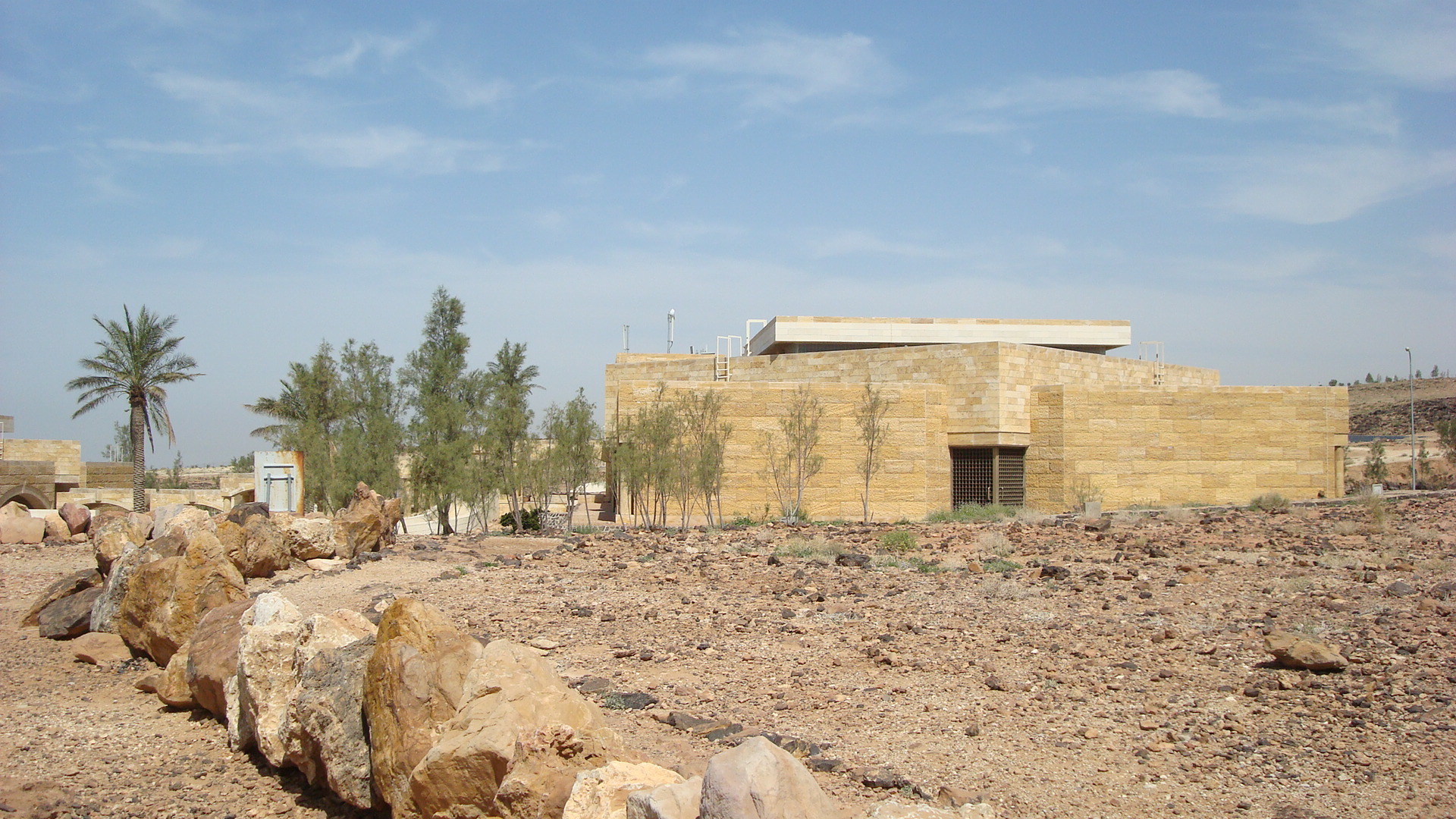
View of the Museum

Last week we had a blizzard (ALL weekend long); this week a heat wave. Last week we hibernated, ate too much and complained about our luck–the weather in DC was WAY warmer than here in the DESERT; this week we promised ourselves that we would get OUT of the house and enjoy Jordan. We hashed a plan last Saturday, in the midst of the blizzard (after checking out the upcoming forecast–it said it was going to be sunny and hot) and decided to hike the Soapmaker’s Trail in Ajloun. What I love about this trail is that at the end of it–and it’s only a two-hour hike–there’s a soap factory AND gift store (part of RSCN’s (Royal Society for the Conservation of Nature) efforts to help support the local economy). So you’re basically hiking to a store. Love it!

We packed our daypack with water and trail mix and were all set to leave until we searched for directions. Upon searching, we noticed that the trails in Ajloun DO NOT open until April 1st. We called to make sure this was right and were told ‘inshallah, we will open April 1.”

In front of the entrance to museum and stores
View of Jerusalem across the Dead Sea

Plan B. We decided to go to another RSCN location–the Dead Sea Panoramic Complex. As the RSCN website describes it:

“Perched at the edge of the Zara mountain range, between Ma’in hot springs and the Dead Sea basin, the Dead Sea Panoramic Complex offers some of the most spectacular views in the Kingdom. From the observation terrace you can absorb breathtaking vistas over the Jordan Rift Valley and Dead Sea basin and you can dine in style watching sunrise or sunset over the mountains of the Holy Land. There is also a large and fascinating museum devoted to the natural and cultural history of the Dead Sea, a Nature Shop and a range of other attractions and activities suitable for both adults and children.”

The place is stunning–both architecturally and view-wise. It would be a perfect venue for a wedding with the views and the restaurant…but I don’t know anyone getting married, so nevermind. Best of all–there was hardly ANYONE else there, so we had the restaurant almost exclusively to ourselves.

The restaurant, “Arabic style with a hint of Lebanese” is operated by Evason Ma’in Hot Springs (a neighboring hotel/resort that we haven’t stayed at…yet). The food was amazing! Generally I stick to my favorites, shish tawouk or mixed grill, but feeling a bit crazy (perhaps from all of the glorious sunshine), I ordered something new–musakhkhan (chicken seasoned with sumac, an abundant amount of onions and served on top of pita that soaks up all of the chicken juices and oniony flavors). It was served on a hot griddle placed on a wood serving piece (similar to Mexican fajitas). [I wasn’t sure what sumac was, so I looked it up–it’s a spice made from the ground dried berries of a bush that grows wild throughout the Middle East. Sumac has a sour and vaguely lemony taste.] We also ordered a cold mezza–hummos Beiruty–chickpeas, tahini, hot paprika, parsley, and fava beans.

Musakhkhar and Hummos Beiruty

The Panoramic center has a lovely museum and TWO stores: one is a Rivage, Dead Sea product store–you can buy these product anywhere, AND the RSCN store. I love RSCN products–the teas, soaps, jewelry…too many choices so I got overwhelmed and bought nothing. I’m saving my money for the day when we hike the Soap Maker’s Trail and end at the soap factory that sells the soaps that are sold at stores like the Panoramic Center.

This slideshow requires JavaScript.

Exploring the Other Side of the Dead Sea–Masada


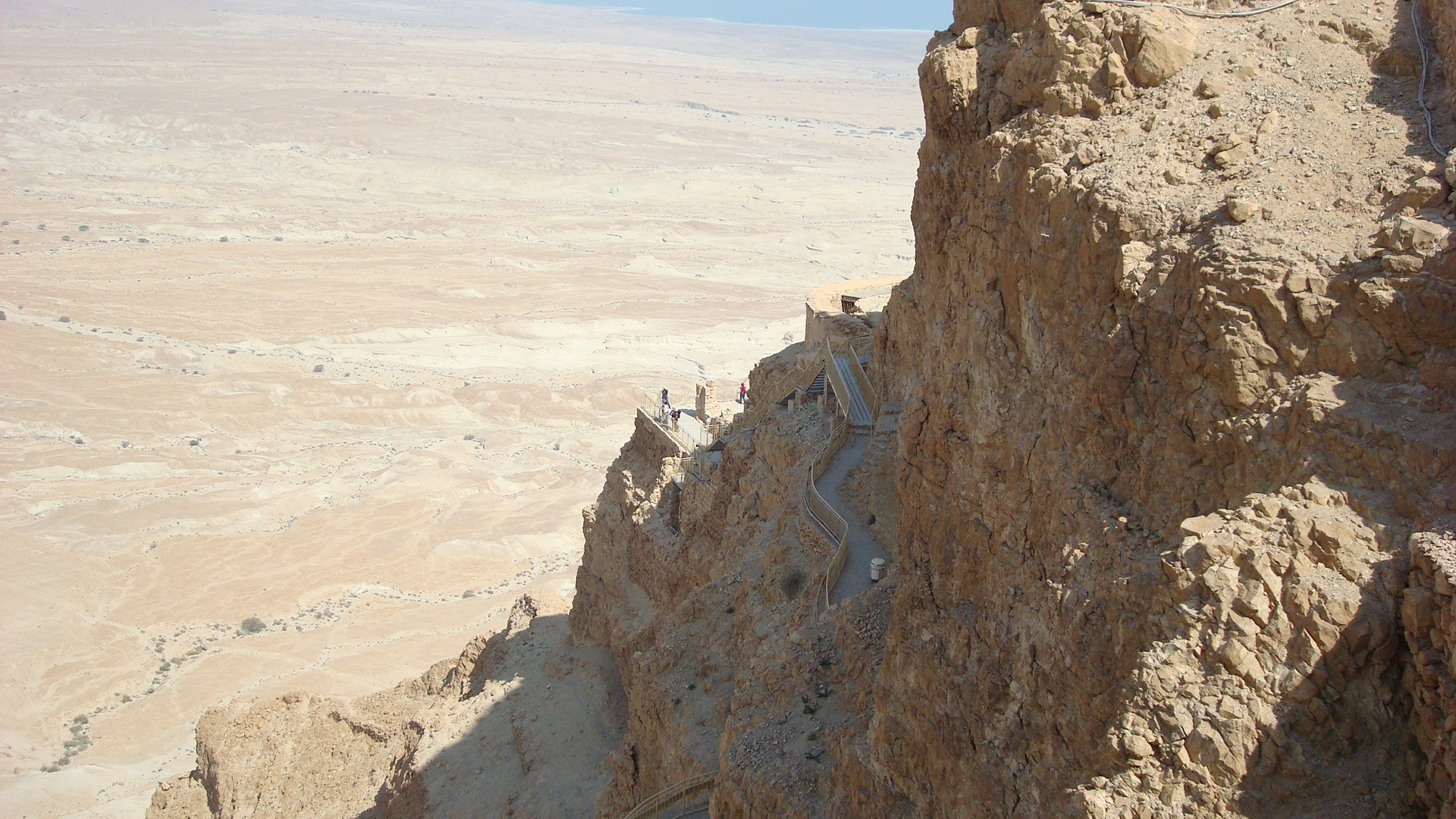
Masada is the single-most visited archaeological site in Israel. It’s a massive fortress built on top of a rugged rocky crag towering over the Dead Sea. Jonathan the Maccabee first built a fortress here in 150 BC and it was later enlarged by Herod the Great. Masada is best known for its role in the Jewish War (66-70 AD) when it was an outpost of Jewish resistance against the Romans.

Beginning the Ascent

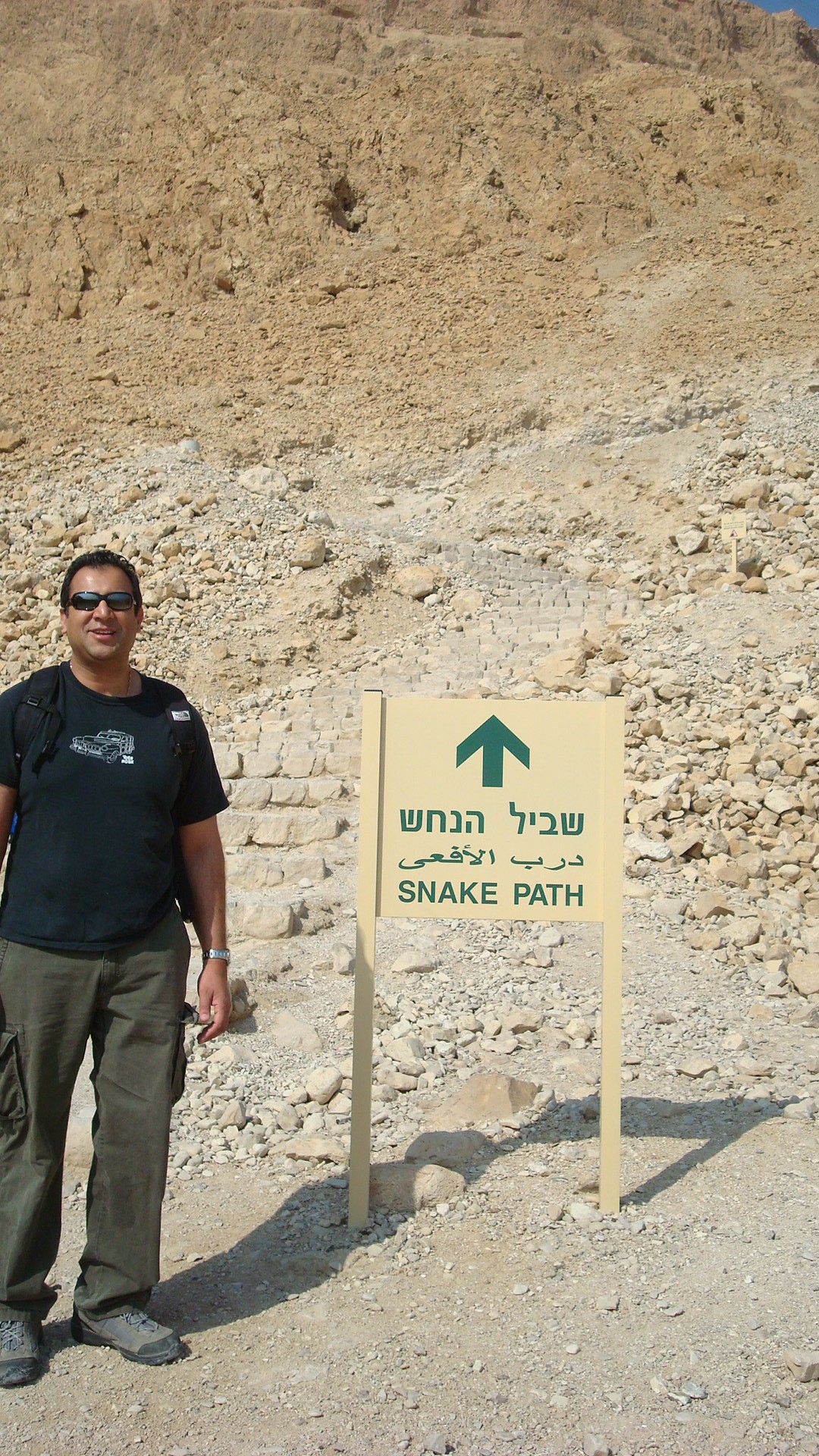
Most visitors here make the pilgrimage to watch the sunrise. We couldn’t book a hotel near enough to make this possible, so we summited in the mid-morning sun, which was fine because it was a great day for it–not too hot. (There’s only one hotel/hostel inside the National Park. If you can’t book a room here, the closest option is about thirty minutes away. Warning: stay away from the Oasis Hotel!). There are three routes to the top of Masada: a cable car (similar to Palm Sprigs’ tram), the Snake Path and the Roman Path. We wanted to hike/walk and took the Snake Path, which was a relatively easy hike that switch-backs up the mountainside along a well maintained trail. It took us a leisurely hour with plenty of water and photo breaks to make it to the top (although I imagine that if you’re hiking in the summer, it has to be much more difficult).

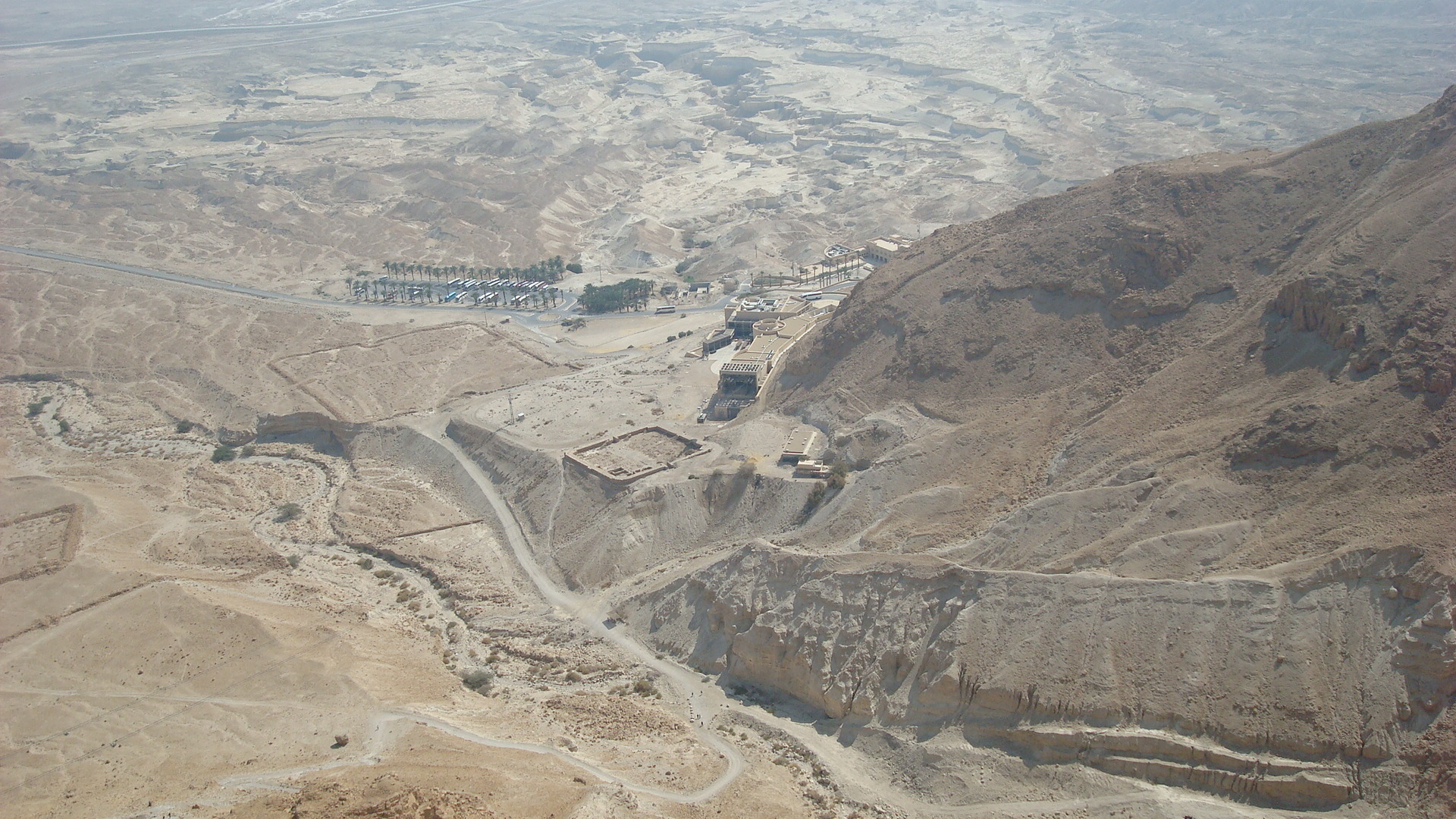
Once you arrive to the top, you are immediately rewarded with stunning 360 degree views of the Dead Sea, the surrounding valley and the remains of the fortress and Herod’s fabulous palace clinging to the edge of the cliff.

The lower terrace of Herod's Northern Palace
In the lower terrace of the Northern Palace

Once you descend, the visitor center is a great place to grab lunch (with an accompanying glass of wine) and to shop–they have a great selection of Dead Sea products and foodstuffs, i.e. honey, wine, spices, teas…(Sorry Nicole, I didn’t buy you anything, nor did I buy myself anything. I was too tired from the hike to shop).

This slideshow requires JavaScript.

Umm Qais You Didn’t Know…


Terrace with Golan Heights and Sea of Galilee in Background

Umm Qais (aka Gadara (its Greek name)) is about a two-hour ride north of Amman (aka Philadelphia), unless you follow your GPS, in which case it will take you about 3 and half hours of frustrating, high blood pressure inducing, honk-your-horn-a-lot driving that takes you through small villages made up of dirt roads, numerous driving hazards and not one public toilet. It’s a good thing we had friends visiting from the States or else we may have turned around and opted to stay at home.


Basalt Columns in the Remains of Byzantine Church (5th or 6th Century)

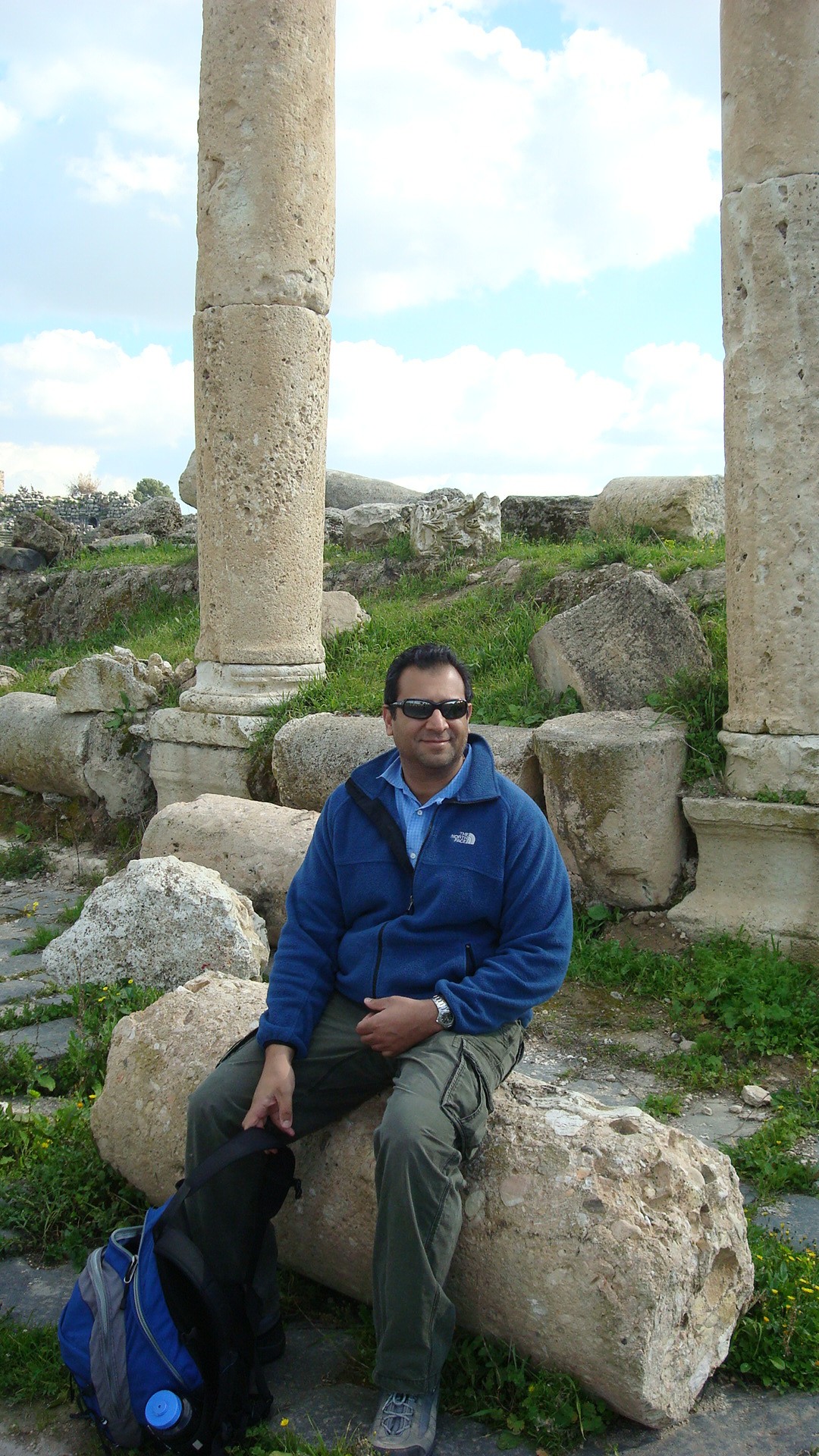
Umm Qais (Gadara) is perched atop hilly farmland (olive and fig trees) overlooking the Sea of Galilee, Syria and the Golan Heights. The expansive 180 degree views are breathtaking and compete with the beauty of the time-worn ruins.

Such a Patient Driver!

In addition to the historical significance of the ruins, Gadara also has biblical significance– it’s said to be the site where Jesus performed the miracle of the Gadarene swine (Matthew 8:28-32).

Gadara was founded in 323 BC. During Gadara’s golden age (second-century AD), it was considered a city of great cultural vitality, a center of philosophy, poetry and the performing arts. By 325 AD, Muslims ruled the city, followed by a series of earthquakes that destroyed much of the city’s infrastructure. In the 1890s, a small village grew up amongst the Roman ruins until 1986 when its inhabitants were paid to leave the site to enable archaeological excavation.

Check out the VIP seats behind Raj (they have seat backs).

After scrambling around the ruins for an hour, we worked up an appetite and ate lunch at the Resthouse–a restaurant on the grounds offering great views, good food and exceptionally clean (attendant free with TP) restrooms.

Resthouse Restaurant in the Background

We drove home without the assistance of our GPS and arrived home in just over two hours.

In the West Theater

This slideshow requires JavaScript.


The Pirates (and Dolls) of Petra


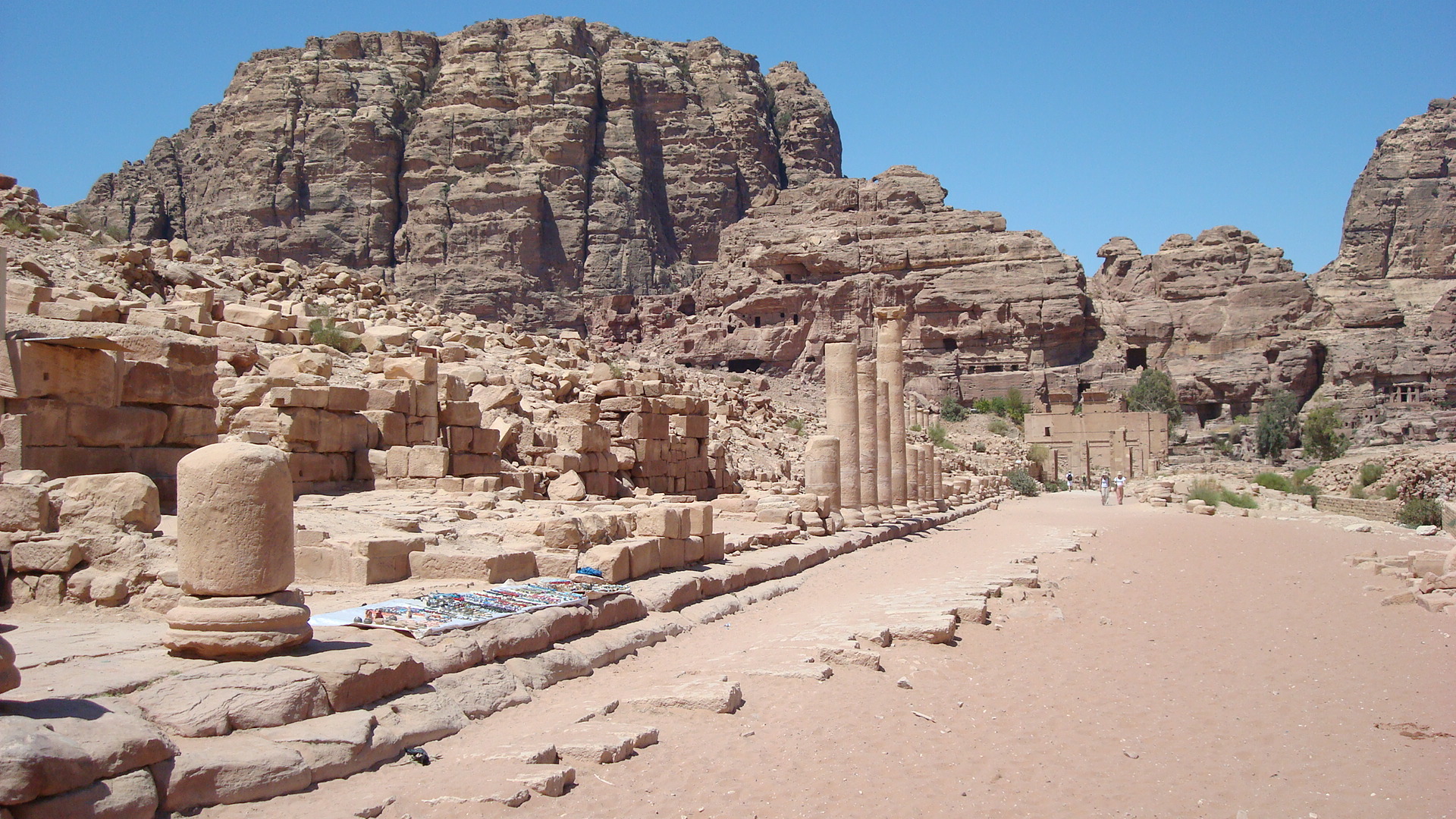
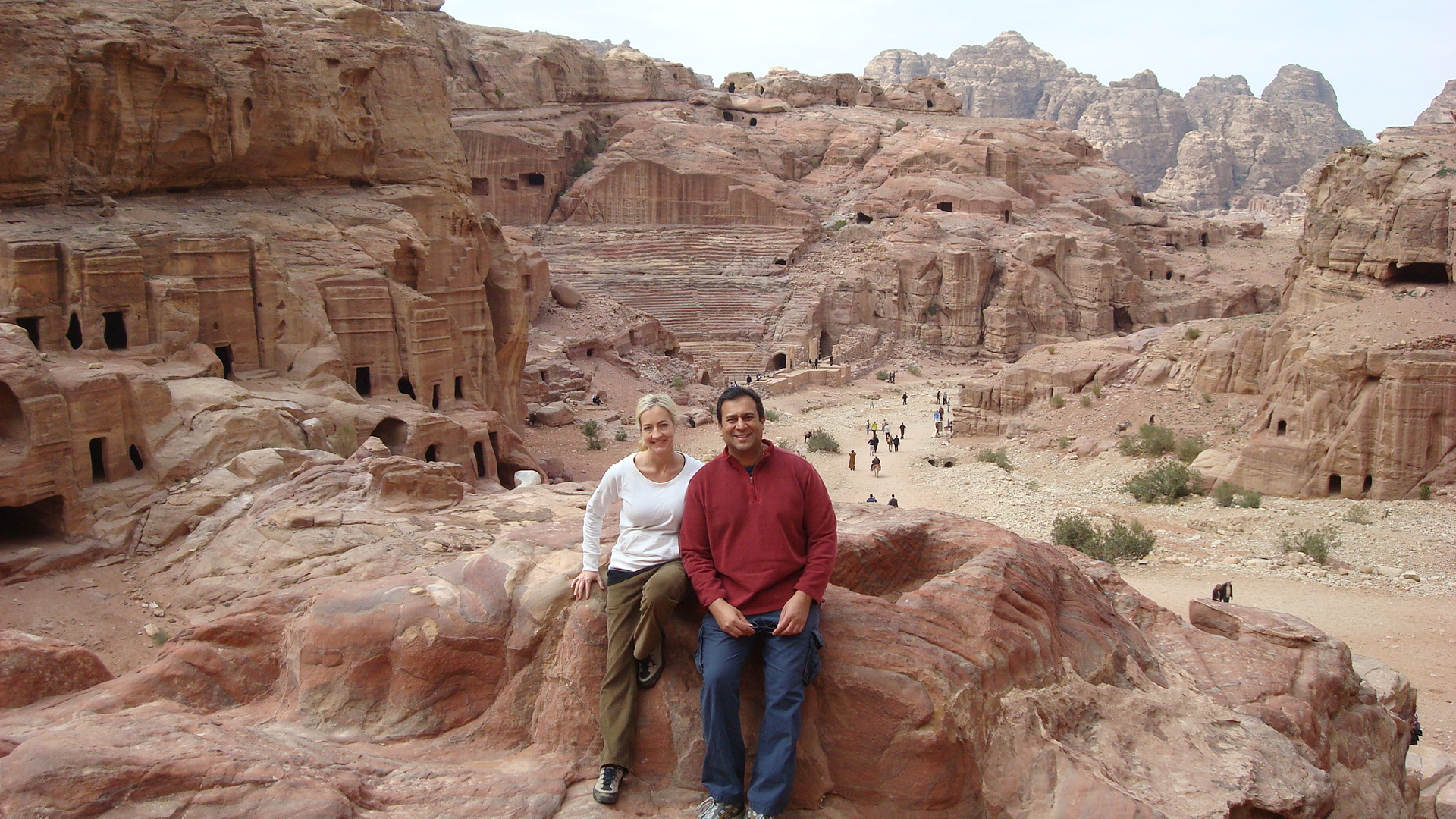
I’ll never tire of visiting Petra. It’s such an amazing place chock full of history, scenery, handicrafts, and Johnny Depp look-a-like pirates. I wish I could post pictures to back up the pirate claim, but you’ll just have to take my word for it. Petra’s swash-buckling pirates wield neither swords nor ill will, but they swagger about in skinny jeans, line their eyes in black kohl, and sport dreadlocks and Lawrence of Arabia style head scarves, all adding to the allure these rakish young men. They proffer rides on horses, camels, and donkeys to tourists with sales pitches that include, “Your wife will love you more” or “Free air conditioning.” Raj never seems too interested in getting me to love him any more than I already do and on this day it was just too cold to justify air conditioning. We walked.

One of the many 'shops' in Petra

Since I’ve already posted not one, but TWO detailed accounts of Petra, I’ll spare you the details and cut to the chase. This post is not about the beauty of Petra or the pirates that inhabit it; it’s about the purchases. Similar to a swap meet, once you make it to the second row of vendors, you’ve pretty much seen everything for sale. Petra is no different. You’ll find knives, jewelry (from silver to camel bone to plastic), ‘antiques,’ (reproduction Roman coins, etc) and more. It’s ALL the same. However, this time I saw something truly unique, handmade AND adorable–a first in Petra. The object of my affection was a handmade doll made by an older Bedouin woman selling her wares on the side of the road laid out on a cloth. She had the usual plastic necklaces along with four of the cutest, handmade dolls dressed in velvet and silk and with faces that had been drawn on by hand. I thought of my sister immediately and knew I had to buy one for her. (Notice that my first inclination was to be generous towards Nicole, my sister). I asked Raj to intervene (bargain) on my behalf (keep in mind that he’s still reeling about getting ripped off in Egypt over saffron). The woman told him the doll cost $5 JDs. I thought, “What a bargain! I’ll take ALL four of them!” Raj thought, “Too much.” He got her down to $2 JDs for one–all the change we had left (other than a ten dinar bill) and felt vindicated. I felt sad.

We walked away triumphantly until my selfish side got the better of me. While we walked, I admired the workmanship of the doll and decided I’d keep it. I couldn’t part with it and it was much too cute to give away. I mentioned this to Raj and he said, “That’s bad karma!” Whatever. Luckily for me (karmically speaking and for my sister) on the walk back, the three remaining dolls remained untouched. (Am I the only tourist to admire a real, hand-made handicraft? Apparently.) I picked up the doll and Raj handed the woman our ten dinar bill and asked for change ($8 in change for the $2 doll). Obviously she didn’t have change. No big deal I thought, “We’ll just buy the remaining three for $10 and walk away.” Nope! Raj wanted change and we only needed ONE doll. She left her make-shift shop and took off down the path for change. While we were waiting, Raj joked, “I bet she comes back with two fives.” That’s exactly what she did! She gave him the two fives. He handed her back one of the fives and asked for change again. Who cares, “She can keep the change,” I said. Nope. Raj wanted his three dinars back. She pulled out an old and worn chip bag (the kind you eat) that held her change and handed him his $3. I felt sad and cheap, but what could I do? I was happy that I had TWO dolls–one to keep and one to give to Nicole. Raj felt no such guilt, just pride in his bargaining skills.

Which is the cuter of the two? That's the one I'll keep!
A 'shop' similar to the one where I bought the dolls.
Jen and the Bargain Hunter


The Jewel of Jordan–Aqaba


Sunset from hotel room

I love Aqaba! If I had it my way, we’d be living happily ever after (at least until we leave and return to DC) in Aqaba. Aqaba is about a three-hour drive south of Amman, but it feels like a world of difference. Perhaps the Red Sea is what makes it so spectacular, or maybe the ocean relieves the monotony of the vistas, unlike in Amman where I experience sensory deprivation from the lack of color in this monochromatic landscape.

The Kempinski

We were in Aqaba for just two nights. We didn’t really even do much other than eat, work out, and lay out. It wasn’t very warm, only about 65 degrees (F), but with the sun and the view, it felt heavenly as a relief from the crummy and cold weather in Amman. I cannot wait to return in just a few weeks for another two nights!

Drinking Tea on the Veranda

This slideshow requires JavaScript.


Egyptian Vacation, Part III (the final part, I promise!)


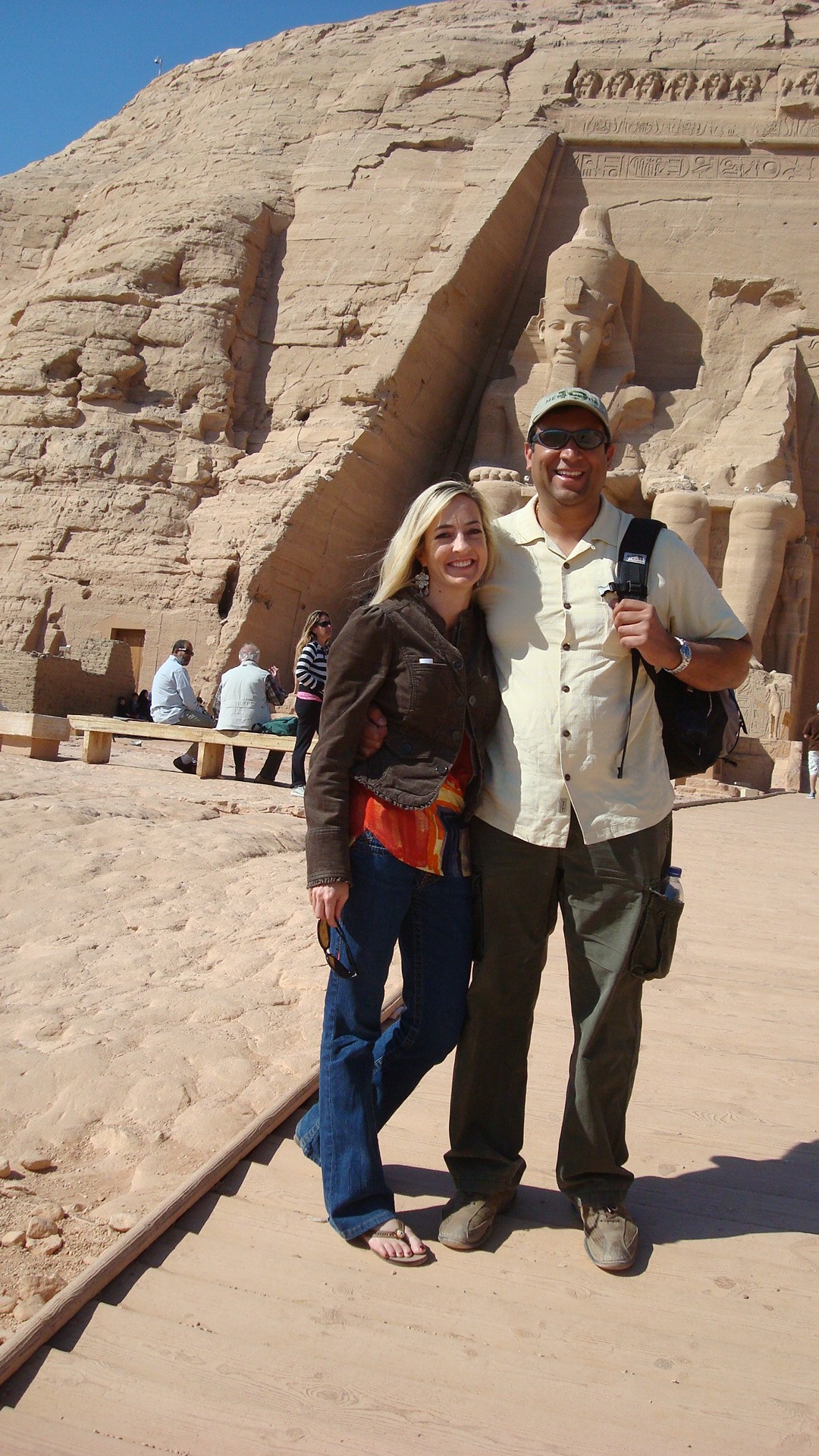
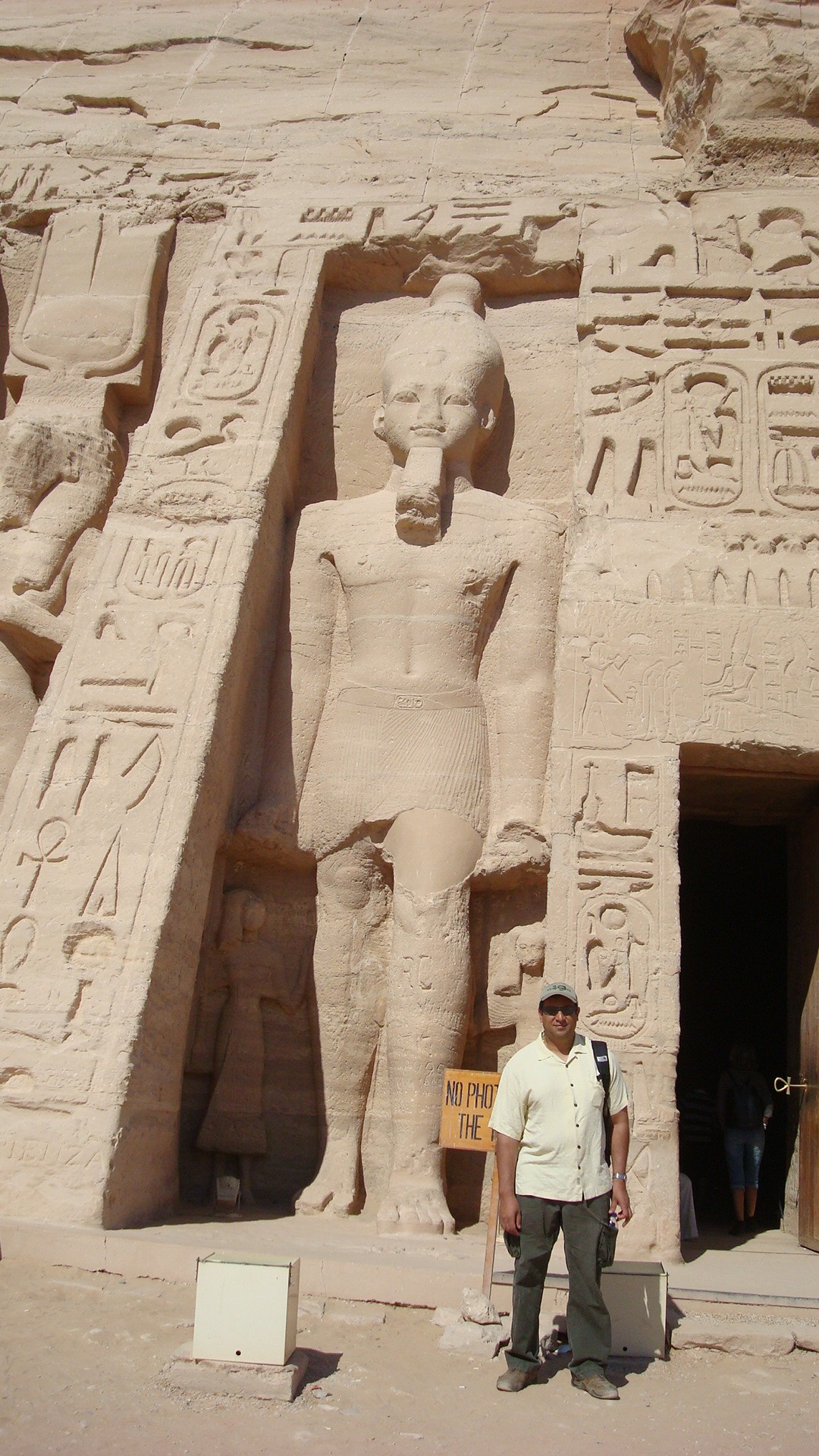
After four nights on the Nile cruise, we awoke early and boarded a short flight from Aswan to Abu Simbel for a quick tour of the two temples on site before boarding another flight back to Cairo.

Abu Simbel


Abu Simbel: Built by Ramses II, Egypt’s longest ruling pharaoh, it’s one of the most recognizable images in the country. It’s actually two temples: the Great Temple of Ra-Harakhte, fronted by four colossal statues of Ramses II and the temple of Hathos, dedicated to Ramses’ favorite wife Queen Nefertari. They were both moved to their current location when the creation of Lake Nasser threatened their existence.

Islamic Tour, Sultan Hassan Mosque
In the Center of the Open Courtyard

With two more days in Cairo before our departure back to Jordan, our last outing was an Islamic walking tour which included Sultan Hassan’s Mosque and a walk down the main street of the walled city of Cairo, one fortified gate to another, followed by last-minute shopping in the souk.

Sultan Hassan Mosque: The Mosque of Sultan Hassan, completed in 1363, is one of the finest in Egypt. In recesses around its open courtyard, each of the four school of Sunni Islam was taught to students, and in its mausoleum, Sultan Hassan’s sons are buried.

On the drive back to the hotel after a great day of walking and shopping, Raj eyed a shwarma stand on the side of the road and asked our driver to stop to get us some. I’ll admit, I was hungry, but I knew better! Despite my trepidation with ‘street food,’ I ignored my inner voice and fell prey to Raj’s urgings to ‘live a little.’ Of course I got sick the next day (our travel day) at both the airport and on our flight home…while Raj was just fine…I suppose I have to forgive though with ALL of the bargaining he did for me throughout our shopping excursions.

Shwarma--The 'Street' Food Raj MADE Me Eat

Egyptian Vacation, Part II, Nile Cruise


Deck of Abercrombie & Kent's, Sun Boat IV

On the morning of our fourth day of our trip, we boarded an early flight from Cairo to Luxor to embark on our four-day Nile Cruise from Luxor to Aswan.

DAY 1

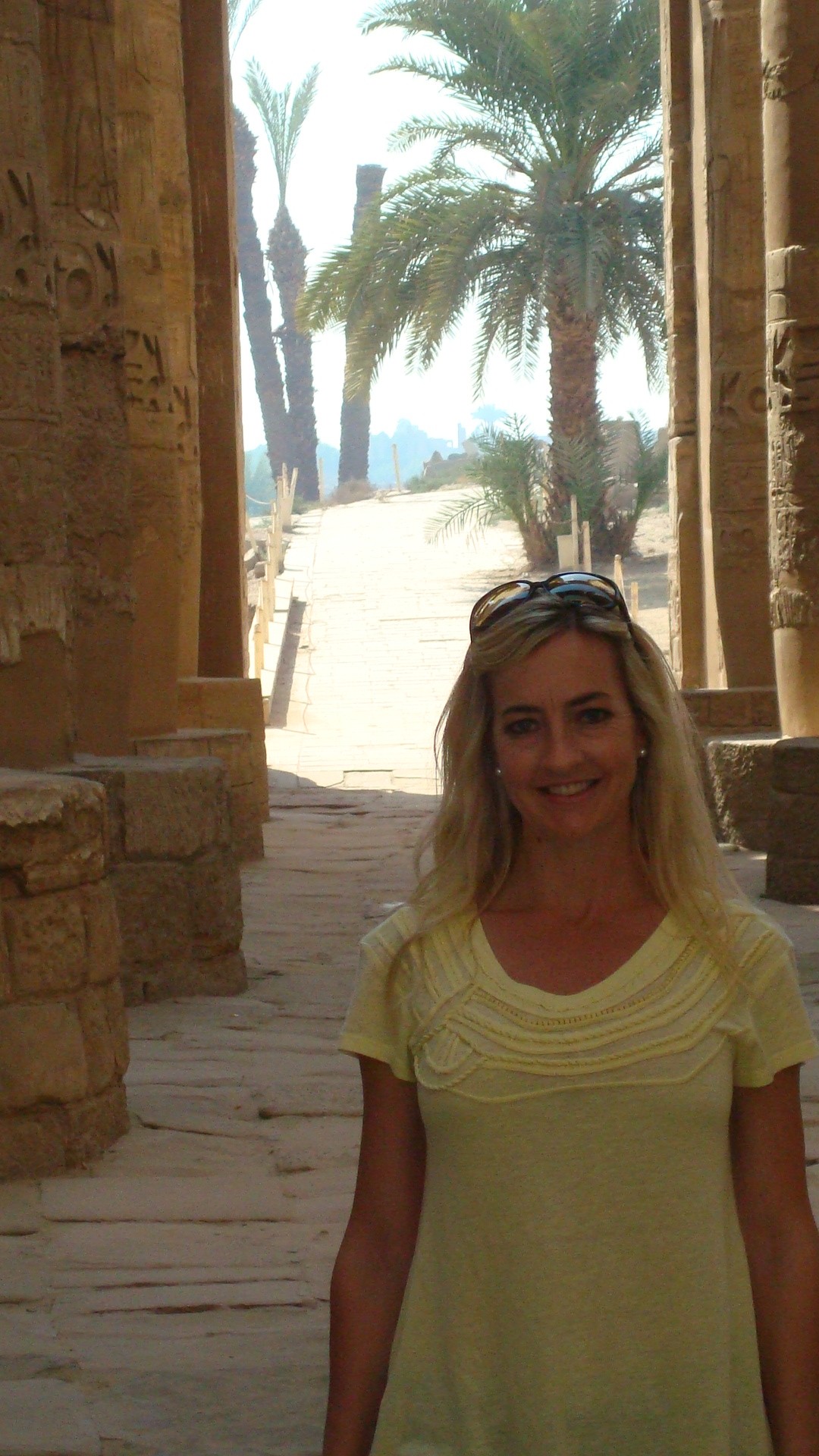
We boarded, checked in, quickly drank some tea and then set off for the Temple of Karnak. This temple was built over one thousand years by generations of Pharaohs. The great “Hypostyle Hall” is an incredible forest of giant pillars, covering an area larger than the whole of Notre Dame Cathedral.

Entering the Temple at Karnak (and being followed by the peddlers)

En route to the Valley of the Queens and Kings, we made a brief stop at the Colossi of Memnon, known in ancient Greek times for their haunting voices of dawn.

Colossi of Memnon

We stopped here very briefly and were assaulted by the throngs of vendors.

Surviving the gauntlet of peddlers back to the van

Valley of the Queens and Kings

In the Valley of the Queens, we were only able to enter one tomb, although we expected to see two. As a consolation, our guide ‘tipped’ the guard and we were able to take pictures inside (usually not allowed).

Valley of the Queens
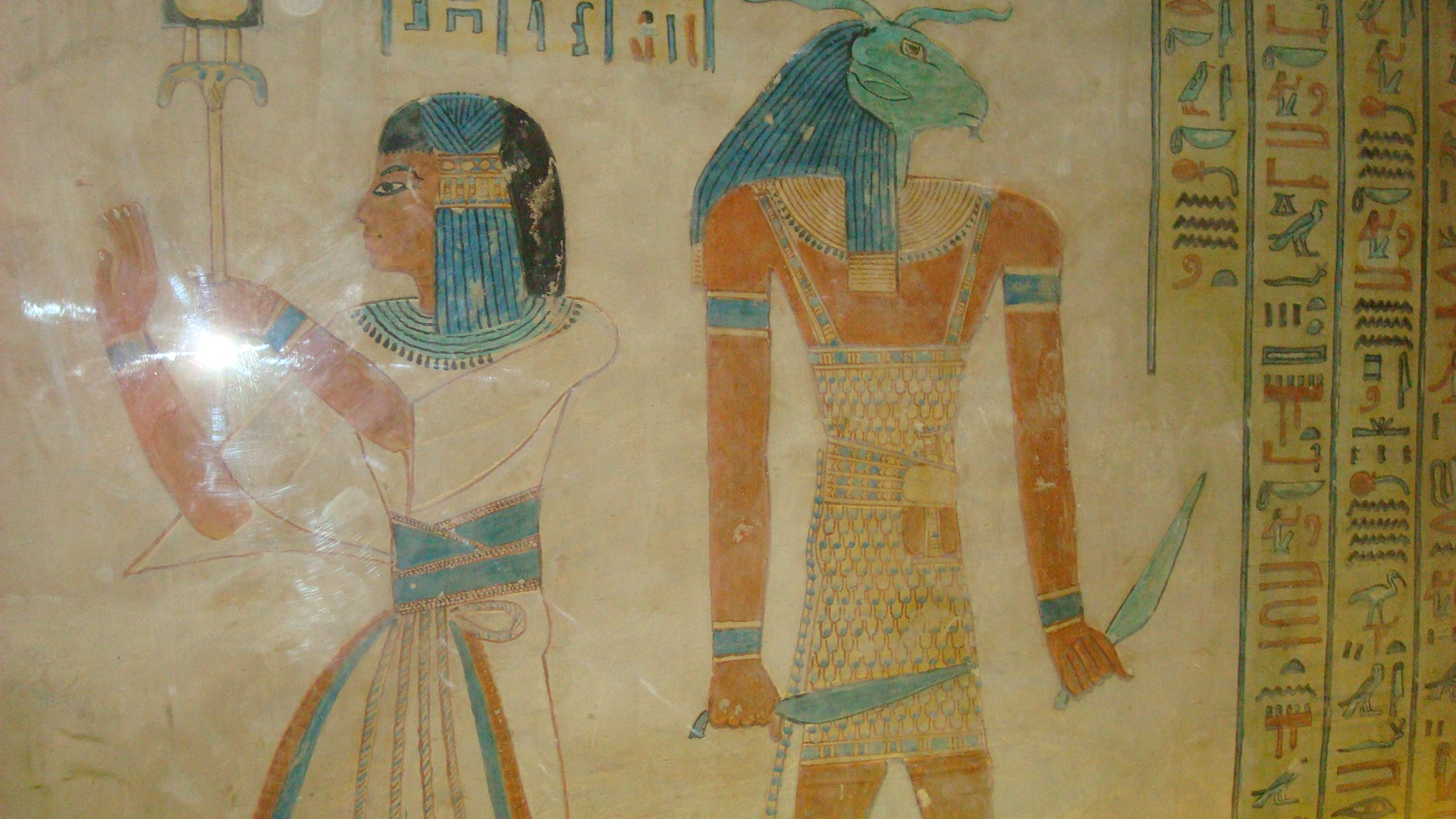
Inside one of the Tombs in the Valley of the Queens

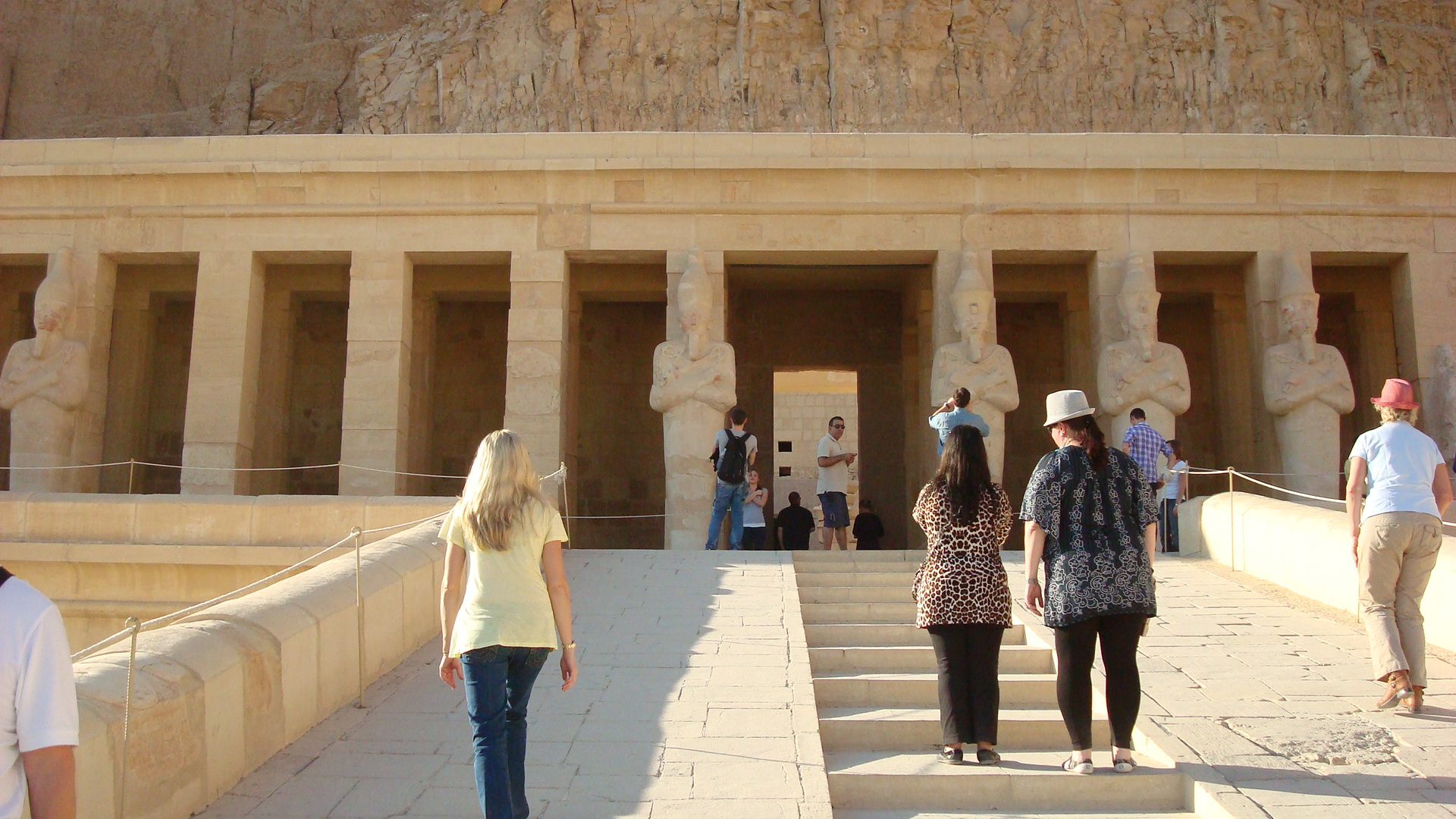
Temple of Hatshepsut: Rising out of the desert plain in a series of terraces, the Temple of Queen Hatshepsut (Ancient Egypt’s only female Pharaoh) merges with the sheer limestone cliffs that surround it.

Unfortunately, there were no cameras allowed in the Valley of the Kings. This was my absolute highlight of the entire trip! We were able to enter King Tutankhamun’s tomb along with many others. It was a beautiful, peaceful, and serene location.

DAY 2

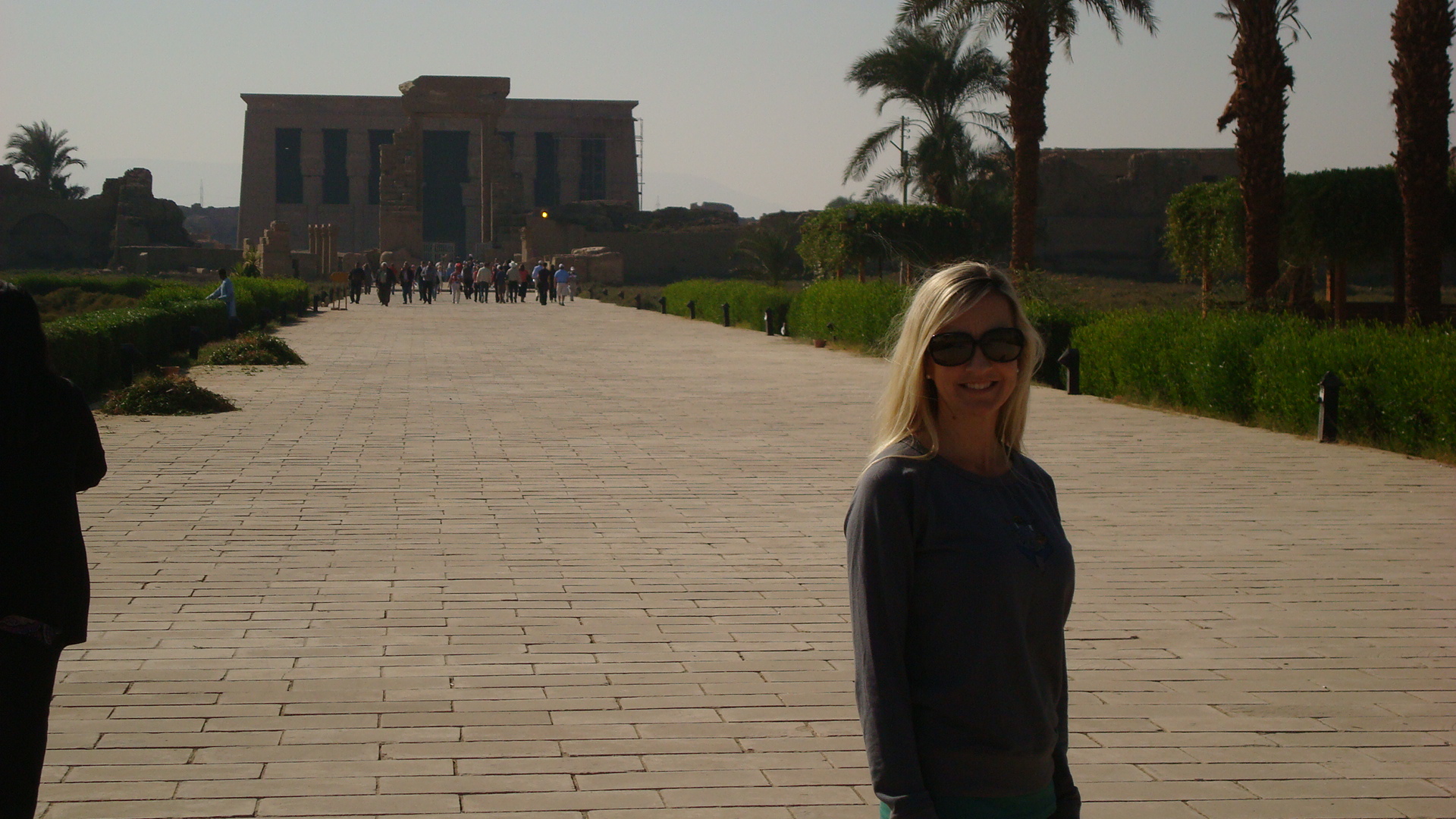
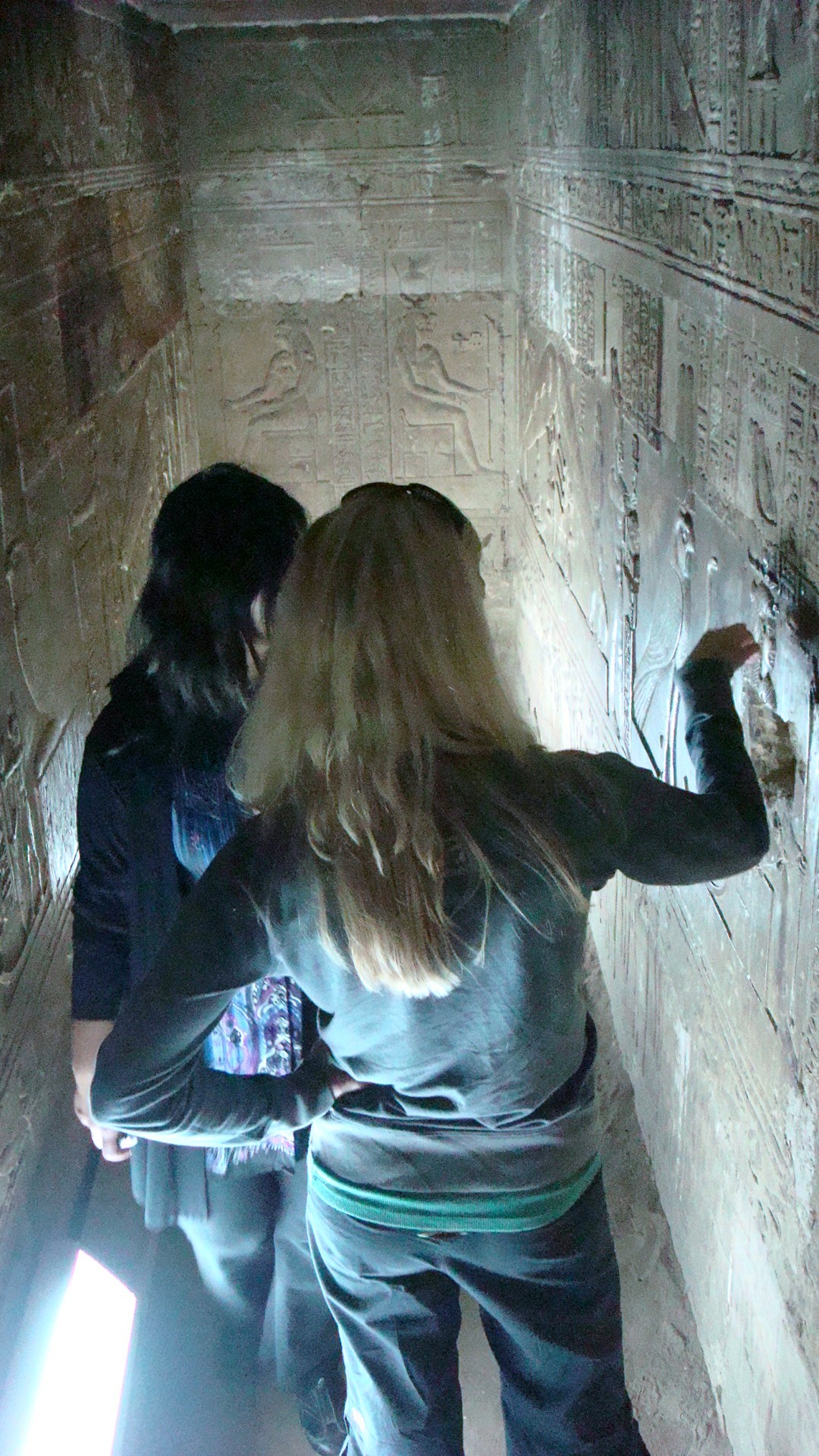
Temple of Denderah: This was the Ptolemaic Temple of the Goddess Hathor. This wonderfully preserved temple complex is a rare sight to behold, complete with a massive stone roof, dark chambers, underground passages and towering columns inscribed with hieroglyphs. The main temple of Hathor is almost intact. Hathor was the goddess of pleasure and love, usually represented as a cow, or a woman with a cow’s head. She was the beneficent deity of maternal and family love, of beauty and light; the Greeks associated her with Aphrodite.

Temple of Denderah
Underground depository in the Temple of Denderah
Yoga graffiti

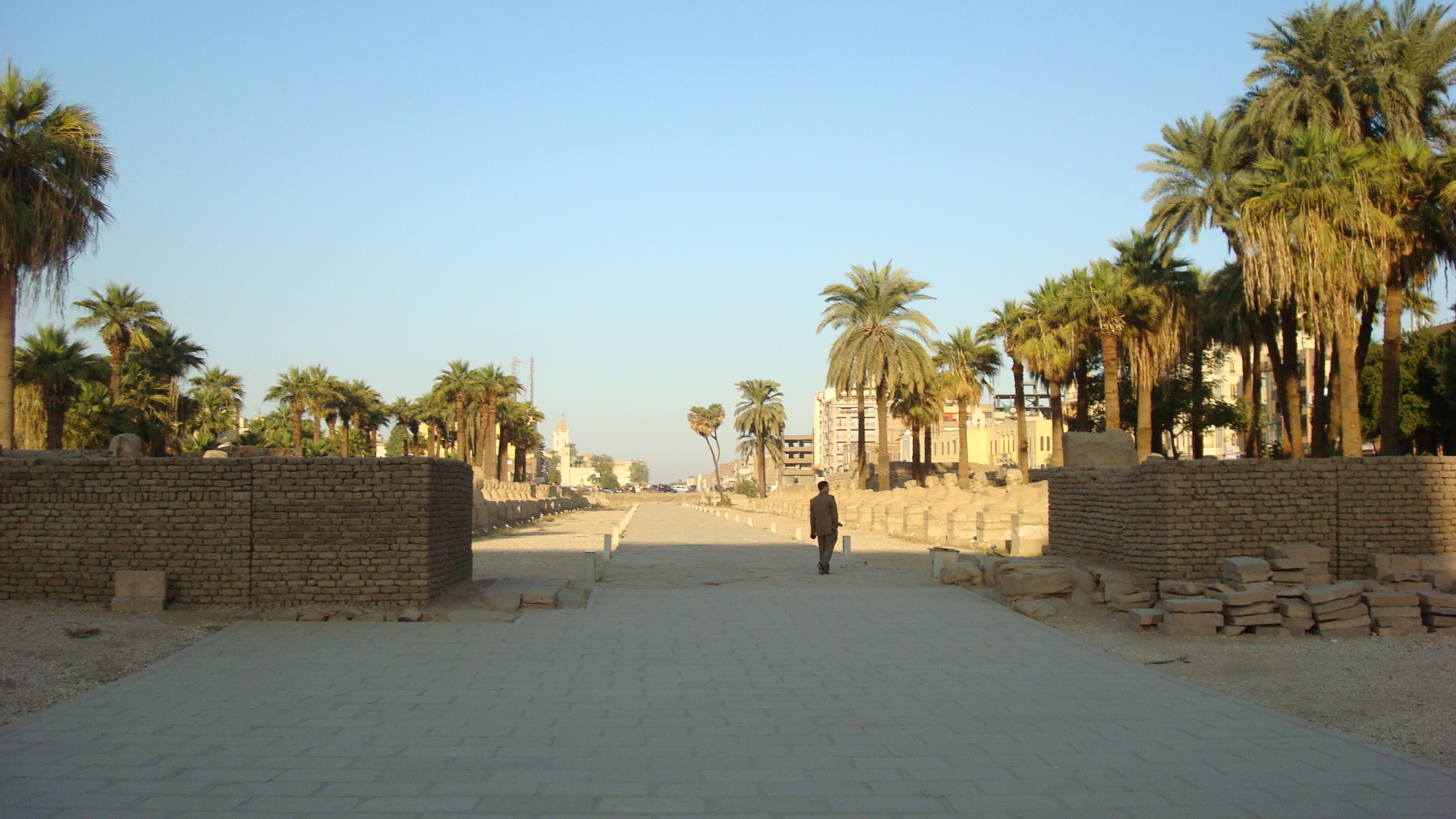
Luxor Temple: The Temple of Luxor used to be linked up with the Temple of Karnak via the Boulevard of Sphinxes.

Temple of Luxor on the bank of the Nile
Boulevard of Sphinxes that originally met up with the Temple at Karnak

DAY 3

Temple of Edfu: The largest and most completely preserved Pharaonic, albeit Greek-built temple in Egypt, the Temple of Horus at Edfu.

Carriage to Edfu Temple

Temple dedicated to Horus

Temple of Kom Ombo: This temple is dedicated to the crocodile-god Sobek. The temple stands at a bend in the Nile where in ancient times sacred crocodiles basked in the sun on the riverbank.

Nilometer: the height of the Nile would determine the amount of taxes to be paid


DAY 4

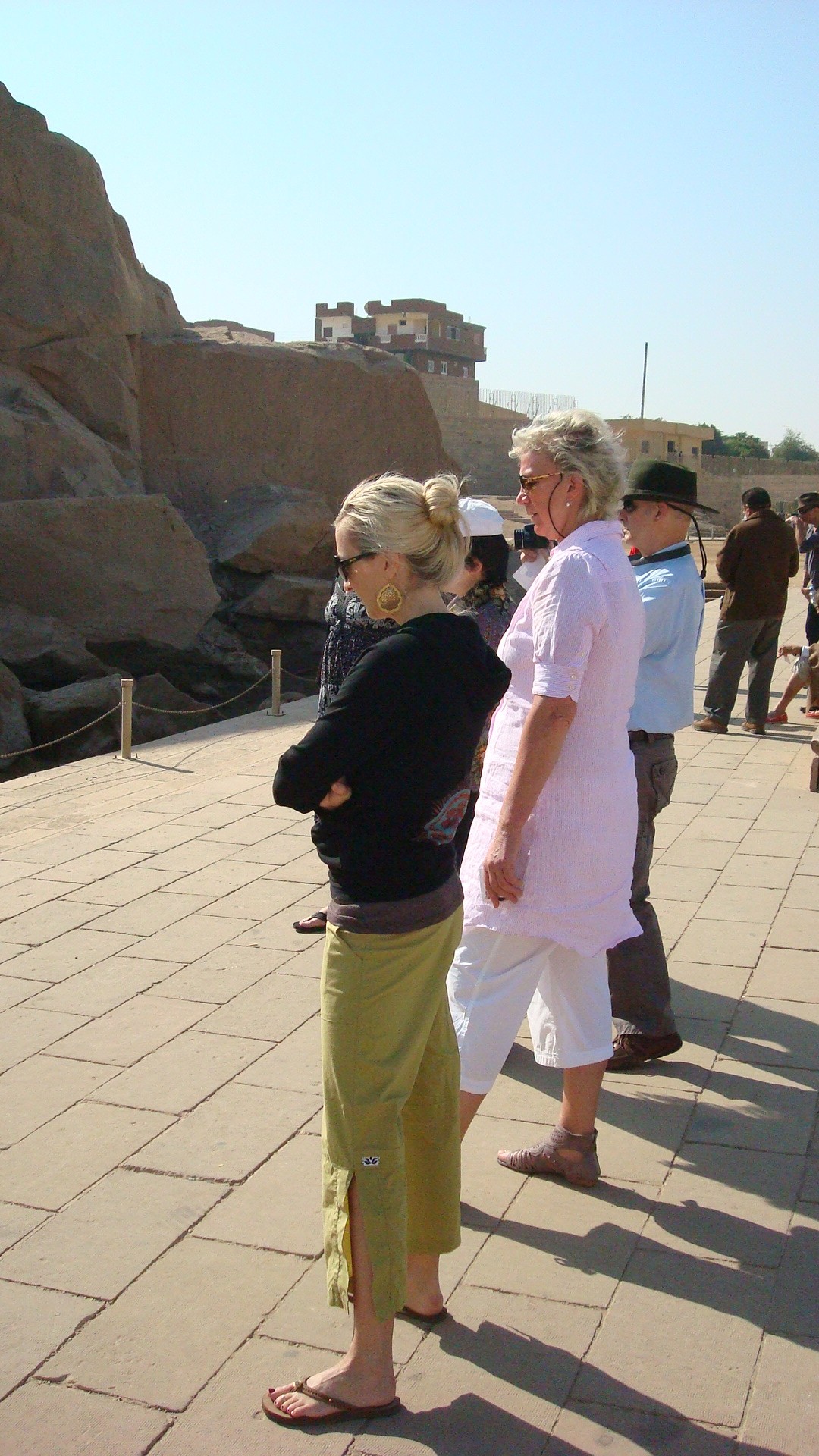
Unfinished Obelisk: We visited a granite quarry which supplied the ancient Egyptians with most of the hard stone used in pyramids and temples to see a huge unfinished obelisk. This obelisk was used to understand how the ancient Egyptians were able to quarry such massive structures.

Looking at an Unfinished Obelisk at the granite quarry
Unfinished Obelsik

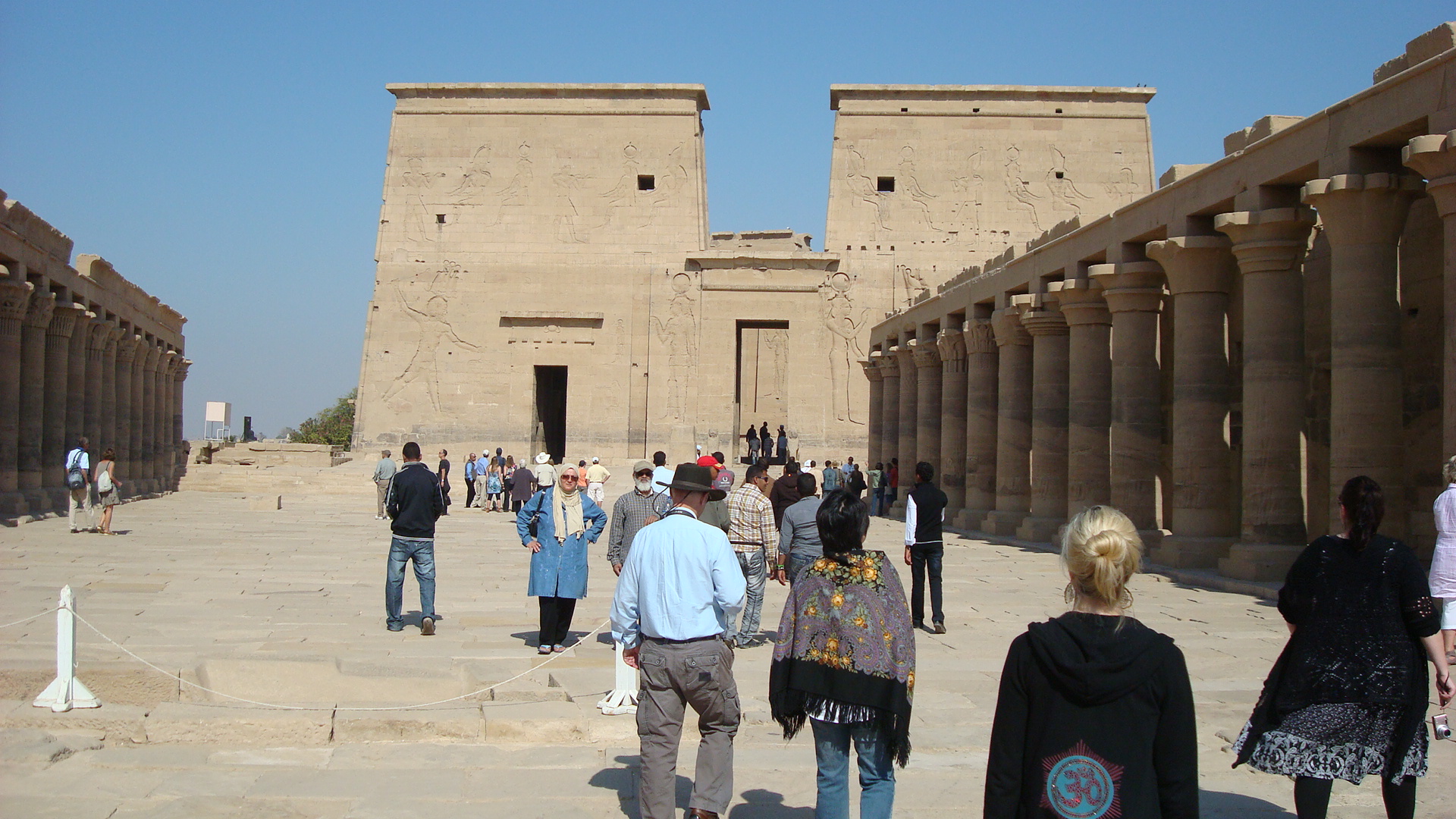
Temple of Philae: We boarded a ferry to the Island of Agilika to visit the majestic and romantic Temple of Philae (moved to this Island after it was flooded).

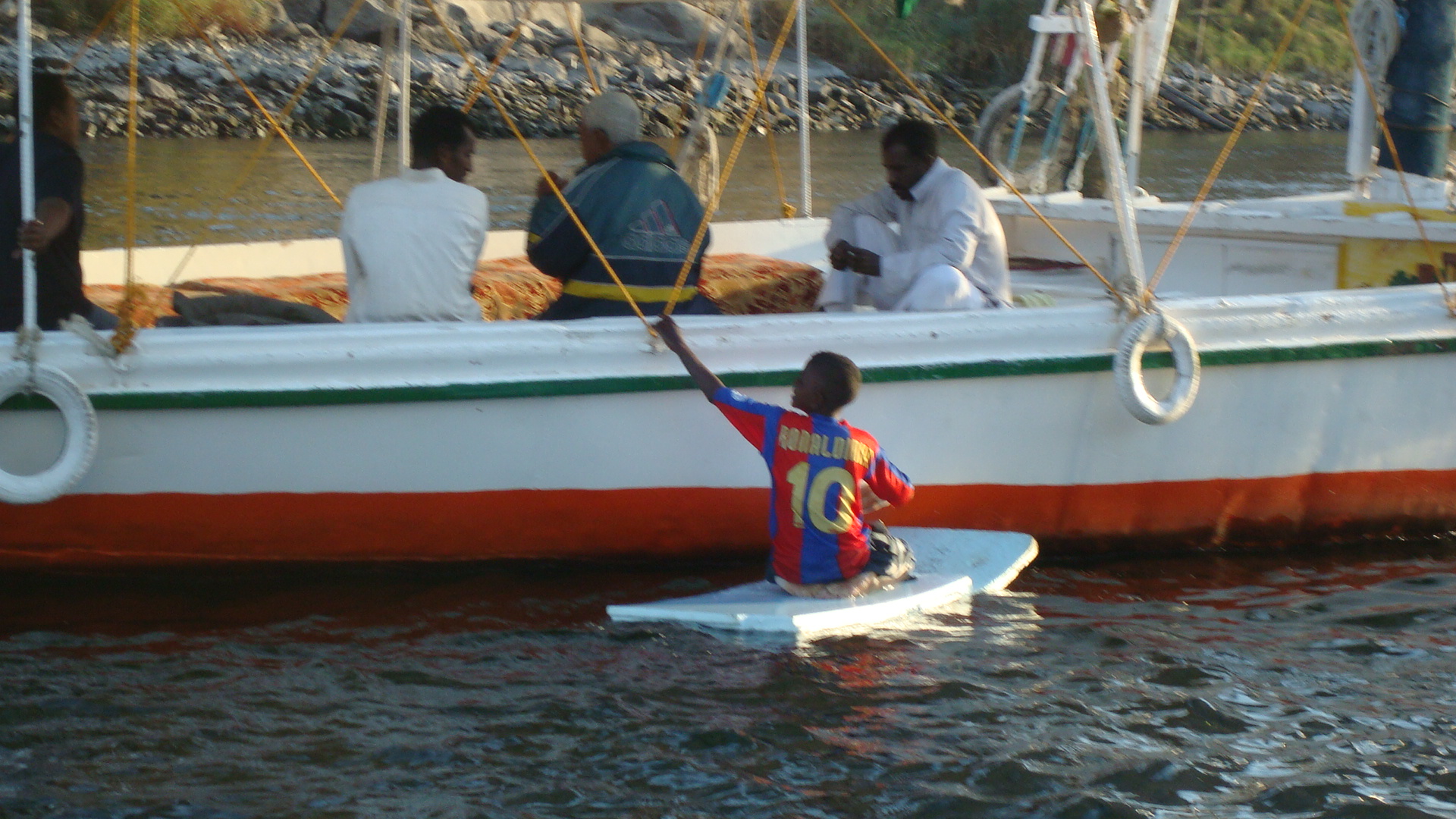
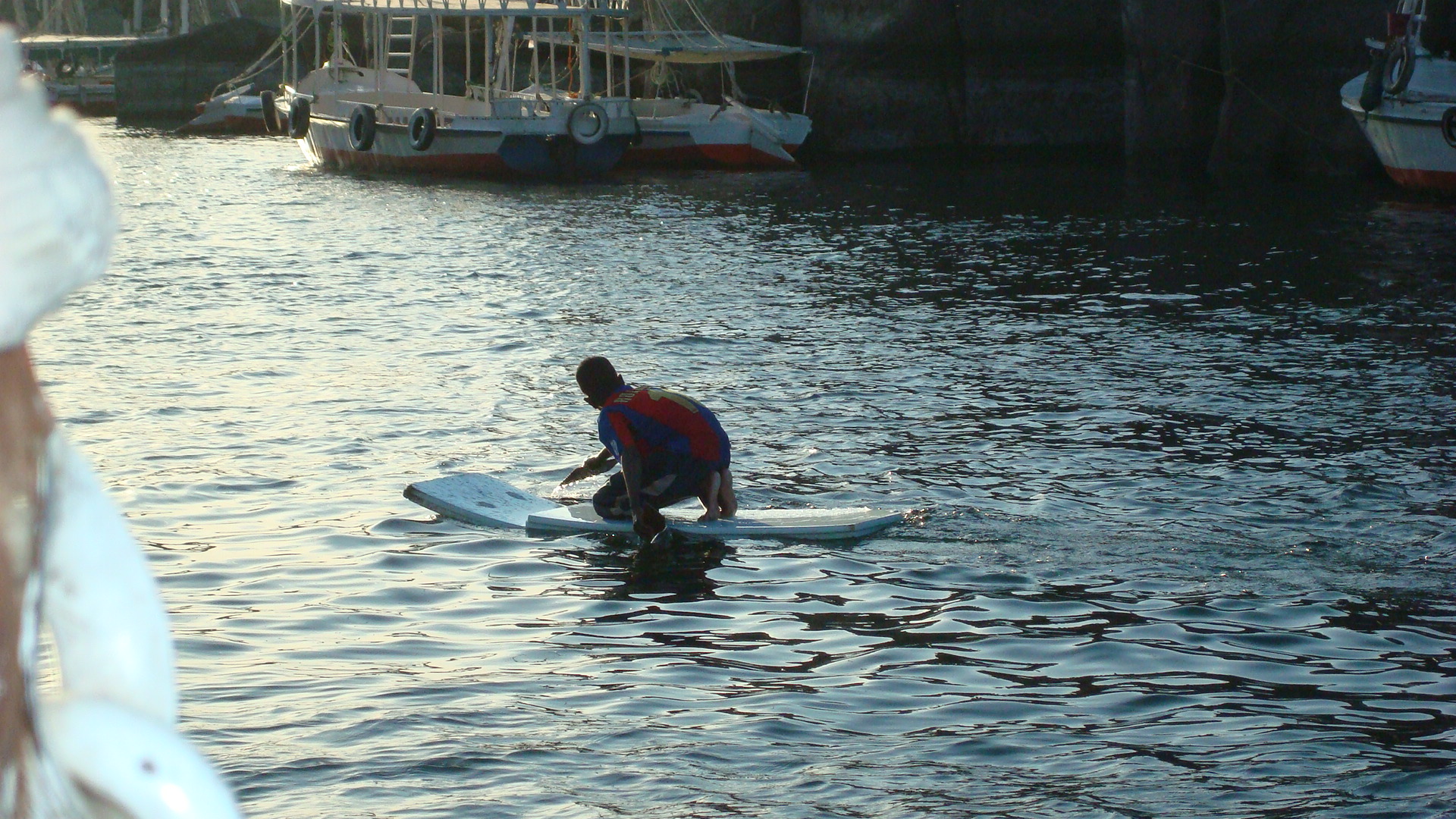
Felucca Ride: Lastly, we took a felucca ride, a typical Egyptian sailboat around Elephantine Island, Lord Kitchener’s Botanical Gardens, and the Agha Khan Mausoleum. The highpoint of this ride was watching the tiny boys paddle up to the boat to sing songs in search of money. The amazing thing is that they’re sitting on what looks like floating doors with wooden paddles in hand to propel them. It wasn’t particularly warm; it was a school day, and yet they were out in masses. Our guide told us that the boys guess the nationality of the boat and sing German, French, and English (and undoubtedly many more languages) songs in search of ‘tips.’ They thought we were a French group and serenaded us accordingly.

Afternoon Felucca ride around Elephantine Island

Lest we forget the Souk: Finally, we got to shop in the market. In part IV, I will reveal the purchases.

On the morning of day 5 on the Nile Cruise, we left the ship early to catch a flight to Abu Simbel…

Coming up…part III, Abu Simbel and Cairo (again…)

Below are hundreds more pictures for your viewing pleasure.

This slideshow requires JavaScript.


Egyptian Vacation: Part I, Cairo


For as long as I can remember, I’ve always wanted to travel to Egypt. Our proximity in Jordan makes getting to Egypt so manageable too (it’s only an hour flight from here to Cairo). With all of the political unrest going on in Egypt, especially in Cairo, I thought this fantasy would have to wait indefinitely. Will there ever be a good time to go? Luckily, despite the protests that were going on while we were in town, we were able to tour around, escaping any problems.

I know it’s not possible to see everything that Egypt has to offer in ten days, but it certainly feels as though we were able to see quite a bit. We started our tour in Cairo for three days, followed by a Nile Cruise for four, and ended with a flight to Abu Simbel and then back to Cairo for two more nights.

Cairo, Part I: Antiquities Museum, Memphis, Sakkara, and the Giza Plateau

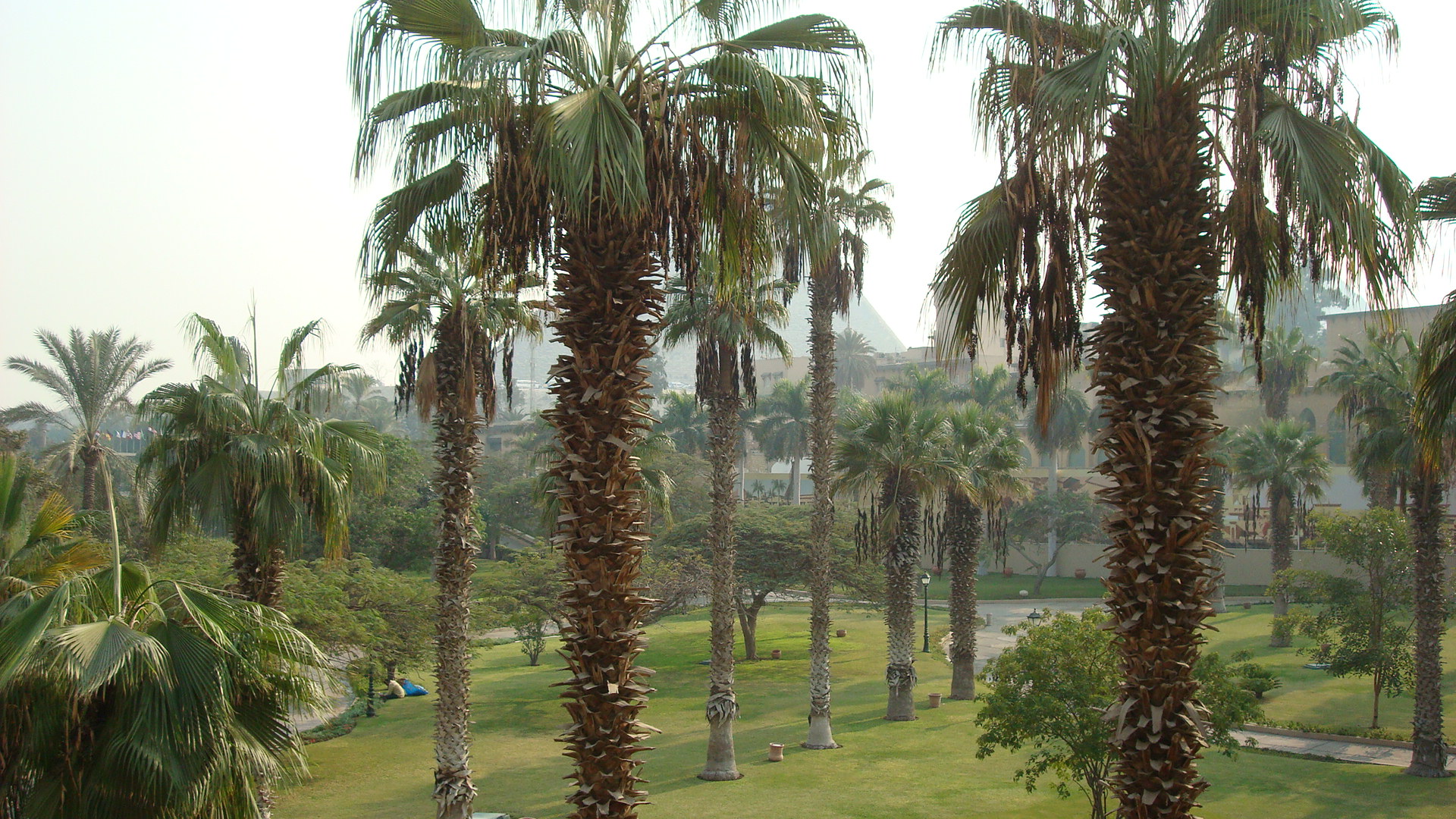
Grounds of the Mena House (with Pyramids in background)

Our first three nights in Cairo were spent at the Mena House Oberoi (built as a palace for the Empress Eugenie when she visited Egypt for the opening of the Suez Canal in 1869). The hotel is directly across the street from the Giza Plateau and the pyramids dominate the skyline.

Antiquities Museum: Our first full day in Cairo was spent in the Egyptian Antiquities Museum. Unfortunately no cameras are allowed in the museum so I don’t have any pictures of it or of the grounds. We saw the treasures of King Tutankhamun along with other amazing pieces. What I found most astonishing about the museum was it’s state of decay. I suppose this makes the museum more charming, but the debris, the dust, the didactic materials in the cases seem to be period pieces as well–information cards typed on typewriters and yellowed with age. We didn’t pay extra to see the mummy room, it just seemed wrong, but I did enjoy the mummified animals–everything from tiny lizards, to birds to gigantic crocodiles were featured along with their coffins.

As we exited the museum, we could see that our driver and tour guide were visibly distressed. They pointed out nearby smoke in the sky coming from Tahrir Square and whisked us out as quickly as possible. En route out of the square,  cars and busses being turned around into oncoming traffic by protestors. We were turned around as well and made it out safely back to the comfort of our hotel, which felt miles away from any problems.

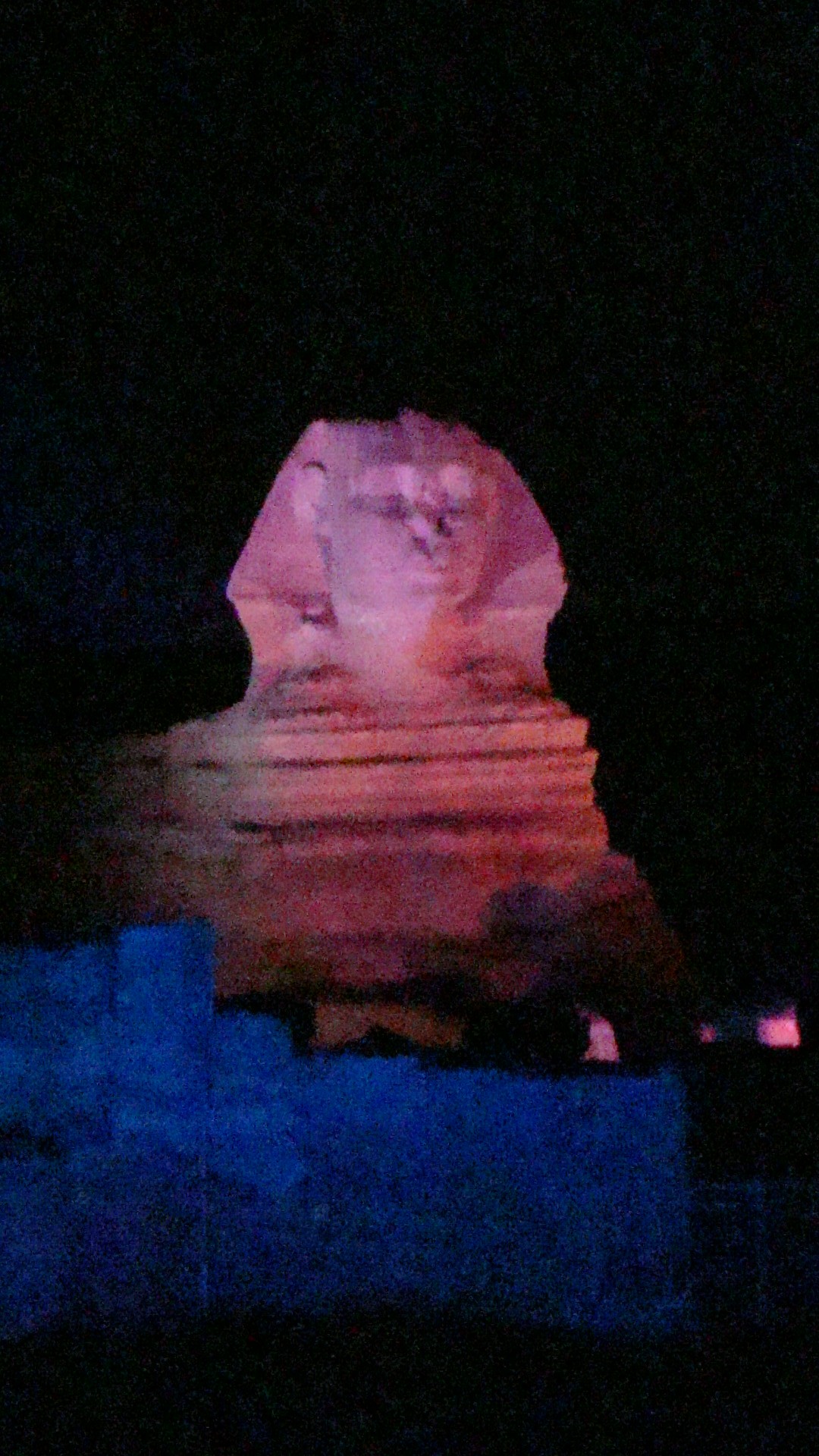
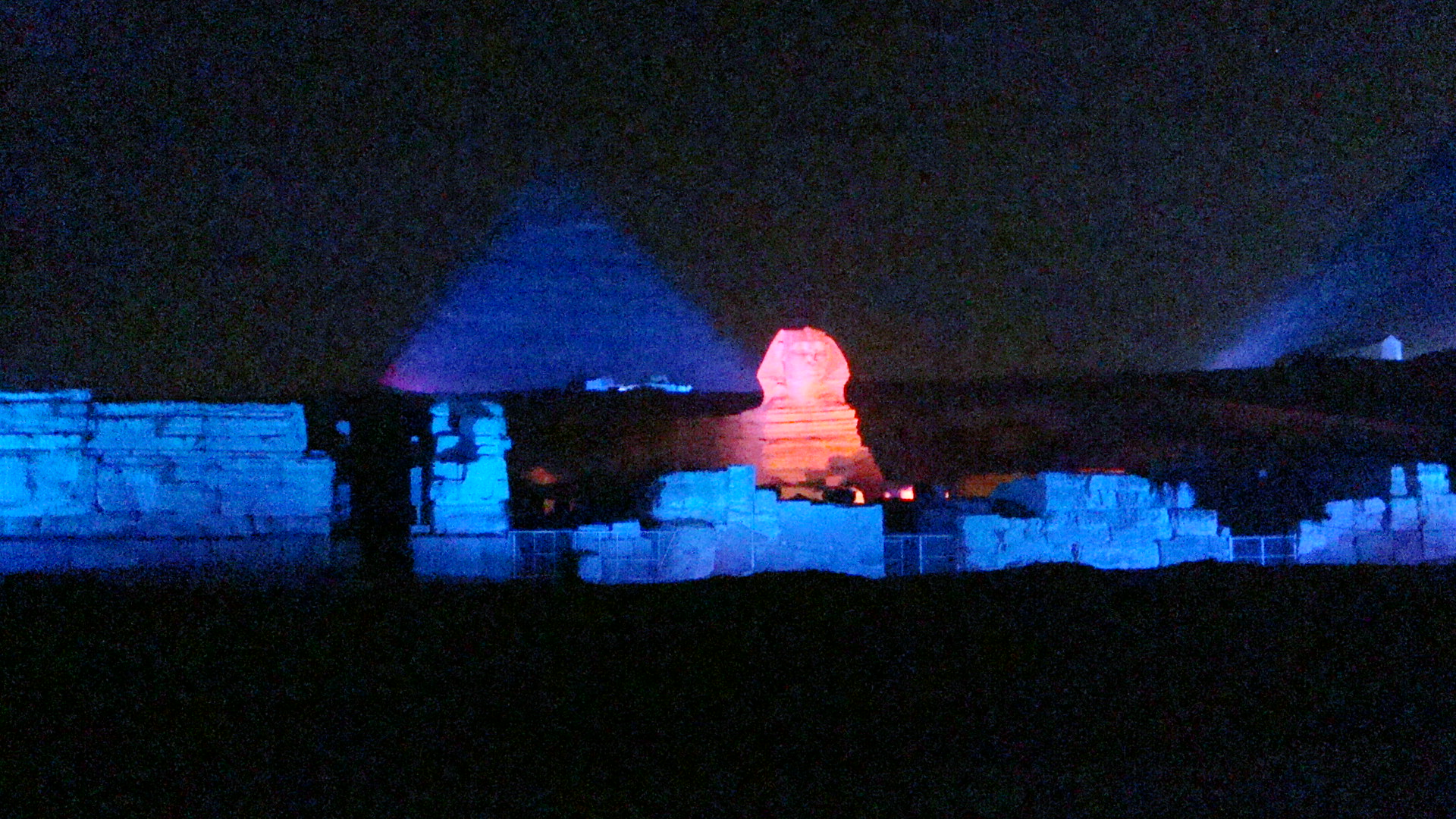
Light & Sound Show: The Light and Sound show is one of those things that tourists just have to do. As cheesy as the show and music are, there’s something to be said about hearing Omar Sharif narrate as the Sphinx in Old English. There was a wild dog, a wadi dog, who stole the show. Before it even began, the dog grabbed a seat pad and started flinging it in the air, just playing with it, and during the show it howled in concert to the music. It made up for the content of the twenty year old program that hasn’t been updated since its inception.

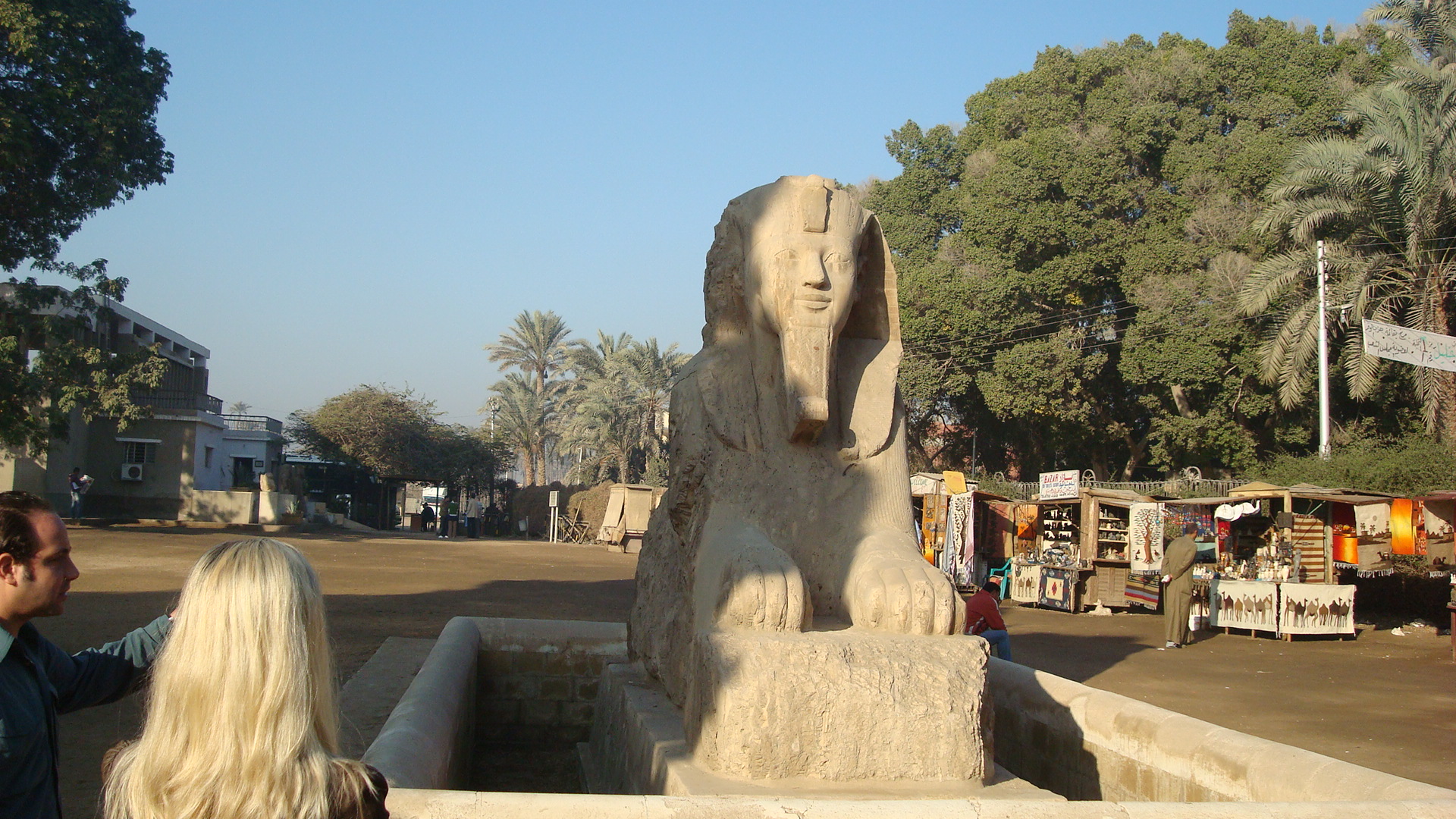
Memphis: This tour started with the remains of Memphis (the capital of the Old Kingdom) in the village of Mit Rahina. The highlight’s of this open air museum included a giant alabaster sphinx and a limestone Colossus of Ramses II, laid supine within a shelter.

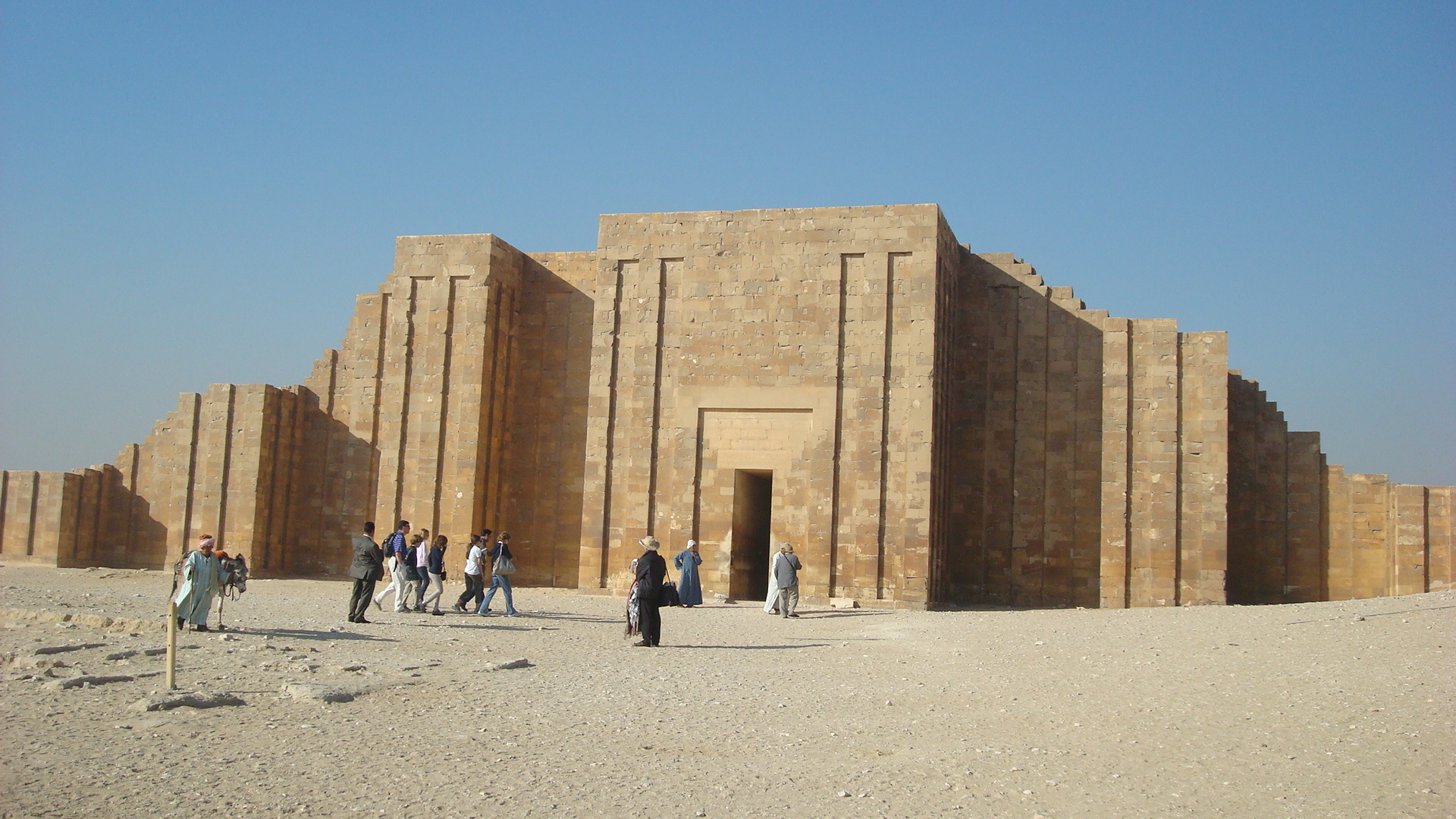
Saqqara: This is where Egypt’s Old Kingdom royalty were buried. The highlight here is Zoser’s funerary complex and the step pyramid, which heralded the start of the Pyramid Age.

Zoser's Funerary Complex

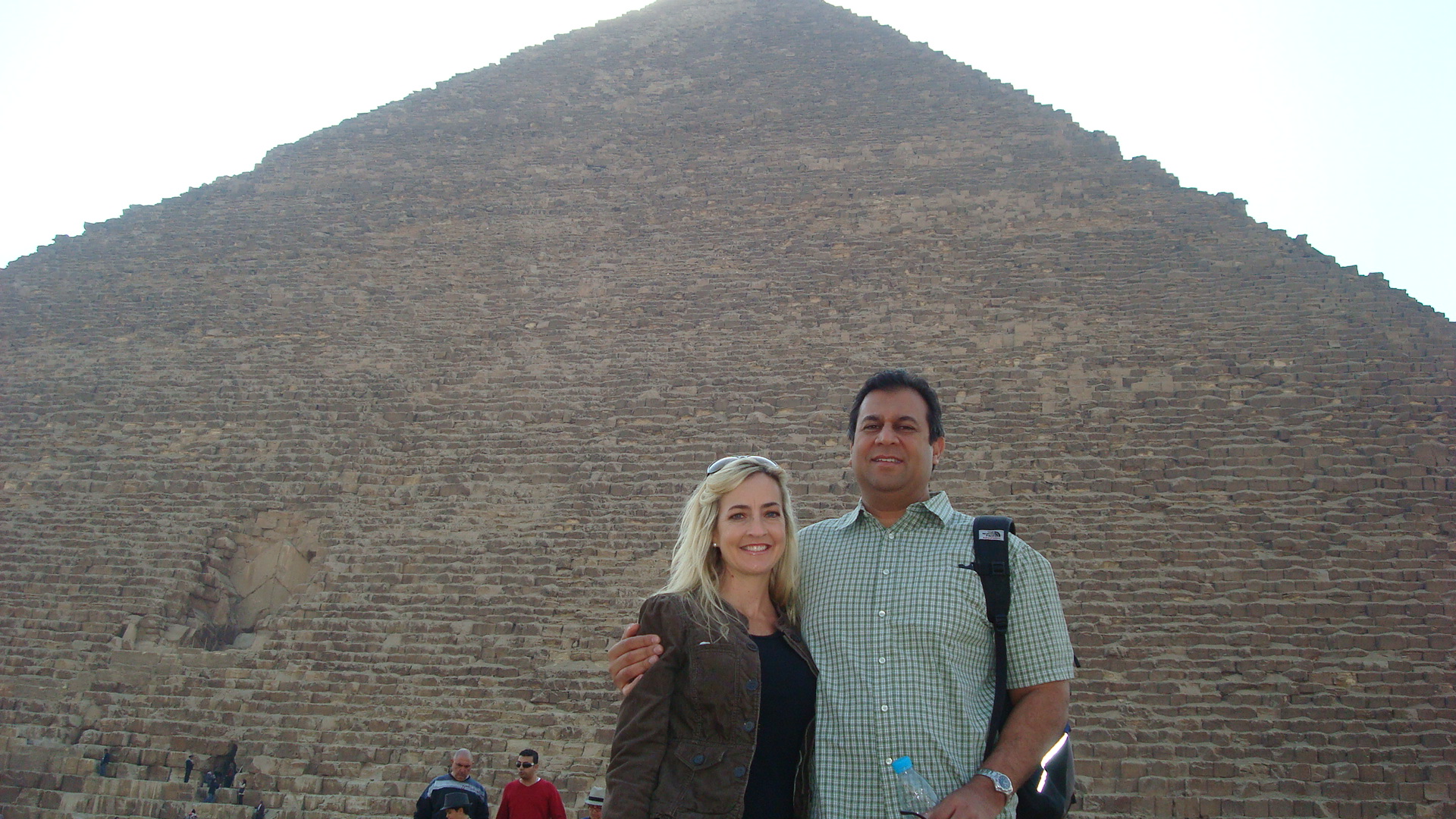
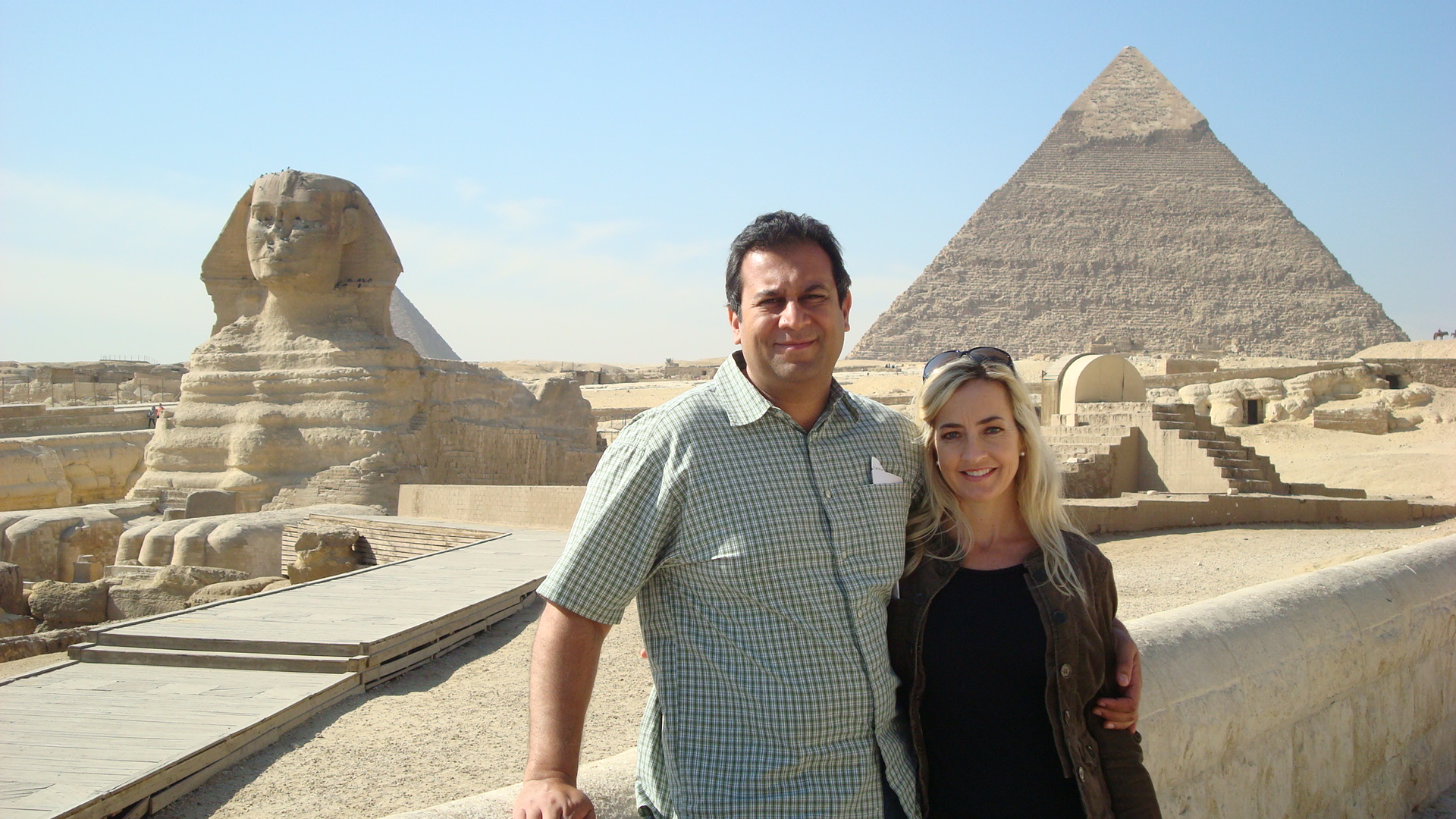
Pyramids of Giza: As our tour guide kept pointing out, we were extremely fortunate to be taking advantage of the lack of tourists because every place was empty. There were throngs of aggressive vendors and camels, but we were able to go into the smallest Pyramid of Menkaure without any lines or hassles.

Entering the Pyramid of Menkaure

This slideshow requires JavaScript.