Living in a Chateau, If Only for a Week


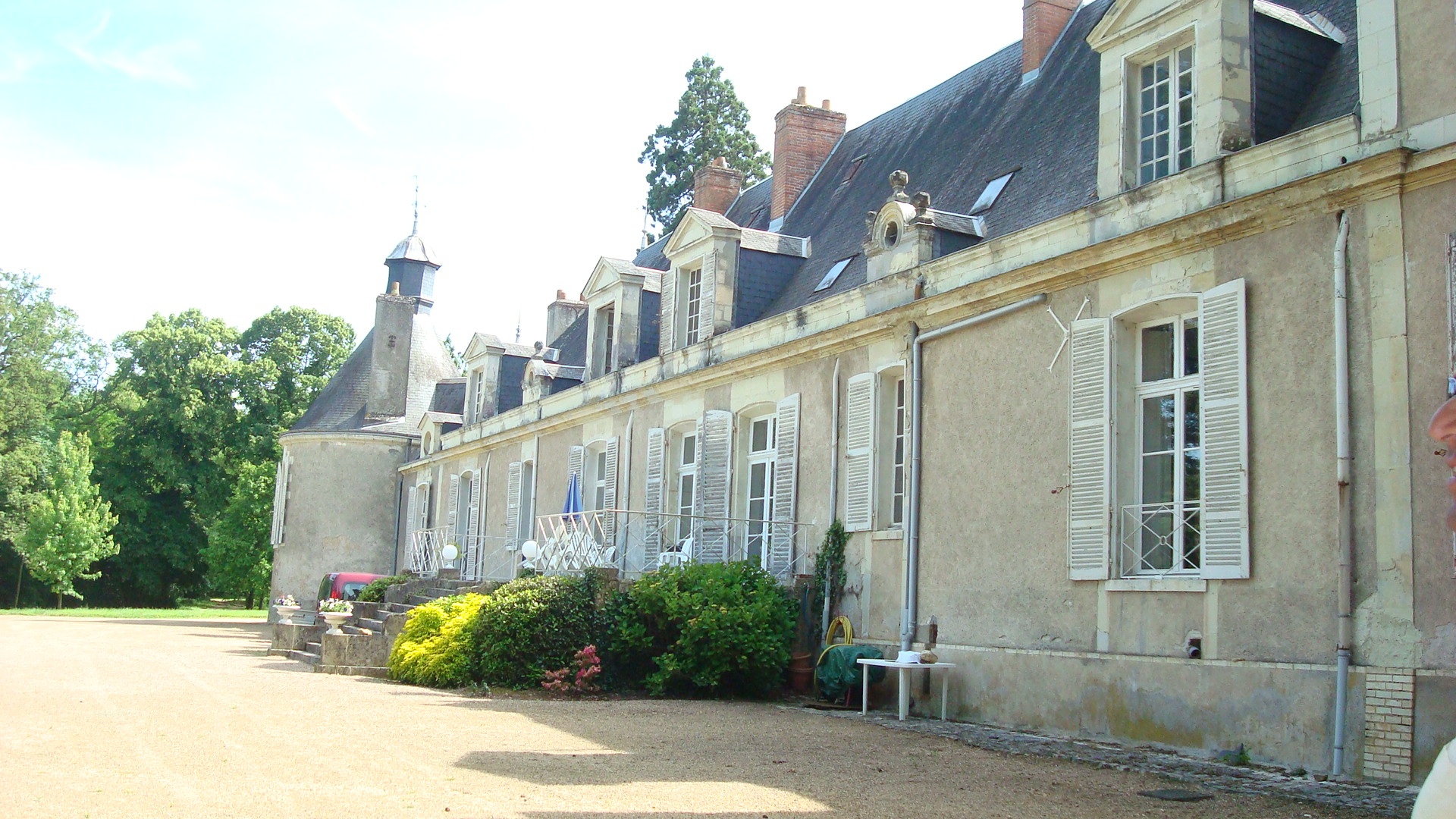
Our second leg of the trip was spent in the Loire Valley, France. Here we had the privilege of staying in a splendid Chateau (Chateau de la Noue) dating back to the 16th century.We stayed in one wing of the Chateau, equipped with all of the necessary creature comforts (including a DVD player, which enabled us to watch seasons 7 and 8 of Curb Your Enthusiasm–the nights got a little long, but we were in good company with Larry David).

The Chateau is located in the quaint village of Villedomer, a perfect jumping off point to many of our day trips throughout the week. The Chateau is blanketed by a beautiful forest of trees, including pine, sequoia, and chestnut. The only sounds to be heard were frogs in the pond and an occasional ‘moo’ of the neighboring farm’s cows. During our stay, we saw two deer, hares, and rabbits, and enjoyed walking along the grounds foraging for mini strawberries.

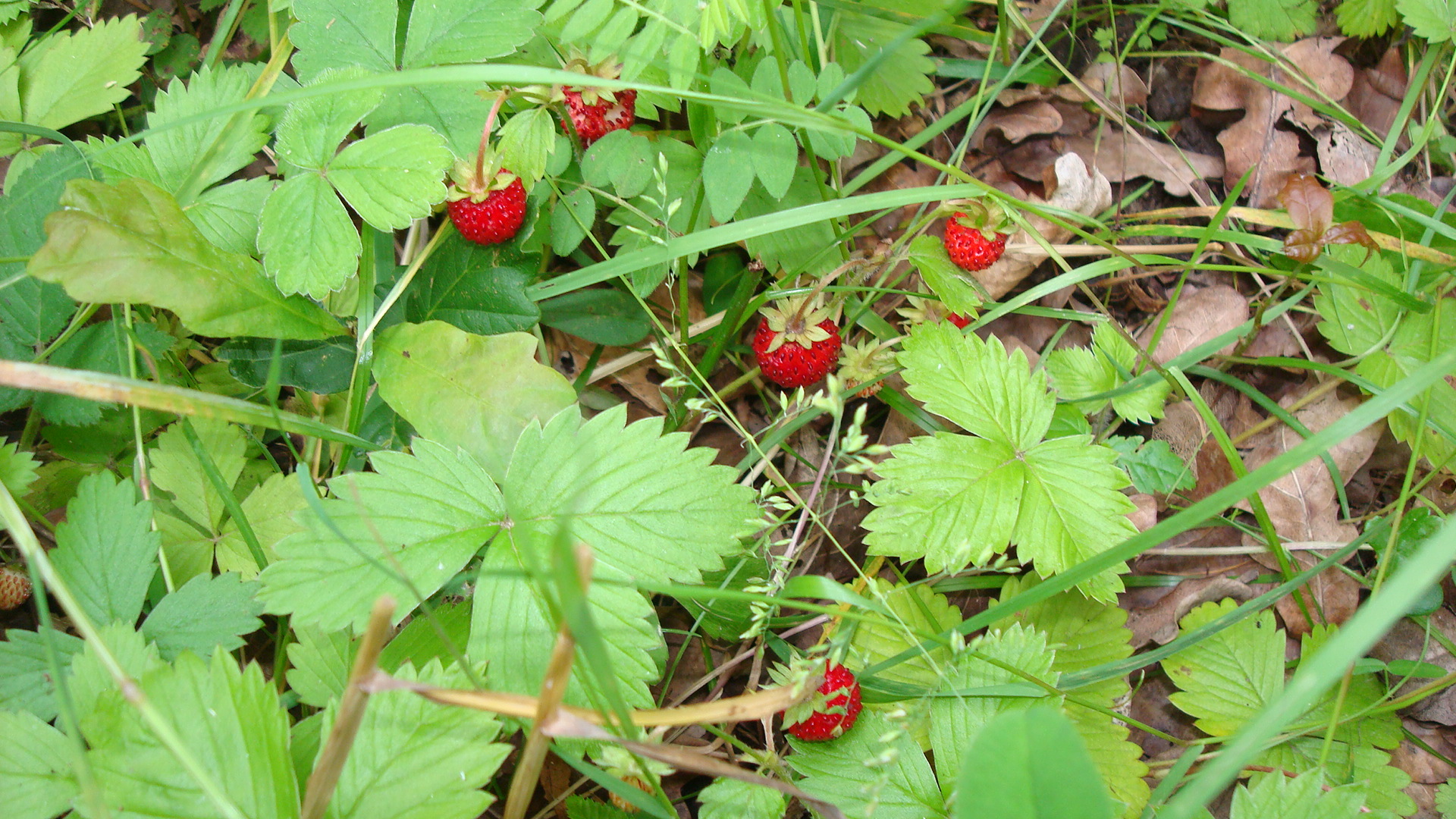
Itty bitty strawberries

The owner of the Chateau is warm and friendly, without being intrusive. She welcomed us with a bottle of Vouvray (from Touraine, just east of Tours–my new favorite wine), made a delicious dessert for us one night, and invited us over for hors d’oeuvres and wine on another night.

The Front
The Chapel, behind our wing
The backside of the Chateau
Local Vouvray
Dessert one night

What I liked most about staying at Chateau de la Noue was the unique experience it provided. Rather than staying in a sterile, perfectly appointed hotel room, we were afforded a more authentic experience–we drove hundreds of miles on small windy roads, shopped in local markets, and made many a pit stop to the abundant patisseries in every town. After exploring Chateaus throughout the week, staying at a place like this gave me an appreciation for the workmanship, upkeep, and history of the Chateaus.


Portugal Part II: The Algarve


Portugal’s Algarve, stretches along the bottom portion of the country’s coastline. It’s in the Algarve where most people come to spend their holidays along the soft sandy beaches backed by eroding cliffs with dramatic rock formations.

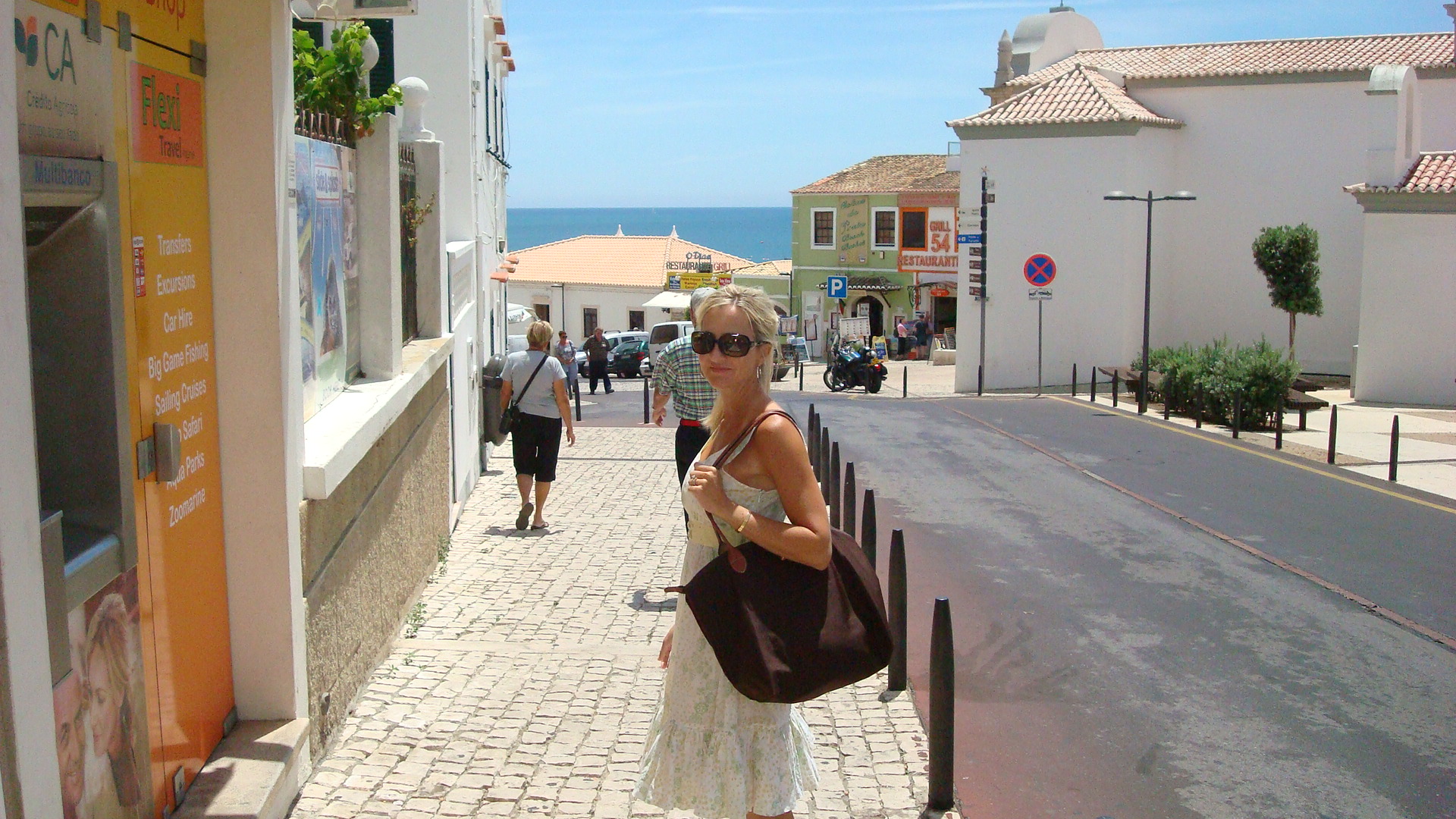
We spent one week in the Algarve with the town of Albufeira as our base. From here we set out each day to visit the smaller towns surrounding the area. Our first stop was to the Old Center of Albufeira, a beautiful beach city boasting an incredible elevator (see first picture above) leading down to a lovely beach, great restaurants, and decent shopping.

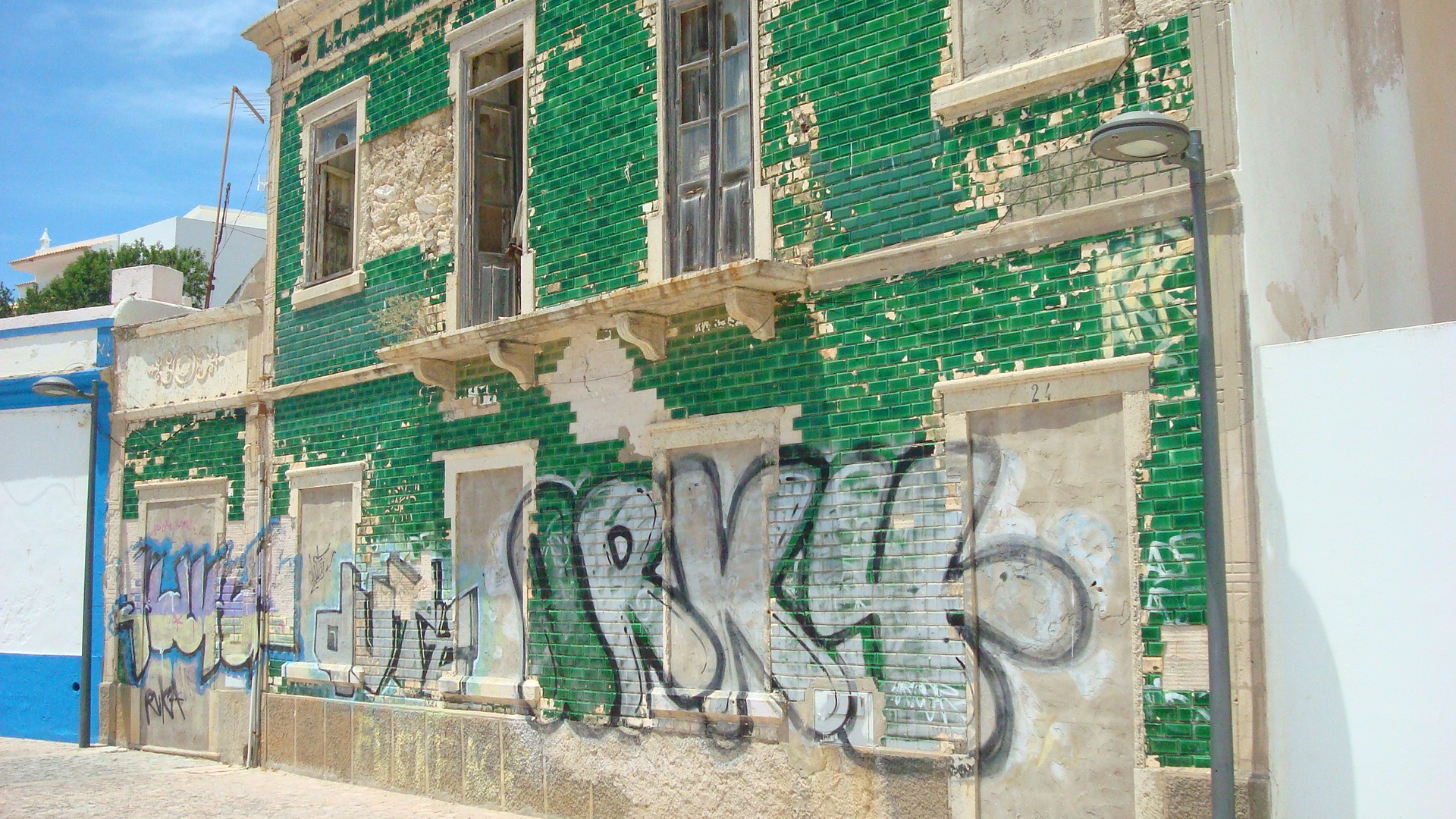
A formerly beautiful facade of green tile
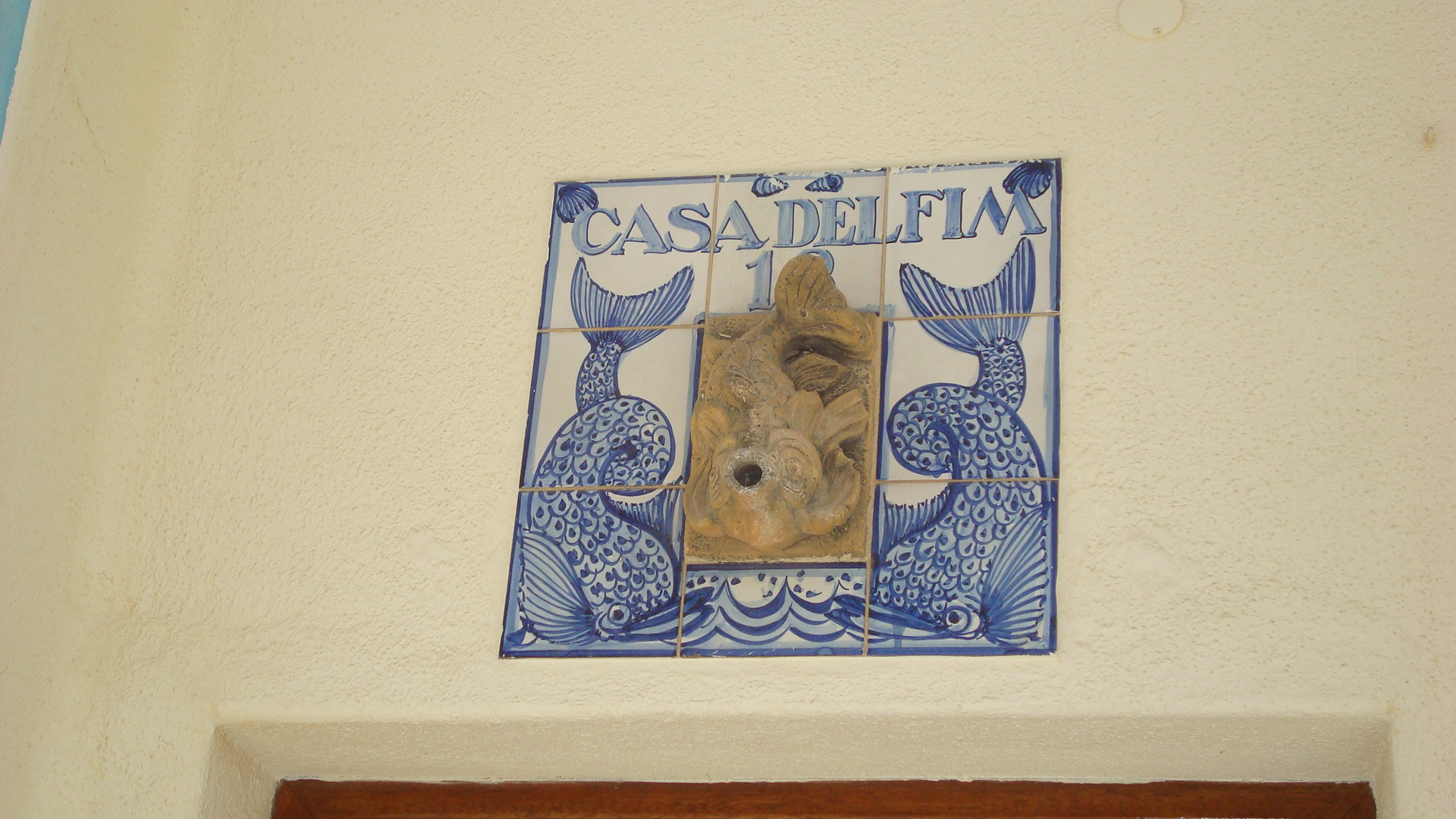
Love the architectural details above the door

The next day, we set out in search of pottery. We headed to Porches, a village famed for its ceramics and shops selling tiles in various styles, but this ended up being a bust. We still found pottery to buy, just not here.

Next up, we headed inland to the town of Silves, the medieval residence and capital of the Moorish kings of the al-Gharb (Algarve). Here we walked through castle remains and the fortressed walls of a formerly grand place. After a few close calls from driving in extremely tight and scary streets, we headed back to the shore for more comfortable weather and something to eat.

View from the Castle into town

Our last foray into town touring was to the town of Faro. We had a great lunch and walked it off looking for something, anything to buy, but alas, there was nothing. The town is pretty and architecturally interesting, but with little to buy.

We spent our last few days sunning, reading, playing tennis and relaxing, preparing for part II of our vacation in the Loire Valley of France.

This slideshow requires JavaScript.

Portugal Part I: Lisbon


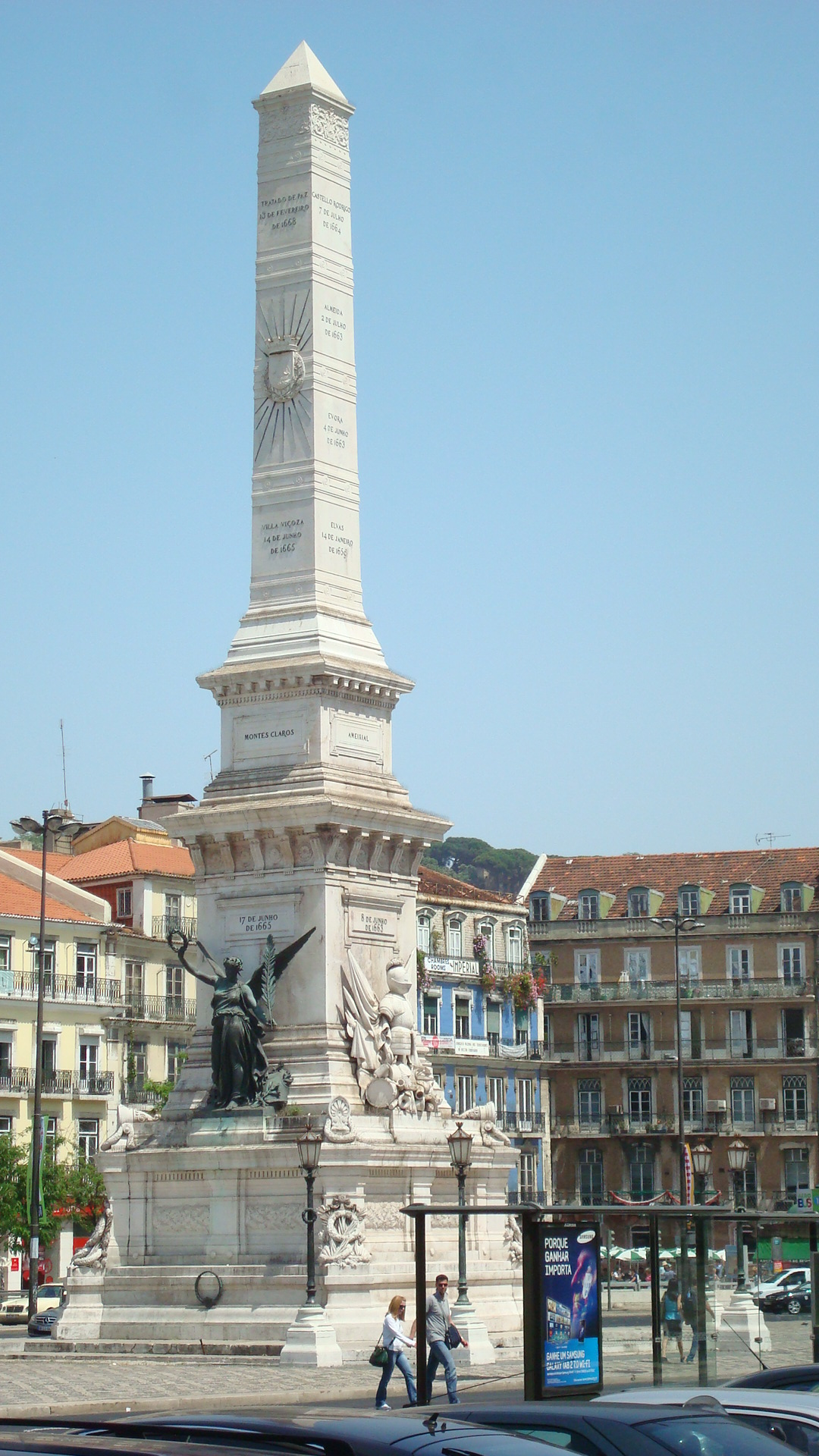
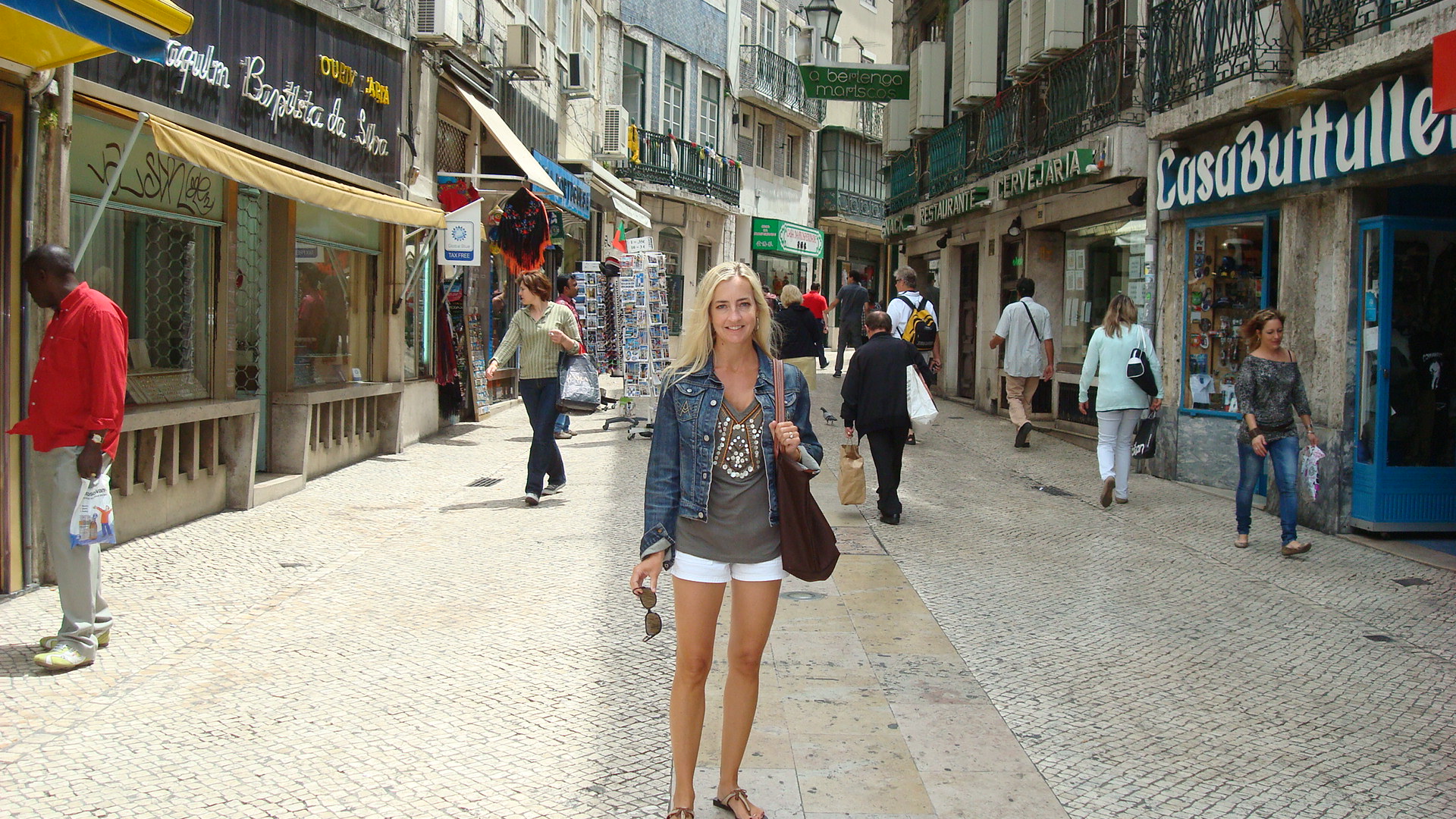
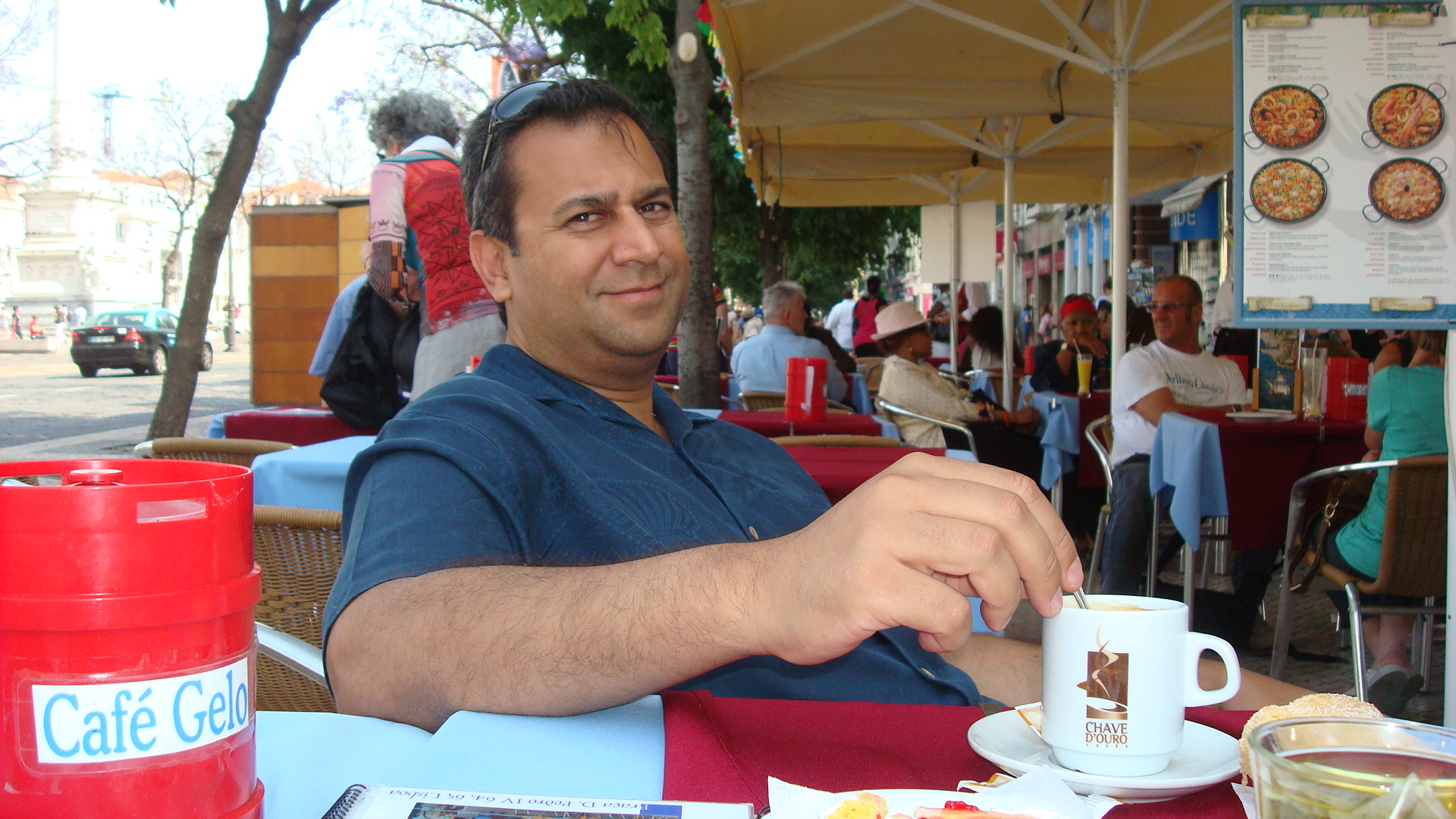
We arrived in Lisbon and were met with amazing weather. On our first day, we walked down into the historic section of town, full of cafes, beautiful buildings, and great shops. We stopped for lunch and then later coffee and dessert before meeting our friends for dinner.

On day two, before meeting my parents at the airport, we headed back to the same area of town for breakfast, pasteis de Belem (a delicious flaky custard tartlet and the national pastry of Portugal) and a little shopping. I’ll post pictures of ALL of the purchases I made when I get home to Jordan.

Next up, the Algarve…sun, beach, and seafood…

This slideshow requires JavaScript.

Retail Therapy, Syrian Style


There is nothing to buy in Amman. Sure there are shops and malls, amazing ones too. There are the usual designer boutiques: Louis Vuitton, Burberry…, all of the familiar mall brands: MAC, H&M, Gap, (no Anthropologie)…, but I cannot afford anything here because everything is about three times more expensive than what I’d pay at home. I suppose it’s a good thing that there’s nothing to buy because it makes Raj all the more willing when an opportunity to spend arises, as it did last week at the embassy.

Before arriving to Jordan, Raj and I discussed our desire to purchase some sort of furniture or artwork reflective of the region without going overboard with a middle eastern theme. The uprisings in Syria began shortly before Raj arrived, seriously impeding our travel plans to visit and buy Syrian furniture. The Syrian situation doesn’t seem to be getting any better so I’ve accepted the fact that Syria’s not in our future travel plans. Luckily for us though, a Syrian furniture salesman braved the border crossing to sell his wares at the Embassy.

I’ve been relatively good so far, limiting purchases to a couple of camel-hair rugs, some Arabic looking pottery, a brass lantern, a large mosaic, and now a Syrian chest and mirror to place in our foyer back in Old Town. I don’t know much about Syrian furniture, other than what the salesman shared and what I saw, but it seems to be easily identifiable through its use of walnut wood, mother of pearl inlay, and traditional Arabic design.

Detail of the mother of pearl inlay medallion
The mirror (set aside on the floor temporarily)

The guy arrived with a truck full of tables, chairs, armoires, a few chests, and a fantastic array of lanterns (these were amazing but were the first things to go). He got delayed crossing the border, creating a stir for the eager shoppers (money in hand) anxiously awaiting his arrival. He began unloading the truck while a small swarm of embassy employees pretended to feign interest, casually eyeing each piece as the packaging materials were removed. People began posturing and sidling up close to the things they liked, lest something better was to be revealed from the truck. I soon became afflicted with the buying frenzy as nearby shoppers discussed the worsening situation across the Syrian border and how this might be our ‘one and only’ chance to buy authentic Syrian furniture. I was determined to buy something, anything in case this was true. Cost and reason flew to wayside as one chest and then another were quickly spoken for. I swooped in on one of only two remaining chests and had Raj settle the price. (This guy had a captive audience so there wasn’t much in the way of haggling). We added in a mirror to be hung above the chest and sealed the deal.

The chest’s storage

The chest we bought has grown on me significantly since we brought it home. While it was sitting at the embassy, side by side among the other pieces, I was a little overwhelmed. I was having a hard time deciding whether I loved it or not because I felt the pressure to buy, buy, buy. I’m happy with the purchase. I can’t say we got a great price, but who knows? It’s beautiful without being overly ornate.

Top of surface of the chest
Side panel detail
Detail of mother of pearl inlay on mirror
Key to open chest

Homemade, No Knead, Healthy, Whole Wheat Bread


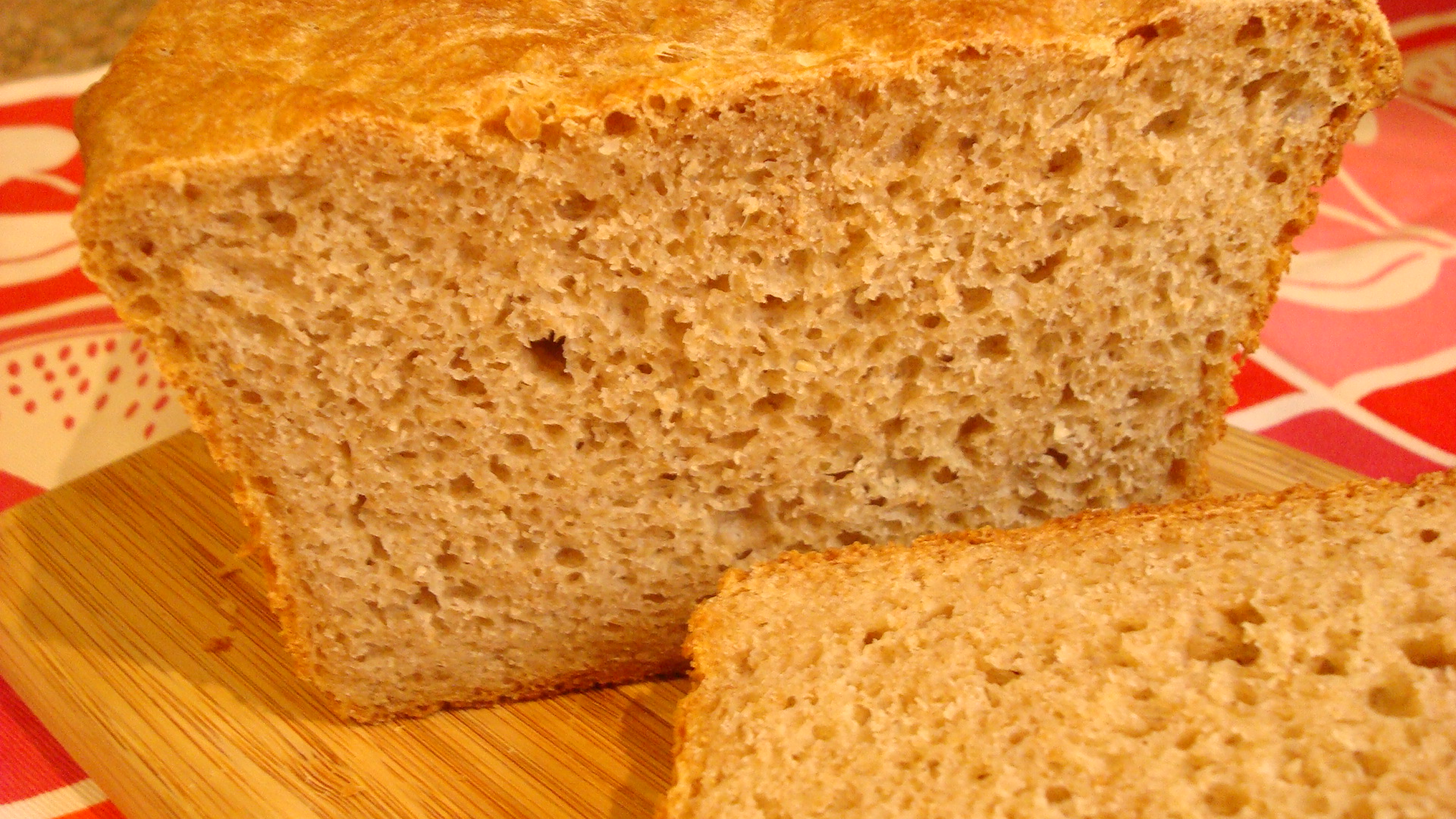
Jordan is not known for its loaves of bread; pita bread, sure, but loaves of fresh, whole wheat bread, NOWHERE TO BE FOUND. I started experimenting with baking fresh loaves a few months ago after I gave up on trying to locate everyday bread. I can buy beautiful French loaves at Paul’s in Abdoun, but their loaves are expensive and last for a day or two before going stale. (Raj LOVES this bread and ensures that I’m baking it about twice a week, making sure we have fresh bread for his weekend breakfast.)

Here’s the recipe that I’ve perfected through trial and error. It only takes a few minutes to prepare, requires about six hours of sitting on the counter to ‘bloom,’ requires another hour of rising in a loaf pan, and then one more hour in the oven and you’ve got yourself a fresh loaf of heaven.

Make 1 loaf

  • 2 cups white flour
  • 2 cups whole wheat flour
  • 2 cups ice water, plus 1 tbl water
  • 4 tbl sugar
  • 3/4 tsp. yeast
  • 1 3/4 tsp salt
  • 3 tbl canola oil (or whatever oil you have, I’ve used vegetable oil and corn oil)
  • baking spray for the tin and bowl

1. Combine all of the ingredients in a bowl. Mix and fold all of the ingredients, making sure that all of the flour at the bottom of the bowl is blended. The consistency of the dough is very wet and sticky, no need to fuss over it. Spray the top of the dough with cooking spray. Cover the bowl with plastic wrap and leave on the counter for at least 6 hours or overnight. (I’ve accidentally left it out for more than 18 hours and it still turned out great).

2. After about 6 hours, the dough will be a little bubbly and will have risen close to the bowls upper edge. Spray a rubber scraper with cooking spray, fold the dough in towards the center to release it from the bowl’s edges and scrape the dough into a prepared (with cooking spray) loaf pan. Spray the top of the loaf with cooking spray, cover with plastic wrap, and let rise for about an hour, or until the dough rises over the top of the edge of the loaf pan.

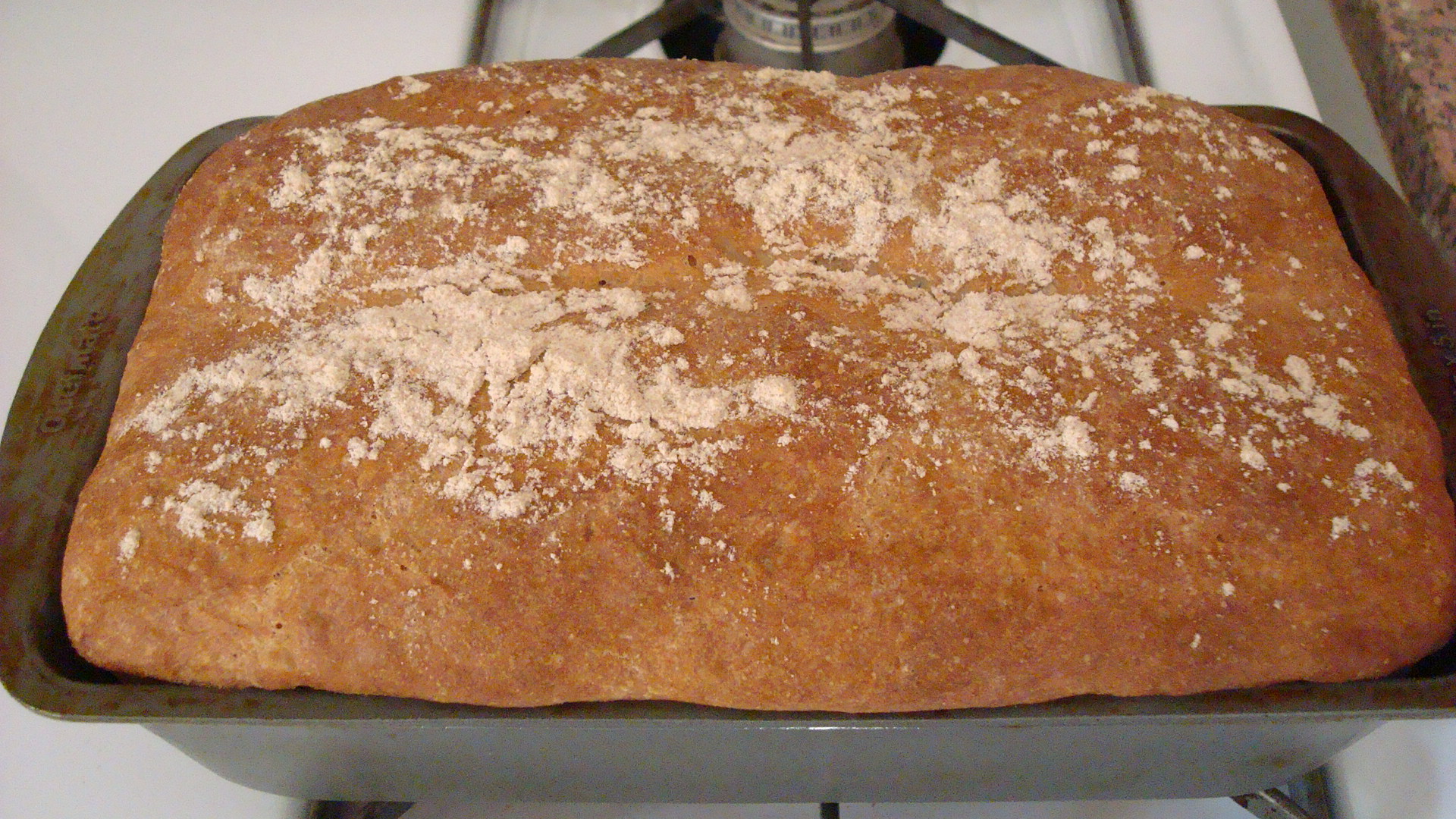
3. Remove the plastic wrap from the risen loaf, preheat the over to 350 degrees for about 15 minutes. With a serrated knife, slash a line down the center of the bread; sprinkle with the top of the loaf with about 1 tablespoon of whole wheat flour. Place the loaf in the oven and bake for approximately 60 minutes until the loaf is golden brown and sounds hollow when you tap it.

4. Allow the loaf to cool for about 10 minutes before removing the loaf pan.

Easy Mexican Egg and Cheese Souffle for Cinco de Mayo


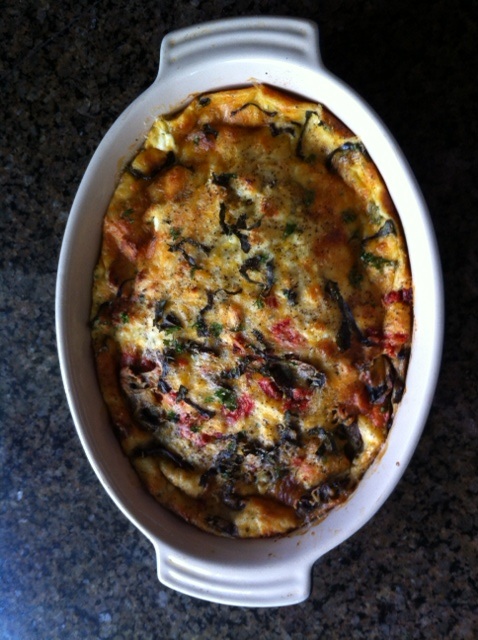
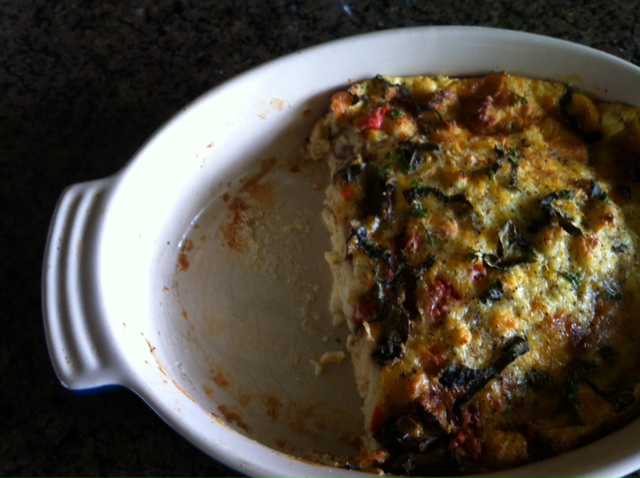
Just in time for our Middle Eastern celebration of Cinco de Mayo, this recipe is based on Rick Bayless’s “Egg and Cheese Souffle” from Rick and Lanie’s Excellent Cooking Adventures.

I halved the recipe, therefore it can easily be doubled. I also added things to the original recipe.

Ingredients:

  • 3 large egg
  • 1 t dry mustard and a small dollop of Dijon mustard
  • 1/2 t salt
  • 2 c milk ( I always use nonfat successfully)
  • 6 slices cakey white bread (I have used all kinds of bread to the same degree of success)
  • 1 cup of shredded cheese, your favorite
  • small handful of crumbled feta cheese
  • additional ingredients you like such as a handful of sliced cremini mushrooms, and/or sliced roasted red bell peppers, and/ or chopped ham and/or fresh spinach (for this one today I went peppers and mushrooms)

Preheat oven to 325 degrees. Cut the crusts off of the bread. Cut each slice into 16 cubes. Throw the bread cubes and cheese in a large bowl. Mix everything else in a smaller bowl and combine with the bread cubes. Grease an 8 by 8 casserole and place the custard in it. Top with a sprinkling of cheese and chopped fresh herbs. Bake about 45-50 minutes until strata is puffed and golden.

Let stand about 5 minutes and serve.

This is a great recipe for breakfast, lunch, dinner or brunch.

Serves about 4 people.

Chicago-Style Pan Pizza


Chicago-Style Pan Pizza

[Makes two, 9 inch pizzas or 5-6 small personal pan pizzas]

Dough

  • 2 T olive oil, plus extra for greasing the pans
  • 3/4 c plus 2 T skim milk heated to 110 degrees
  • 2 t sugar
  • 2 1/3 c all-purpose flour, plus extra for the work surface
  • 1 envelope rapid-rise or instant yeast
  • 1/2 t salt
  • 1 1/3 spaghetti or pizza sauce, your favorite
  • 3 c shredded part-skim mozzarella cheese

1. To make the dough: Adjust an oven rack to the lowest position and heat the oven to 200 degrees. When the oven reaches 200 degrees, turn it off. Lightly grease a large bowl with vegetable oil spray. Coat each of two 9-inch cake pans generously with oil. (I used 5 small cake pans that I have that are the perfect size for a personal pan pizza).

2. Mix the milk, sugar, and 2 T oil in a measuring oil in a measuring cup.

3. If using a standing mixer: Mix the flour, yeast, and salt in a standing mixer fitted with a dough hook. Turn the machine to low and slowly add the milk mixture. After the dough comes together, increase the speed to medium-low and mix until the dough is shiny and smooth, about 5 minutes.

4. If mixing by hand: Mix the flour, yeast, and salt together in a large bowl. Make a well in the flour, then pour the milk mixture into the well. Using a wooden spoon, stir until the dough becomes shaggy and difficult to stir. Turn out onto a heavily floured work surface and knead, incorporating any shaggy scraps. Knead until the dough is smooth, about 10 minutes.

5. Turn the dough onto a lightly floured work surface, gently shape into a ball, and place in the warm oven until doubled in size, about 30 minutes.

6. To shape and top the dough: Transfer the dough to a lightly floured work surface, divide in half ( or fifths if you are making smaller pizzas, and lightly roll each half into a ball. Press the dough into a 91/2 round inside the oiled cake pan if making 2 pizzas. Cover with plastic wrap and set in a warm spot (not in the oven) until puffy and slightly risen, about 20 minutes. Meanwhile, heat the oven to 400 degrees.

7. Remove the plastic wrap from the dough. Ladle about 2/3 c of the sauce on each round, leaving a 1/2 inch border around the edges. Sprinkle each with about 1 1/2 c of cheese. Bake until the cheese is melted, about 20 minutes. Remove from the oven; let the pizzas rest in the pans for 1 minute. Using a spatula, transfer the pizzas to a cutting board and cut each into 8 wedges. Serve.

Cinnamon Swirl Bread


Cinnamon Swirl Bread

[Makes one 9-inch loaf]

  • 1/2 c granulated sugar
  • 1/4 c packed light brown sugar
  • 4 t ground cinnamon
  • 1 1/4 c warm whole milk (110 degrees) [I used nonfat milk]
  • 3 T unsalted butter, melted and cooled, plus extra for brushing
  • 2 large egg yolks
  • 4 c all-purpose flour
  • 1 envelope (2 1/2 t) rapid-rise or instant yeast
  • 1 1/2 t salt

1. Mix the sugars and cinnamon together in a small bowl. Measure out 2 T and reserve for the topping. Whisk the milk, melted butter, and egg yolks together in a large liquid measuring cup.

2. Combine 3 1/2 c flour, the yeast, salt and 1/4 c of the sugar mixture in the bowl of a standing mixer fitted with the dough hook. With the mixer on low-speed, add the milk mixture until the dough comes together, about 2 minutes.

3. Increase the speed to medium-low and knead until the dough is smooth and elastic, about 8 minutes. If, after 4 minutes, more flour is needed, add the remaining 1/2 c flour, 2 T at a time, until the dough clears the sides of the bowl but sticks to the bottom.

4. Turn dough out onto a lightly floured work surface and knead by hand to form a smooth, round ball. Place the dough in a large, lightly greased bowl and cover with greased plastic wrap. Let rise in a warm place until doubled in size, 1 to 1 1/2 hours.

5. Grease a 9 by 5-inch loaf pan. Turn the dough onto a lightly floured work surface and press into a 20 by 8-inch rectangle with the short side facing you. Spray the dough lightly with water, then sprinkle evenly with the remaining sugar mixture, leaving a 1/2-inch border at the far edge. Lightly spray the sugar mixture with water until it is damp but not wet.

6. Loosen the dough from the work surface using a bench scraper or metal spatula, then roll the dough into a tight cylinder and pinch the seam closed.

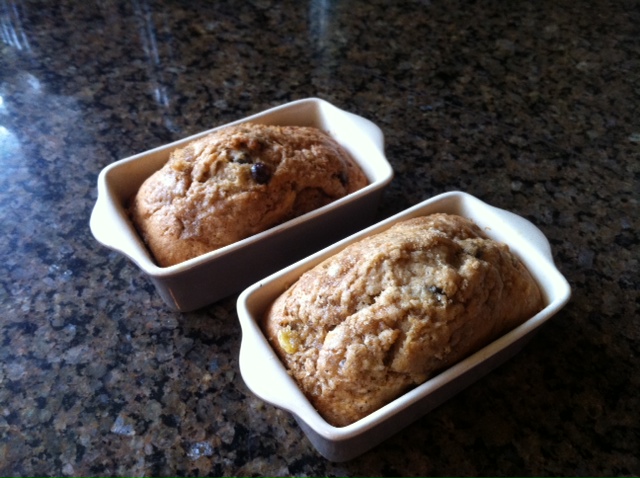
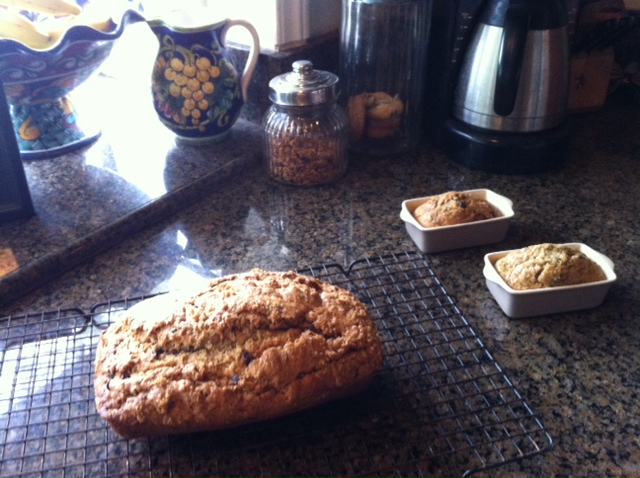
(For some reason my bread roll was so big I cut it in half in the middle and made 2 smaller loaves. I was pretty sure what I had was too big for 1 loaf pan and I didn’t want to risk ruining the recipe and wasting my time and ingredients). Place the loaf, seam side down, in the prepared pan. Coat the loaf with vegetable oil spray, cover loosely with plastic wrap, and let rise in a warm place until nearly doubled in size and the dough barely springs back when poked with a knuckle, 45 to 75 minutes.

7. Adjust an oven rack to the lower-middle position and heat the oven to 350 degrees. Brush the loaf lightly with butter, sprinkle with the reserved sugar mixture, then spray lightly with water. Bake until golden, 40 to 60 minutes, rotating the loaf halfway through baking. Cool the loaf in the pan for 15 minutes, then turn out onto a wire rack and let cool to room temperature, about 2 hours, before serving.

Variation: In step 4, after turning the dough out onto the work surface, knead in 1/2 c raisins by hand until evenly distributed. Proceed as directed.

Brown Sugar Banana Bread


Brown Sugar Banana Bread (from The Back in the Day Cookbook)

[Makes 1 9 inch loaf and two mini loaves]

  • 2 c flour
  • 3/4 c packed light brown sugar
  • 3/4 t soda
  • 1/2 t fine sea salt
  • 1 t ground mace (didn’t have so I used nutmeg)
  • 1/2 t ground cinnamon
  • 1 1/4 c pecans toasted and chopped (I substituted 1/2 c mini chocolate chips)
  • 1 1/2 c well-mashed ripe banana (about 3)
  • 1/4 c sour cream (I used reduced fat)
  • 2 large eggs
  • 6 T melted butter, unsalted
  • 1 t vanilla
  • 2 T dark brown sugar for sprinkling (I only had light)

In a large bowl mix first 7 ingredients. Set aside. In a medium bowl. mix everything left except the extra brown sugar. Gently fold the banana mixture into the flour mixture. Scrape it into a lightly sprayed with Pam 9 by 5 inch loaf pan. I had enough extra batter for 2 mini loaves. Sprinkle the tops with the 2T brown sugar.

Bake at 350 degrees for 45-55 minutes. The mini’s took 25 minutes.

Serve warm or at room temp. Enjoy with a little butter and a cold glass of milk.

Fatwa for Falafel


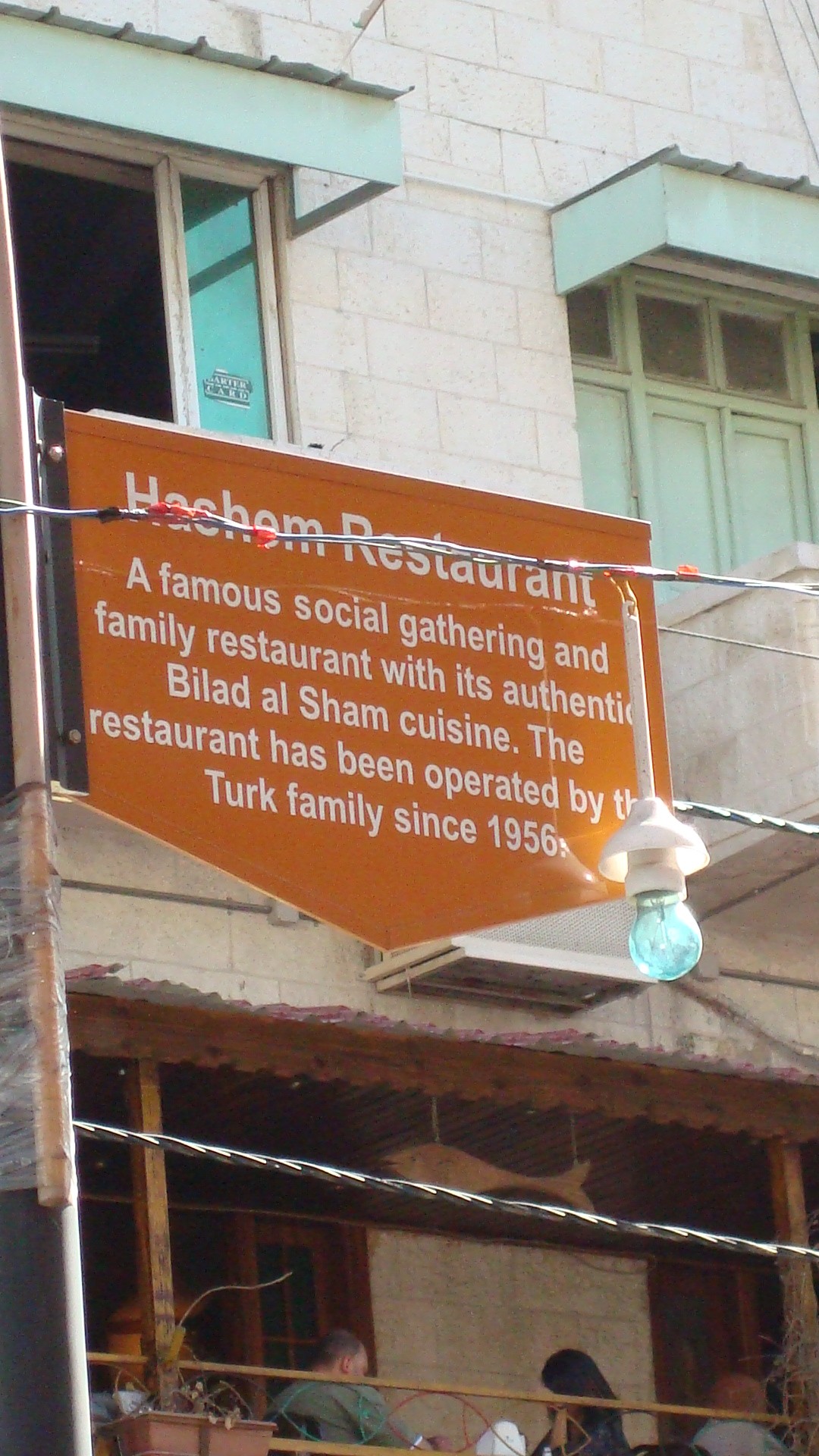
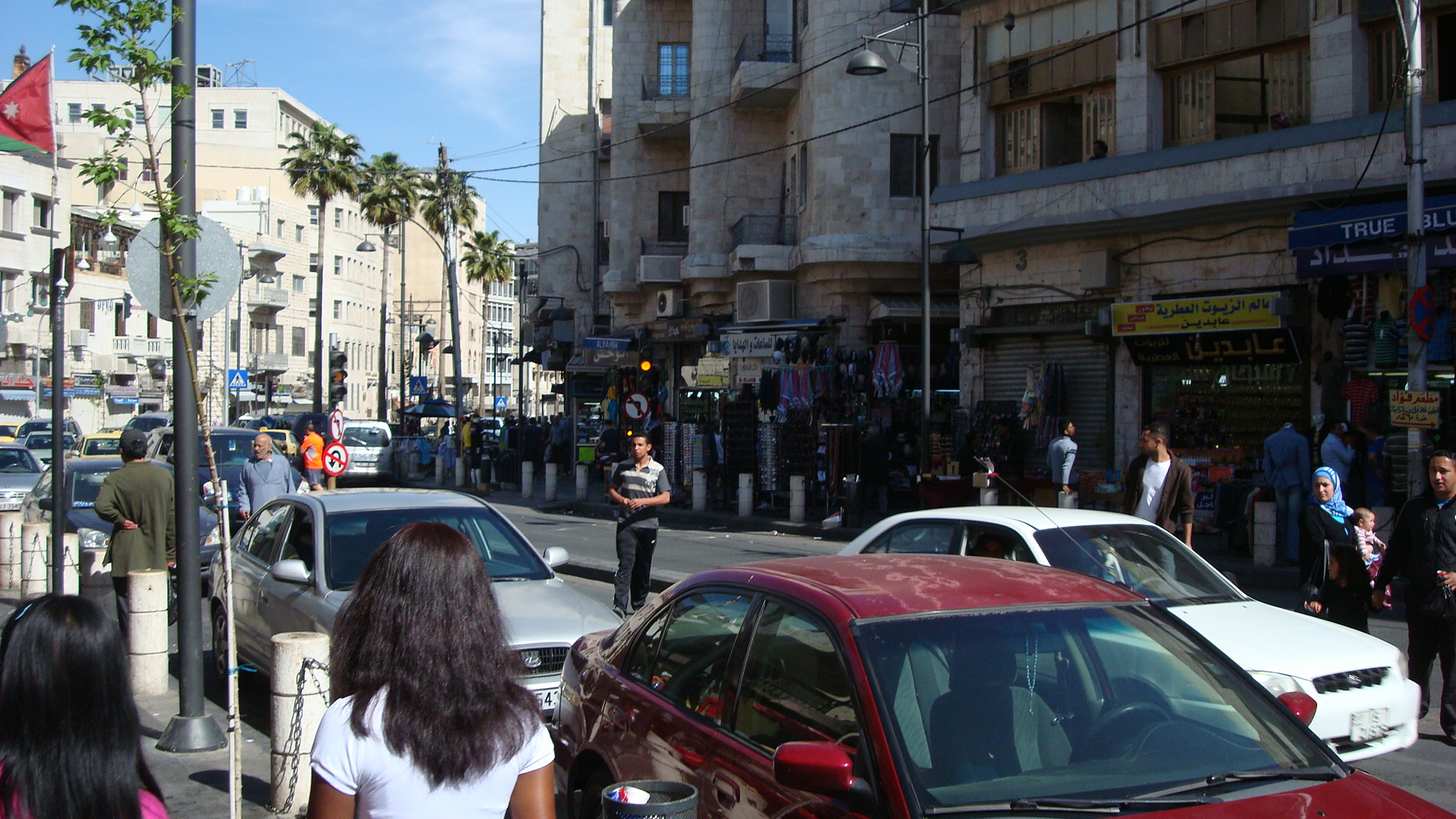
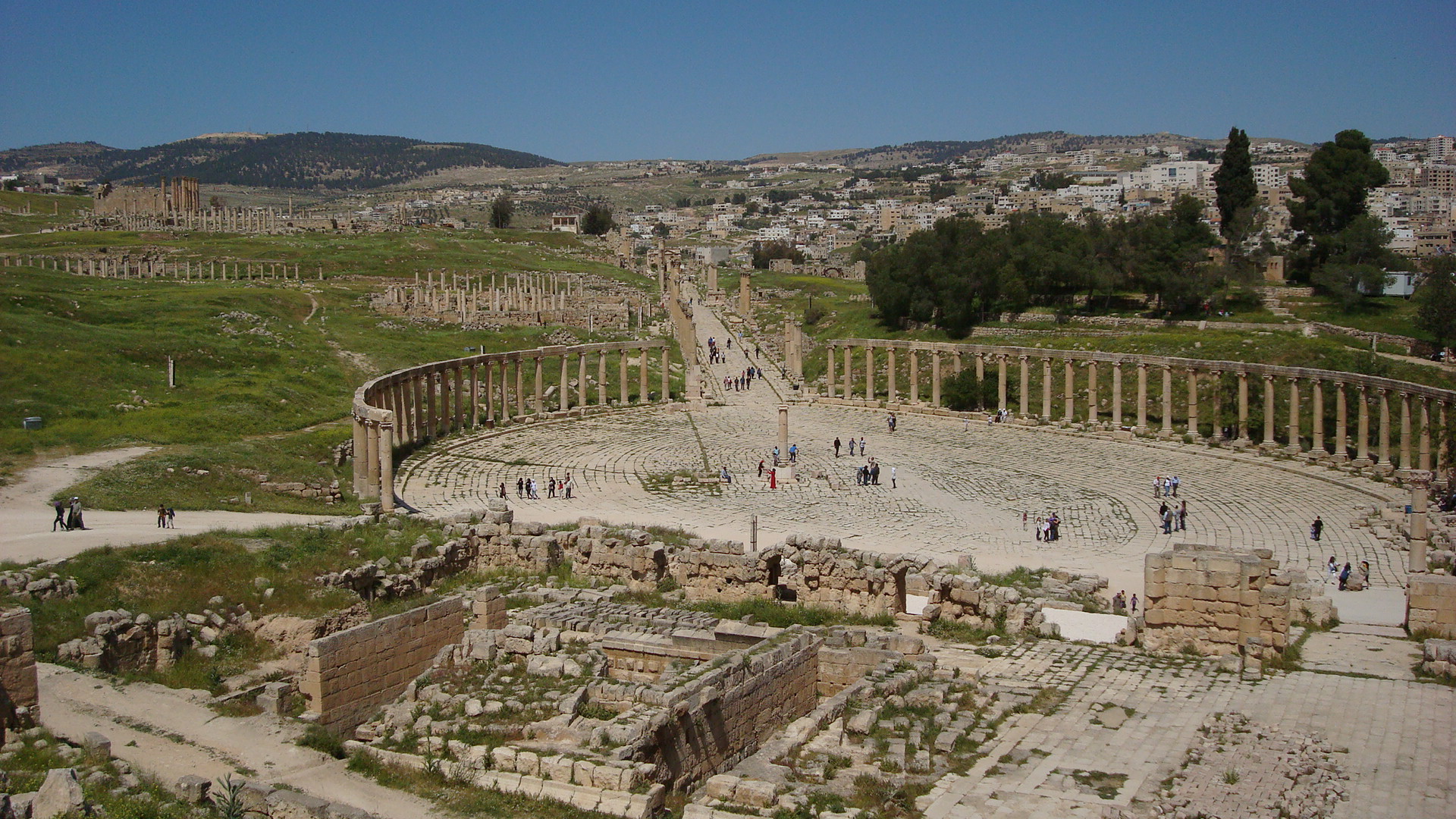
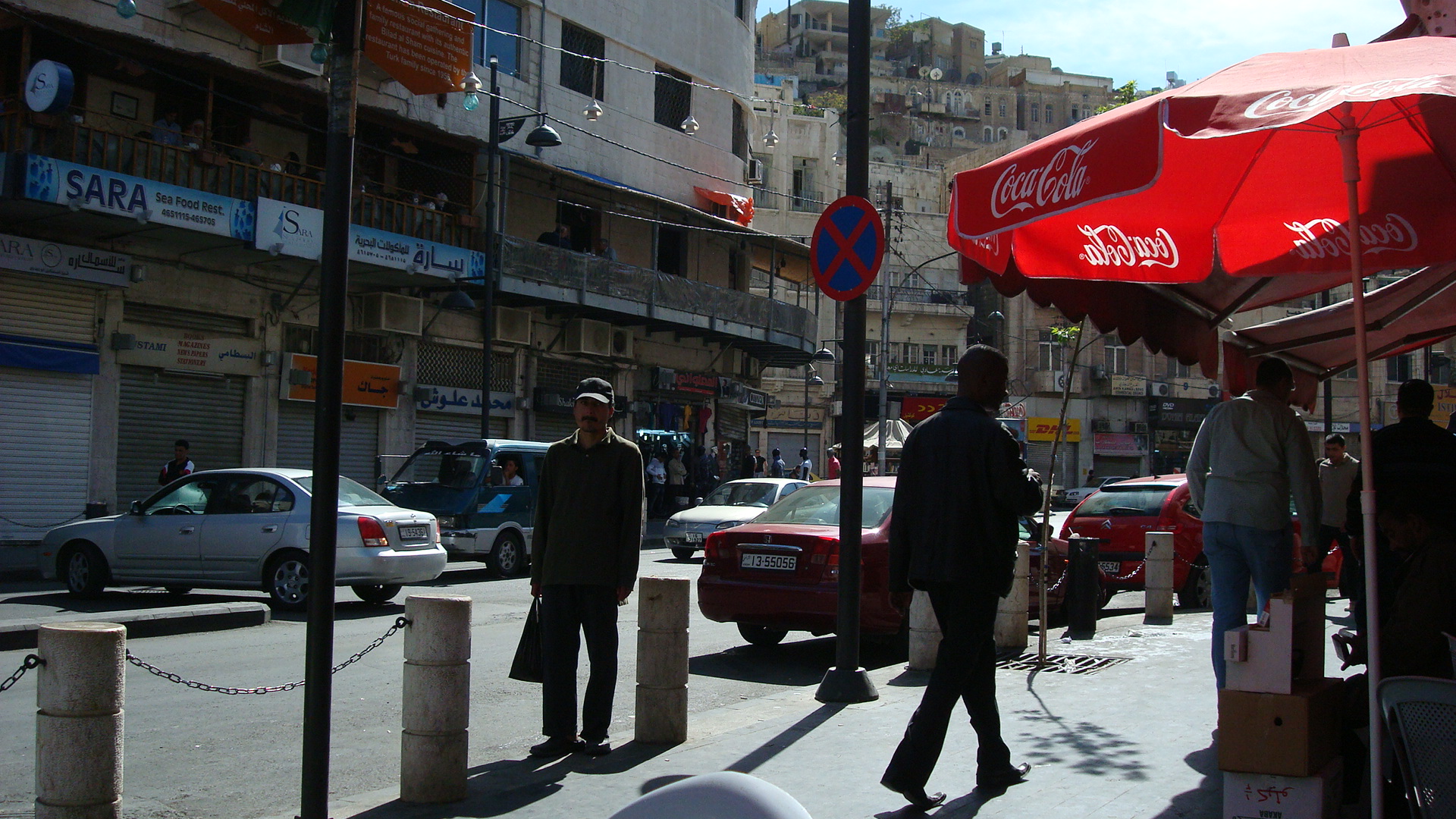
Raj wanted falafel, but not just any falafel–he wanted the best, most highly rated falafel in ALL of the Hashemite Kingdom of Jordan. After a short visit to Jerash (second time around), we headed downtown toward Hashem Restaurant, an institution in Amman since 1956. (Note: downtown is the area near the Citadel (it took us three weekends to find the Citadel), near the flea markets ON the street–a particularly frustrating and confusing place to drive; not a smart move given the fact that Raj was already hungry (Remember, Raj gets ‘hangry’ (hungry plus angry) when his blood sugar levels dip and I didn’t have any ‘snack packs’ to tide him over–a particularly vulnerable position to be in).

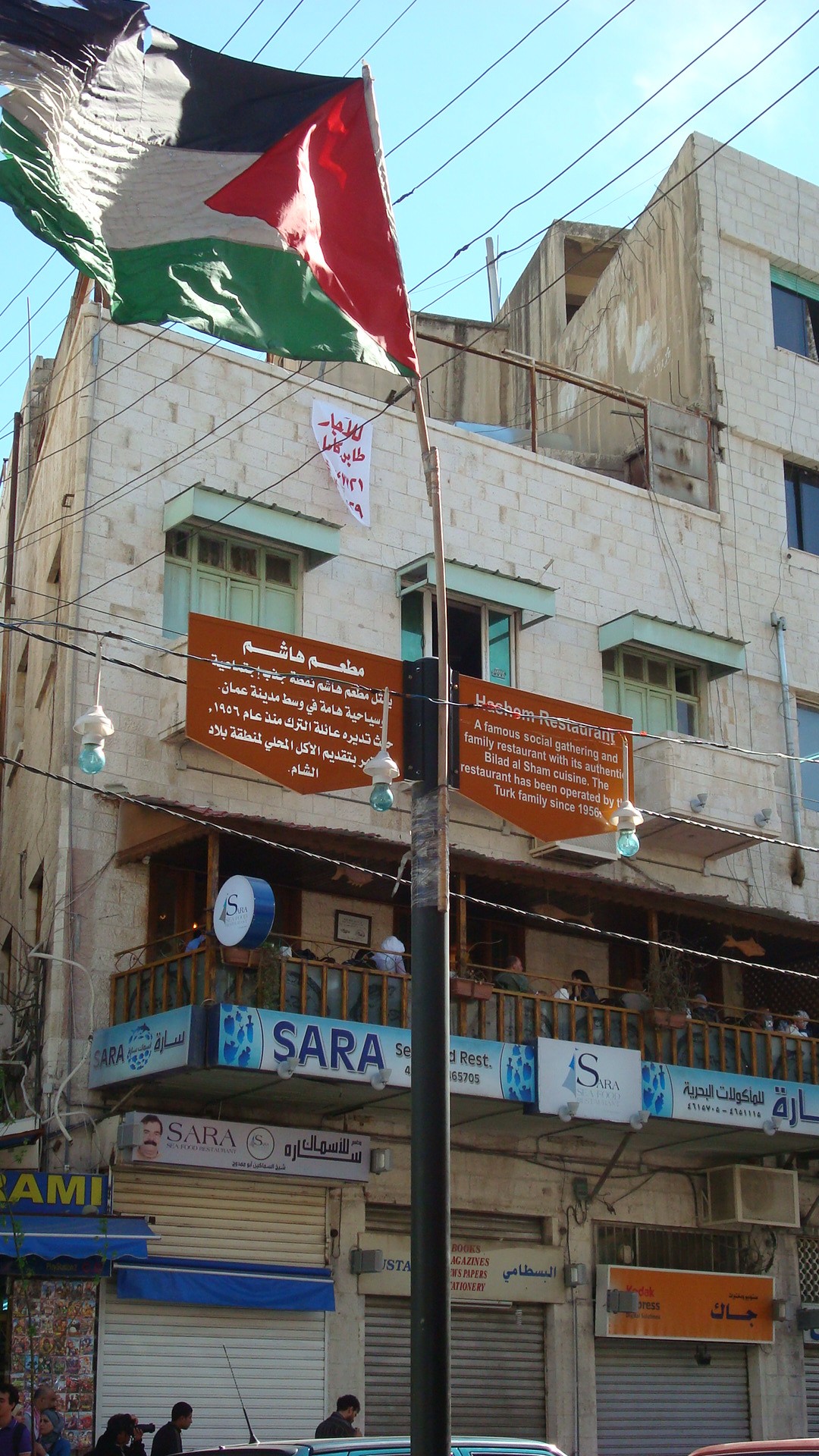
Invariably, we had difficulty locating the elusive Hashem’s. I was getting worried because at this point I was hungry, imagining how Raj had to be starving. We drove around searching for about thirty minutes–at this point I was ready to give up and go ANYWHERE…but Raj was undeterred. Lucky for us, Raj’s friend who accompanied us is an Arabic speaker and he helped us out tremendously along the route asking passers-by for directions. Eventually we found it, no small feat since the signs for Hashem are in Arabic (except for the one above which faces away from the street).

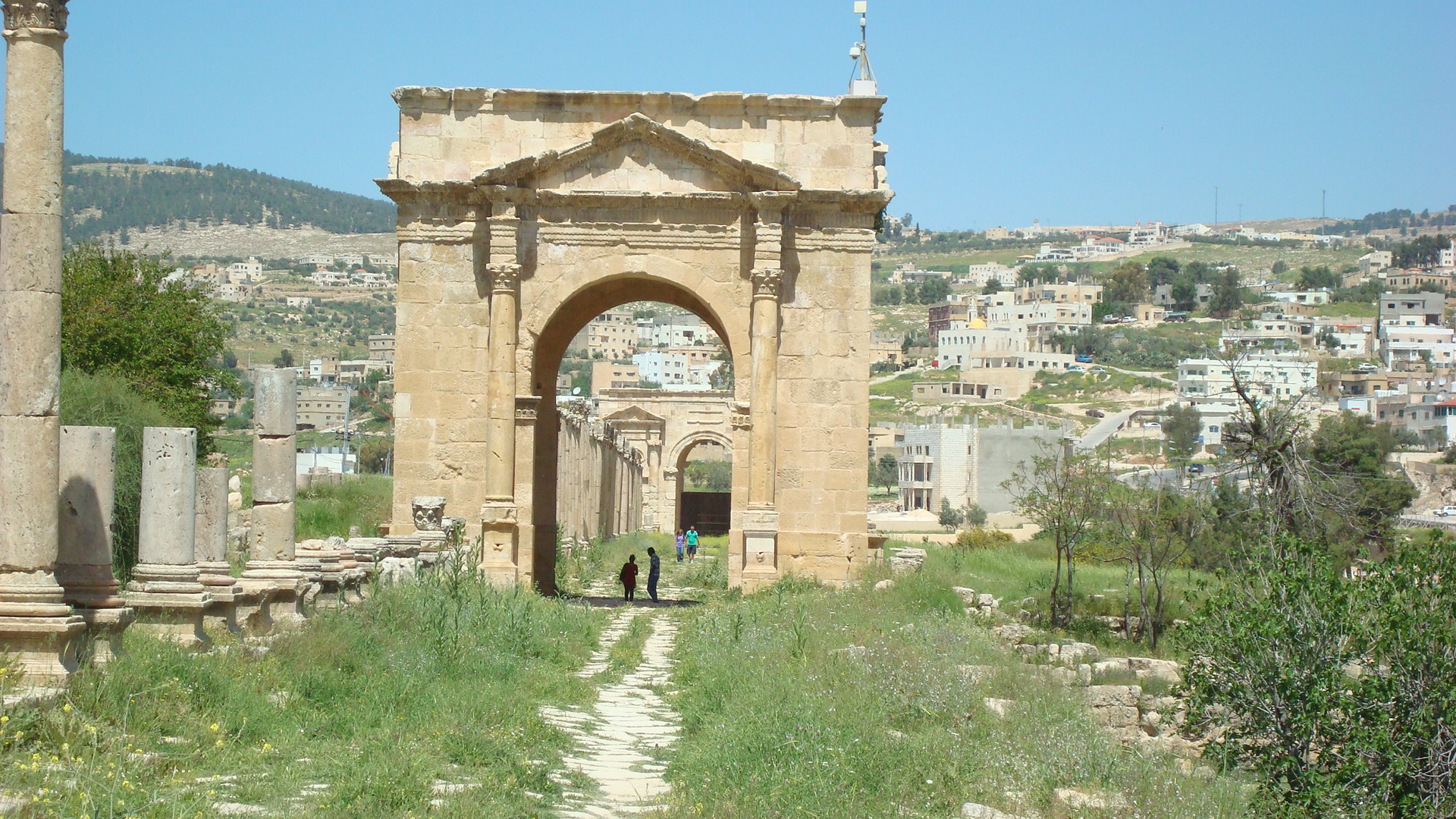
Quick day trip to the Roman ruins at Jerash
Nubian goats at Jerash (they have "Roman' noses, seriously)

The restaurant is outside in a little alley way along a busy street. It’s certainly not fancy, perhaps a little dingy (euphemism for dirty), but very busy and FULL of Westerners. If you’re persnickety, RUN (or bring along lots of hand sanitizer and wipes to quell the neatniks you may be traveling with–I forgot mine and admit I was bothered). There are no plates here (probably a good thing), just thin paper used in place of plates. You may be surprised that I ate here with my history of ‘street-food’ syndrome, but what was I supposed to do? We were ALL starving!

View from Hashem's

I’m not sure what we ordered (our friend ordered for us), but it seems that everyone around us got the same thing: a basket of small meatball sized falafel, another basket of larger falafel covered in sesame seeds, a handful of steaming hot pita bread, tomatoes and onions, tea with mint, hummus, and fuul (fava-bean paste).

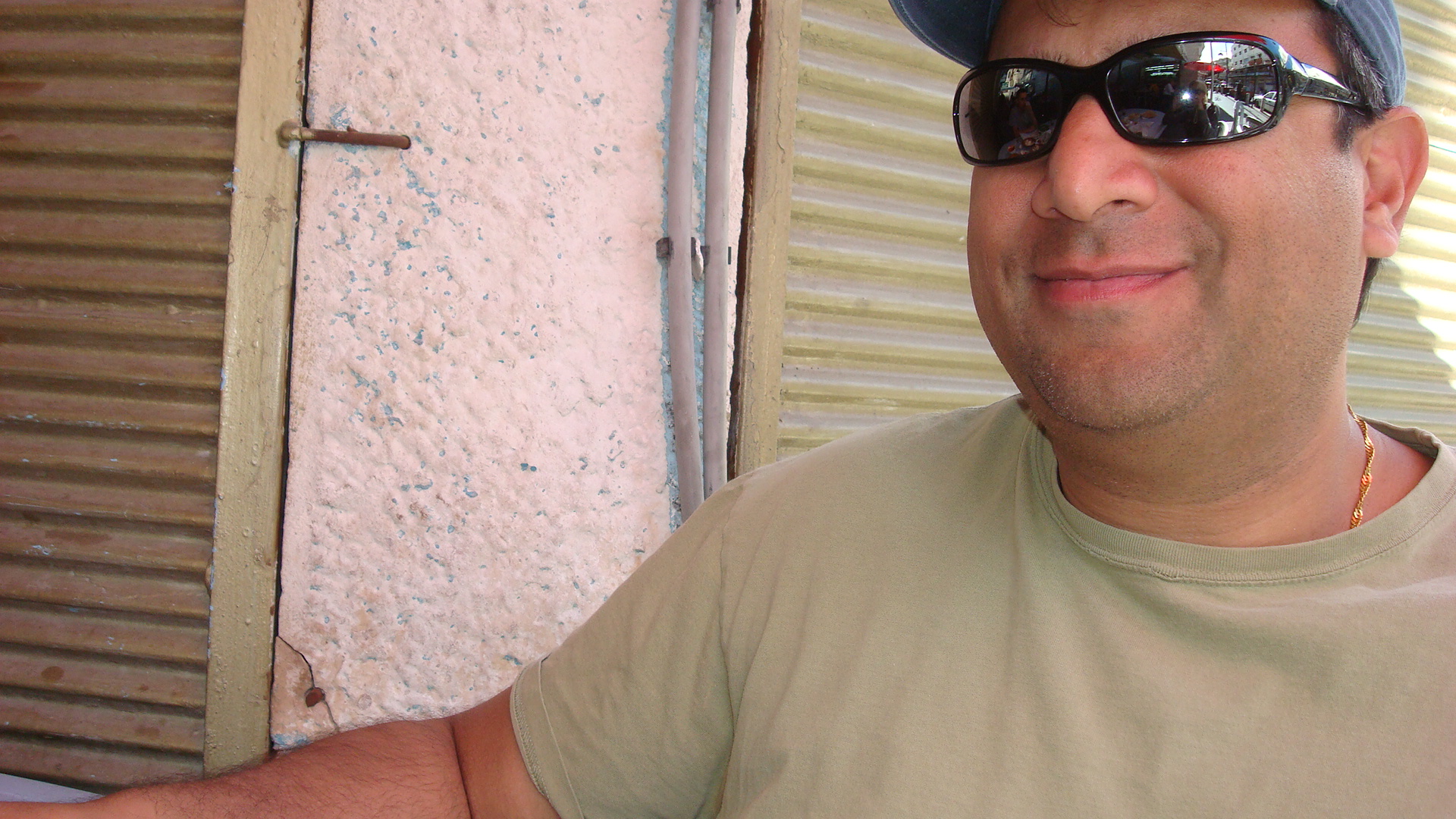
The verdict? It was all very good AND for three of us it cost only $6 JD’s. (Imagine how happy that made Raj, see below?) Best of all, no one got sick and I’ve agreed that we need to go back (although this time I’ll come equipped with hand sanitizer and maybe some wipes for the table top and chairs).