I love Aqaba! If I had it my way, we’d be living happily ever after (at least until we leave and return to DC) in Aqaba. Aqaba is about a three-hour drive south of Amman, but it feels like a world of difference. Perhaps the Red Sea is what makes it so spectacular, or maybe the ocean relieves the monotony of the vistas, unlike in Amman where I experience sensory deprivation from the lack of color in this monochromatic landscape.
The Kempinski
We were in Aqaba for just two nights. We didn’t really even do much other than eat, work out, and lay out. It wasn’t very warm, only about 65 degrees (F), but with the sun and the view, it felt heavenly as a relief from the crummy and cold weather in Amman. I cannot wait to return in just a few weeks for another two nights!
Finding things to do and places to visit in Jordan on the weekends is becoming more and more tedious as we knock things off the list. We’ve already hit the major tourist sites, scoured the guide-book, and are now left to our own devices and suggestions from others for things to do. Luckily for us, a tour of an olive oil plant was offered so we took advantage of the opportunity. (In case you didn’t know (I didn’t), Jordan is known for its olive oil. Olive trees are everywhere here and are the known as the oldest trees in the world. We often see people collecting olives from the trees in the neighborhoods).
Had we not been part of a caravan to the factory, we would have passed it by, as we’ve already done on numerous occasions. The exterior of the factory is unassuming, like most buildings here, but once we entered, I was surprised to see such a large operation. We went on a brief tour of the factory, sampled a couple different types of olive oil, grabbed a snack, and then bought a few things in the gift shop.
[FYI: The name of the factory is Terra Rossa, or ‘Red Soil,’ named for the indigenous type of red clay soil produced by the weathering of limestone. Compared to most clay soils, terra rossa has good drainage characteristics making it a popular soil type for olive and wine production. The main types of olives used for the production of olive oil in Jordan are Nabali, Improved Nabali, Souri, and Roman.]
The process for olive milling (or pressing) is as follows:
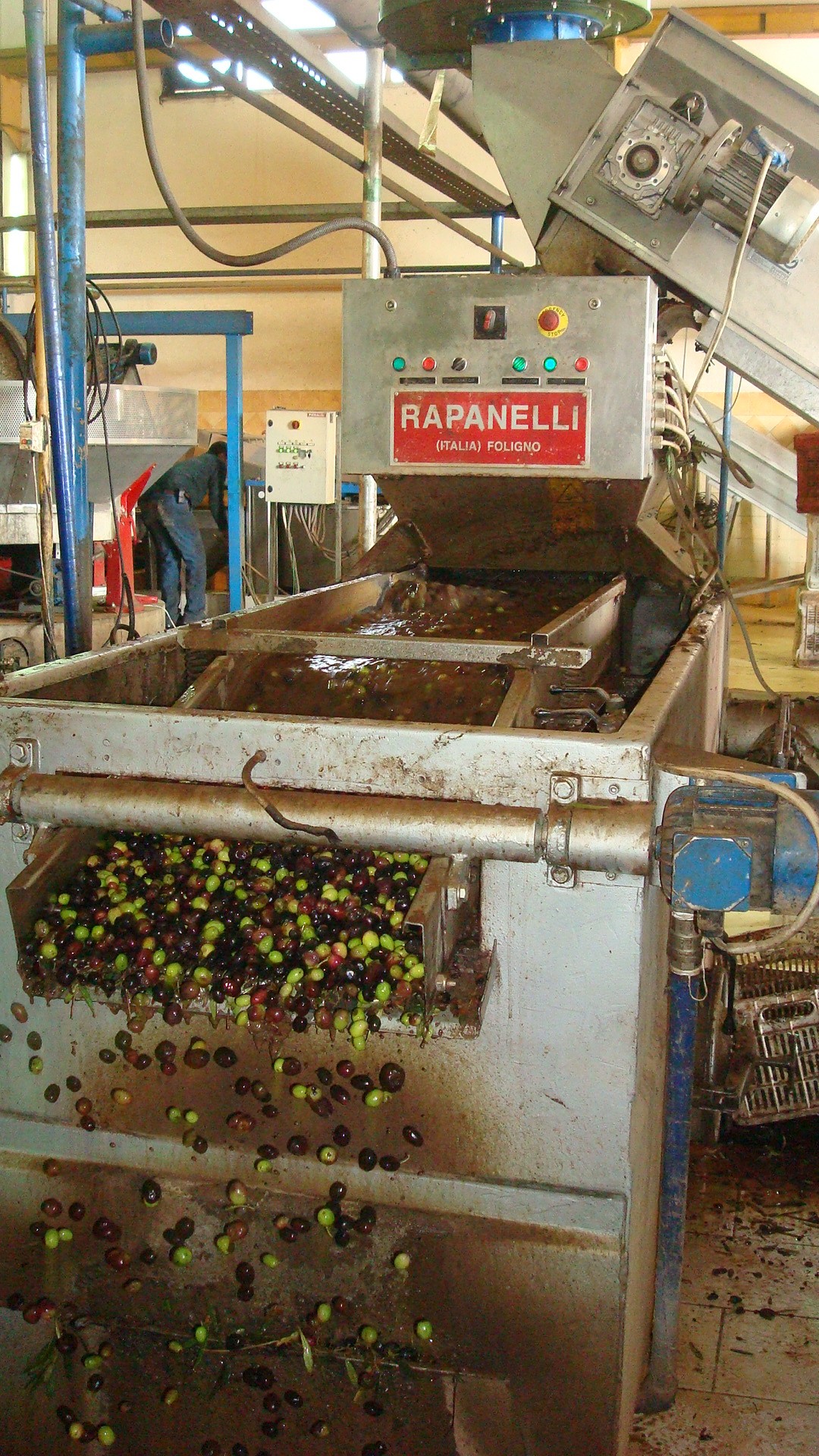
Olives being fed into the machine to be washedOlives moving up into the machine to be washedWashing the olives
1. Washing: The first step is to clean the olives, removing stems, leaves, twigs, and other debris left with the olives.
Grinding the olives with a millstone
2. Crushing: The olives are ground into a paste with a millstone to tear the flesh cells of the olive to facilitate the release of the oil from the olives.
Malaxing the paste
3. Malaxing: Mixing the crushed olive paste.
Separating the oil from the vegetable water and solid
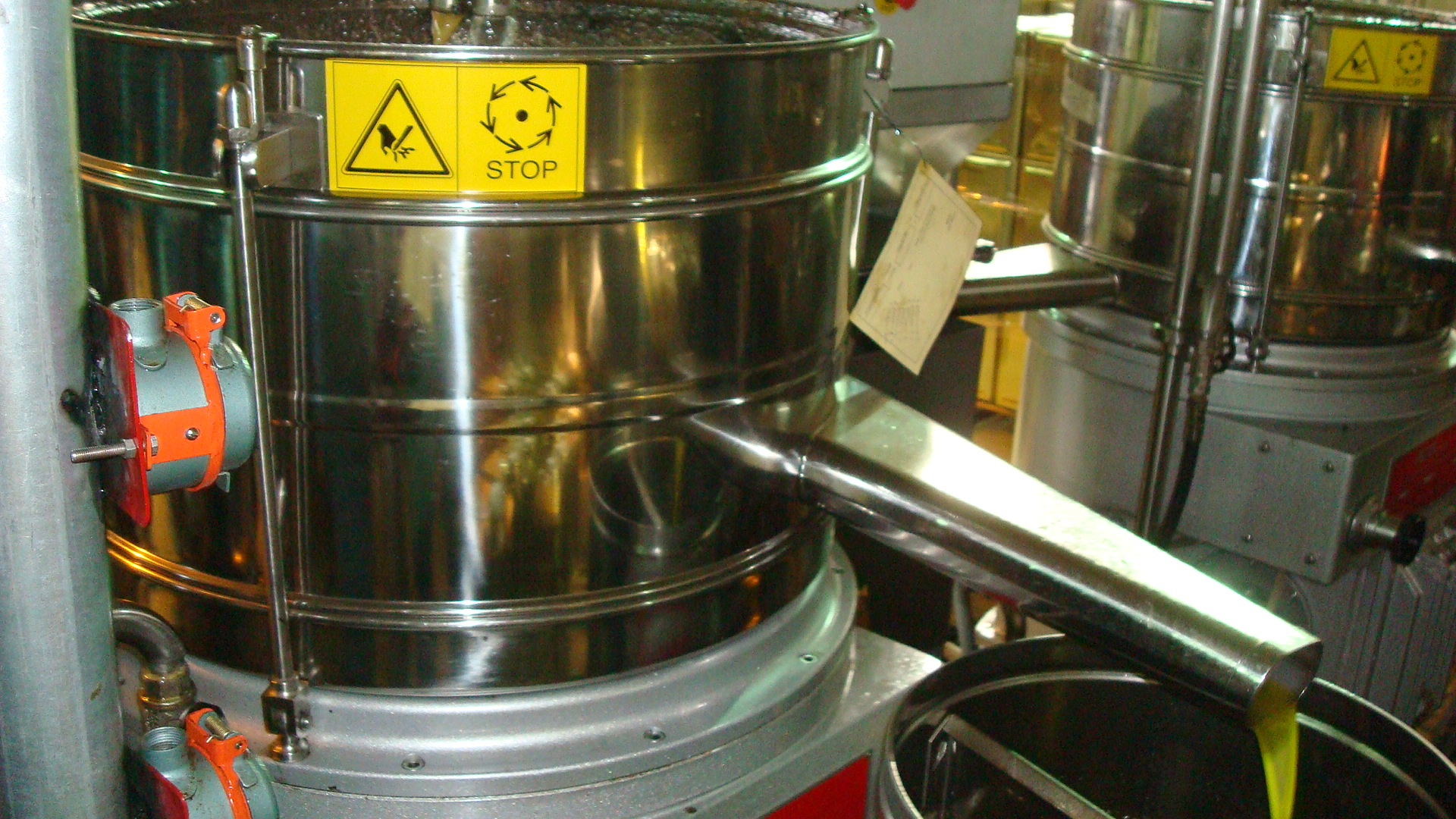
4. Separation of oil from vegetable water and solid (done through centrifugation)
Huge canisters of olive oil ready for deliveryOlive pomace, the waste product of the industry (but it can be used for cooking if and heating if it's made into briquette logs.)In front of an old millstone
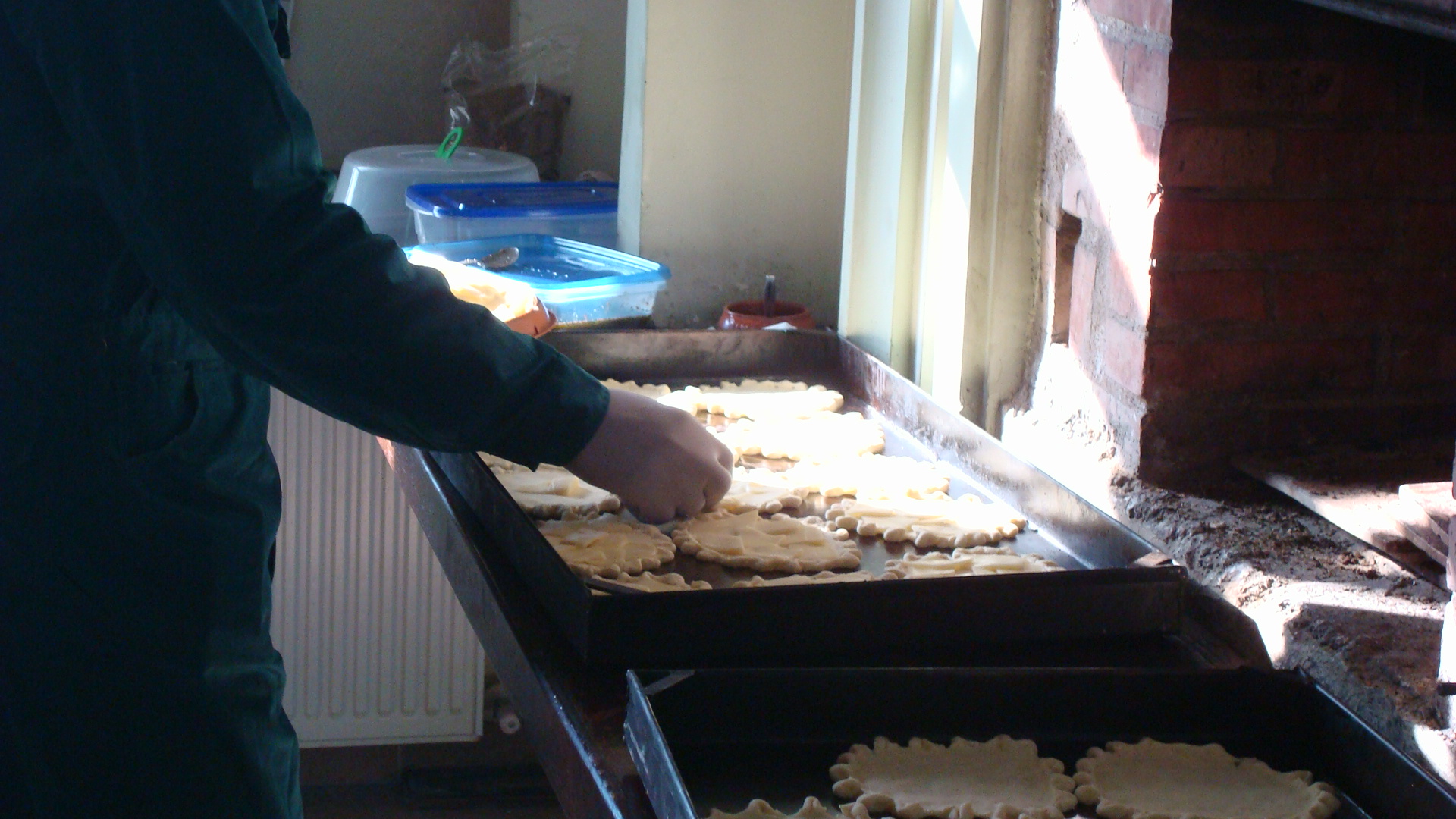
After the tour we tasted a couple of olive oil samples and then were treated to manaeesh (dough topped with za’atar (thyme with sesame seeds and olive oil) or cheese), which were cooked over an open fire of olive pomace logs.
Preparing manaeesh
After our snack and tea, we made it to the gift shop to purchase a few bottles of sinolea olive oil and a couple of terra-cotta serving bowls to accompany the oil. I haven’t tried cooking with this gold standard of olive oil (and we’ll have to keep it in the food safe with our honey from Yemen), but I’ll let you know if I can detect any difference and if it’s worth it. 🙂
Store shelves lined in oilsThe purchases...
[FYI: Sinolea is a method used to extract oil from the olives. Extra virgin olive oil extracted from this method is said to be the “flower of the oil” as there is minimal interference in the extraction of the oil because no heat is applied. In this method of extraction, polyphenols (the good for you stuff in EVOO) are concentrated 3X more than in regular EVOO.]
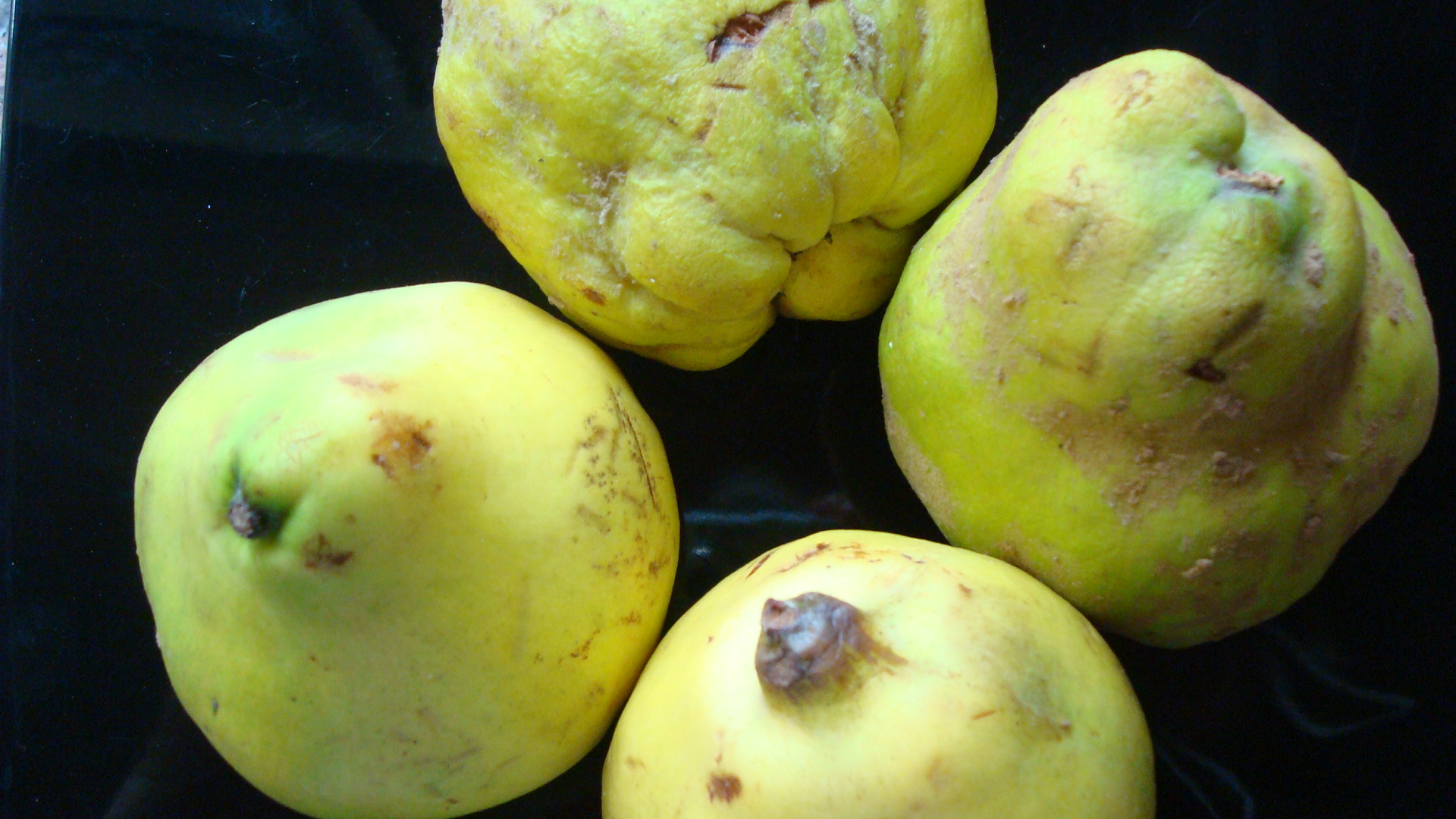
While scouring grocery stores last week in search of pumpkin puree and figs (to make jam, but I’m too late; they’re gone), I came across quinces. Had these quinces not been labeled, I would have walked right past them, as I’m oft to do with some of the other exotic and puzzling produce that I come across. My only familiarity to quince is from membrillo, or quince paste, which often accompanies cheese boards. I love membrillo and have bought it from gourmet grocery stores, but it’s extremely expensive for a small container. I had no idea how to make quince paste from these large, lumpy, and furry massive fruits, but figured I’d find a recipe online.
I bought four quinces, figuring that would be enough to make something and headed home to my computer. I found hundreds of recipes, all slightly different. Some called for peeling, then poaching the fruit, while others recommended roasting it. From what I read, the fruit is quite worthless unless you cook it first. I opted for the roasting method, hoping to avoid the peeling step, and modified a recipe from Gourmet (January, 1998).
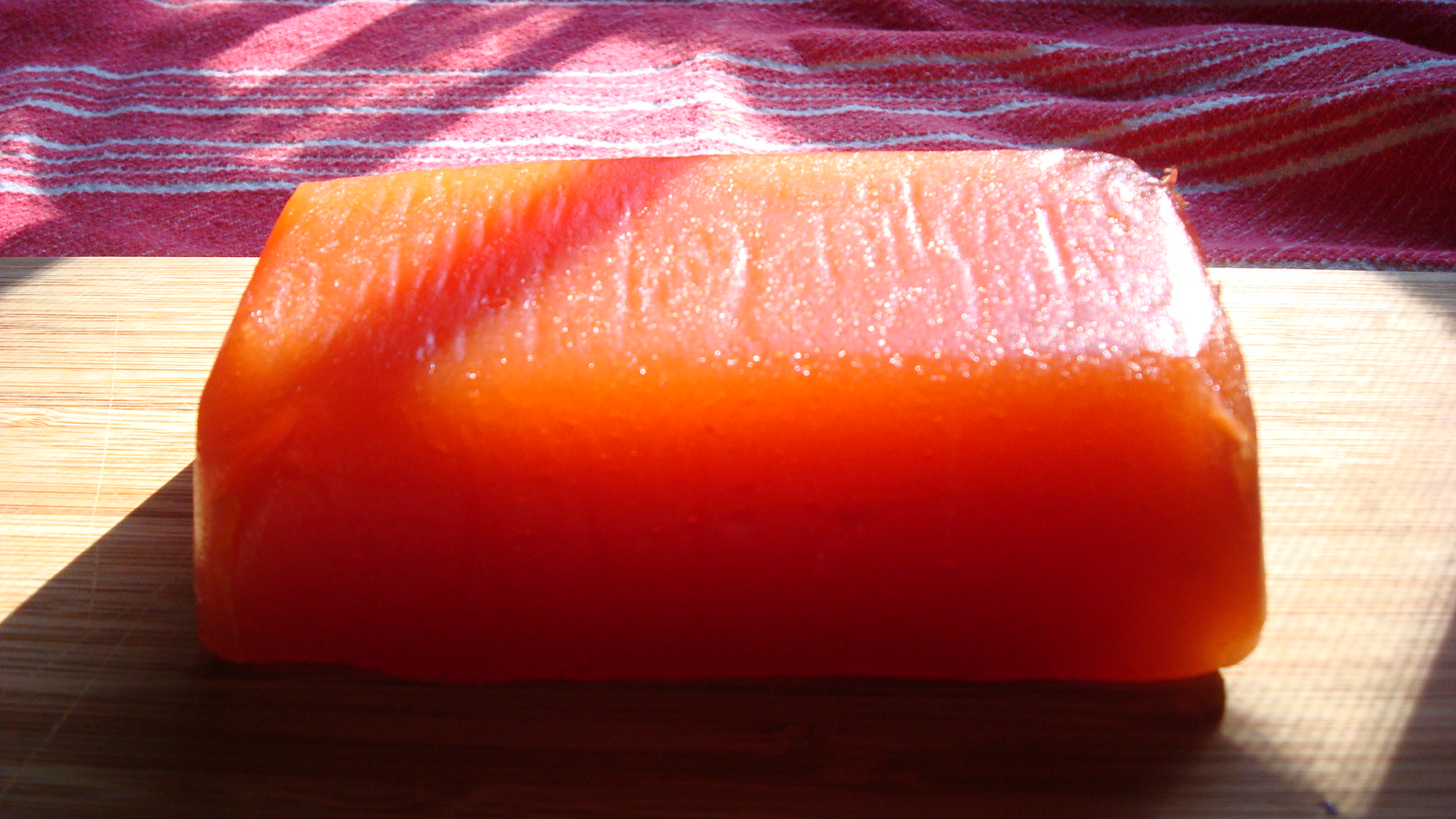
My only alteration to the recipe below is that in step six, you wait until the liquid has turned a deep reddish hue. My quince paste is a little on the pinkish side as opposed to the deep, dark red that it should be. Regardless of the color, it tastes fantastic and was a hit at our Thanksgiving.
In addition to finding lots of recipes, I also found the history of quinces interesting. Here’s a snippet of quince trivia, which might come in hand if you’re ever playing the game Foodie Fight.
4 medium quinces (about 2 pounds total)
1/4 to 1/2 cup water
2 to 3 cups sugar
DIRECTIONS
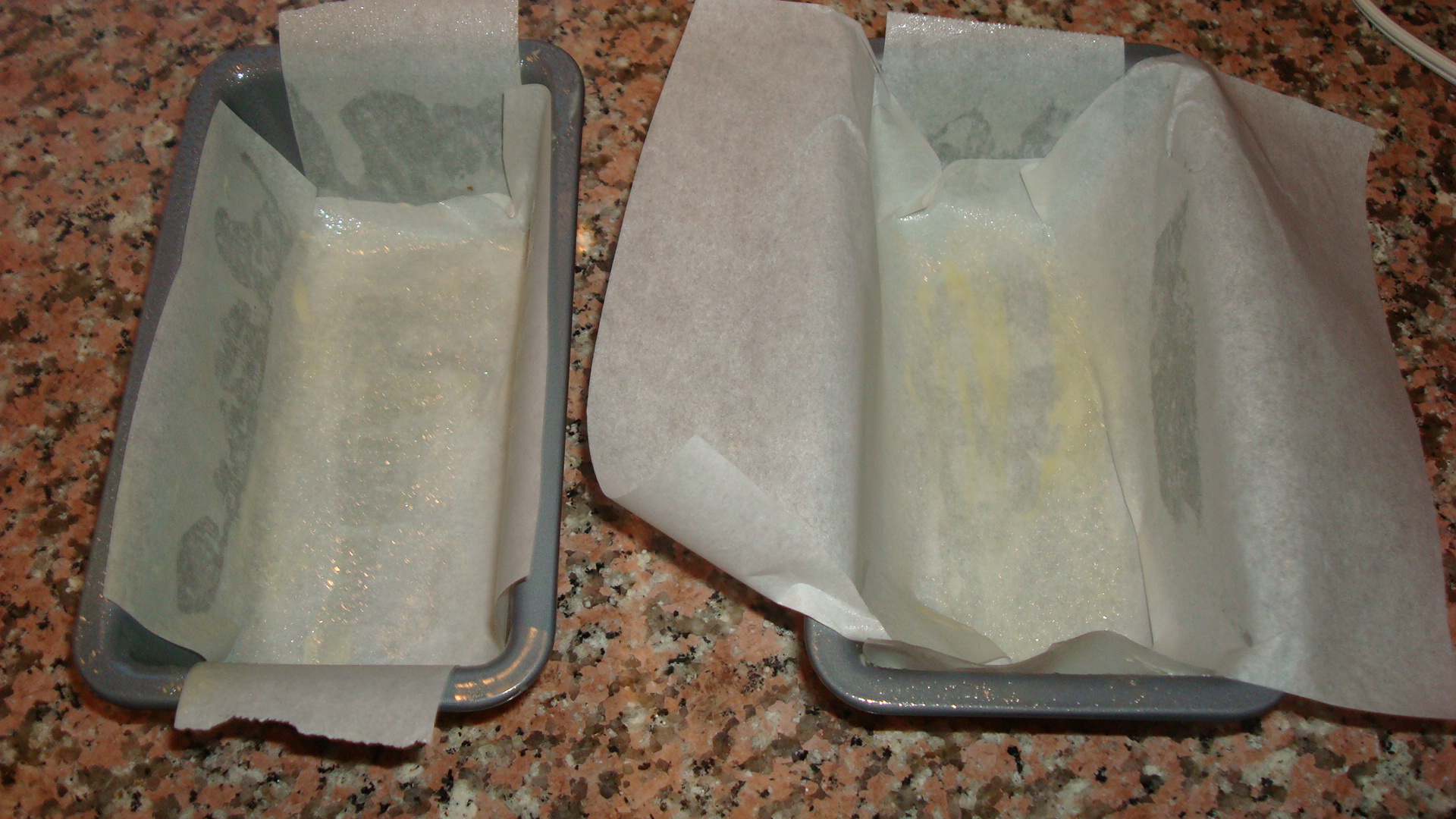
1. Preheat oven to 350°F and lightly oil a 1-quart terrine and line with buttered parchment. (I used a mini loaf pan instead.)
Mini loaf as a terrine (I only needed one)
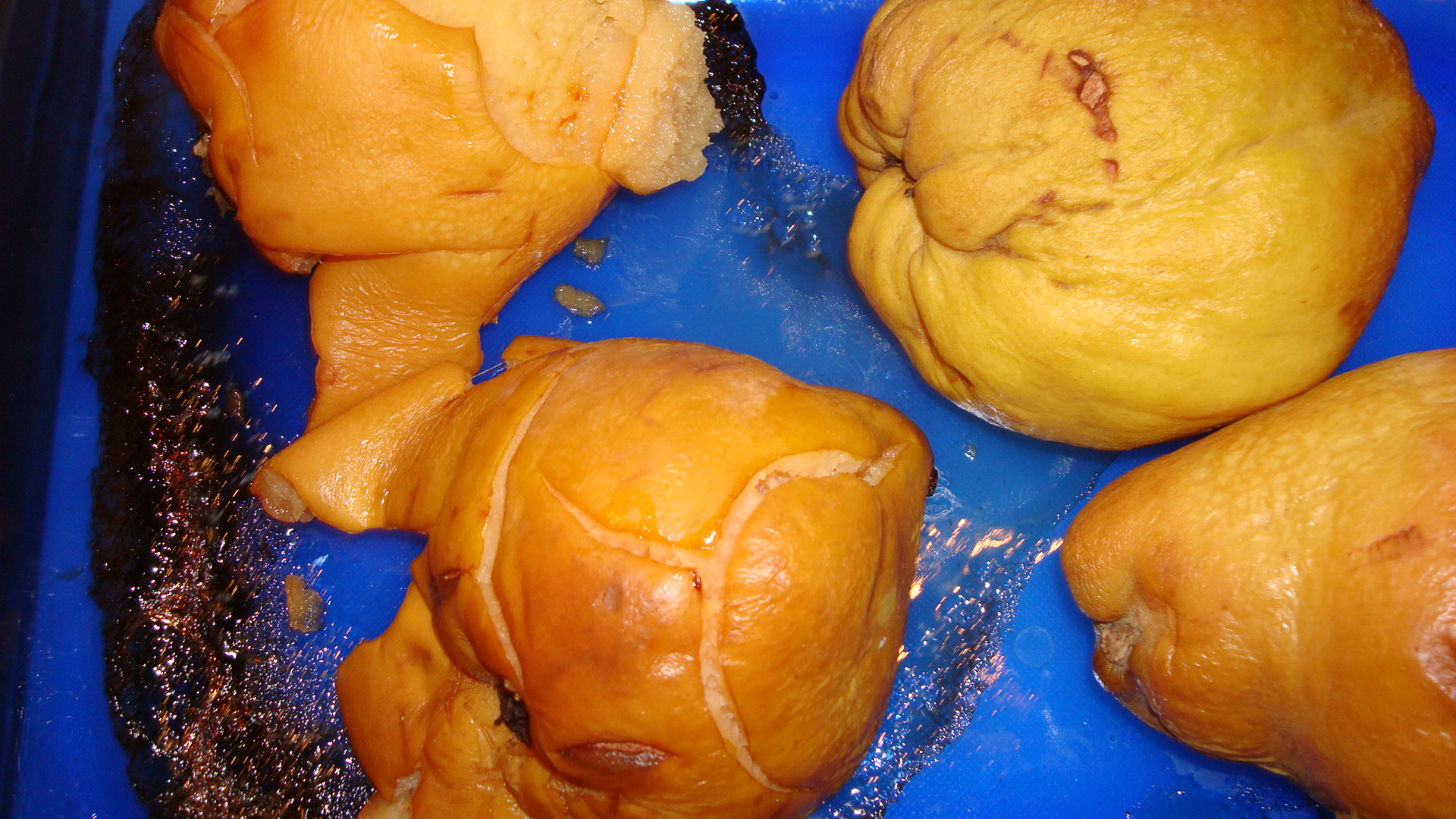
2. Scrub quinces and pat dry. (My quinces had a strange, furry coating that I rubbed off). In a small roasting pan bake quinces, covered with foil, in middle of oven until tender, about 2 hours, and transfer pan to a rack.
After quinces have roasted
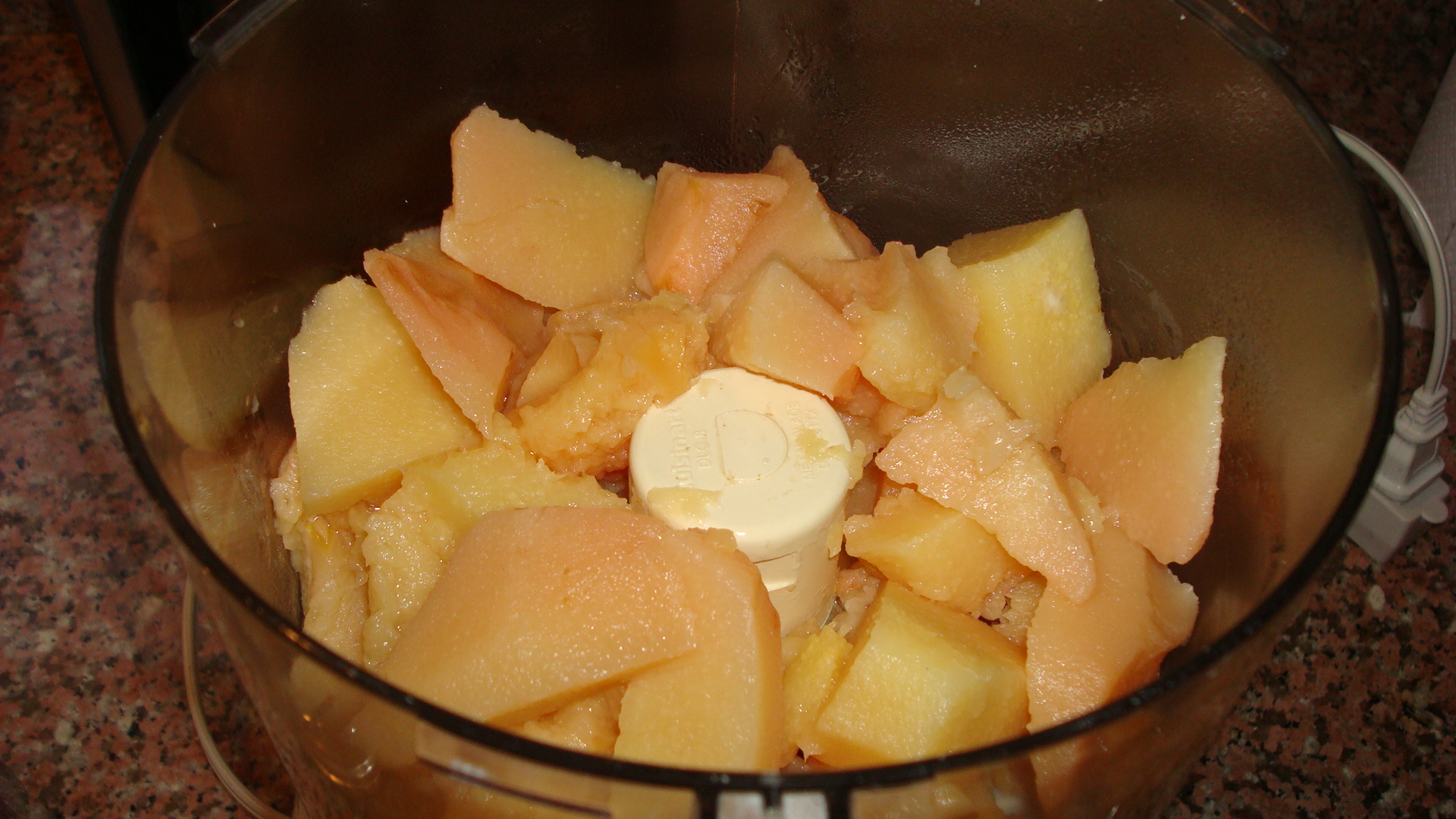
3. When quinces are cool enough to handle, with a sharp knife peel, quarter, and core them. 4. In a food processor puree pulp with 1/4 cup water until smooth (if mixture is too thick, add remaining 1/4 cup water a little at a time, as needed). Force puree through a large fine sieve or cheese cloth into a liquid cup measure and measure amount of puree.
Into the food processor
5. Transfer puree to a 3-quart heavy saucepan and add an equivalent amount of sugar.
I ended up adding 2 cups of sugar
6. Preheat the oven to 200 degrees. Cook quince puree over moderate heat, stirring constantly, until it is thickened and begins to pull away from side of pan, about 25 minutes. (Keep stirring until the liquid has turned a deep reddish color).
I should have waited until the color was a deeper reddish
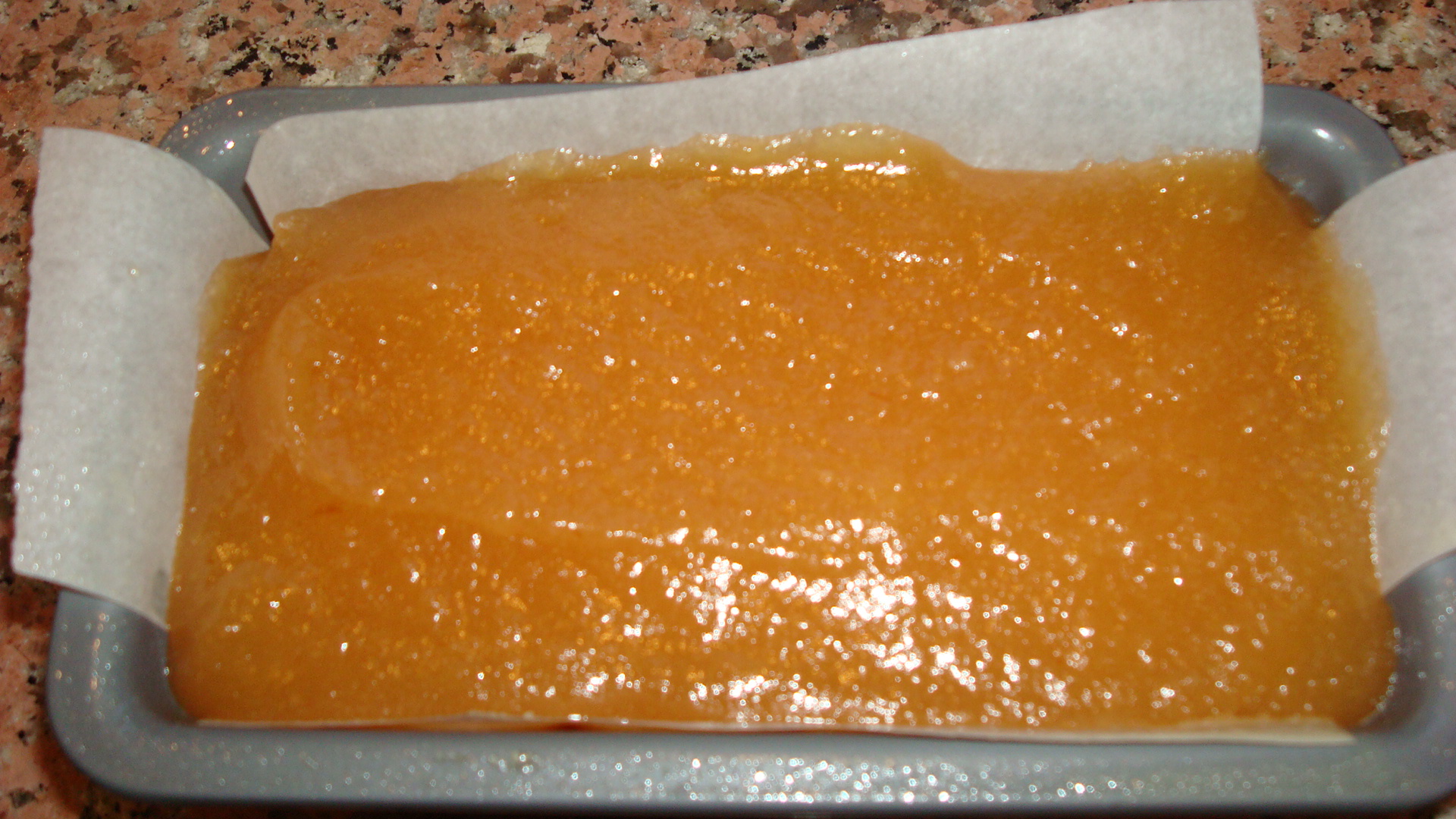
7. Pour puree into terrine, smoothing top with an offset spatula. Place in the oven for 1 hour and 30 minutes to further dry the quince paste. Cool and chill puree, loosely covered with plastic wrap, until set, about 4 hours.
Paste in the terrine
8. Run a thin knife around sides of terrine and invert quince paste onto a platter. (Quince paste keeps, wrapped well in wax paper and then plastic wrap and chilled, 3 months–I’ve also read that it keeps indefinitely. The sugar works as a preservative).
After 4 hours in the refrigeratorFinished product
9. Slice paste and serve with cheese and crackers.
Pumpkin bread, like banana bread, is one of the simplest and least fussy recipes I know. You basically ‘dump’ and mix all of the ingredients together in a bowl, place the loaf pan in the oven, and an hour or so later, you’re treated to a delicious smelling kitchen and a rich and spicy piece of heaven. However, when you’re in Jordan (and let’s not forget there’s always a snag or else this blog wouldn’t exist) finding canned pumpkin puree (even during the Thanksgiving season!) is near to impossible.
[Note: I’m sure some random person will comment that they’ve found it at such and such a place, but I’m telling you, I’ve now been to THREE large grocery stores in the area and cannot find it ANYWHERE!]
Lucky for me though (and Raj), I planned ahead in the event something like this were to occur–I packed (way back in April) one 28 ounce can of leftover pumpkin puree. Knowing now that I cannot find canned pumpkin anywhere else, pumpkin pie is off the Thanksgiving menu this year. I need to save the remaining leftover from the can for the next (and sadly) last pumpkin loaf we will eat this fall.
[This recipe is modified from The Art and Soul of Baking, by Cindy Mushet]
Makes 1 loaf
Ingredients:
2 cups unbleached all-purpose flour
3/4 tsp baking soda
1/2 teaspoon ground cinnamon
1/4 tsp. allspice
1/4 tsp. ground cloves
1/4 tsp. ground ginger
1/4 tsp. salt
2 large eggs at room temperature
1/3 cup water
1 1/2 cups sugar
1 cup canned pumpkin puree
1/2 cup canola oil
1 tsp. pure vanilla extract
1 cup chopped toasted walnuts
1/2 cup semi-sweet chocolate chips
Directions:
1. Preheat oven to 350 degrees and position rack in the center. Lightly coat a 9-by 5-inch loaf pan with Pam or other oil spray. In a large bowl, whisk together the flour, baking soda, cinnamon, allspice, cloves, ginger, and salt until thoroughly blended. In a medium bowl, whisk together the eggs and water. Add the sugar and blend well. Add the pumpkin puree, canola oil, and vanilla extract and blend well.
2. Add the pumpkin mixture to the dry ingredients and whisk until blended and smooth. Add the walnuts and chocolate chips until they are evenly distributed. Use a spatula to scrape the batter into the prepared loaf pan and level the top.
3. Bake for 55 to 65 minutes, until the bread is firm to the touch and a toothpick inserted into the center comes out clean. Transfer to a rack to cool completely.
Returning to Jordan from DC is akin to returning to school after summer break–it’s painful, traumatic, and the last few days of ‘summer’ are ruined from the impending doom on the horizon. To Raj’s credit, he anticipated a case of the ‘Jordan Blues’ and planned a two night layover in London in hopes of counteracting my mood. (Smart man; it worked, at least temporarily.)
We had a great three weeks in Old Town, Alexandria. Reintegration into American culture took all of one second as we were greeted with smiling faces and people driving in an orderly fashion. The highlights of the trip included:
running OUTSIDE, along the Potomac River
going to yoga EVERYDAY
walking about town, wearing whatever I pleased
shopping at my favorite stores
eating at Cheesetique, multiple times
getting my hair done by my favorite stylist
eating Greek yogurt
seeing friends
catching up on all of my favorite TV shows
and much, much more…
View from National Gallery
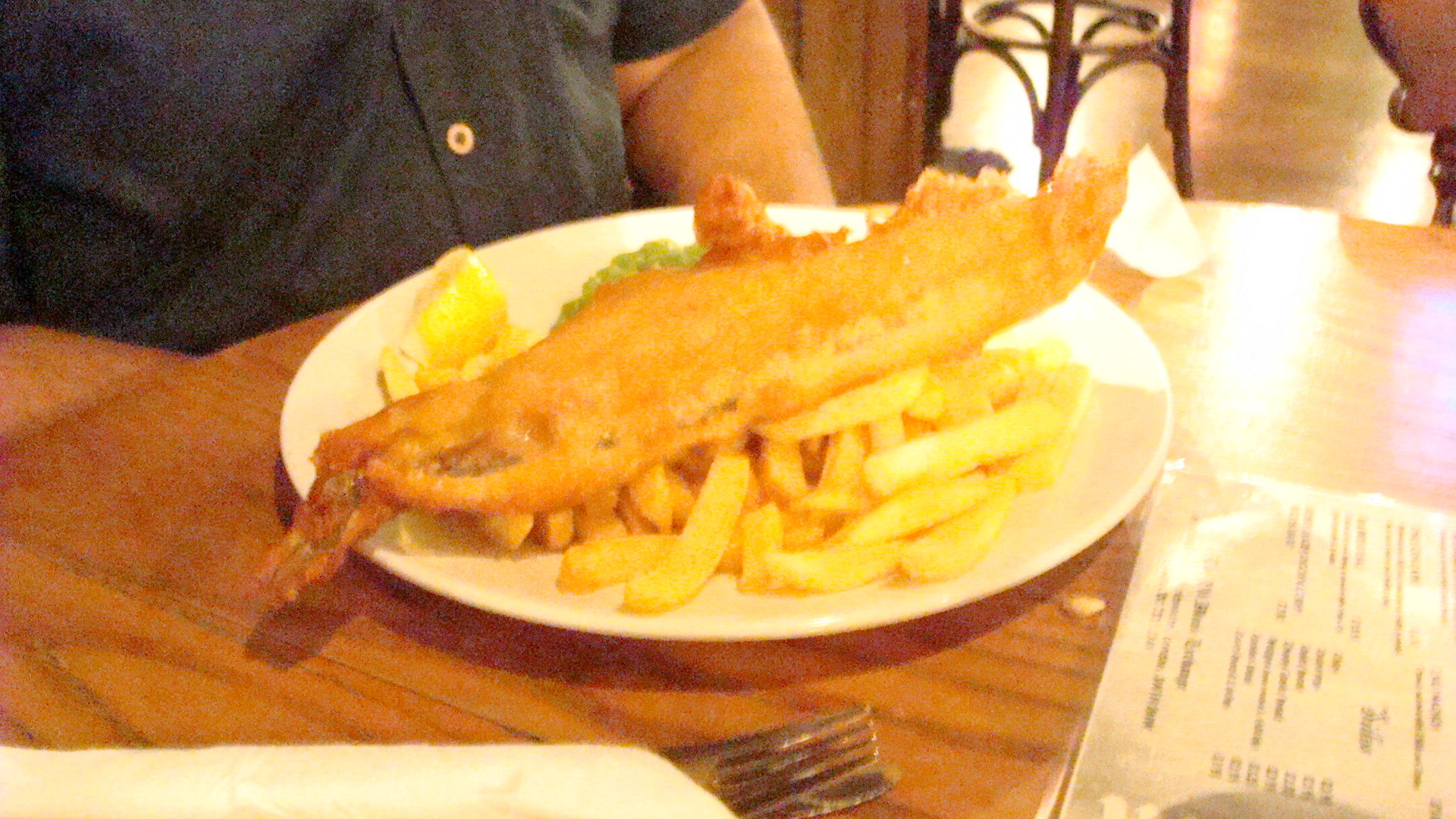
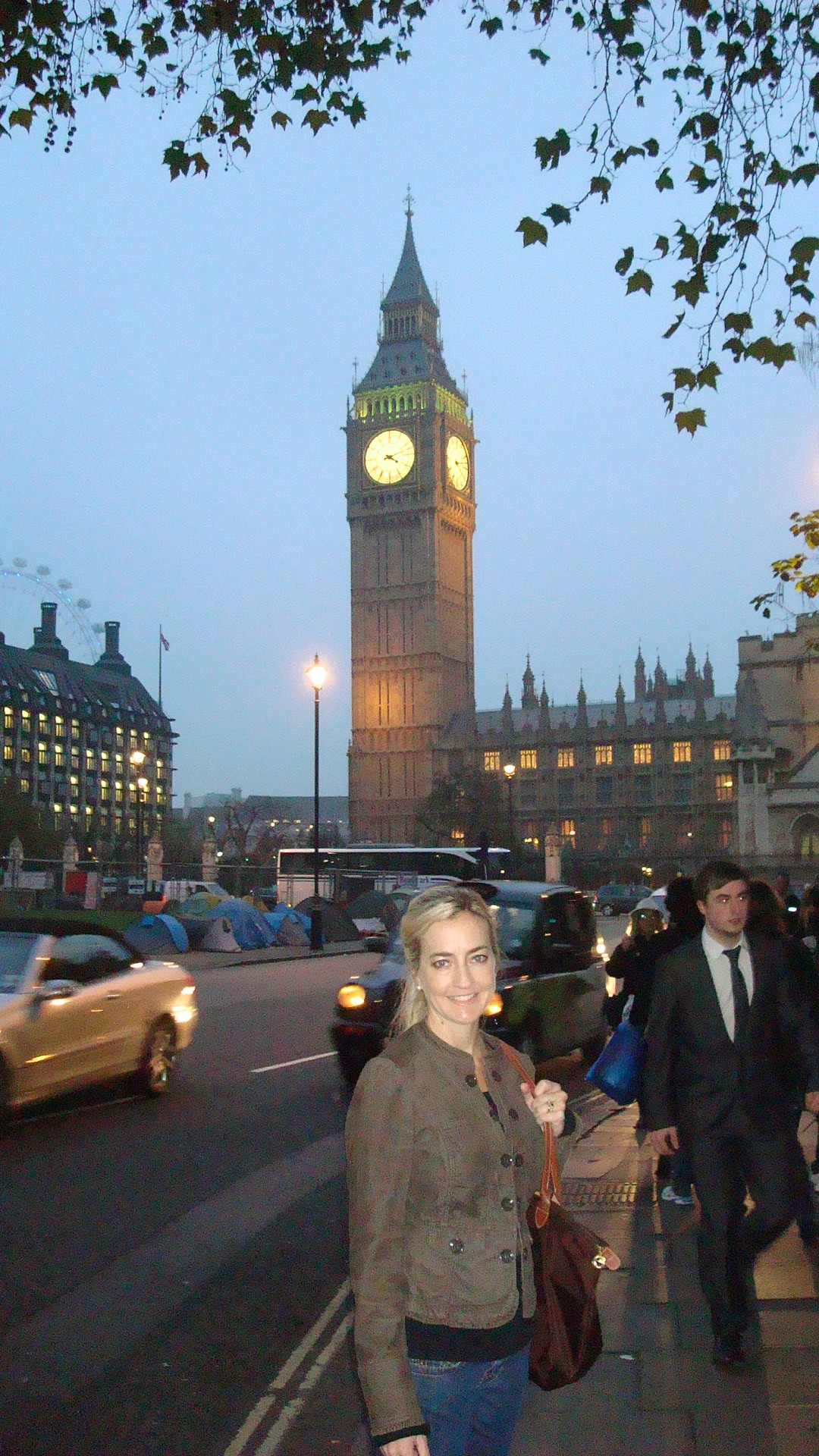
London was fun, despite my trepidation of returning. We enjoyed an afternoon at the National Gallery followed by one of the two things Raj had requested: fish and chips for dinner on the first night and Indian food on the second. The second day we spent at the British Museum followed by a stroll through Harrods. After working up an appetite from all of the walking, Raj was on a mission to find an Indian restaurant to make up for the terrible meal the night before. On a doorman’s recommendation, we headed to Victoria station. We got out of the station across the street from the Apollo Victoria Theatre and saw signs for Wicked. Raj, continuing on with his quest to make me forget where we would be heading to soon, spontaneously inquired about tickets for that evening’s show. We bought tickets and headed out to find the Indian restaurant. Dinner was terrible, but it didn’t matter; Raj got his fix. Wicked was great, as were our seats.
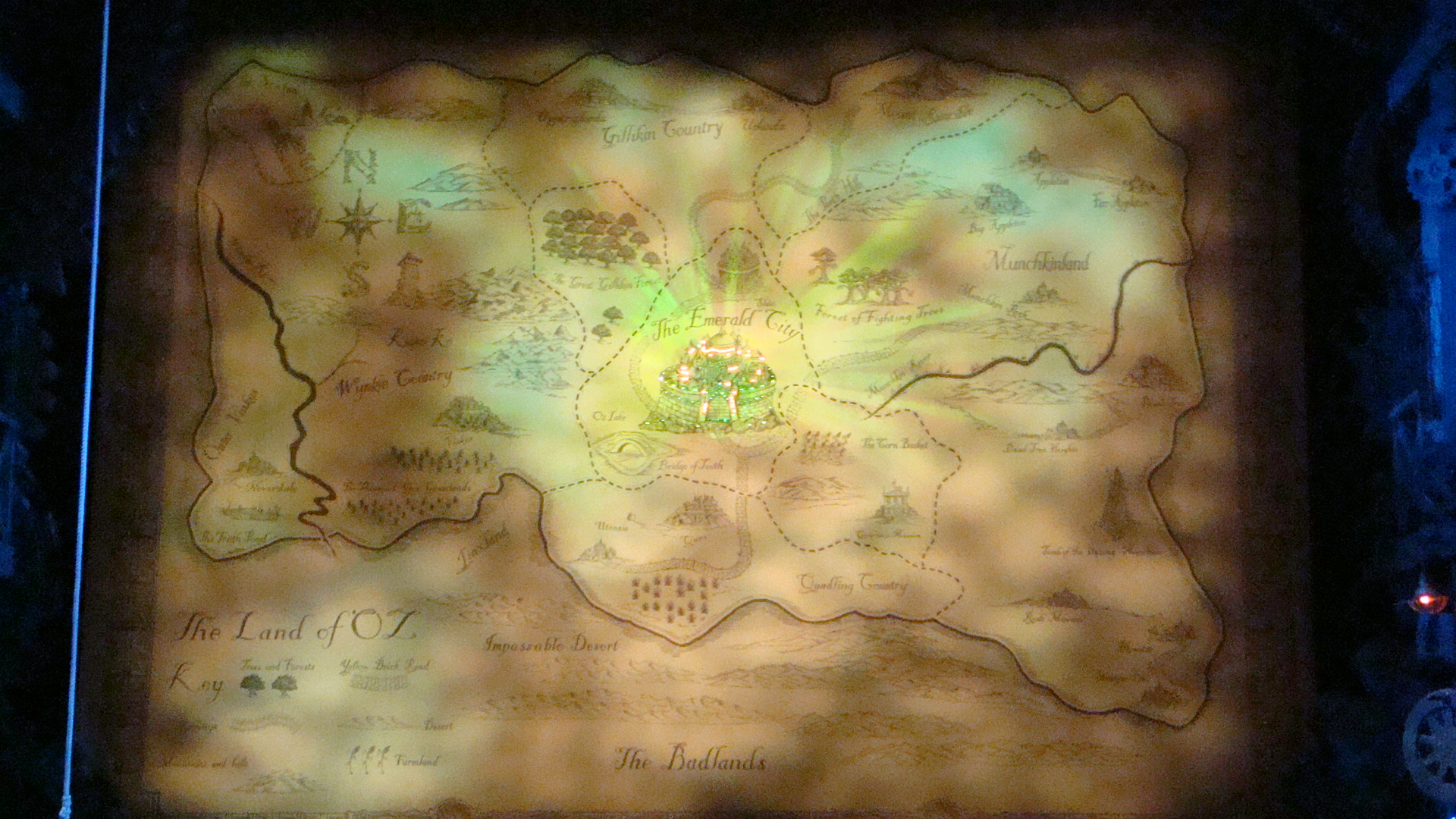
Map of Oz at Wicked
Dragon on top of Stage
Apollo Victoria Theatre
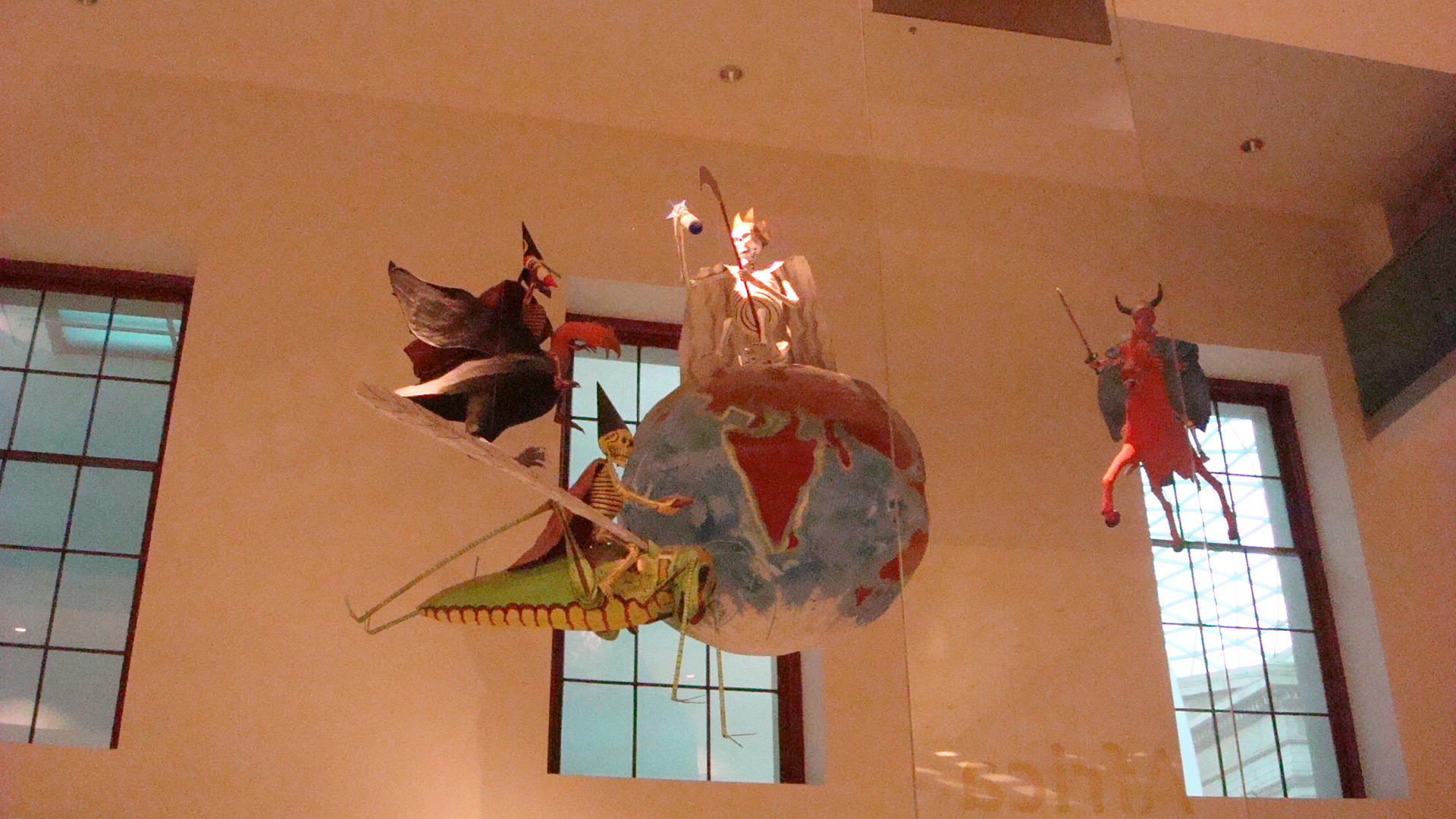
Dia de los Muertos Hangings in BM
The Egyptian Section of the BM
British Museum
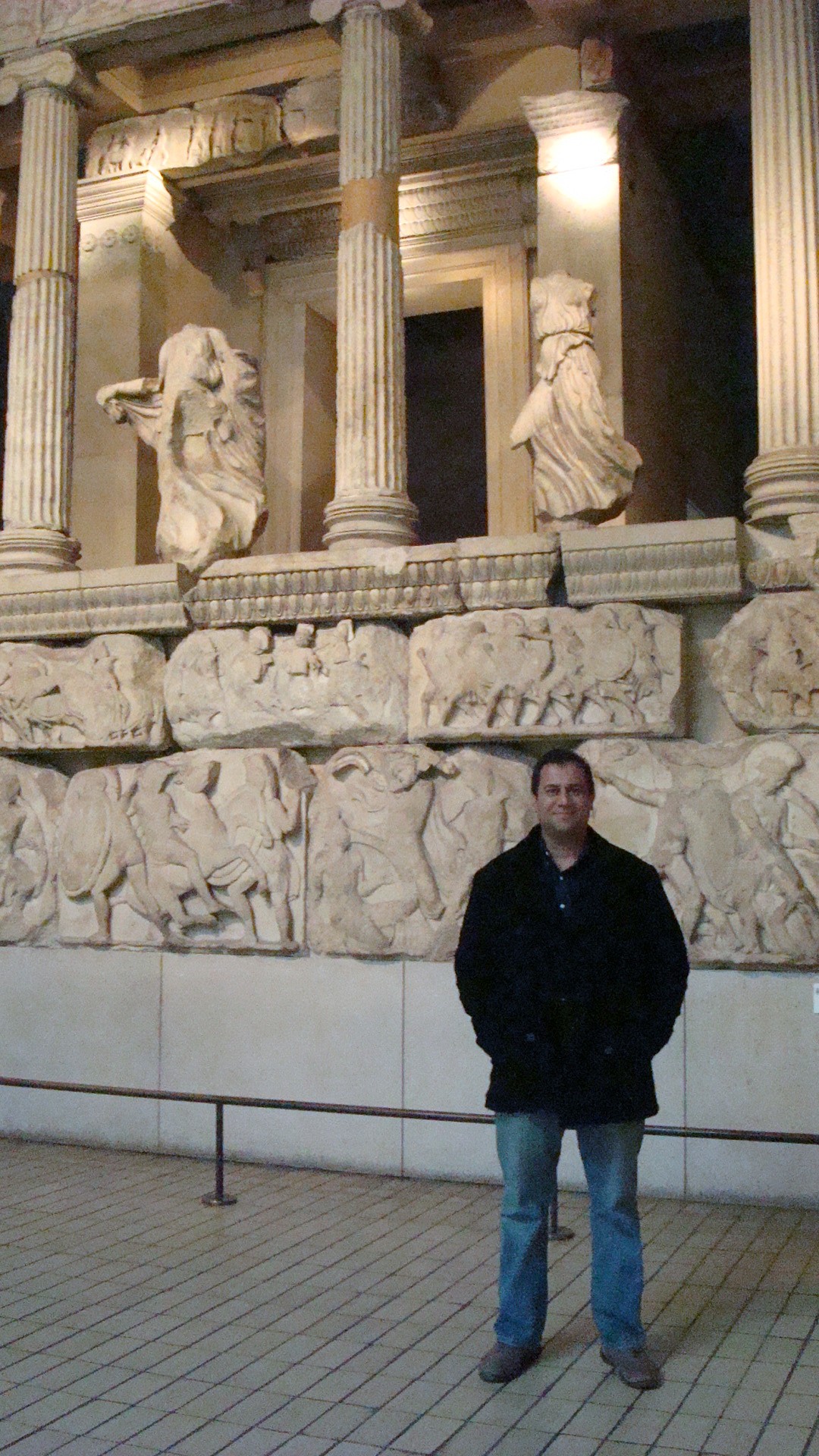
In the British Museum
Not too appealing Fish & Chips
In front of Parliament
Westminster Abbey
Big Ben and Protestor Tents in Background
Big Ben in the Background
In front of the National Gallery
View from National Gallery
Washington Monument
We landed back to Jordan on Thursday evening, attended the Marine Ball on Friday, and now I’m prepping up for a Thanksgiving feast, Jordan style, this week. I’ve promised Raj that I’ll try to be more positive and that I’ll post more than once a month now that I’m no longer ‘working.’
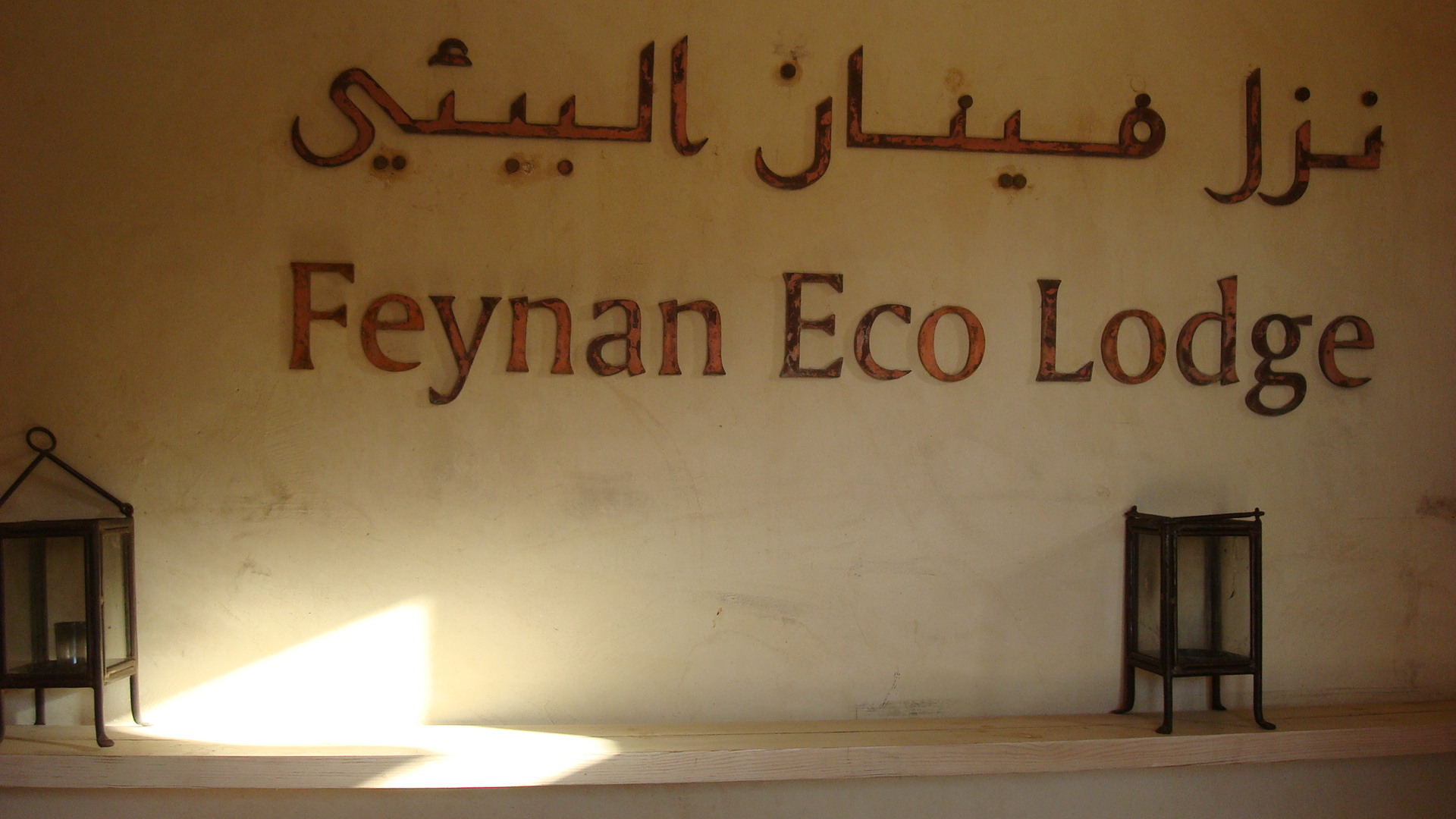
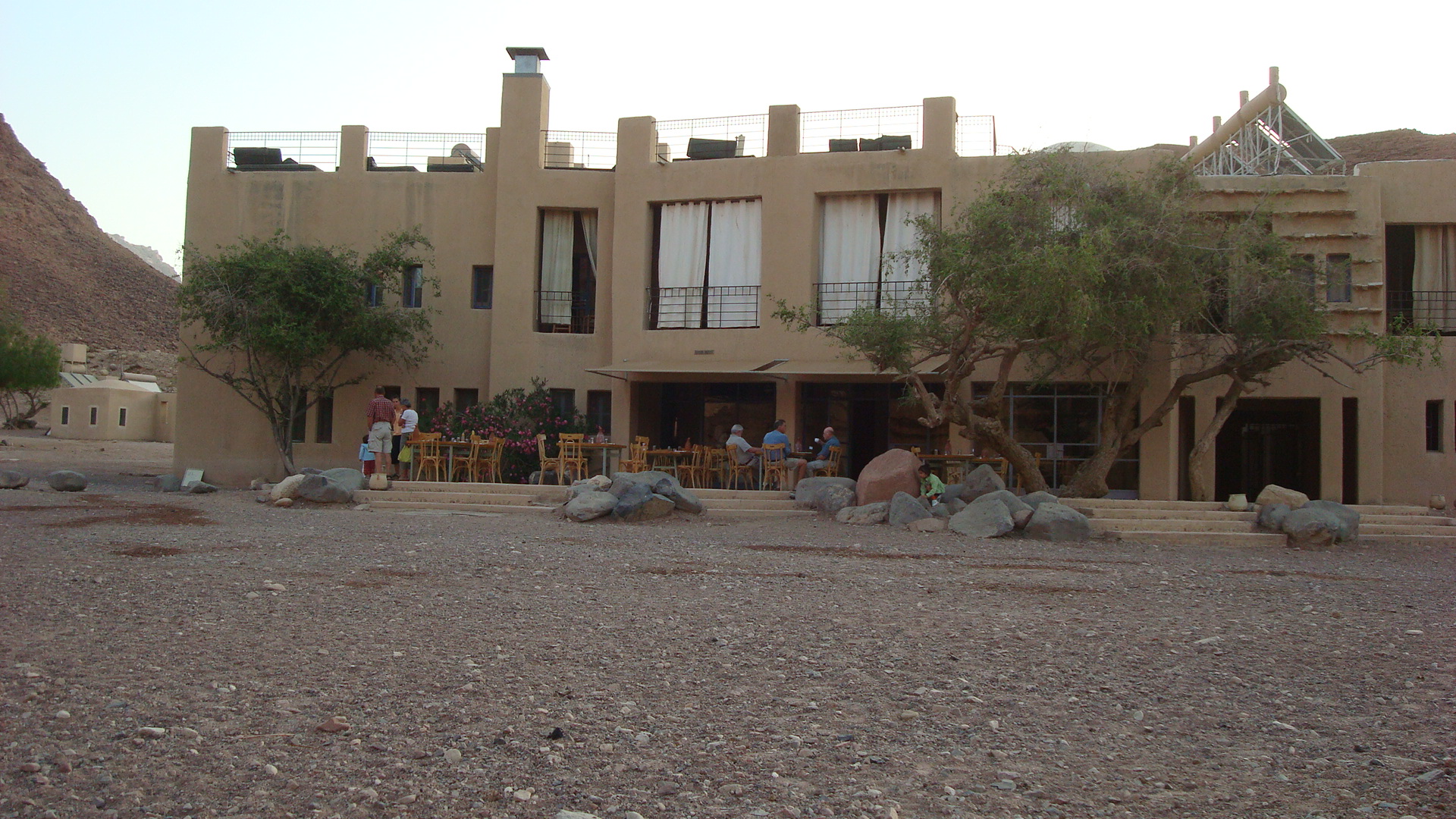
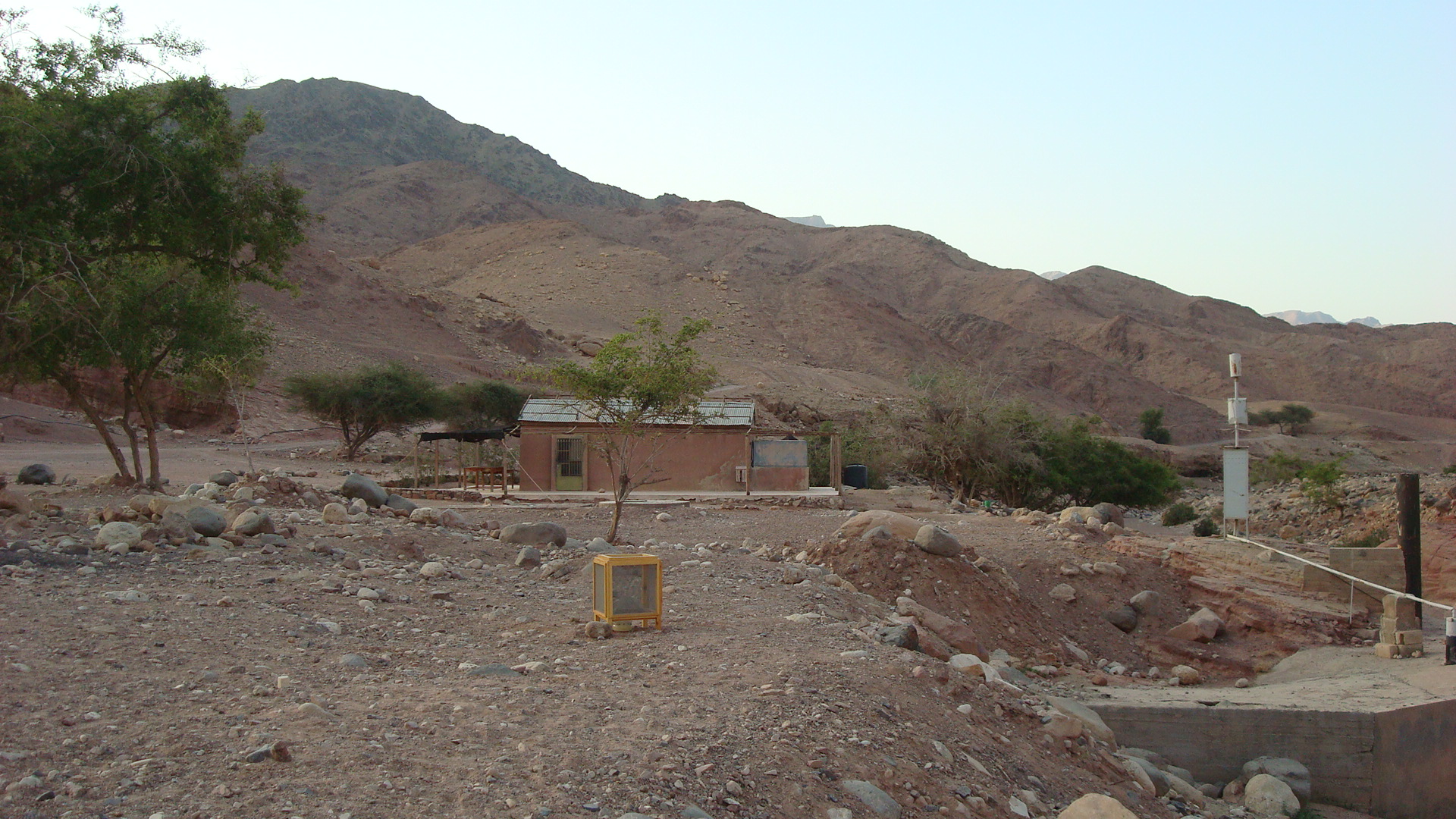
I came across Feynan Lodge over a year ago when I was still living in the States. I happened upon it from a random Google search while I was researching Jordan. Feynan popped up as one of National Geographic’s top 50 Ecolodges in the World, a place unlike any other here in Jordan. This was one of the few interesting things that I found in anticipation of our move. This “wilderness lodge” is located in Dana Nature Reserve (run by the Royal Society for the Conservation of Nature (RSNC), the same society who operates Wild Jordan (the organic restaurant that I love downtown)).
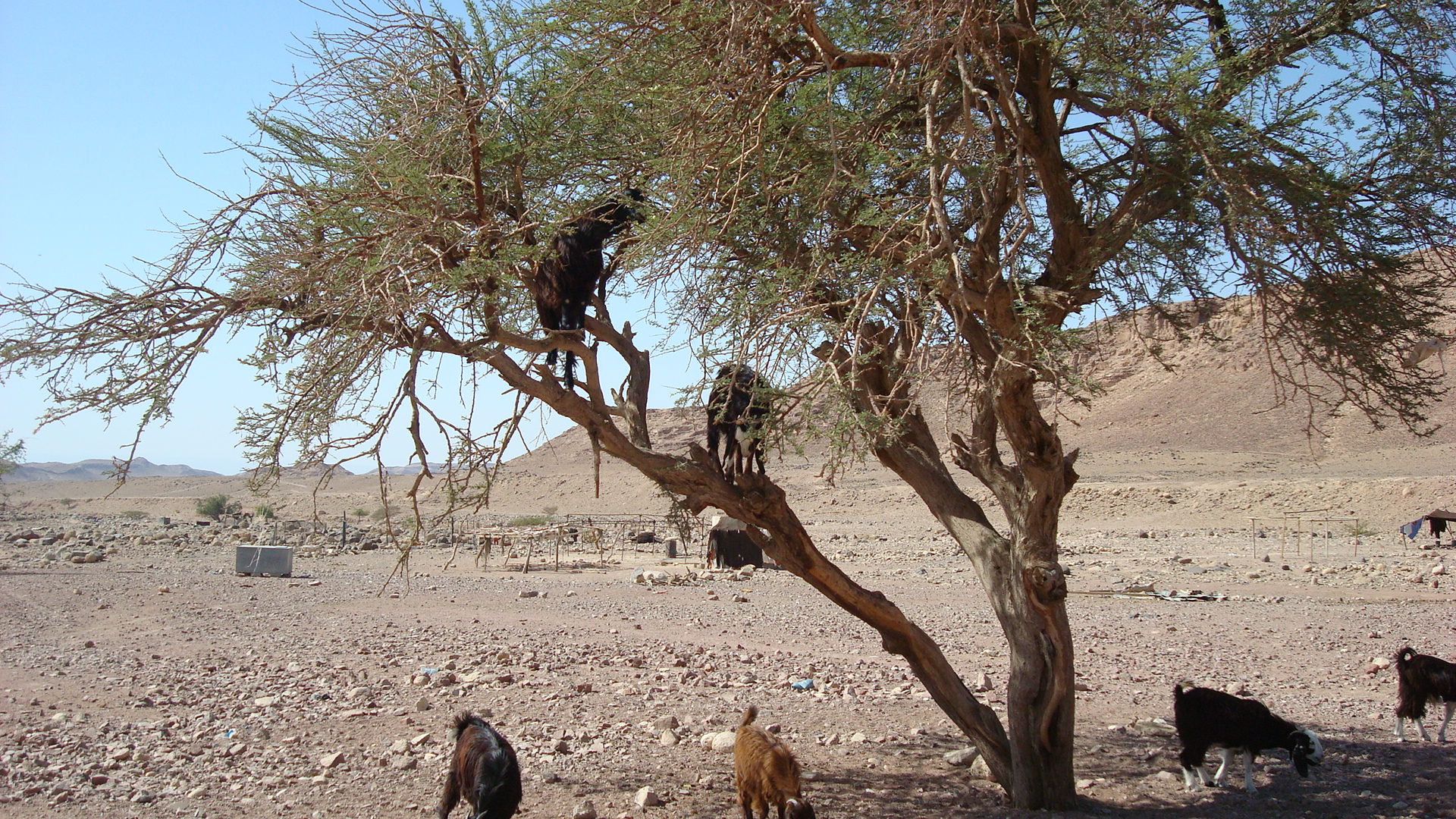
View from Behind the LodgeInner Courtyard of LodgeNeighborsYes, goats can climb trees.
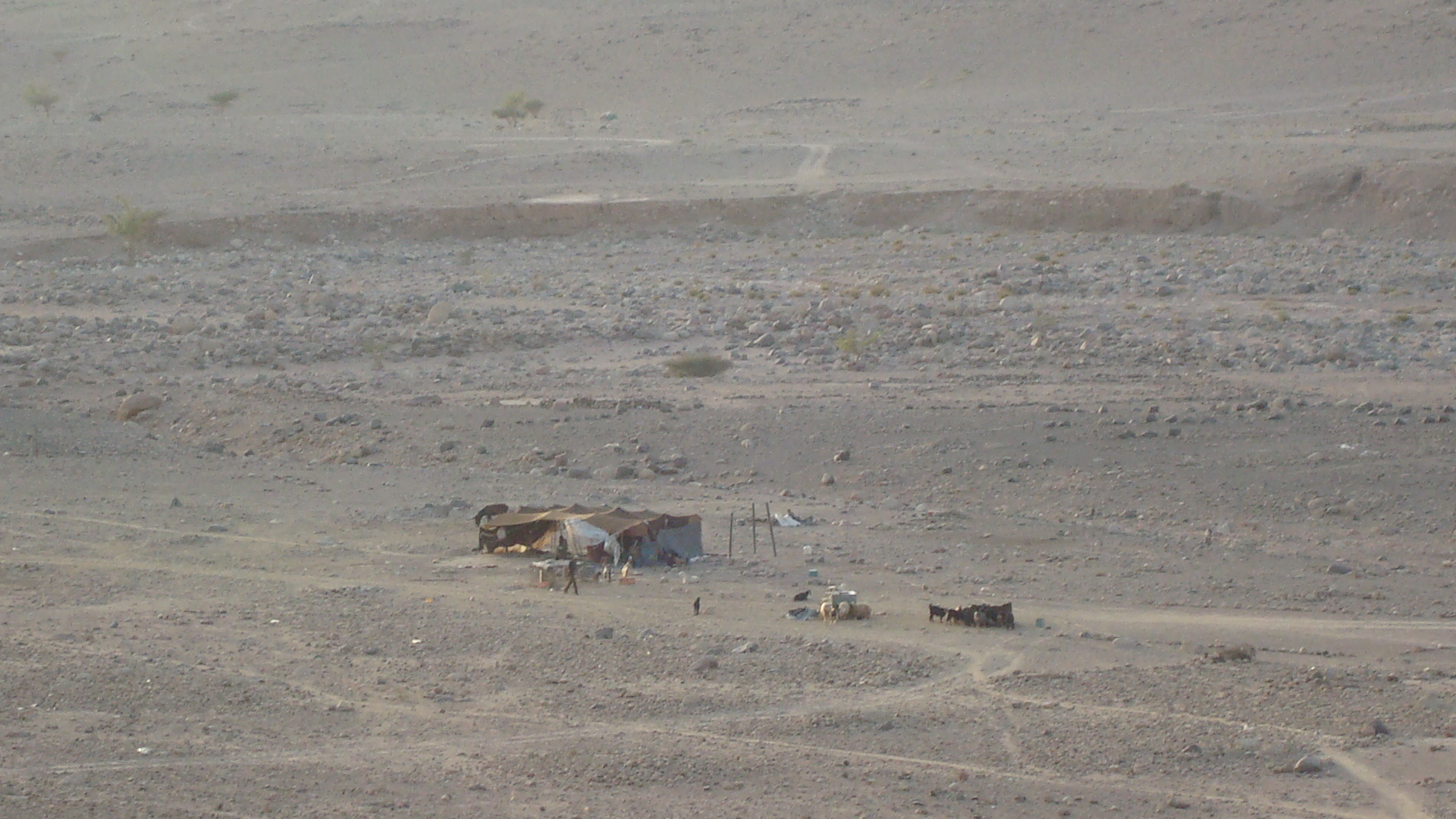
It took us about three hours to arrive at the ‘reception area’ where we were met and transported by a local Bedouin (the road to the lodge is accessible only by 4×4, which we have but don’t use–it’s only for show). The bumpy ride in the back of a circa 1970s Datsun pick-up truck (outfitted with fringed curtains) took us about thirty minutes. The route was rock strewn and inhospitable looking, yet there were plenty of families (with many children running about) that live here throughout the wadi. We were welcomed into the main lobby by staff with mint tea and towels and then given what Raj took as the sales pitch on the lodge’s history, mission, and our activity options (It wasn’t a sales pitch but he was prepared to say no to whatever it was he thought they were selling).
The Landscape
The lodge opened in 2005. There are 26 rooms (all with en-suite bathrooms (real toilets)–there’s no roughing it here) and it’s completely solar-powered (except for a small bathroom light in each room). Meals are vegetarian (to avoid refrigeration of meat) and are ordered in advance (due to the lodge’s remoteness). All of the staff are local Bedouin’s from the surrounding community (our guide lived a few tents down from the lodge, the bread is brought in by local women, there’s a leather and candle making shop on the property operated by local women who also supply all of the candles that illuminate the lodge each night). Best of all, the gift shop has fabulous teas, herbs, jams, jellies, jewelry and other handicrafts for sale–all made by locals (and yes I made a purchase supporting the local economy).
The Leather and Candle Making Workshop
We arrived in the afternoon on our first night and opted not to go on the sunset hike (someone was too tired and needed a nap after the strenuous drive). By the time we left our room for dinner, it was dark outside and we were greeted by the sight of twinkling candles–lanterns and luminaries in alcoves, niches and on the steps throughout the lodge (they say the best time to arrive at the lodge is after sunset when it’s lit exclusively by candles). Dinner was buffet-style, but not in the trough sort of way that I normally despise (there were so few guests so it was more like a small dinner party except we all got to eat at our own table and weren’t forced to make small talk). As I mentioned before, all of the meals are vegetarian, inspired by traditional Arab cuisine using local and natural ingredients.
Waiting for the Sun to SetSunset Hike
We finished dinner and didn’t really know what to do since it was still early (8:30 or so). What do people do without TV? Forced conversation? Gasp. Did I mention there’s no cell phone coverage. What do Bedouins do at night without computers, phones…? [My only word of warning–do not come here with anyone you mildly dislike because you will be forced to interact with them.] We got over our confusion long enough to guzzle down three more cups of tea while gazing at the night sky on the open rooftop terrace.
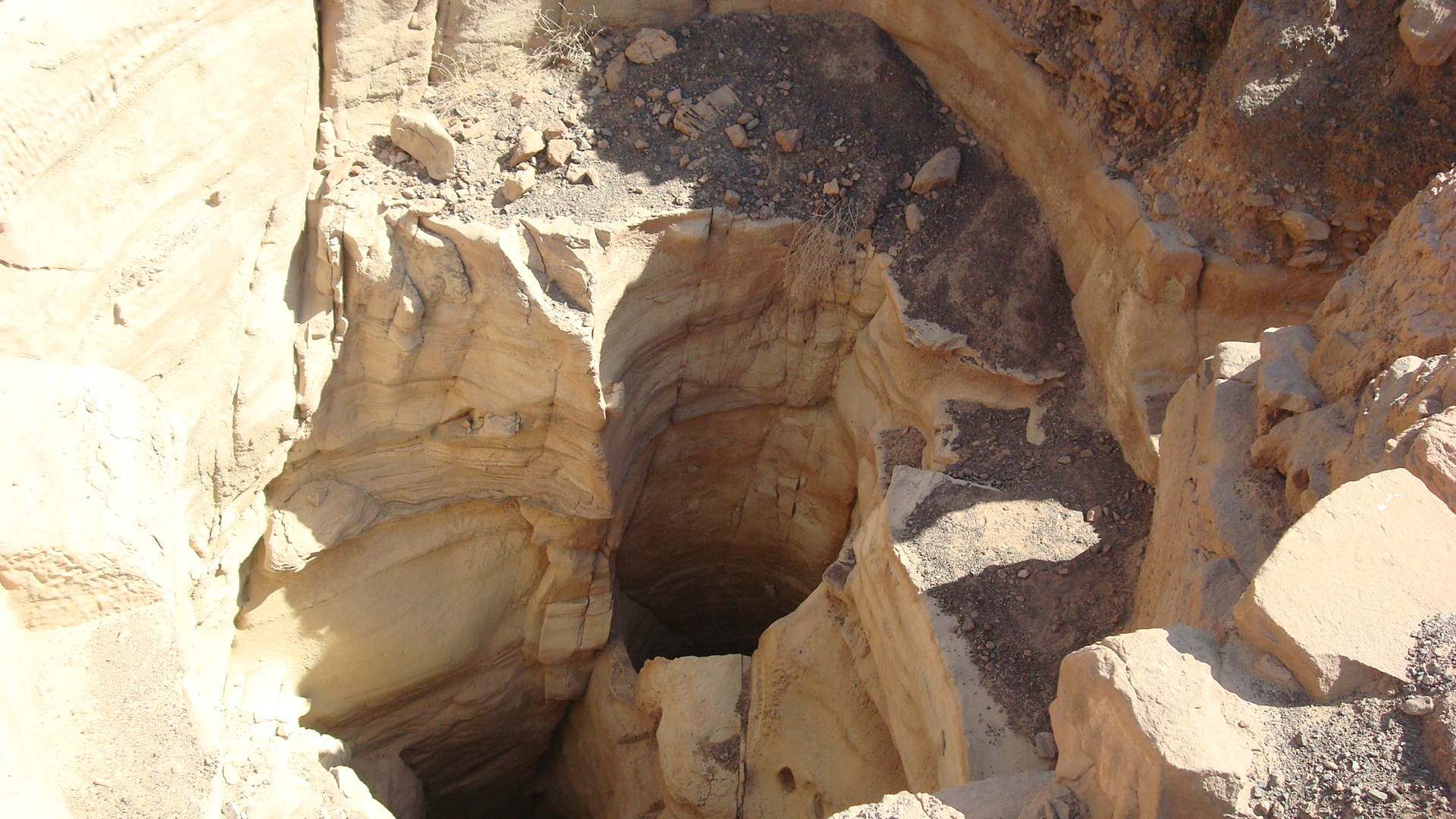
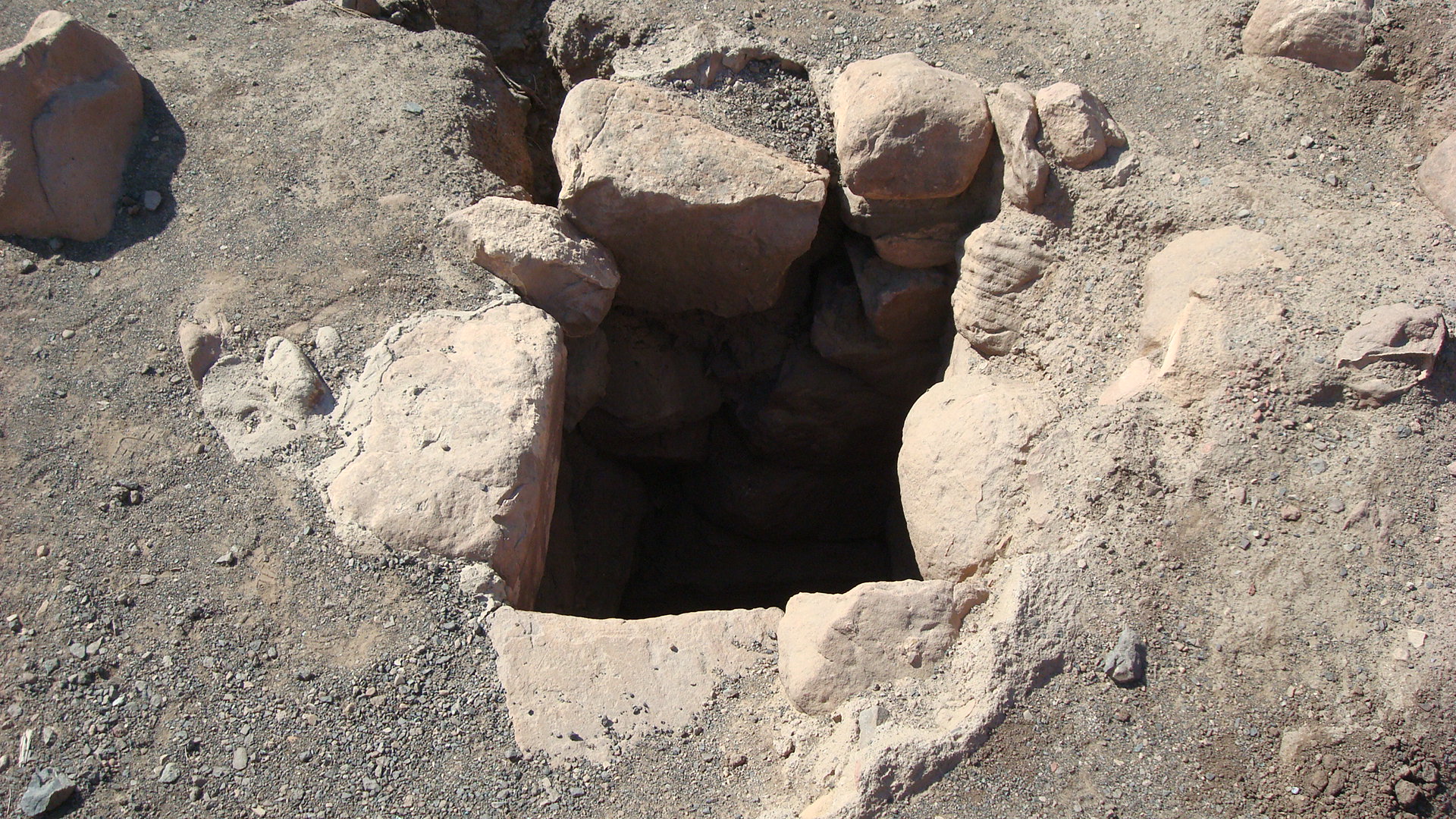
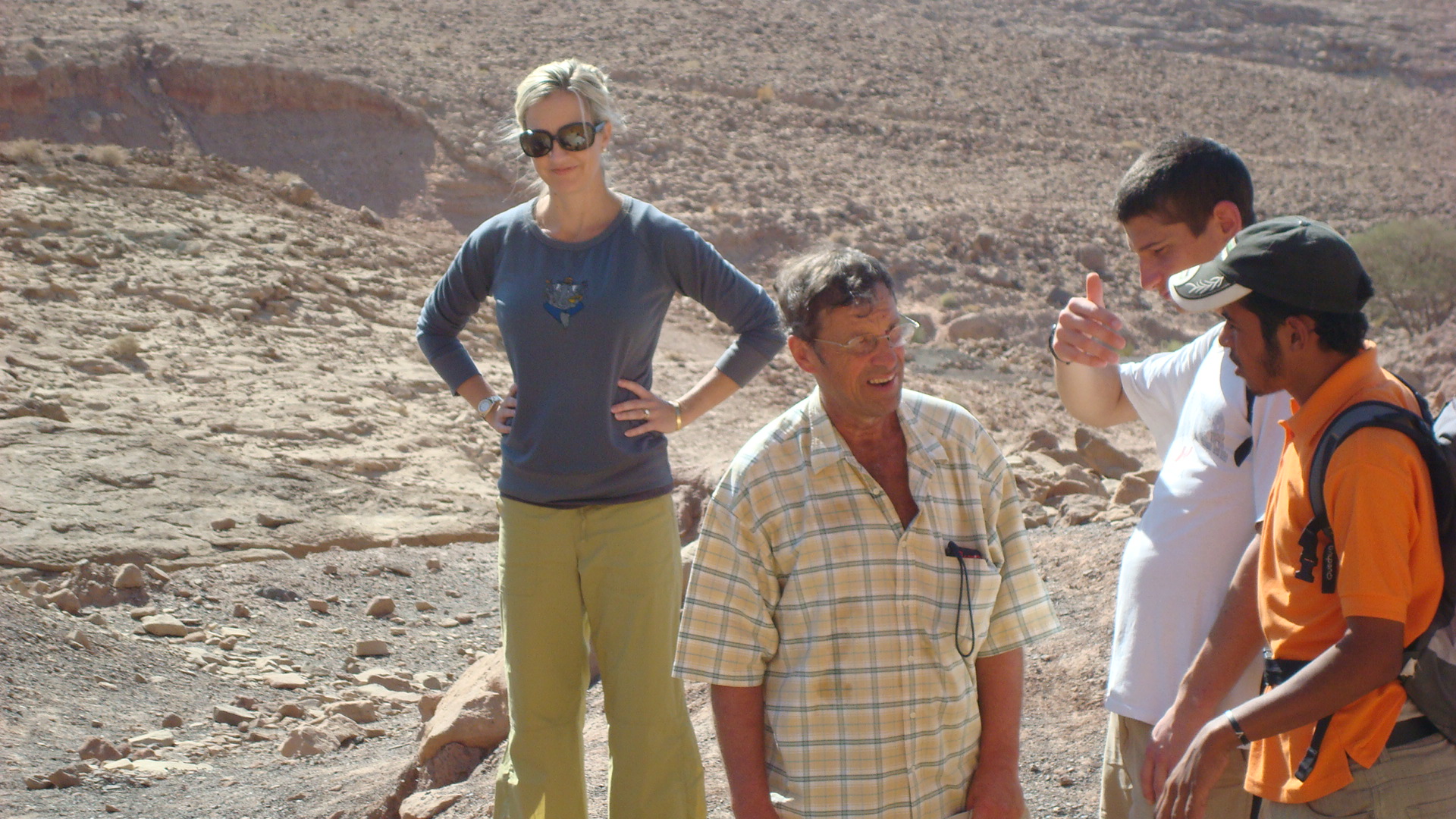
We awoke early to do a guided half-day hike to the Roman Copper mines. We were led by a local guide who took us to three copper mines (from the Copper and Iron Ages), the remains of a Roman Aqueduct, a crumbled Byzantine Church, and a Roman tower. In the midst of our hike (and in the company of an entertaining English couple and their grown son), our guide sat us down to make a pot of mint and sage tea. (The guide told us he drinks 30-40 glasses of this tea each day; Raj refers to this as ‘Bedouin whisky.’) This tea break gave all of us the opportunity to ask our guide pressing questions about his lifestyle. My questions focused on marriage and cooking. When do Bedouins get married? Do they get to choose their spouses? What do they eat and so forth. It was interesting conversation. Following this hike, and after resting for a couple of hours, we went on the sunset hike with the same guide and we watched the sun set while drinking still more tea (which was followed by even more tea after dinner).
Iron Age Mine ShaftCopper Age Mine ShaftCopper on the Ground
We had a great experience at the lodge and met some really interesting people. Feynan is extremely well run and the staff are exceptional. This place is more of a retreat than anything else. The only thing the lodge is missing is an evening storyteller. This would have been a great venue to hear one of Herodotus’ stories.
Who knew that Jordan produced wine? Not me. What’s even more exciting is that this particular winery is completely organic (and certified organic)! No big deal for people who have access to Whole Foods, but for me here, this is huge!
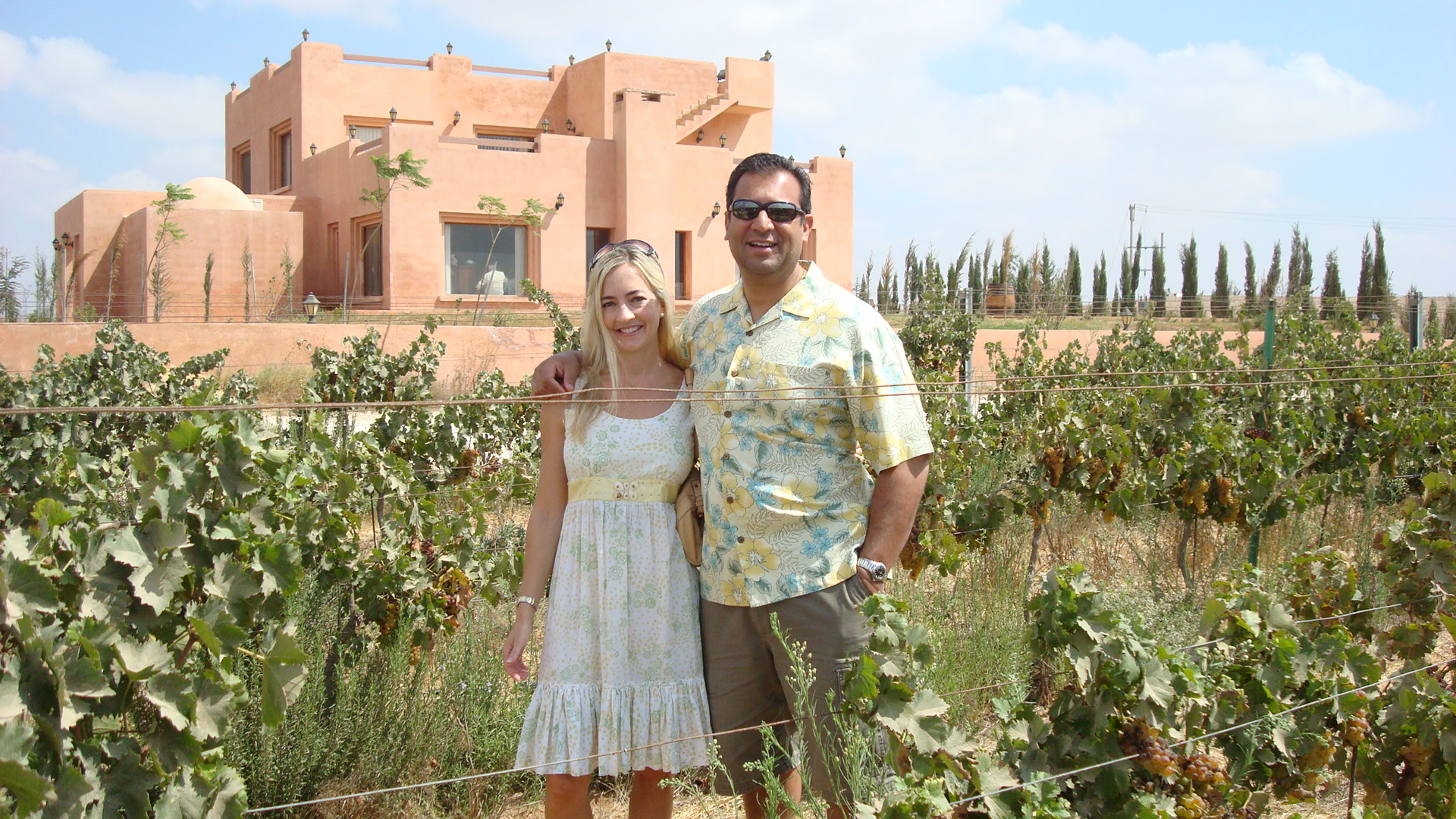
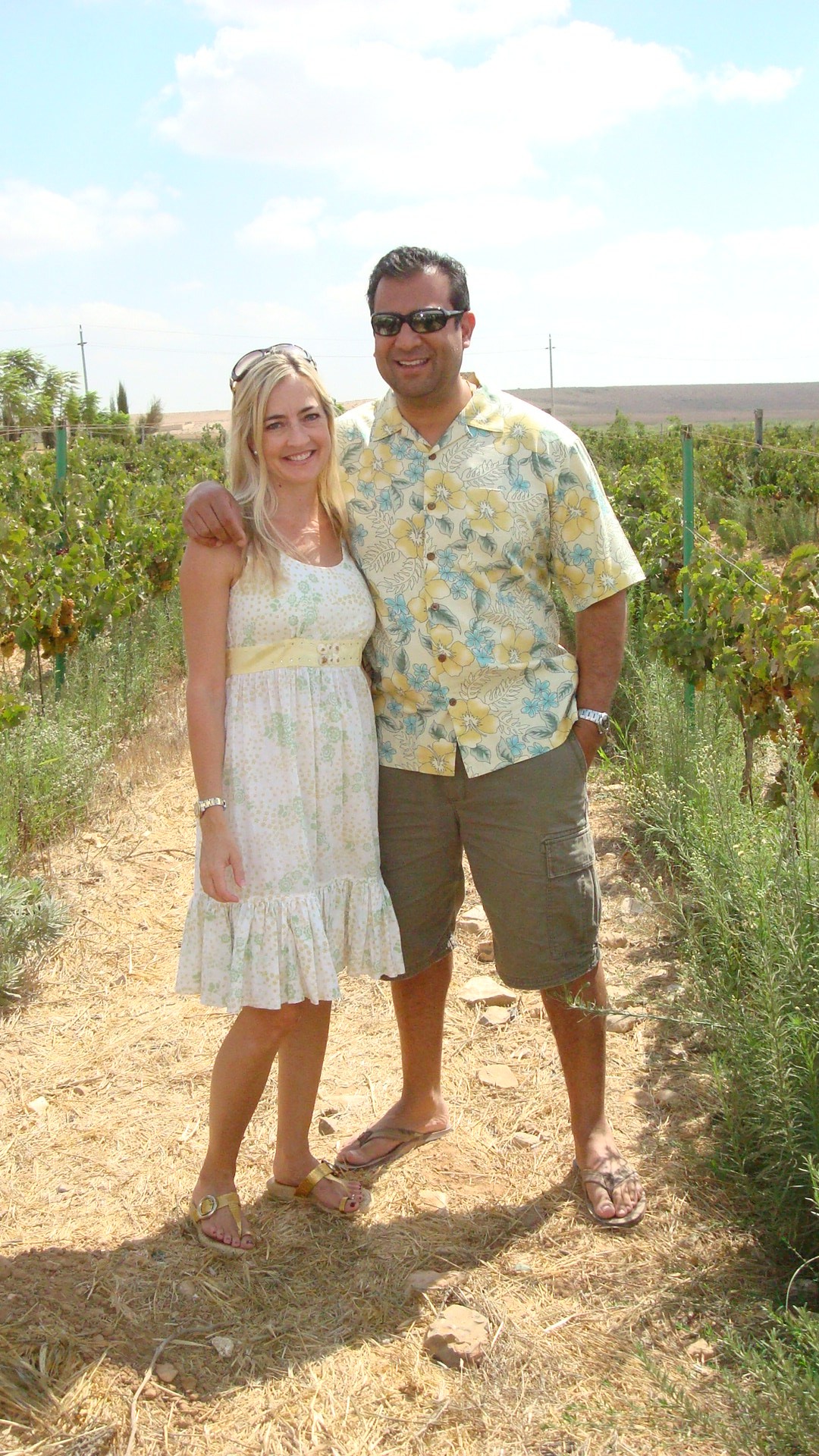
We went wine tasting today at St. George’s Winery, near the Syrian border (literally steps away), about an hour outside of Amman. I wasn’t sure what to expect but was surprised by a gem in the midst of nowhere.
Vineyards off in the distance
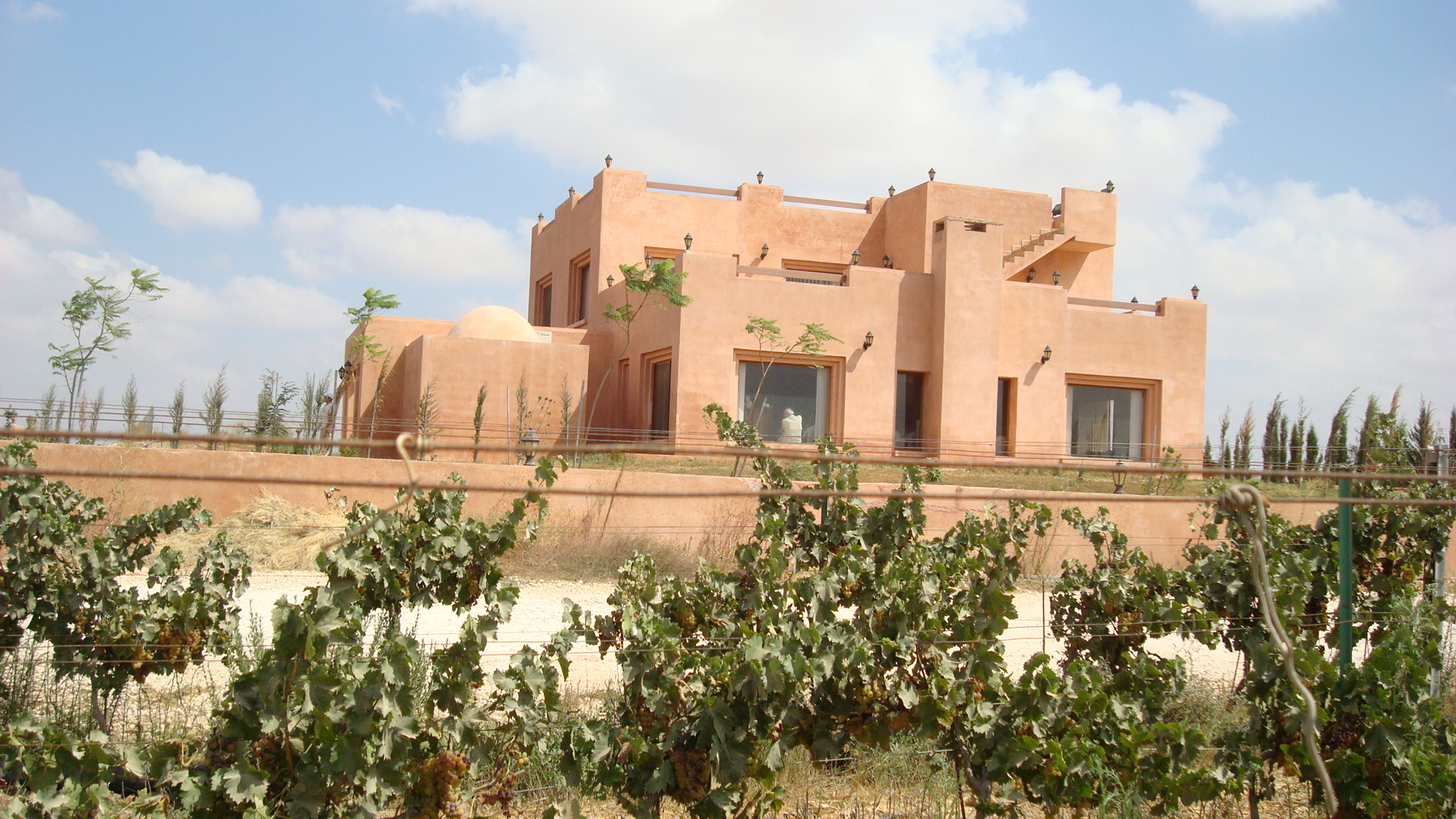
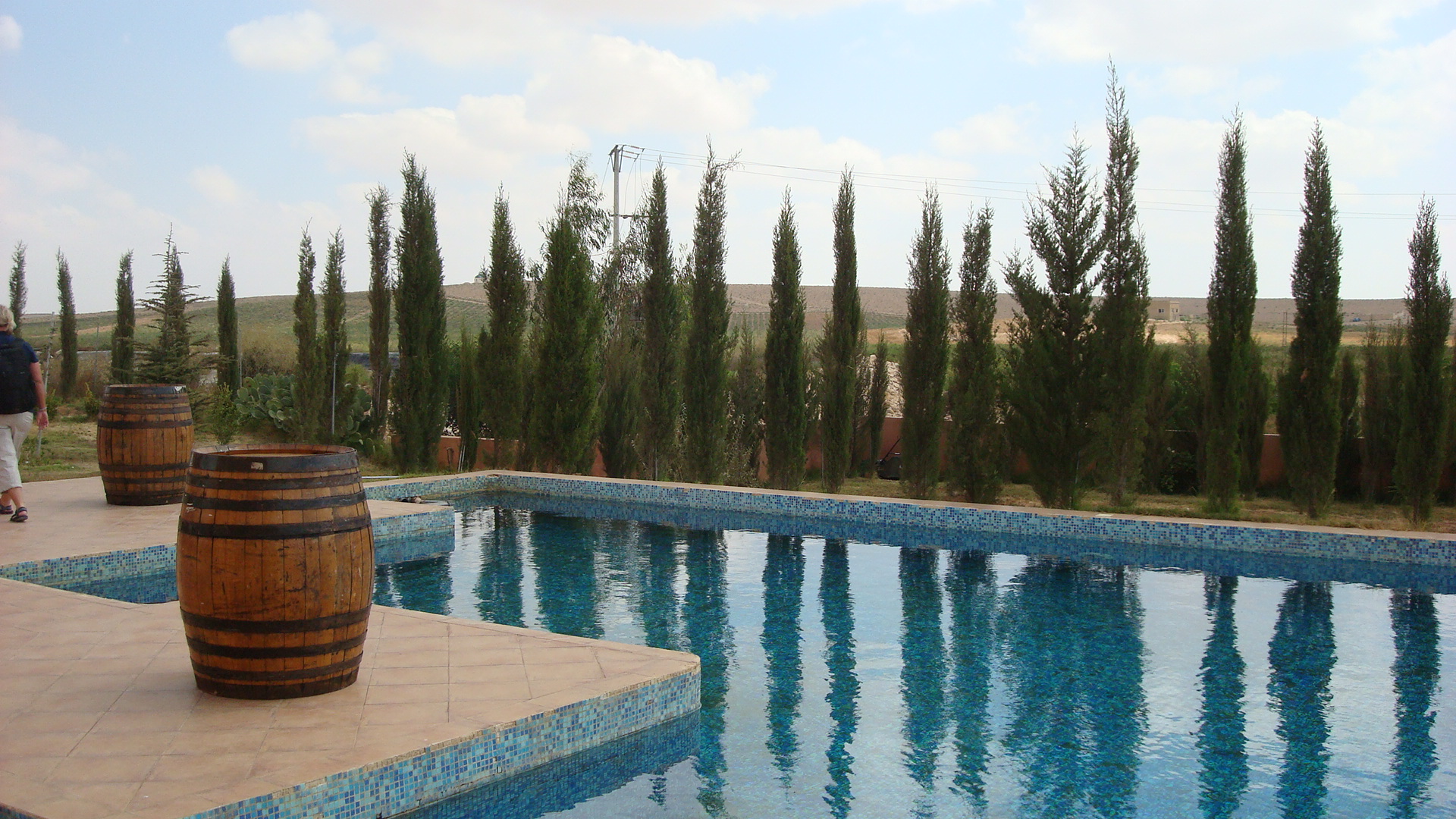
We pulled up in front of the estate on the property, a fairly large home (tasting room?) and were welcomed in by friendly staff. The interior of the home was set up for the wine tasting followed by lunch. In the backyard was a beautiful and inviting swimming pool, which we were invited to use after lunch.
The estate on the propertyThe swimming pool
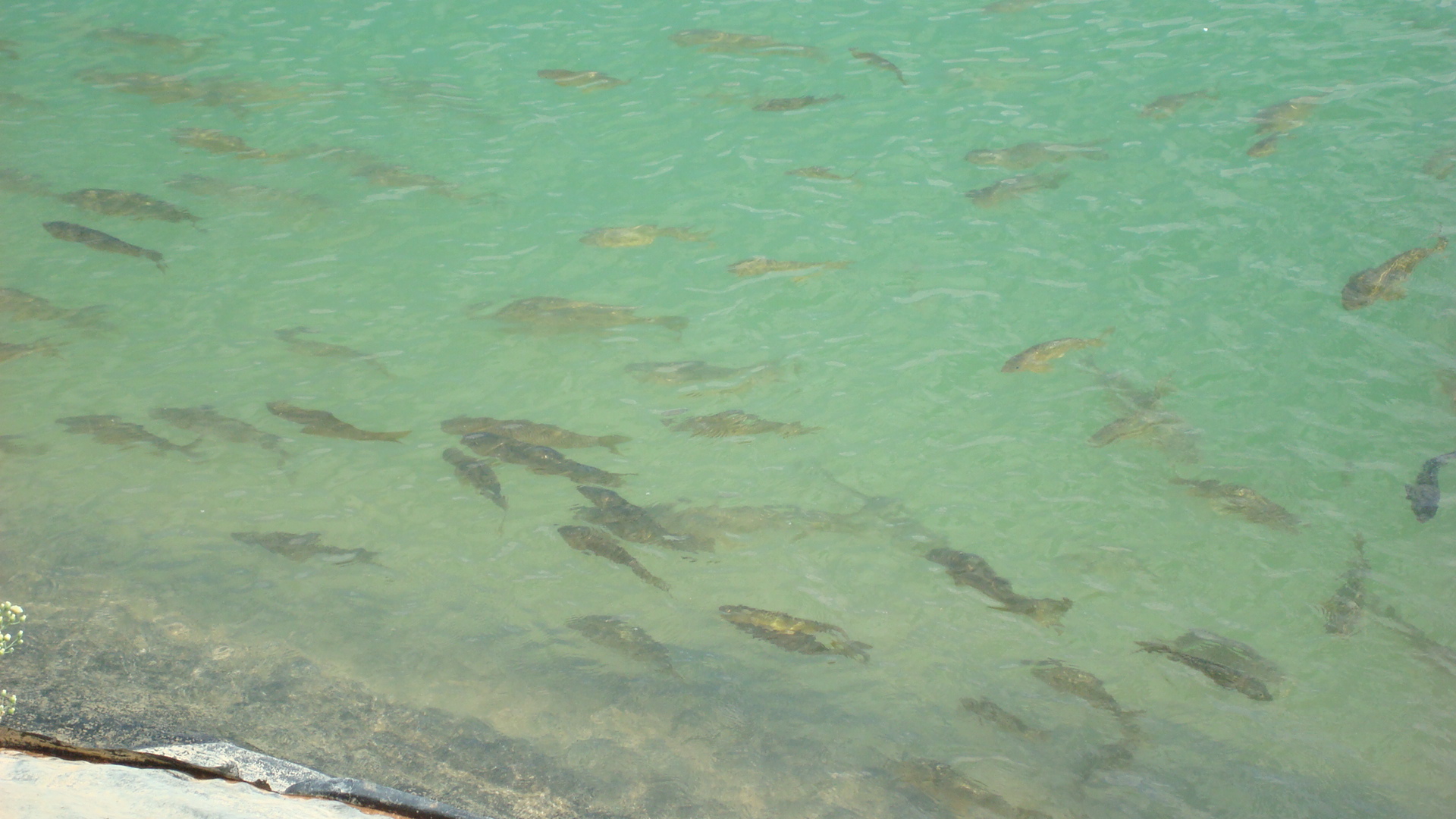
The tour of the grounds began next to the pool in front of a large pond (or water containment area) used for irrigating the vines. The tour guide explained that the pond (fed from wells below ground) contains over 55,000 fish (some koi, some carp). The fish produce nitrate in the water, which they use to irrigate the fields. The fish, along with many other biodiversity techniques are used throughout the operation: to keep the birds out of the grapes, they brought in falcons and owls; chickens are used to aerate the ground and to dig up worms; doves are also used to eat worms that attack the grapes; (they brought something else in to keep the foxes from eating the chickens, but I can’t remember what he said).
Fish in the pond producing nitrate for irrigating the fieldsA feeding frenzy
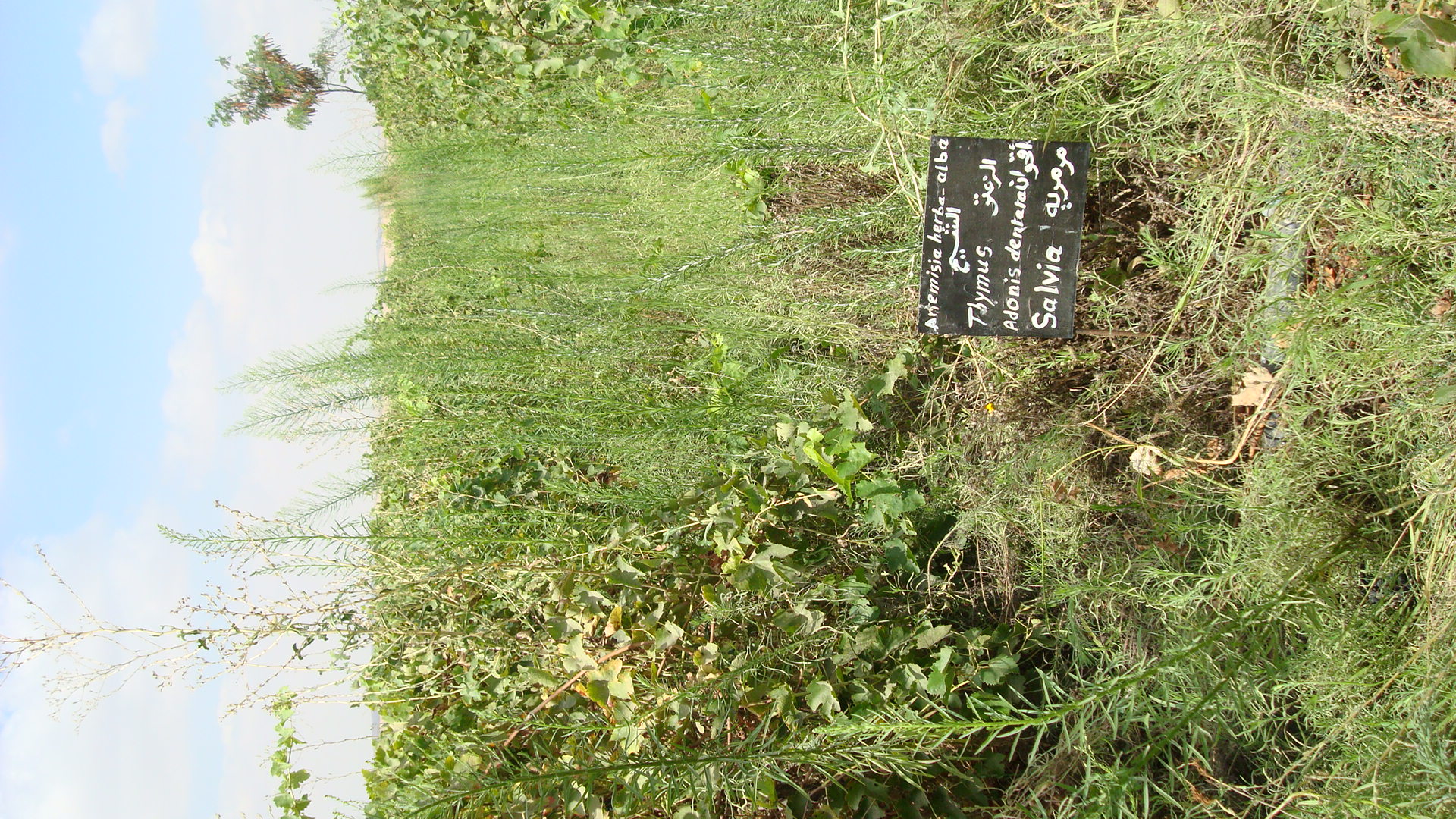
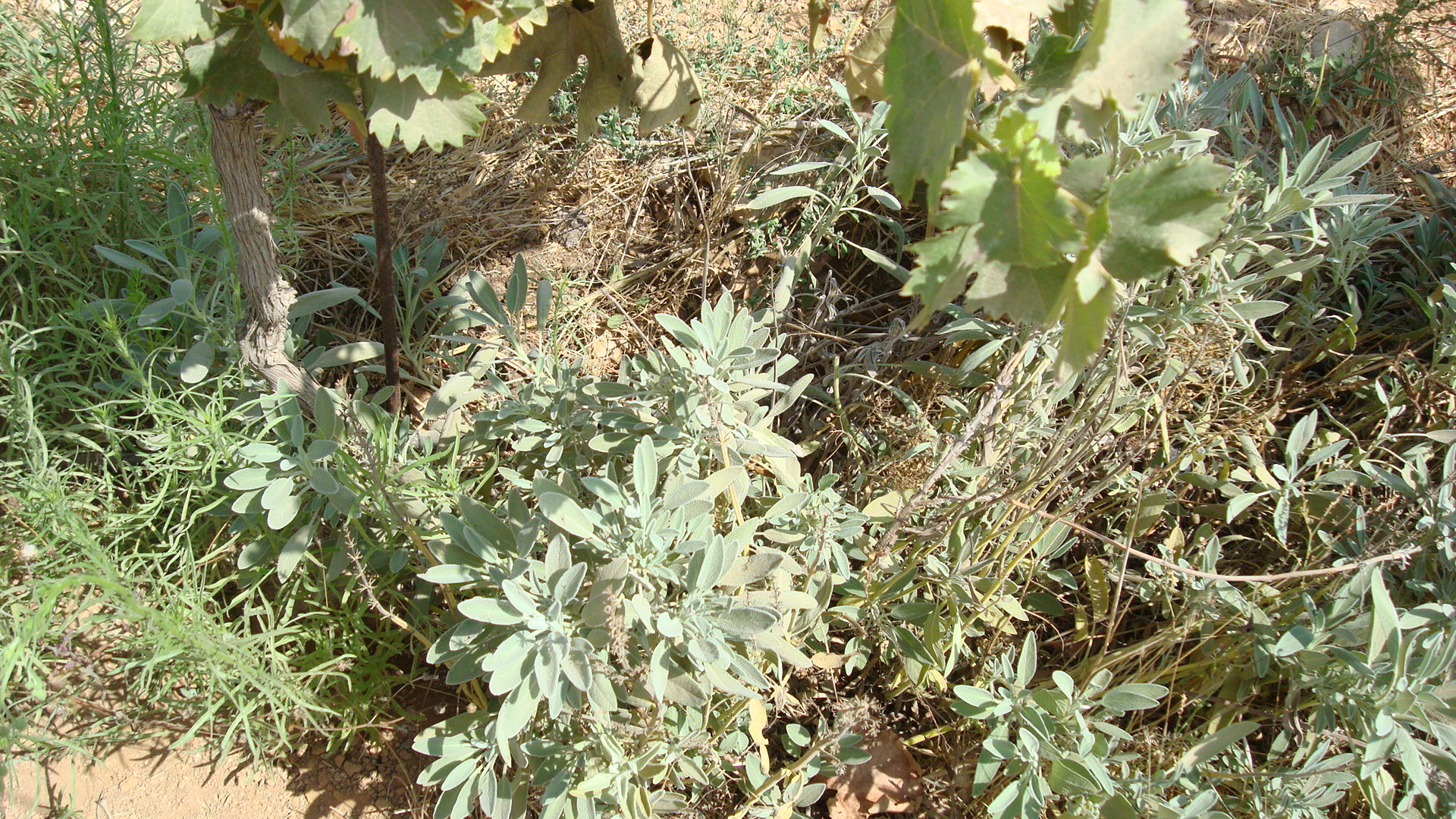
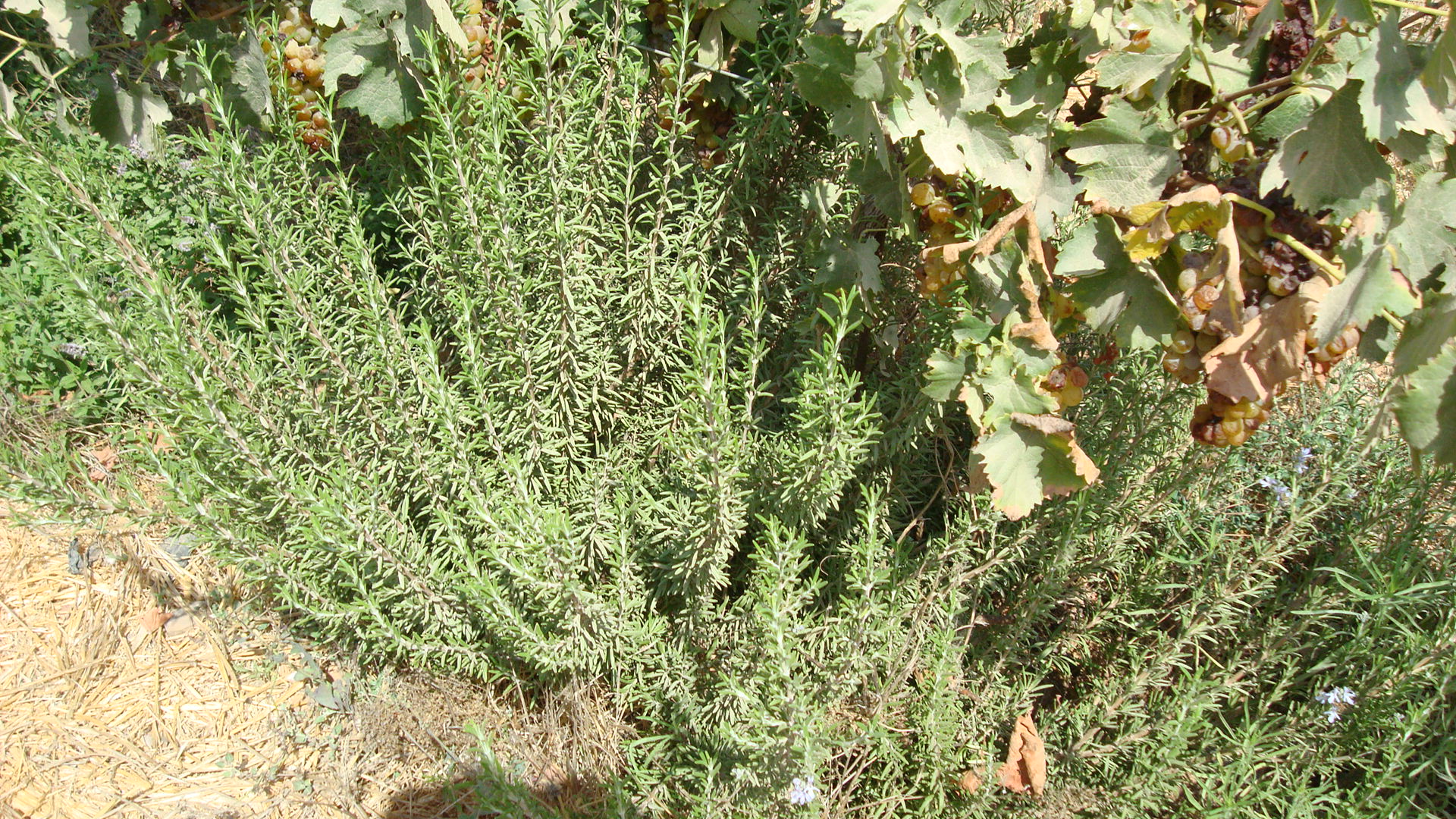
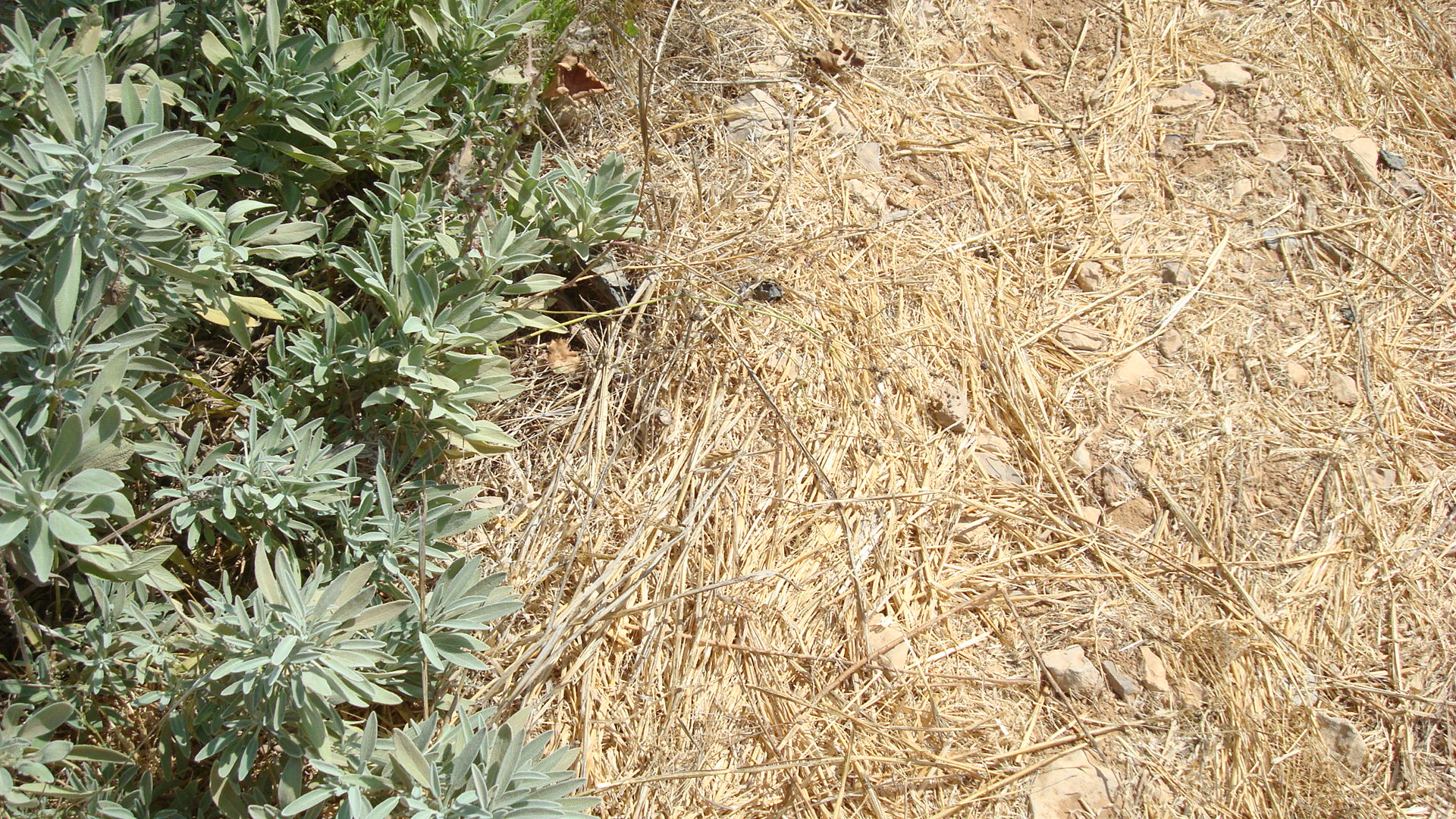
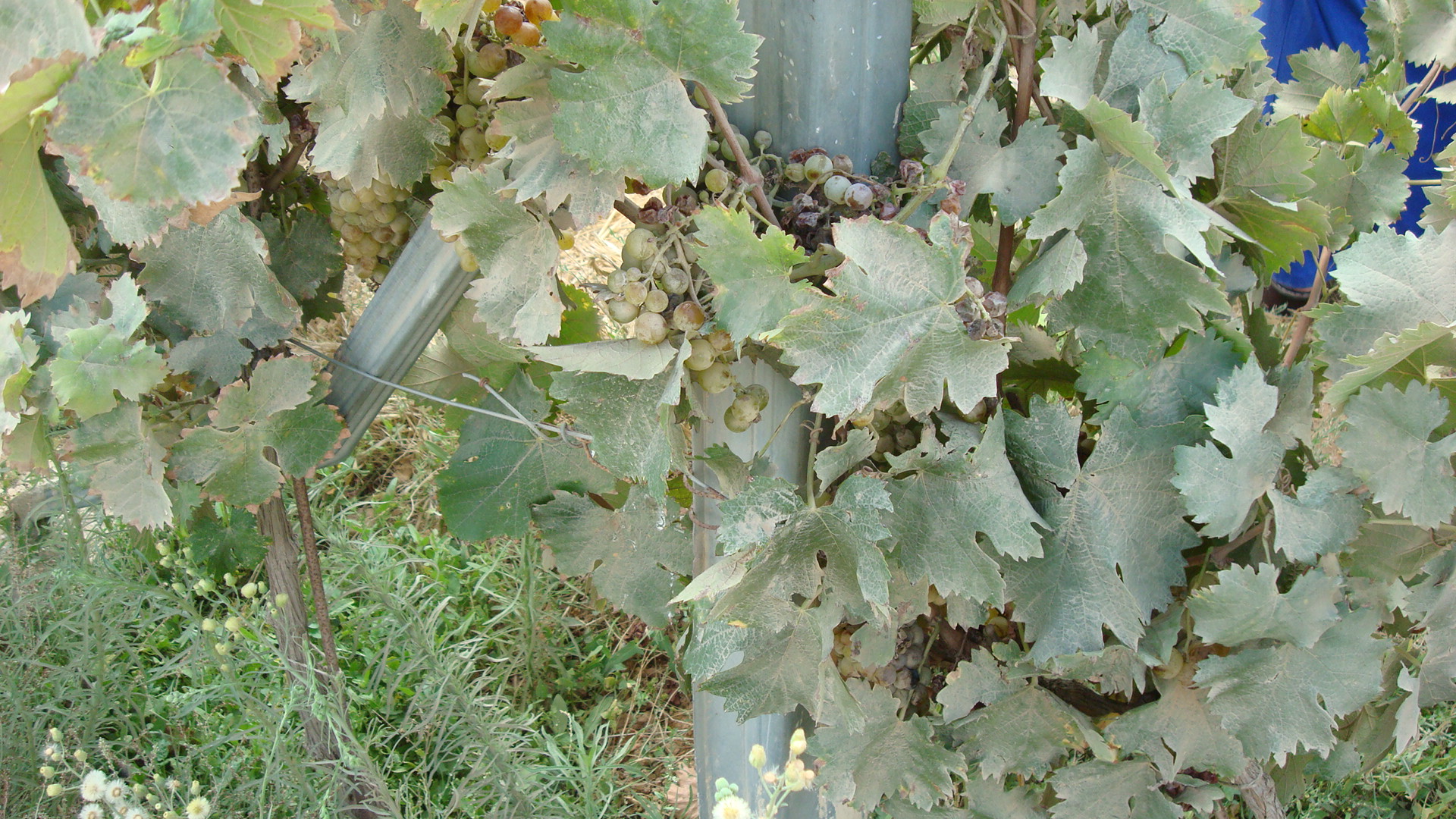
After our brief introduction to the winery, we walked us through rows and rows of vines, sampling Muscat, Pinot noir, Shiraz, Chardonnay, and lots of other grapes right off the vine. Planted alongside the vines are rosemary, sage, and mint– all natural insect repellents and on the ground of each row is barley to extract salt from the soil.
Sage
Barley
After the tour, we returned back to the main house and were treated to nine wines: 4 whites, one rose, and 4 reds and a fantastic lunch (As a side note, I was shocked to see the rose had 16% alcohol! ) Unfortunately, there was no gift shop–something they need to get working on.
Here’s a link to a CNN piece on St. George’s Winery.
It’s been awhile, I know. I’ve missed blogging and feel as though I’m just coming up for air after a long stretch of weekend teaching (just the last two weekends). As a result of ‘working,’ something that I haven’t done for a while, I’ve been neglecting my domestic duties (as Raj points out every time he opens the refrigerator door). What better way to jump back into the swing of things than with home-made bread. Want to be a hero or a goddess in your home? Bake this bread NOW. There’s nothing quite like the smell of freshly baked bread wafting through out of kitchen and into the rest of the house (apartment in our case).
Now you may be thinking that bread is for bakers (which I aspire to be) and a baker you are not? Never fear! This fabulous book that I’ve just recently cracked open (one of the few to travel with me) makes baking fuss-free and requires no-kneading. Is that even possible? Yes. The secret to this book is through letting the dough slow rise, which allows it to knead itself (it’s magic!). Additionally, most of the recipes are made in one bowl with one spoon–a dream come true for those unfortunate few like myself who lack domestic help (alright, I do have help, but only one day a week) or a dishwasher (I’m still dealing with this one).
For this particular loaf, I used a large Le Creuset pot. I was worried about placing the lid in the over (it has a plastic knob) because the manufacturer claims it can only be heated to 350 degrees and this recipe requires 400 degrees. I’m happy to report that the knob was fine, so you needn’t worry about ruining your $250 pot.
French Walnut Bread from Nancy Baggett’s, Kneadlessly Simple:
2 cups whole wheat flour, plus extra if desired
2 cups unbleached all-purpose white flour
1 tsp. granulated sugar
2 tsp. table salt
3/4 tsp. instant, fast-rising, or bread machine yeast
2 cups ice water, plus more if needed
Walnut oil or flavorless vegetable oil for coating dough top and baking pot
1 1/2 cups fresh, fine-quality walnut halves
First Rise: In a large bowl, thoroughly stir together the whole wheat and white flour, sugar, salt, and yeast. Vigorously stir in the water, scraping down the bowl and mixing until the dough is well blended and smooth. If the mixture is too dry to incorporate all the flour, a bit at a time, stir in just enough more water to blend the ingredients; don’t over-moisten, as the dough should be very stiff. Brush or spray the top with oil. Tightly cover the bowl with plastic wrap. If desired, for best flavor or for convenience, you can refrigerate the dough for 3 to 10 hours. Then let rise at cool room temperature for 12 to 18 hours.
Meanwhile, reserve 4 perfect walnut halves for garnish. Spread the remainder on a baking sheet and lightly toast, stirring several times, in a pre-heated 325 degree oven for 10 to 15 minutes, or until fragrant and just lightly browned. Let cool. Chop finely (in a food processor, if desired).
Second Rise: Vigorously stir the cooled walnuts into the dough. If it is not stiff, stir in enough more whole wheat flour to make it hard to stir. Using an oiled rubber spatula, lift and fold the dough in towards the center, working all the way around the bowl. Invert it into a well-oiled, then flour-dusted, 3-quart (or larger) heavy metal pot (or use a flat-bottomed round casserole with a lid). Brush or spray the top with oil, then smooth out the surface with an oiled rubber spatula or fingertips. Cut 1/2-inch deep slashes to form an X in the center top; well-oiled kitchen sheers work best. Put the 4 untoasted walnut halves in the angles of the X for garnish; press down very firmly to embed them. Cover the pot with its lid.
Let Rise Using Any of These Methods: For a 1 1/2 – to 2 1/2-hour regular rise, let stand at warm room temperature; for a 1 – to 2-hour accelerated rise, let stand in a turned-off microwave along with 1 cup of boiling-hot water; or for an extended rise, refrigerate for 4 to 24 hours, then set out at room temperature. Continue until the dough doubles from its deflated size.
Baking Preliminaries: 15 minutes before baking time, place a rack in the lower third of the oven; preheat to 400 degrees. Lightly dust the dough top with whole wheat flour.
Baking: Bake on the lower rack, covered, for 45 minutes. Remove the lid and continue baking for 20 to 30 minutes, or until the top is well browned and a skewer inserted in the thickest part comes out with just a few particles clinging to the bottom (or until the center registers 207 to 210 degrees F on an instant-read thermometer). Then bake for 5 minutes more to ensure the center is done. Cool in the pan on a wire rack for 10 minutes. Remove the loaf to the rack, running a knife around the edges to loosen it, if necessary.
Serving and Storing: The loaf tastes and slices best at room temperature. Cool completely before storing airtight in plastic or foil. The bread will keep at room temperature for up to 3 days, and may be frozen, airtight, for up to 2 months.
There’s too much history related to Petra to even begin to do it justice so I’ll paraphrase thousands of years of history into one short snippet. Petra is located in the southern part of Jordan, in the midst of the Shara mountains. Due to the impenetrable towering barriers of rock, it’s not surprising that it wasn’t discovered sooner. (In 1812, a Swiss explorer entered the Siq in heavy disguise in the company of a local guide).
The Nabateans are the people who settled Petra, originally known for raiding caravans that passed through on the valley floors but eventually changing tactics by offering safe passage and a place to do business for merchants. Petra’s golden age was in the first century BC and AD. The Roman author Strabo describes Petra as a “wealthy, cosmopolitan city, full of fine buildings and villas, gardens and watercourses, with Romans and other foreigners thronging the streets, and a democratic king.” Despite Petra’s wealth and power, the discovery of the monsoon winds began to cause a shift in trade patterns. Overland routes from Arabia were being abandoned in favor of transport by sea, leaving Petra hard hit. Additionally, Rome was sponsoring the diversion of inland trade away from Petra and directing it into Egypt and Syria. Eventually, Petra fell into Roman hands and became a principle center of the new Provincia Arabia. Christianity was adopted as the official religion of the empire in 324, but for many decades the Nabateans mingled elements of the new faith with remnants of their own pagan heritage. There was a massive earthquake in Petra in 363, leveling half of it. By the time of the Islamic invasion during the seventh century, Petra was more or less deserted. In 747, another earthquake hit, possibly forcing the remaining stragglers to leave.
The Bdul tribe has been occupying Petra’s caves for as long as anyone can remember. In the early 1980s, the Bdul tribe was offered (more like forced) to move out to a settlement offering the prospect of electricity, running water, health care, and better education. The Bdul eventually departed, but their caves are still visible throughout the landscape.
Petra by Day
Petra by Night left me excited to venture into the park by day. It was even better by day and the natural beauty of the landscape and grandeur of the structures leaves you in awe of the ingenuity of mankind. One day is certainly not enough time for exploring in any thorough fashion. We plan on returning, hopefully soon, to go beyond the four hours that we alloted ourselves before turning back. Rather than walking you through the pictures, I’ll post them below in a gallery. The pictures do more justice of the site than my words can convey.
And breaking from the usual historical commentary, I’ve decided to include some personal highlights, the kind that aren’t fit for printing anywhere other than my blog. You may need these quips if you’re ever in this part of the world.
Personal Highlights Not Fit for a Guidebook:
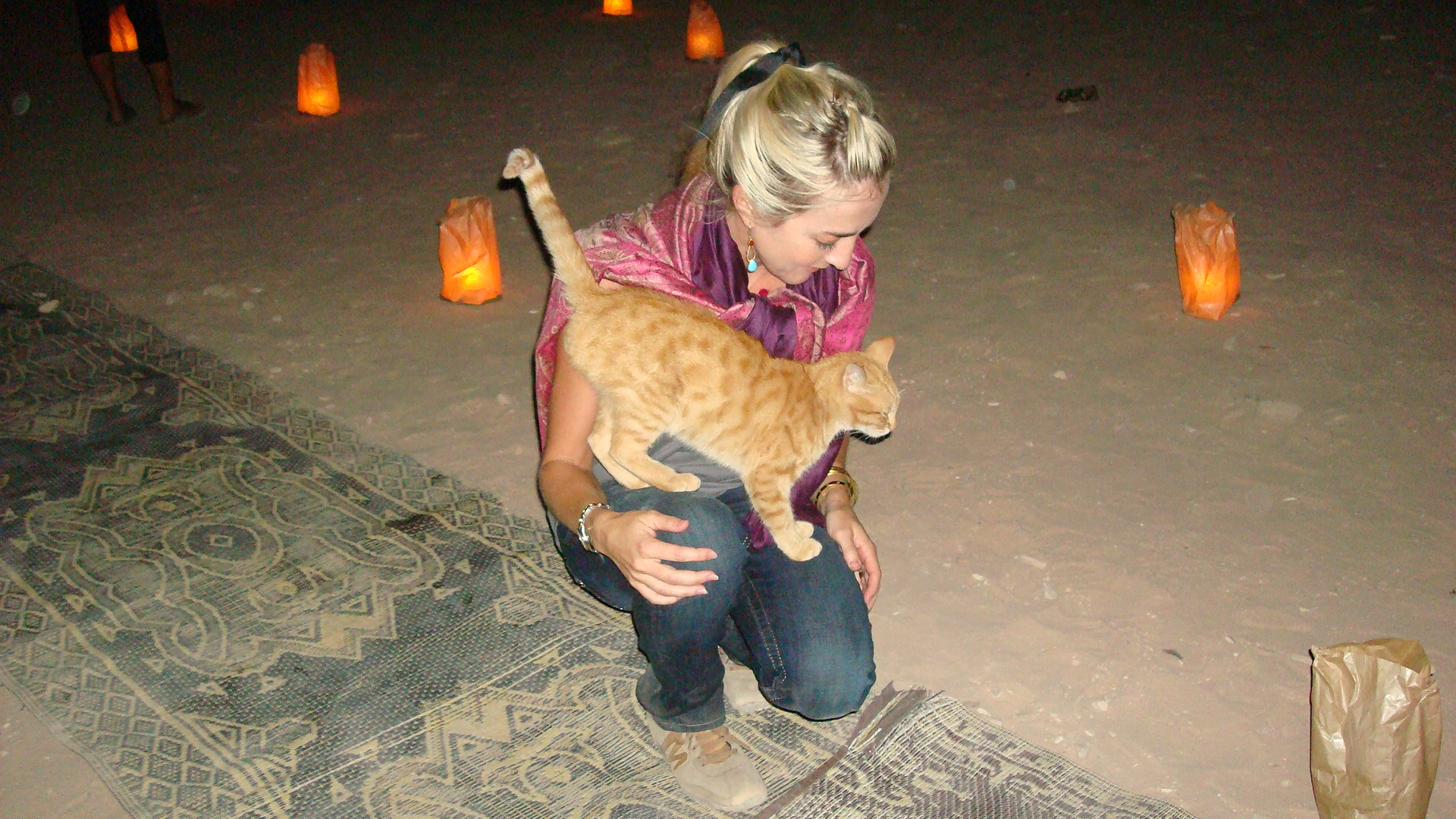
There are cats and kitties EVERYWHERE and they are extremely friendly. If you are a cat lover, you are in HEAVEN. If you mildly like cats (as I do), then you’ll be happy too because they want affection.
Lots of dogs live in Petra too. They live a sadder life than the cats. They are super skinny, still friendly, but you’ll feel sad for them because you can see ALL of their ribs (and one was limping too).
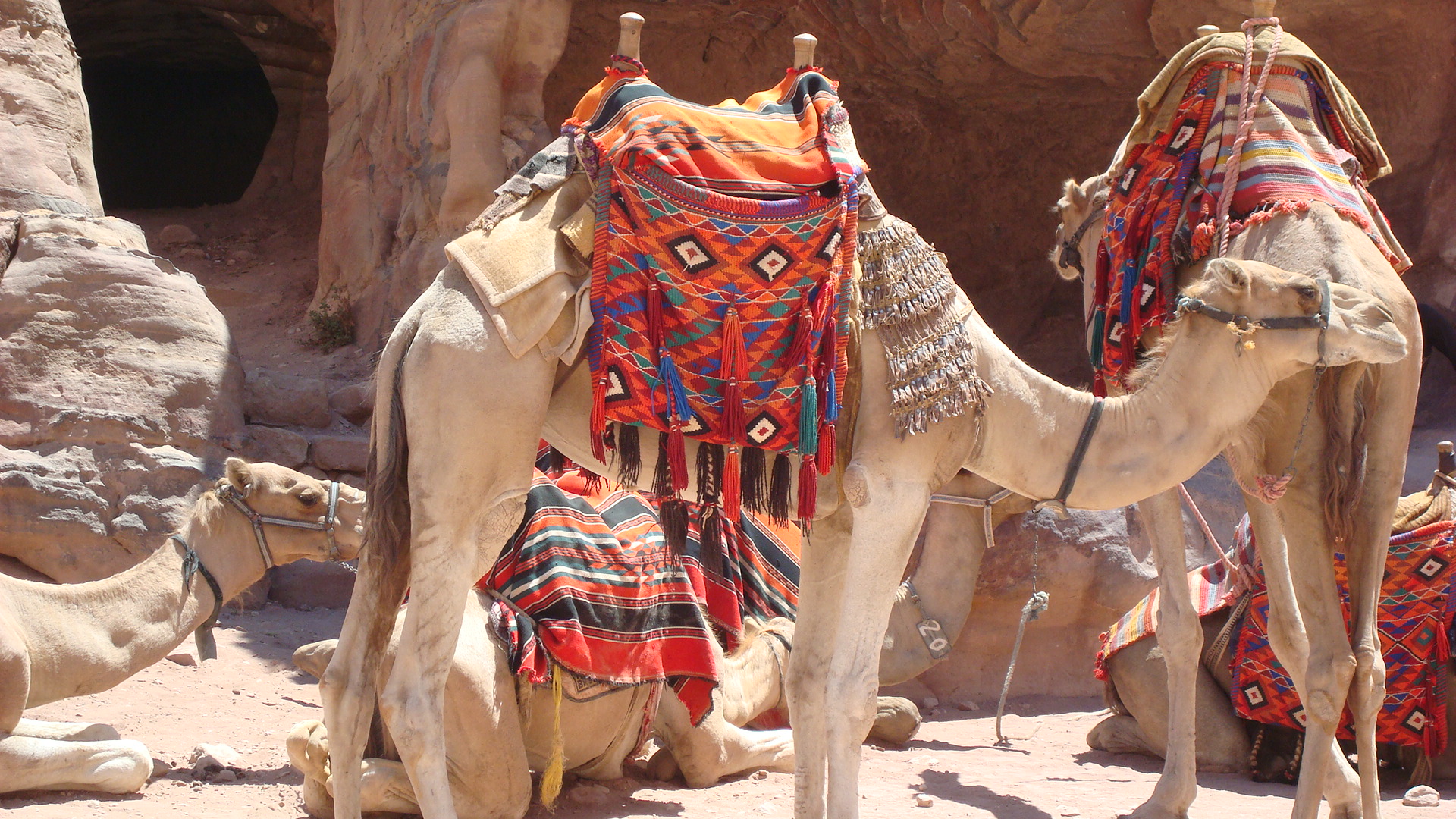
Donkeys, camels and horses rule to roads here. What I liked reading in the guidebook was that if you see any cruelty going on with the animals, you can report it to a ranger. I didn’t see any rangers and they’d probably laugh at me or pretend to make a report, but making a note of this, I vigilantly watched for ANY animal cruelty, ready to report.
I asked Raj if there were bathrooms in the park. He said no (he’s only been there once without me) and so I went before we entered. Something I really dislike here are the unofficial bathroom attendants. Yeah, I know, it’s very sad that women have to make a living this way, but I hate having to tip a woman for sitting in the corner of the bathroom who supposedly keeps the place clean. After an hour of walking, I was desperate–despite using the facilities before we walked in. Replaying what Raj had said about there not being any bathrooms inside, I got VERY excited when I saw a port-a-potty. I went in and was disgusted by the liquid you know what on the seat…AND there was an ATTENDANT outside who I gave money to. I’m not sure why because I can tell you she wasn’t keeping anything clean. Just so you know, I found two more bathrooms further down the path–of the REAL kind (not port-a-potties), that were decent, with running water (ok, not a flushing toilet). These too had attendants.
Children here are charlatans. And they are EVERYWHERE selling EVERYTHING imaginable. Alright, this falls into the sad category too and had my sister been here, she would have left the park with cats, kittens, curs and hundreds of ugly necklaces and postcards from the throngs of children shilling their wares (she might have taken the children too). My favorite tactic was from a tenacious tween named Aiysha. She approached us while we were viewing the theater. She came up to us speaking perfect English, asked where we were from and if we wanted to buy any of her “beautiful necklaces.” We both quickly said, “No, thanks.” She told Raj, “Buy one for your beautiful wife.” Raj said, “No, thanks,” again. Didn’t work. She sidled up to me and handed Raj a necklace, “For your wife.” Raj said, “No,” again firmly and she said, “For free because I like your wife.” The handing of the necklace went back and forth about six times until we were forced to walk away. Alright, I know, I felt really sad. She mentioned that she “wanted to start her own business…” Didn’t work on Raj. As we were walking away, she asked Raj, “On the way back, for only 1 JD?” Raj said, “On the way back.” “You promise,” she shouted back. “Yes!” I was dreading the way back and rightly so. On the return, she immediately spotted us, running up to Raj. Before she had a chance to plea he said, “$1 JD for the necklace.” “No, $2 JD,” she responded, changing the agreed upon price. Oh, no. Raj did not like this sweet siq urchin switching her prices! To get her back for “lying” about the price for the necklace I didn’t even want, he said, “No! Give me 2 necklaces for $1 JD.” (“On principle, he told me.) Good God, I thought. He’s trying to rip her off now and she wants to start her own business! We didn’t buy any necklaces from her. Raj’s feeling were hurt because she lied to him. She was hurt because she didn’t sell anything. I was happy that I didn’t have the necklace that would have reminded me how sad the situation was.
People watching is at a premium here. I liked seeing all of the people dressed up in dresses, some in heels, lots of purses, for the trail walking. I’m not sure where they thought they were headed, but sand, dirt, and hiking do not go well with leather handbags and heels.
The locals have American colloquialism down. I can’t tell you how many of the vendors told us it was “Happy hour,” trying to sell us drinks (water, that is). The camel and donkey peddlers offered, “Air conditioned rides,” and “Lamborghini’s.” One camel guy made an offer of, “You want a @#$%ing camel ride?” I’m not sure if this was meant to be funny, mean, or if he didn’t know what he was saying. Lastly, on the way out of the park, I overheard a guide trying to hustle a woman into hiring a horses. She obviously didn’t like the prices quoted and said, “No thanks,” to which the guide said, “No money, no honey.” A few seconds later he added, “No chicken, no curry.” I’m not sure about the second one…but I love the locals’ command of the English language.
I FINALLY convinced Raj to take me to Petra. He’s been telling me for the past three months that it’s too hot and we’d go…later…With nothing to do and nowhere to go NOW, we finally made it happen this weekend.
Petra by Night
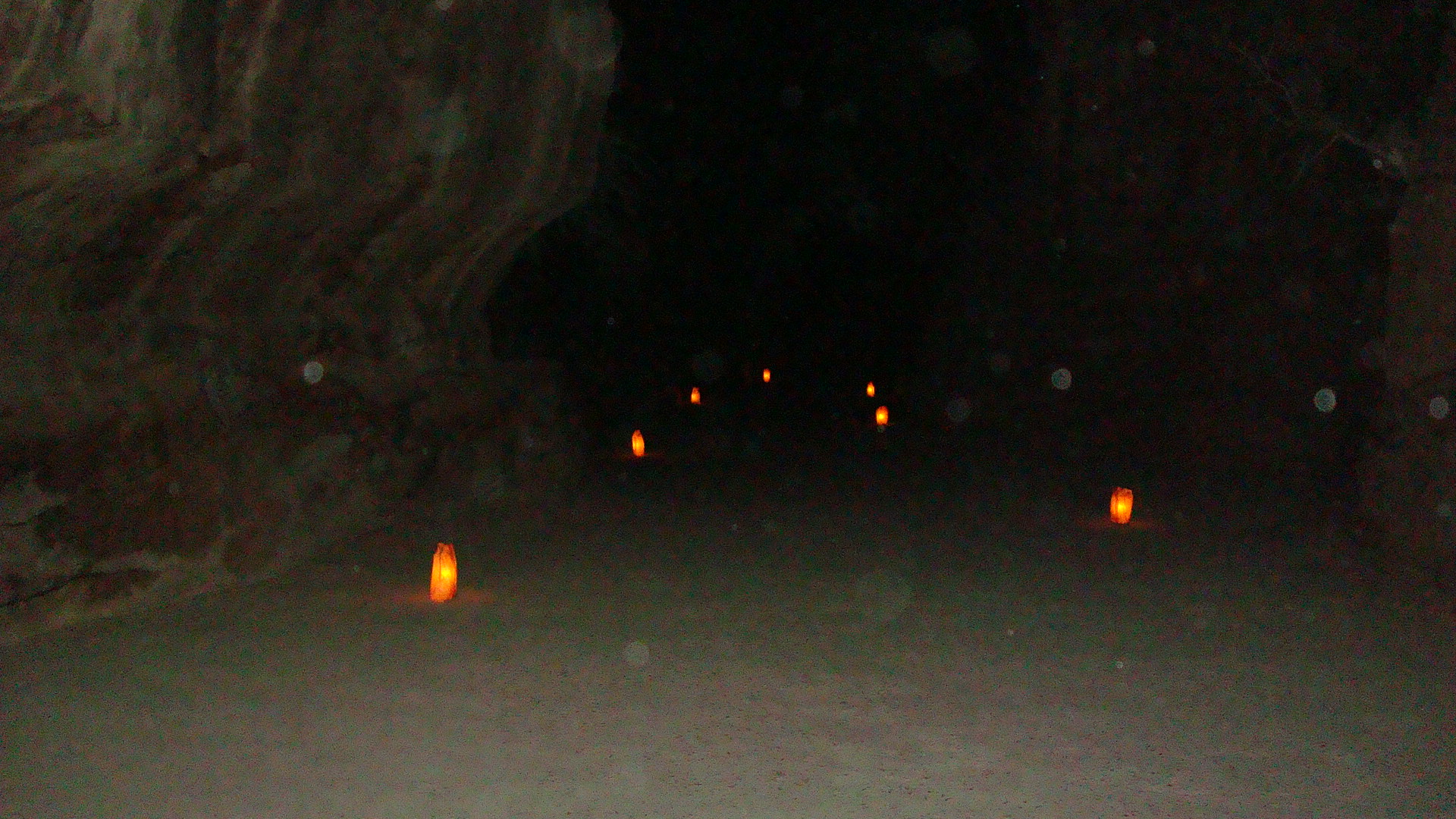
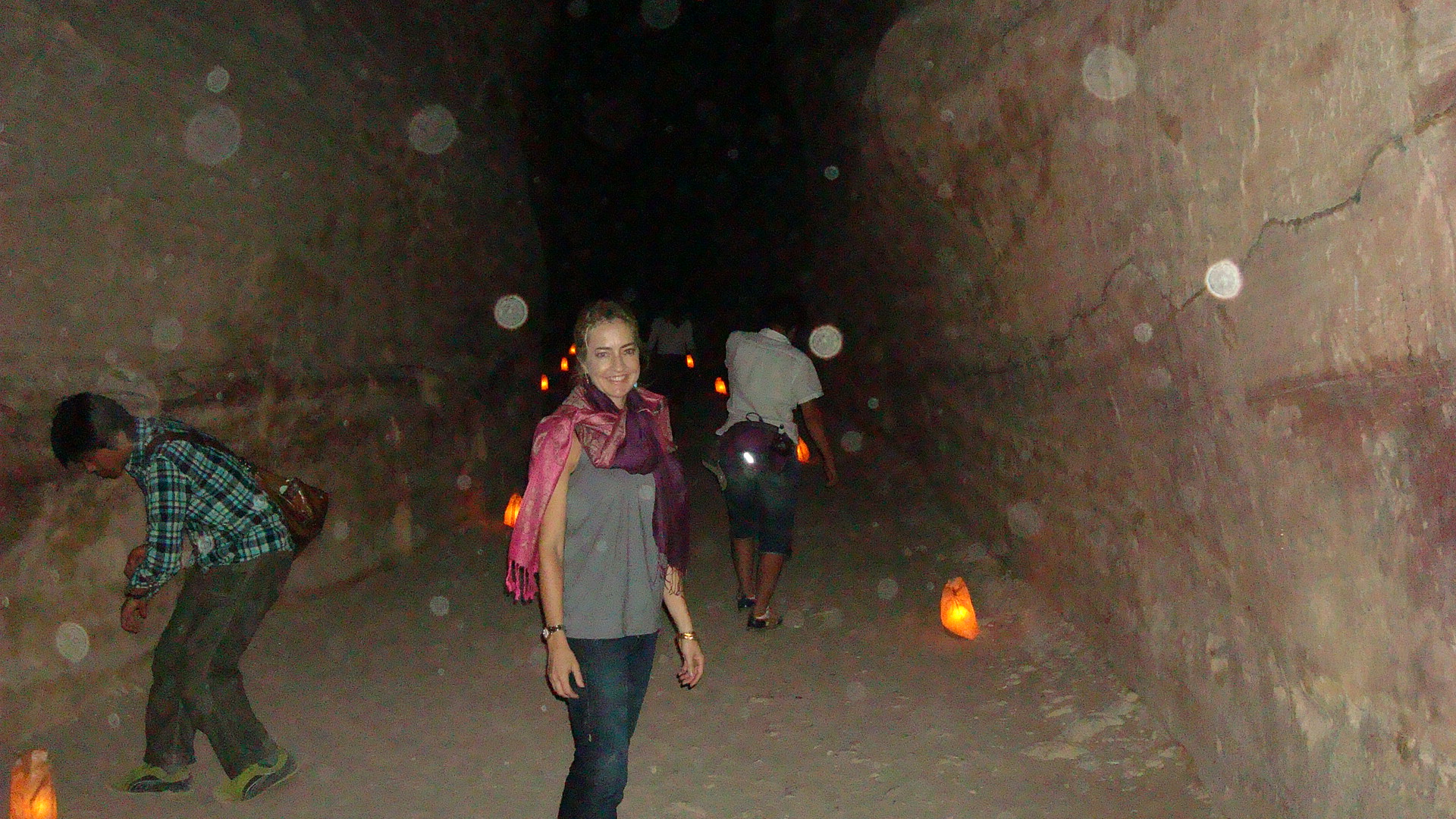
The Candle-lit Path
I was insistent that we go during the week because I really wanted to see “Petra by Night,” an after-dark guided excursion through the canyon (only offered three times a week, Monday, Wednesday & Thursday), lit only by candles (luminaries). Keep in mind, this is no “Lights of Liberty” tour where you have to wear headphones while emotive music is played to enhance your experience as you’re walking through historic sites, nor is it a pre-recorded, laser light extravaganza like the kind you see at the Mayan Pyramids in Mexico where a booming voice recounts the glories of the past while lasers and sound effects pollute the night sky. I found Petra by Night to be an amazing experience precisely for its lack of pomp and commercialism.
The gates open at 8:30 and you’re welcomed into the main gate. The walk takes about twenty minutes, mostly in silence if you’re lucky enough to be in the right company, which enhances the experience. It takes a little while for your eyes to adjust, but once they do, the night sky and the shadows flickering off the canyon walls are magical. When you finally reach the Treasury plaza (best known as the temple from Indiana Jones and the Last Crusade), the facade of the Treasury is illuminated from hundreds of candles in the sand. A guide seats you, either onto carpet on the sand in front of the plaza, or on a bench along the canyon wall, and then everyone is served Bedouin tea. Once everyone is seated, a Bedouin musician sings a folk song, followed by a another one on a pipe, and then a little bit of history is recounted by a guide. The whole “show” lasts approximately 45 minutes, just the right amount of time without making it too long or too short. Guests are invited to linger a little longer, and then walk back out along the candle lit path, back to the entrance.
Through the Canyons
Inside the Treasury PlazaSweet kitty who wanted lots of loveEn route back



































 Jen Maan in Amman