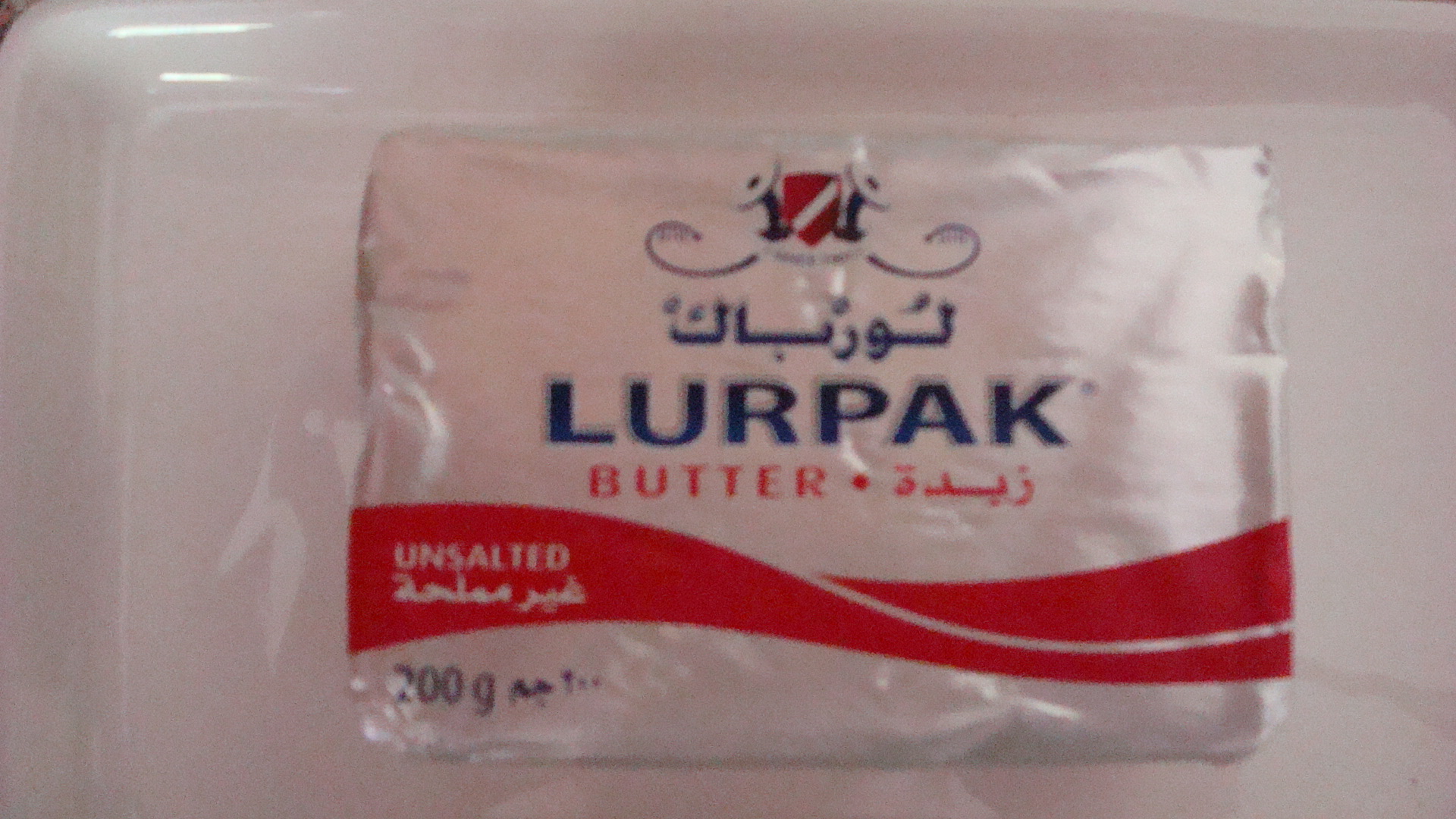
You’re living in Jordan. You like to bake and are used to using unsalted sticks of butter like the one below. Notice anything different about the stick of butter? The size? The width? The package?
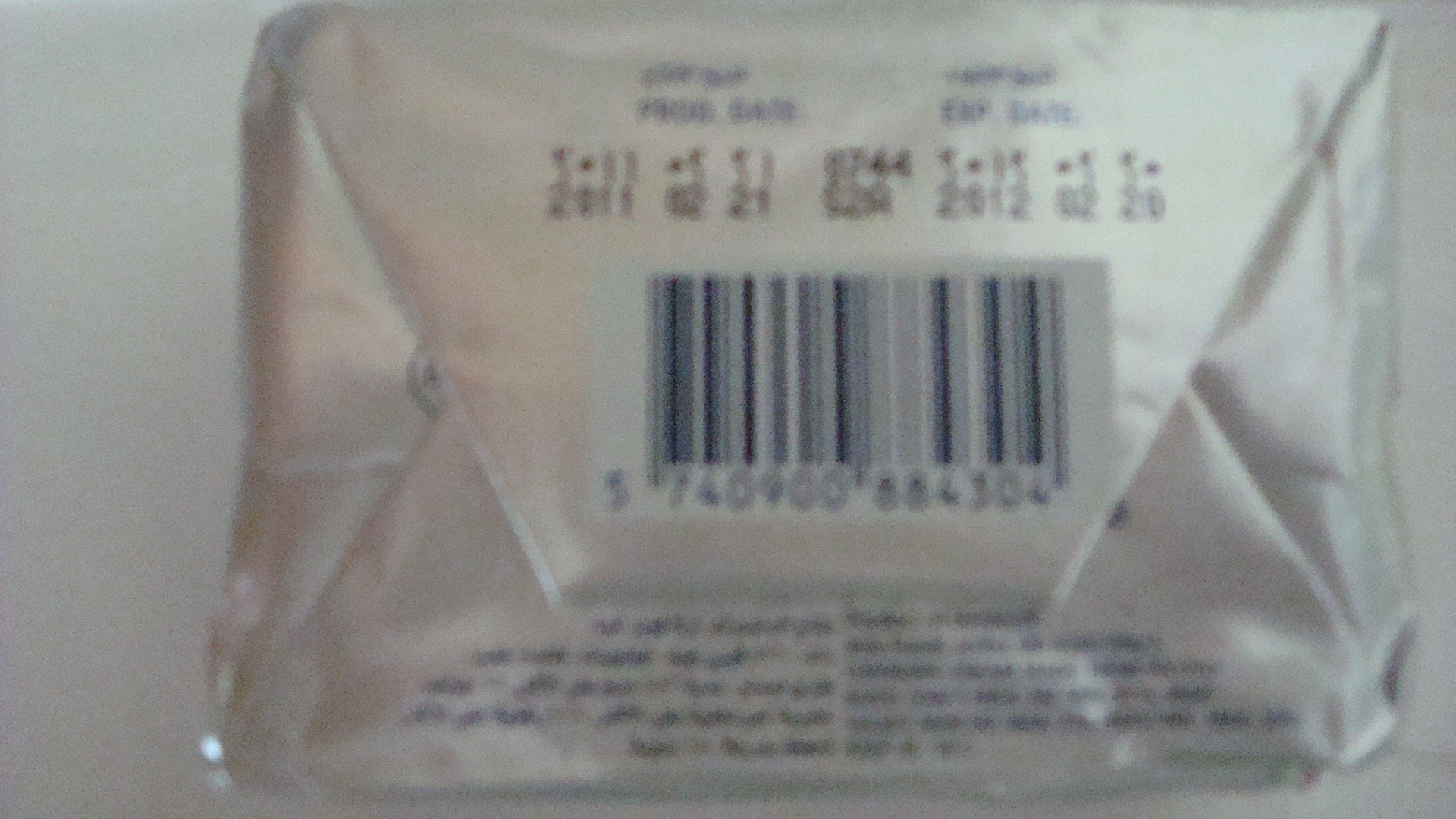
Say you want to make chocolate chip cookies for your STARVING and sweet-deprived husband. You need 10 tablespoons (or 1/2 cup of butter, plus 2 tablespoons). Normally, you’d use one stick of butter (equalling 8 tablespoons) and cut two additional tablespoons from another stick, right? You buy what look like ordinary sticks of unsalted butter at the grocery store, but…there’s always a but here….you open up the packaging and are puzzled. There ARE NO TICK MARKS on the packaging to indicate the measurement of butter. What do you do?
a. You get out a tablespoon and manually measure the butter (all 10 of them, what a waste of time and end up making a BIG mess–remember, you don’t have a dishwasher, either).
b. You make an estimate, knowing full well that you may have wasted PRECIOUS ingredients that are hard to come by here (chocolate chips) and are insanely expensive (pure vanilla extract–kept in the safe next to the salami).
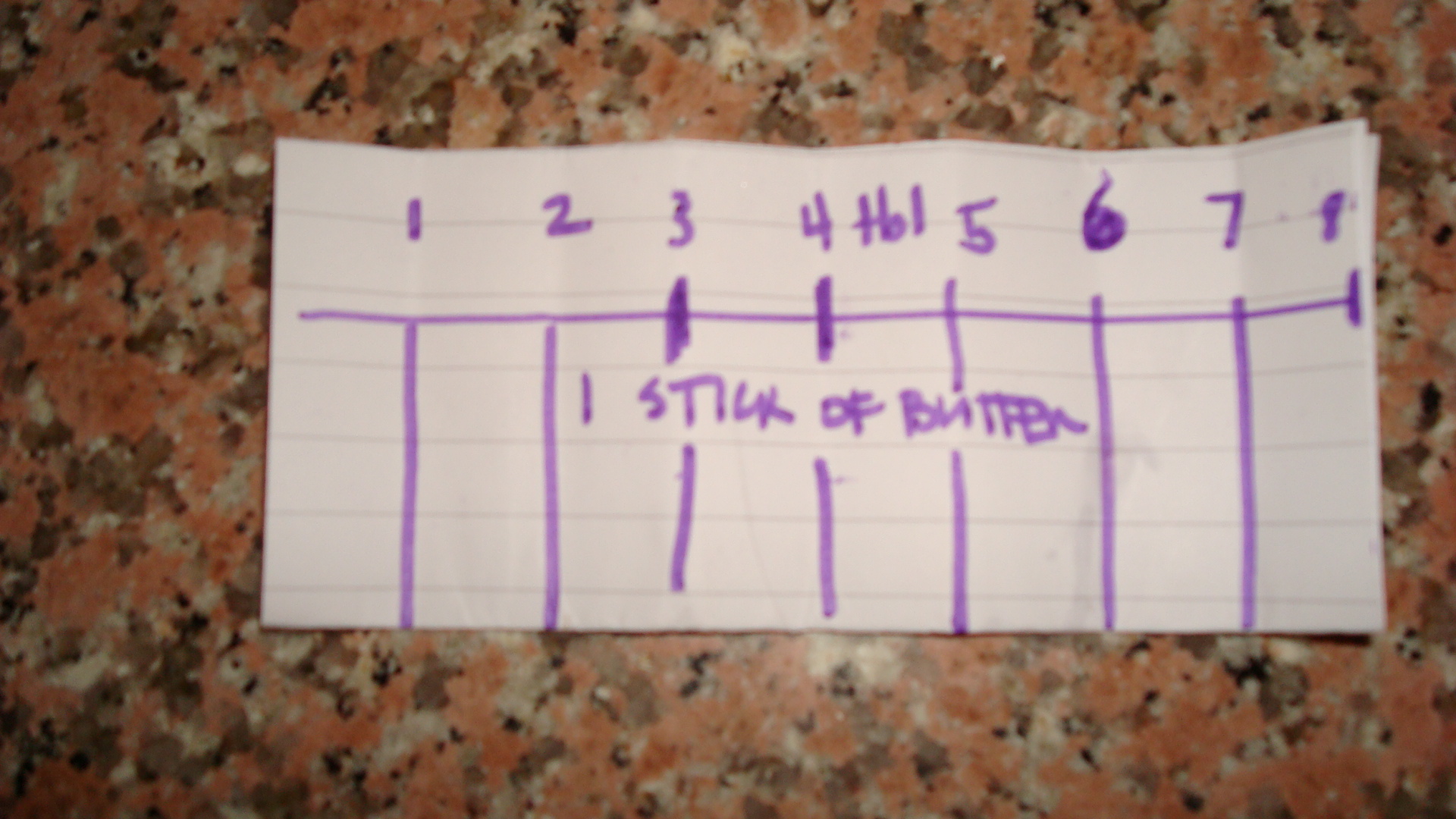
c. You attempt to get resourceful and create your own measuring device.
d. You cry and get upset that your husband made you come here to the land of butter without measurement.
e. You _______________ (fill in the blank with your own response).
I’m sure there’s some logical explanation for how people here measure butter here, but I’m fresh out of ideas…
My answer?
C
Here’s my first attempt at creating my own measuring guide. It worked for the single-wide sticks, but threw me off on the BIG-DADDY, double-wide sticks.
Option C.
The next conundrum: how to measure a double-wide stick of butter.
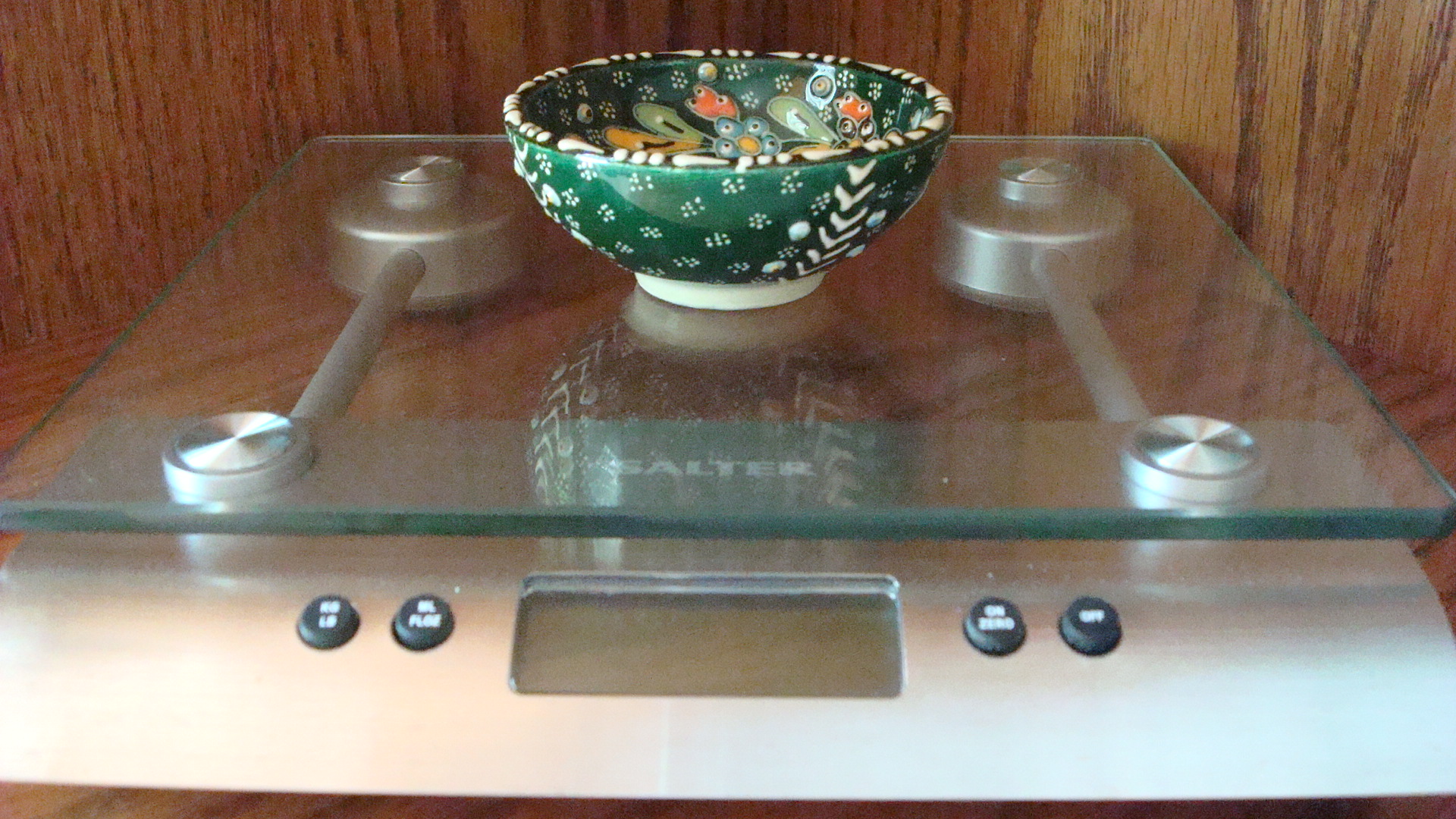
Luckily for me, my sister had forwarned me prior to moving (and based on her experiences cooking in Italy) that I’d need a scale for measuring ingredients. I bought the scale a while ago, threw it under a cabinet, never to be seen, until the butter threw me for a loop! As I was unpacking the scale I discovered, to my utter delight, a conversion booklet for all sorts of things. I flipped to the page titled “fats” and hit pay dirt. OMG! Hallelujah! Now I’m able to accurately measure my butter (along with other “fats” using the scale).
Problem solved, for me at least, so I suppose the real pop-quiz here is: How do Jordanian’s convert their sticks of butter into tablespoons?
We finally made it to Citadel Hill! This was our second attempt (after getting horribly lost the last time) in one month. It was no easy feat either; we had to go through City Center, the flea market area, which was more happening than normal. I saw fake Louis Vuitton’s on the street too, if anyone’s interested.
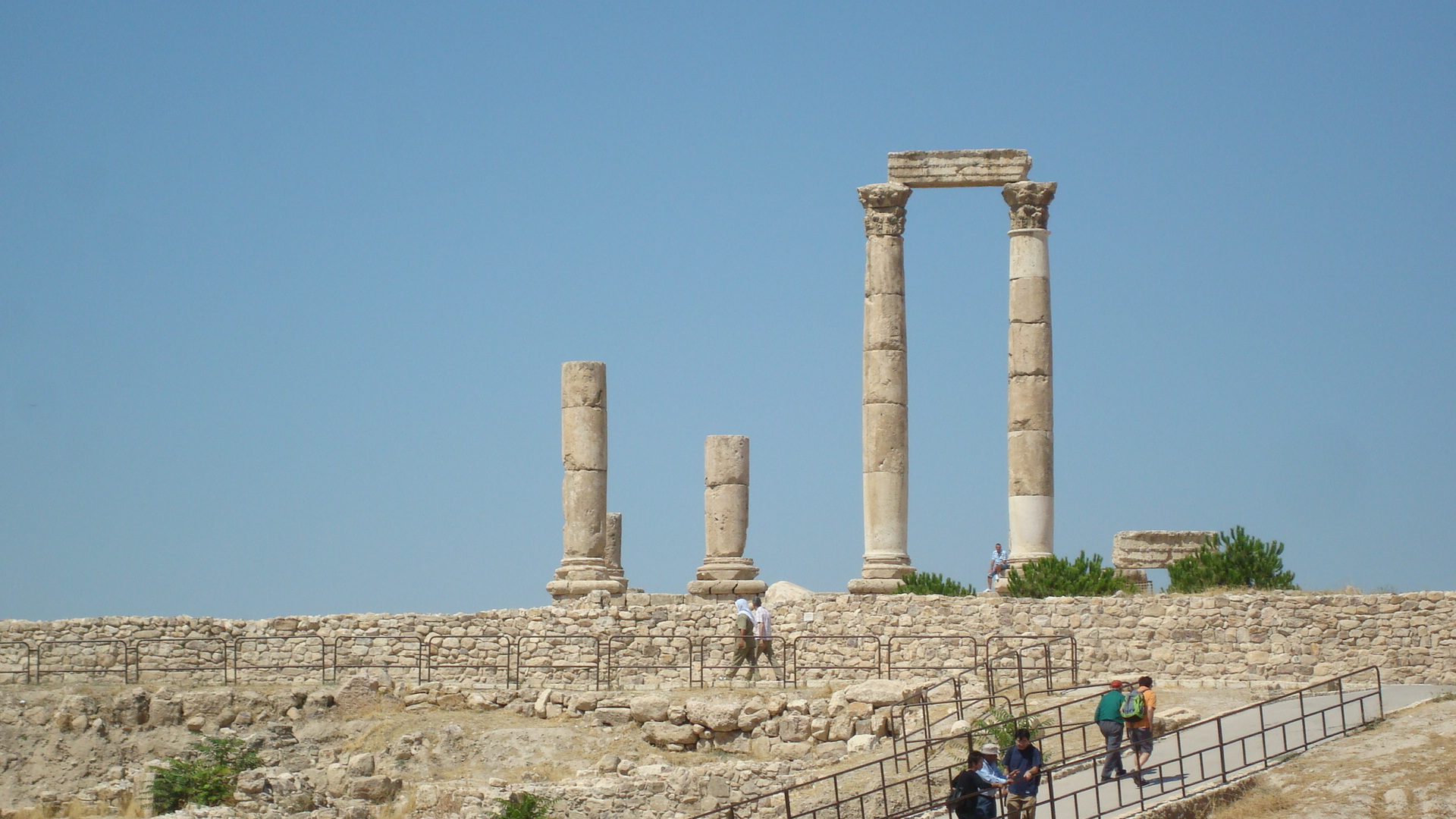
Citadel Hill, or Jebel al-Qal’a has been a happening place since the Paleolithic Age (that’s 18,000 years in case you don’t know your ages–I had to look it up). When the Romans moved in, they cleared away previous civilizations by chucking stuff over the hills, leaving heaps of archaeological booty. The two main features of the Citadel include the Temple of Hercules and the Umayyad Palace.
Temple of Hercules
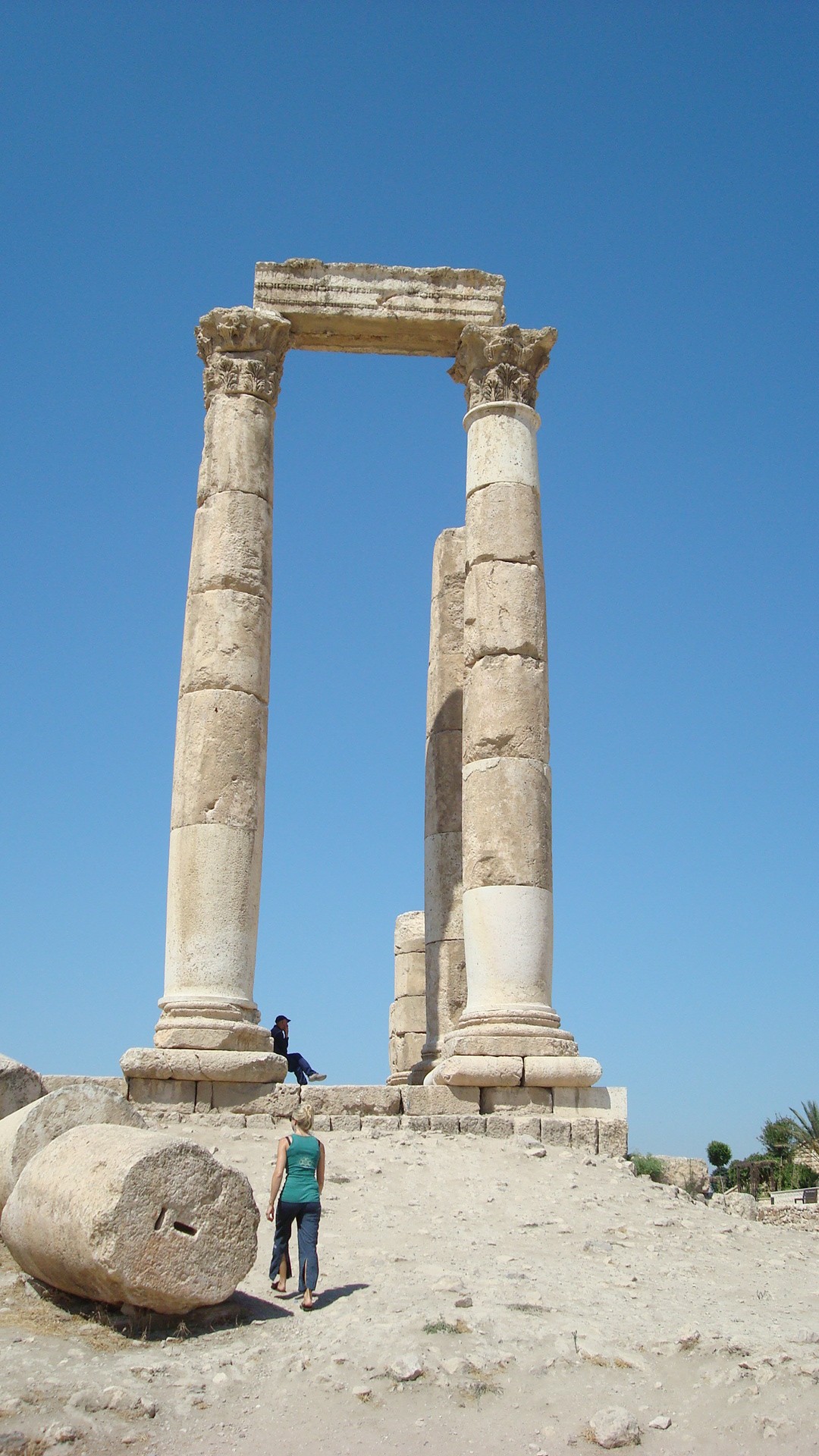
The Temple of Hercules was built around the same time as the Roman Theater (across the hill). Remember when that was? Didn’t you read my post? [It was built between 169 and 177 AD]. The columns were re-erected in 1993 and lead to the inner sanctum (a.k.a. the cella). Within the inner sanctum, there’s a patch of bare, exposed rock believed to be ‘sacred rock’ that formed the centerpiece of the 9th century BC Ammonite Temple of Milcom. The dedication to Hercules isn’t really known, but due to the large amount of coins with images of Hercules, they believe it’s all in his honor.
Temple of HerculesRoman Theater across the wayYou can see how massive the columns are in relation to me.
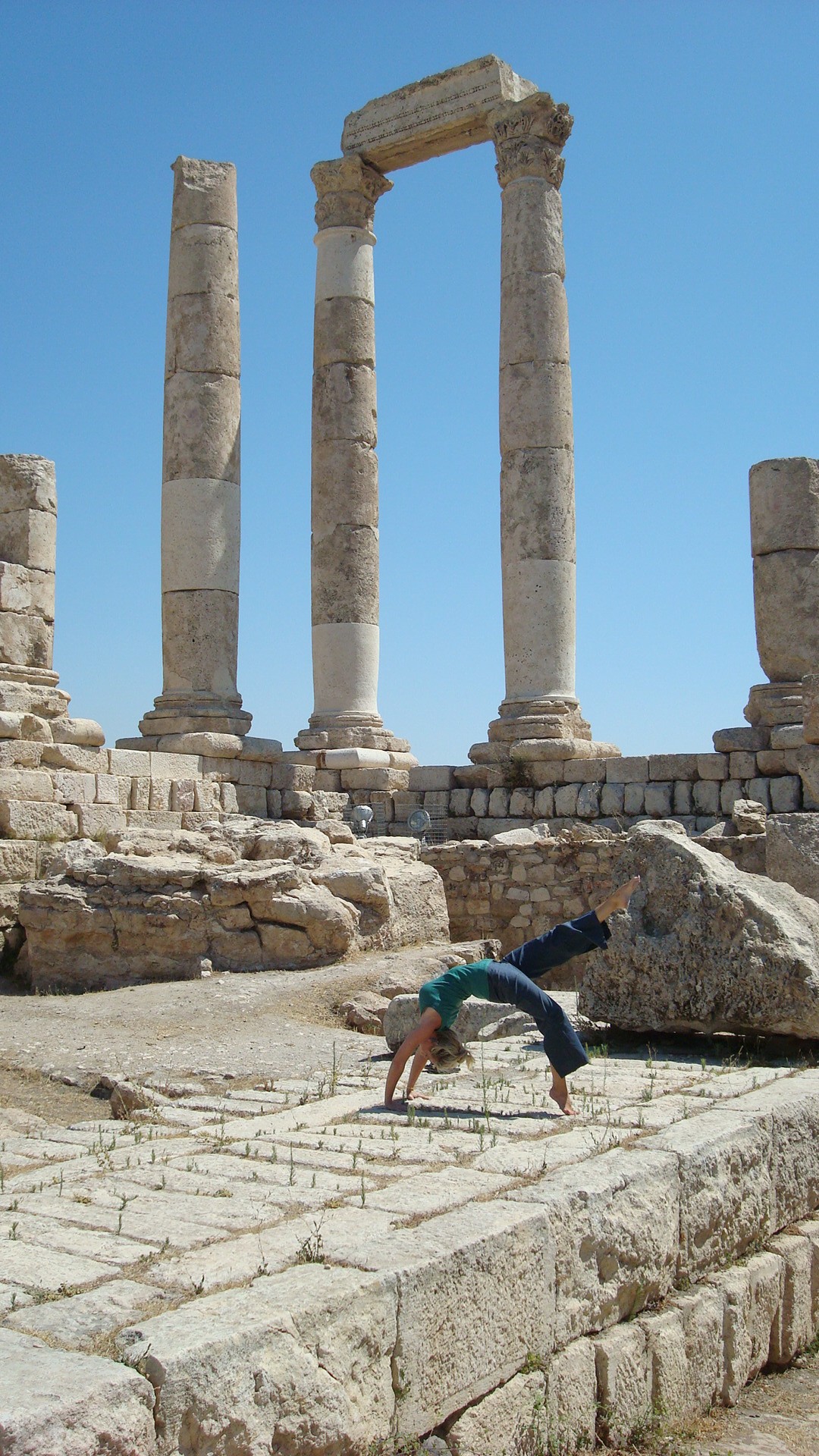
Yoga Graffiti!
No trip to ruins would be complete without a few yoga graffiti poses to which I have to thank Raj, the photographer. Don’t think I’m the only obnoxious yogi who does this either! As it turns out, there was a guy traveling alone who asked us if we could take a few pictures of him meditating, which we gladly did. He’s a yoga instructor from Mexico.
Scorpion on the "sacred rock" of the Ammonite Temple
The Umayyad Palace
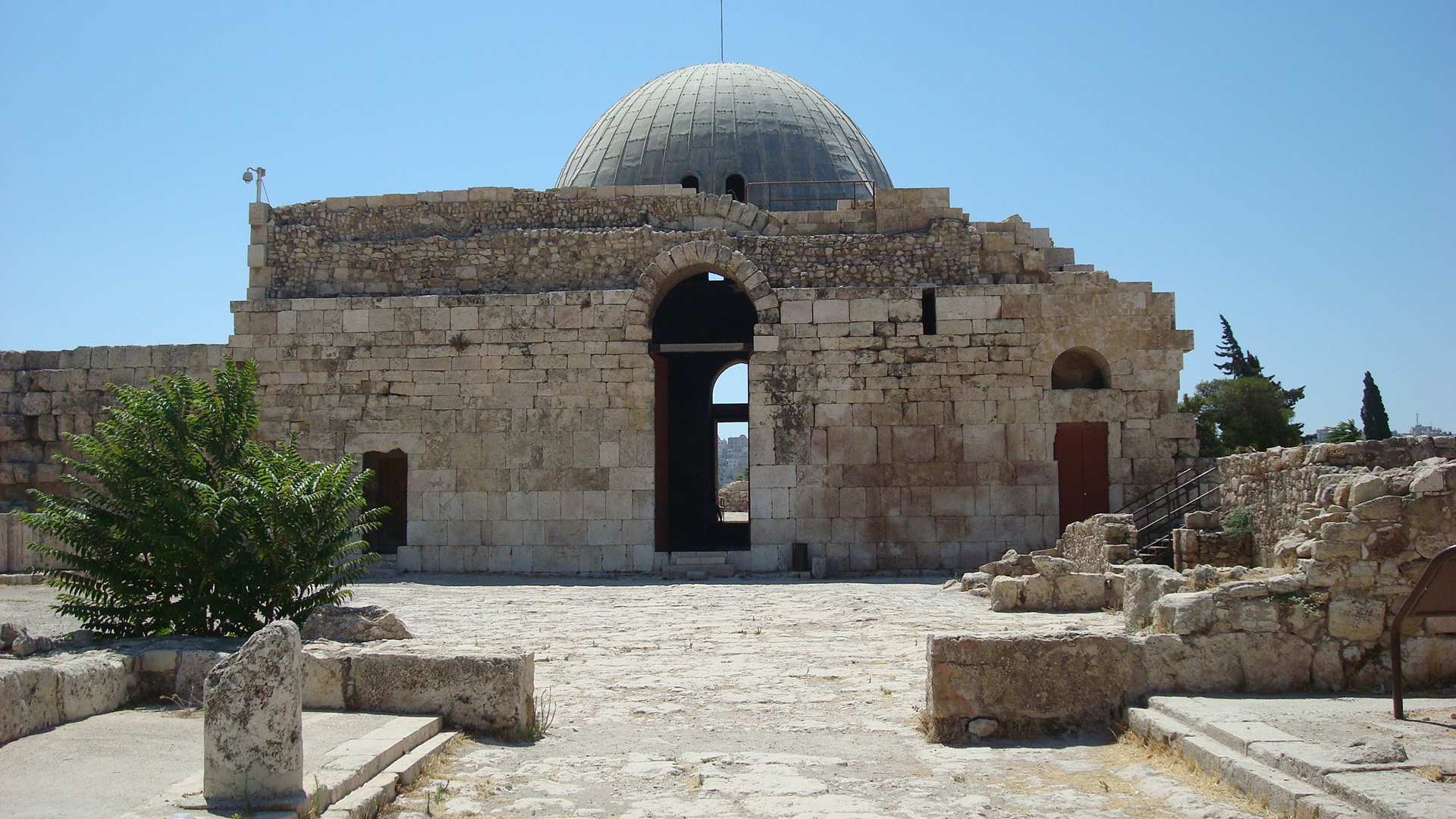
Beyond the Temple of Hercules are the ruins of a small Byzantine church, in front of which stands the Umayyad Palace. The palace was built over the remains of a pre-existing Byzantine building, which is why it’s in the shape of a cross. There’s a dome on top of the palace, which is rife with controversy as to whether or not it’s historically accurate or if there ever was a dome on top. The interior of the palace is massive, much more so than you would expect from the exterior. As you exit the palace on the other side, opposite the entrance, you walk through a colonnaded street that leads to what are believed to have been administrative offices.
Small ruins of Byzantine churchThe Umayyad PalaceInterior of Umayyad PalaceOpposite entrance of Umayyad Palace
There’s a museum up here as well that houses a collection of interesting artifacts found on the the site of Citadel Hill. I found these ‘pod’ shaped coffins to be the highlight of the collection. I’ve never seen anything like them. They’re constructed of pottery and remind me of the pods from the movie Cocoon. Remember that movie? It was horrible, but I think they stole the idea from these pods.
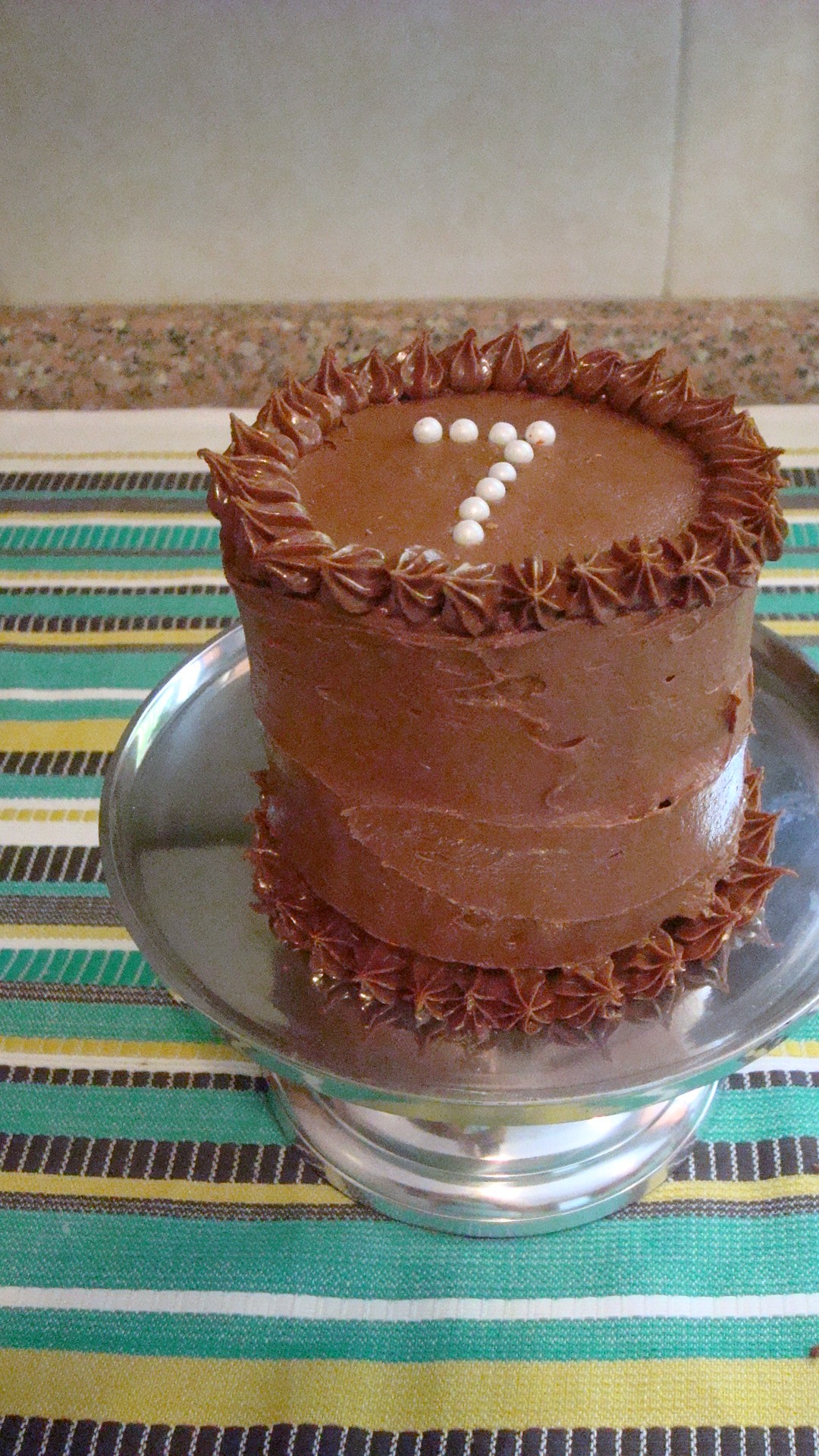
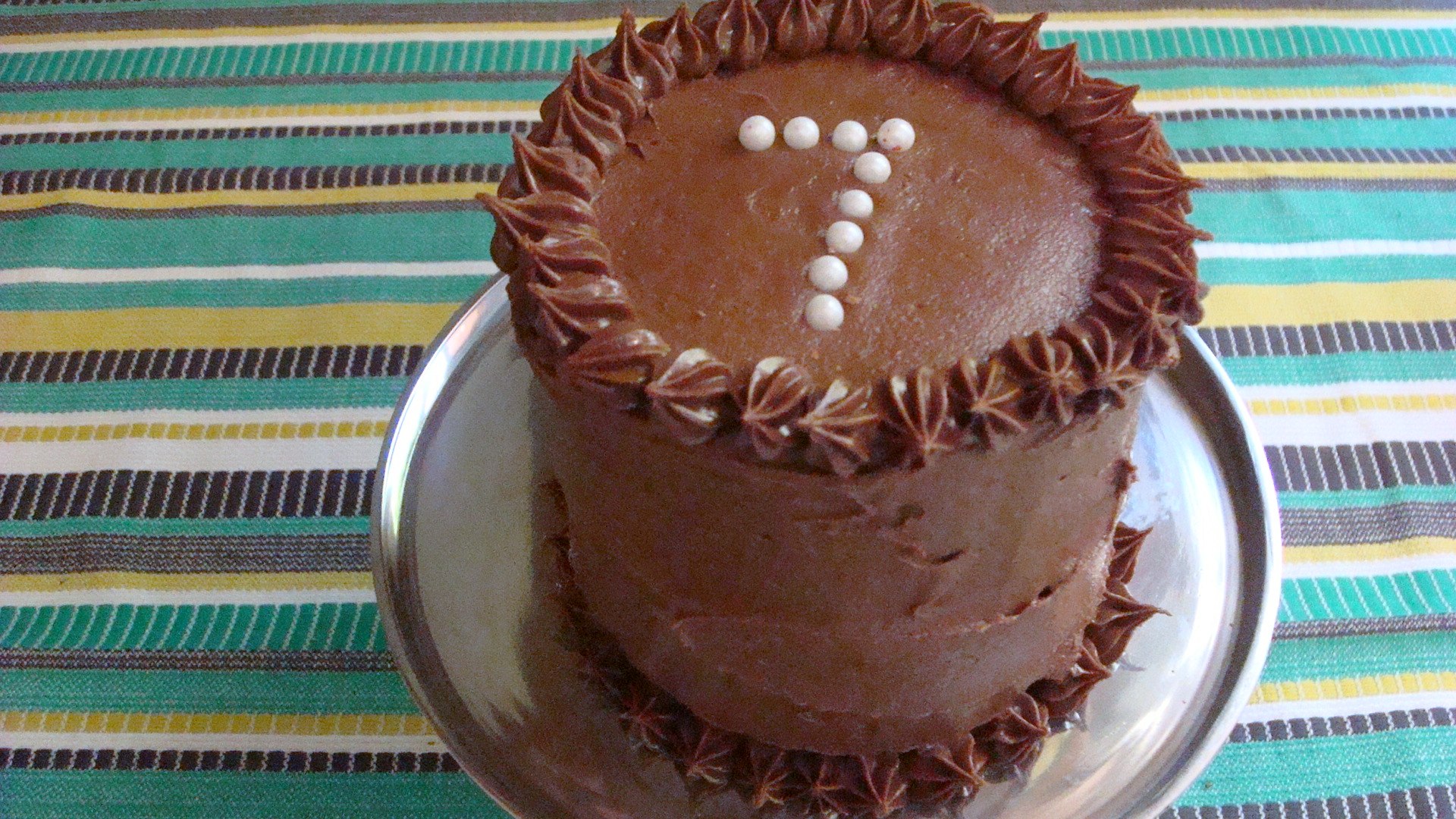
Today is our seventh wedding anniversary. Normally, we’d go out, exchange gifts, cards, go away for the weekend…but not this year. Dinner out during Ramadan means buffets for iftar, and I DO NOT DO buffets, especially on special occasions. So, to avoid the buffet bar, I’m cooking our meal tonight, which isn’t a problem, except for the ingredient thing that keeps getting in the way of good food. I searched through my paltry shelves of cookbooks last week, which prompted my previous post, and found a few things to make tonight that I’d normally not consider special:
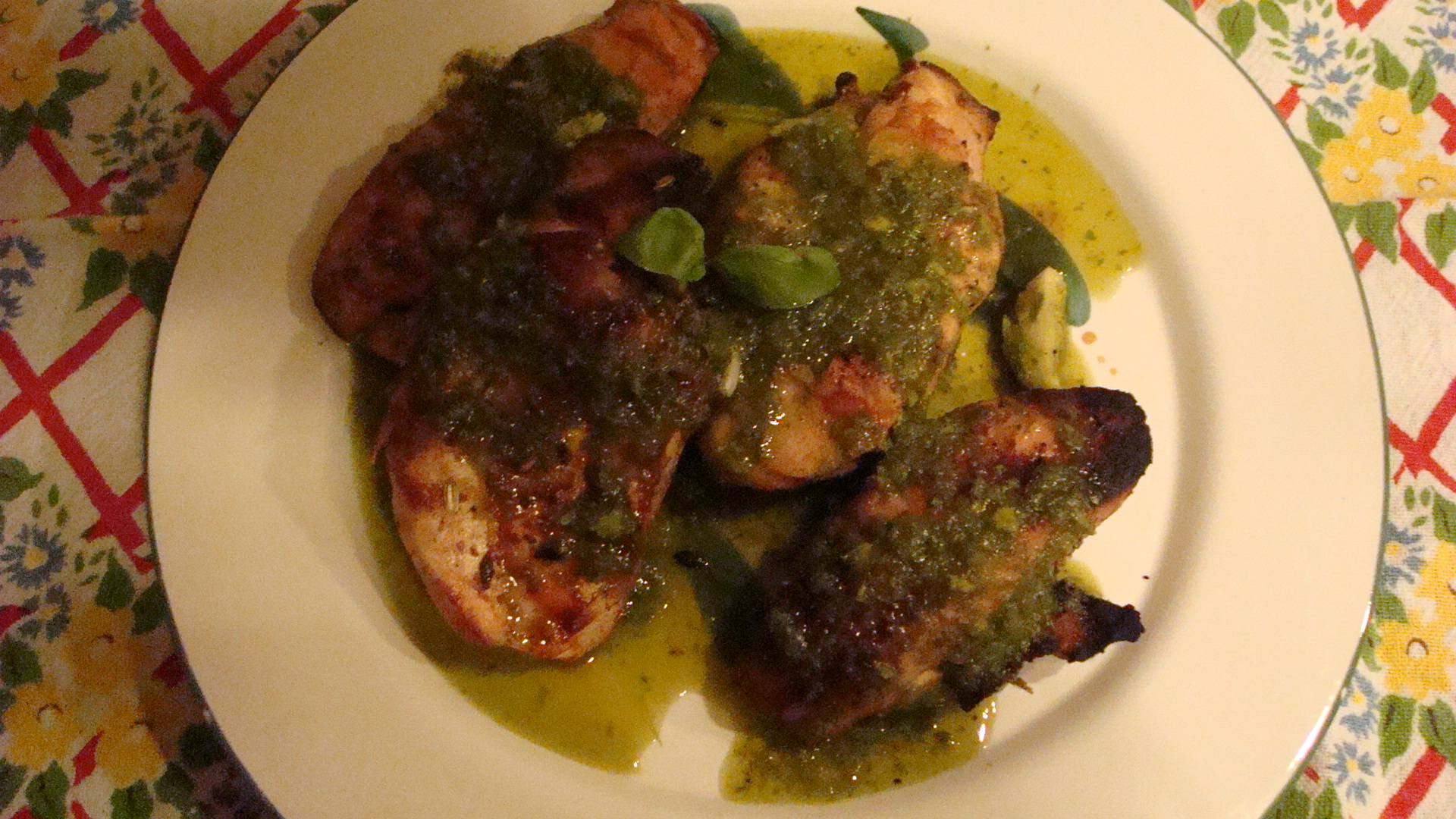
Grilled Chicken with Basil Dressing
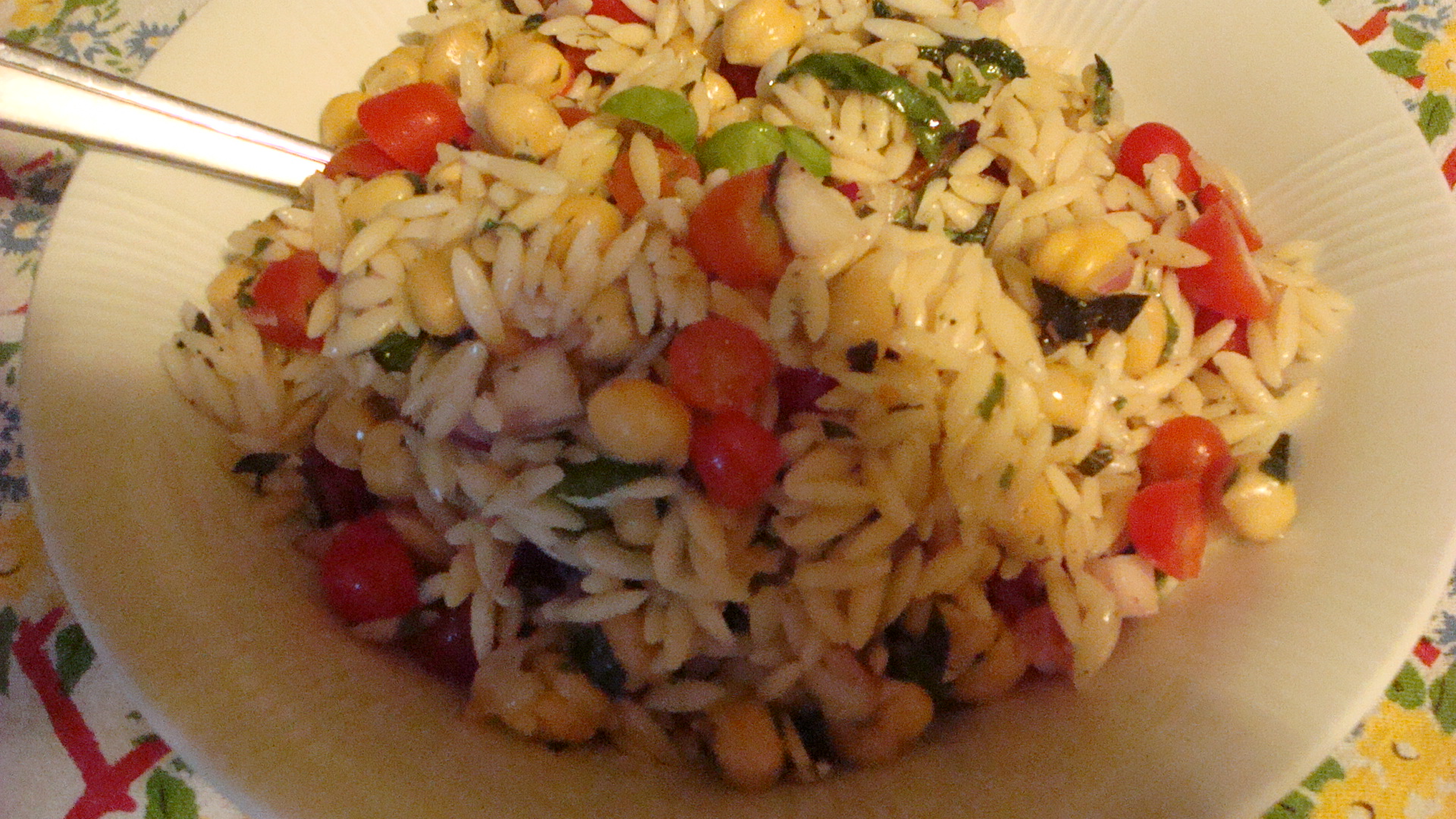
Orzo with Garbanzo Beans, Red Onion, Basil, and Mint
Rich Cocoa Cake
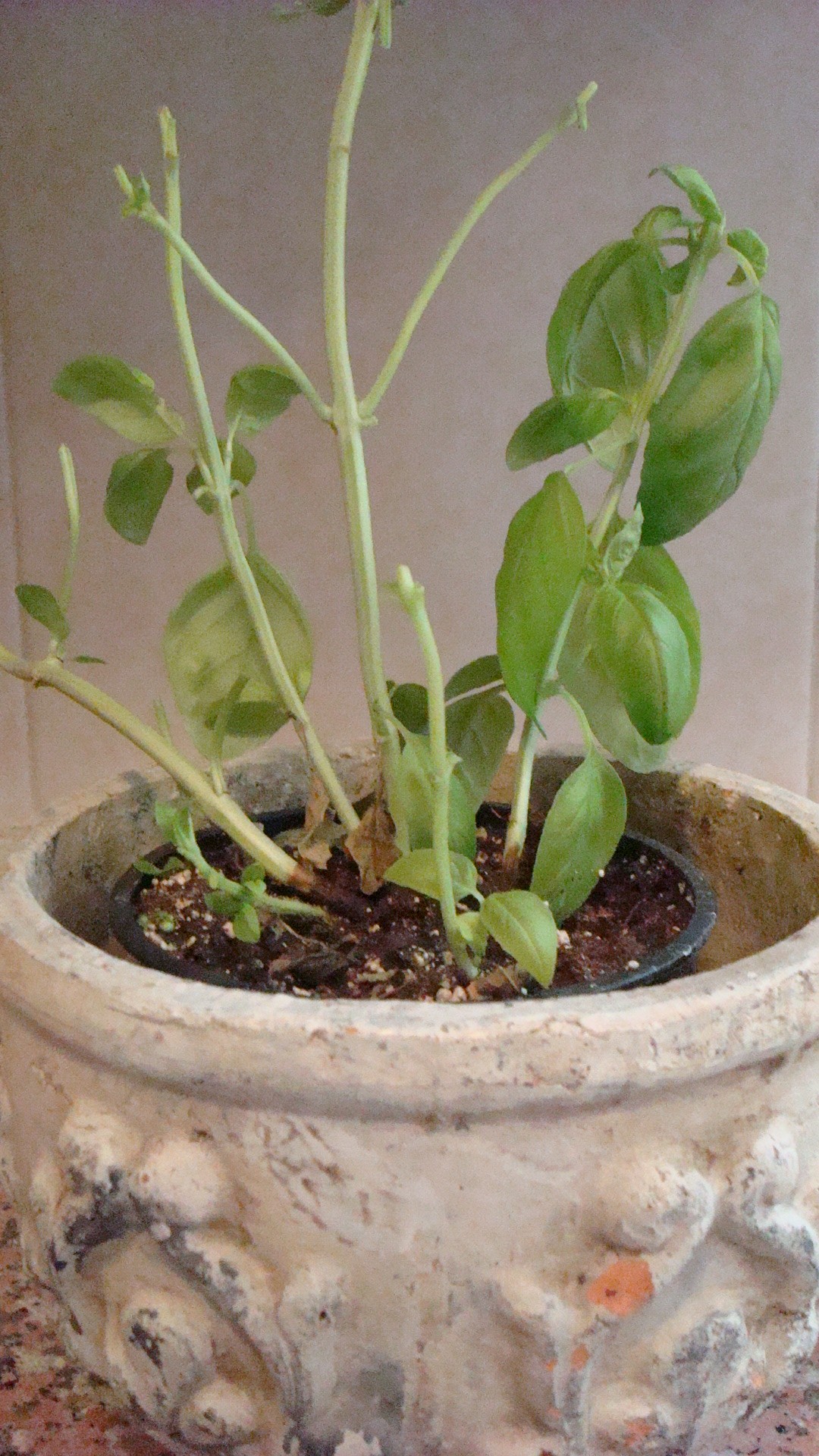
I went to Miles, the closest thing we have here to Balducci’s or Whole Foods, and bought most of the items off my list with the exception of sour cream (is it really that exotic?). I was able to find sour cream at another store and you would have thought that I bought gold! It was about $3 JD’s for an itty bitty little plastic container–the size of a container of sour cream that you get at Mexican restaurant. The only basil I could find was brown and spotty, but I bought it anyway to avoid having to go to another store this morning. When I looked at it this morning it was beyond repair and smelled terrible. As a result, I had to practically strip my sole living plant–a basil plant–of almost all of its leaves. There was no alternative though. The basil was rancid!
Practically 'naked' basil plant
Here’s the recipe for the Chicken:
2/3 cup EVOO
3 tbl plus 1/4 cup fresh lemon juice
1 1/2 tsp. fennel seeds (lightly crushed)
1 1/3 tsp. salt
1 tsp. freshly ground pepper
6 boneless, skinless breast halves
1 cup lightly packed basil leaves
1 large garlic clove
1 tsp. grated lemon zest
In a resealable plastic bag, combine 1/3 cup of the oil. 3 tbl. of the lemon juice, the fennel seeds, 3/4 tsp. of the salt, and 1/2 tsp. of the pepper. Add the chicken and seal the bag. Massage the marinade into the chicken. Refrigerate for at least 30 minutes and up to 24 hours, turning the chicken occasionally.
Meanwhile, in a blender, blend the basil, garlic, lemon zest, remaining 1/4 cup lemon juice, 3/4 tsp. salt, and 1/2 tsp. pepper until smooth. Gradually blend in the remaining 1/3 cup oil. Season with salt and pepper until smooth. Season the basil sauce to taste with more salt and pepper, if desired.
Prepare a grill for medium high heat (or a grill pan over medium high-heat). Grill the chicken until just cooked through, about 5 minutes per side. Transfer the chicken to a platter and drizzle with the basil sauce and serve.
The Pasta Salad:
4 cups water
1 1/2 cups orzo
1 (15 oz.) can garbanzo beans, drained and rinsed
1 1/2 cups mixed red and yellow teardrop tomatoes or grape tomatoes, halved
3/4 cup finely chopped red onion
1/2 cup chopped fresh basil
1/4 cup chopped fresh mint
3/4 cup red wine vinaigrette (below)
salt and pepper
Bring the water to a boil in a large, heavy sauce pan over high heat. Stir in the orzo. Cover partially and cook, stirring frequently, until the orzo is tender but still firm to the bite, about 7 minutes. Drain the orzo through a strainer. Transfer the orzo to a large, wide bowl and toss until the orzo cools slightly. Set aside to cool completely.
Toss the orzo with the beans, tomatoes, onion, basil, mint, and enough vinaigrette to coat; you may not need all 3/4 cup. Season the salad to taste with salt and pepper, and serve at room temperature.
For the vinaigrette:
1/2 cup red wine vinegar (* called red grape vinegar here–no drinking!!!)
1/4 cup fresh lemon juice
2 tsp. honey
2 tsp. salt
3/4 tsp. freshly ground black pepper
1 cup EVOO
Mix the vinegar, lemon juice, honey, salt, and pepper in a blender. With the machine running, gradually blend in the oil. Season with salt and pepper, if desired.
Rich Cocoa Cake:
1/2 cup cold water
2 tbl. (heaping) cocoa powder (I use Penzeys)
1 cup brown sugar
1 cup sugar
3 tbl. unsalted butter
2 eggs
1/2 tsp. salt
1 tsp. pure vanilla extract
1/2 cup sour cream
1/2 cup milk
1 tsp. baking soda
2 cups sifted flour
Icing:
1/3 cup unsalted butter, softened
1/3 cup cocoa powder
dash salt
6-8 cups powdered sugar (I only used about 3 cups)
1 tsp. pure vanilla extract
2-3 tbl. hot water
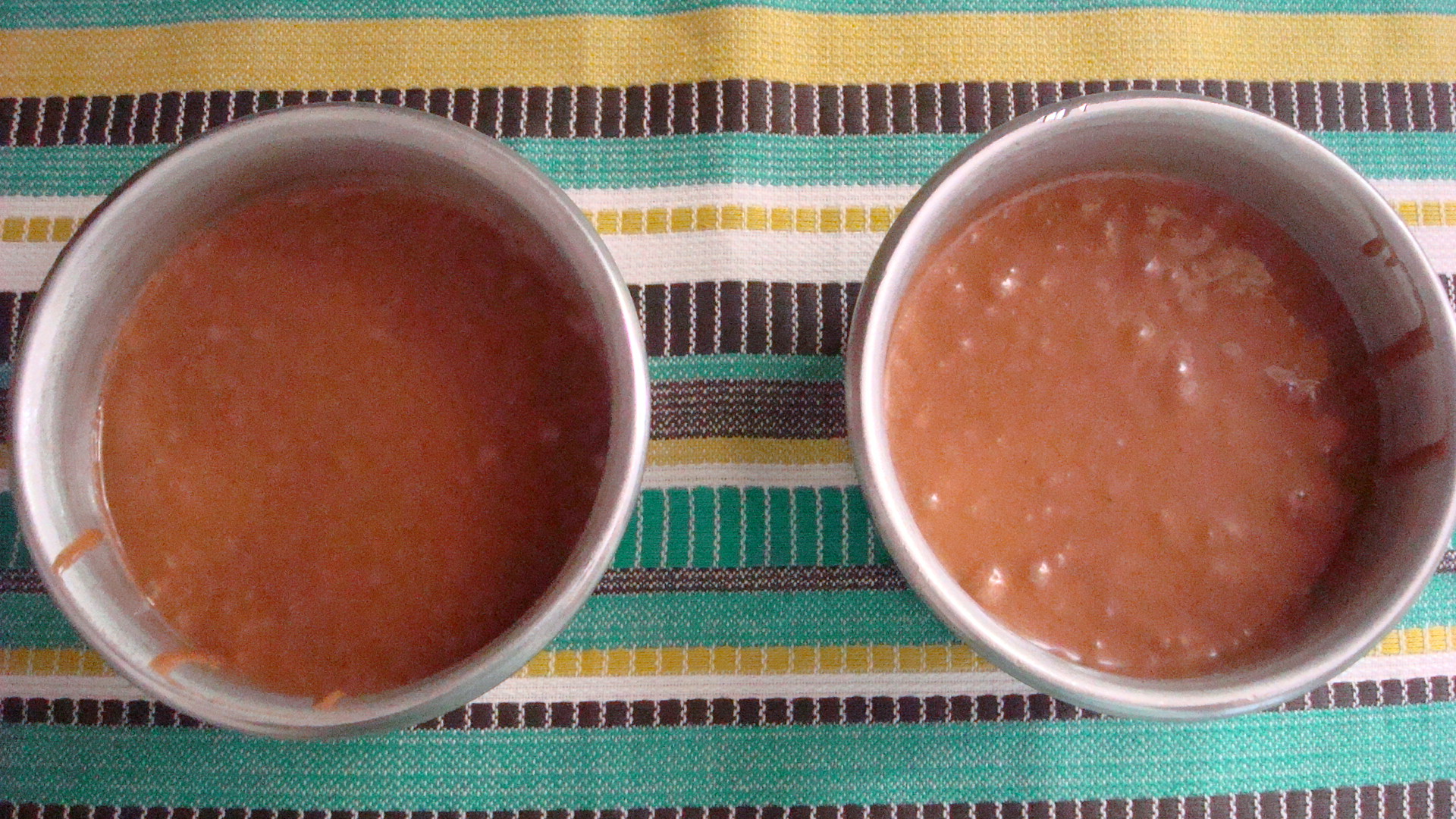
Preheat oven to 350 degrees. Lightly grease two 8-inch cake pans and set aside (I used 4×2 cake pans and it made 4 little cakes. I froze two for a later date). In a small saucepan, mix together the cold water and cocoa powder. Heat over medium, stirring constantly, until the mixture starts to boil. Remove from heat and set aside to cool. The mix should be paste-like. In a large mixing bowl, cream together the sugars and butter. Add the eggs, salt and vanilla extract and mix well. Add the cocoa mixture and beat well. In a small bowl, mix together the sour cream, milk and baking soda. Gradually add the sour cream mix to the batter, alternating with the flour. Beat well after each addition. Pour into pans and bake at 350 degrees for 22-26 minutes. Use a toothpick to test or note that the cake is fully risen and pulling away from the sides of the pan. Remove from the oven and let cool for a few minutes. Remove from the pans and let cool thoroughly before icing.
For the icing, cream together the butter and cocoa powder until fluffy. Add the salt. Gradually add the powdered sugar, beating well. Add the vanilla extract and mix well. Add just enough water to reach your desired consistency.
I realized yesterday that I’ve been here now for TWO months (and only have 20 months left of my sentence, j/k) and have cooked only a handful of meals. Why? I’ve determined this is for three reasons:
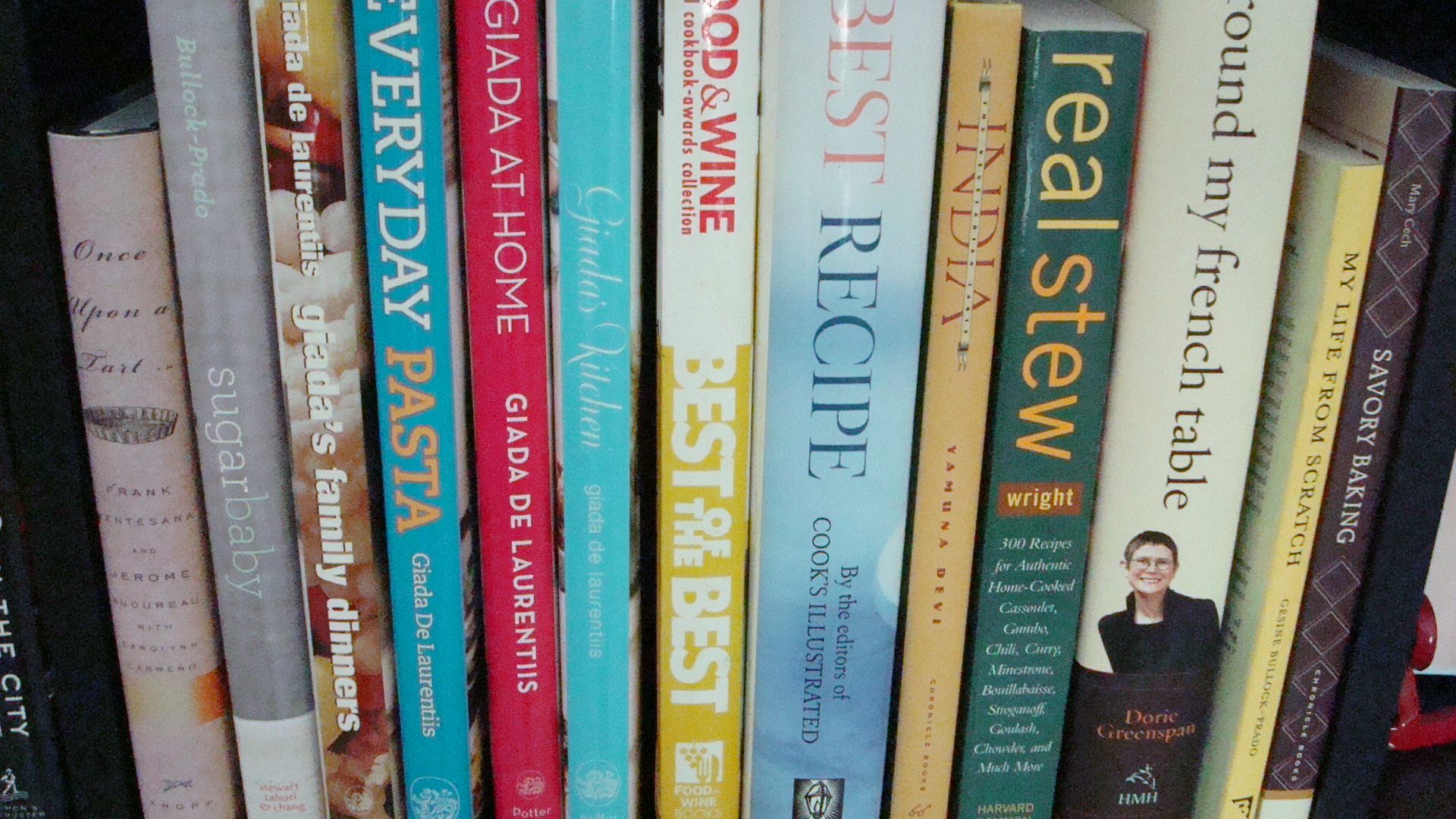
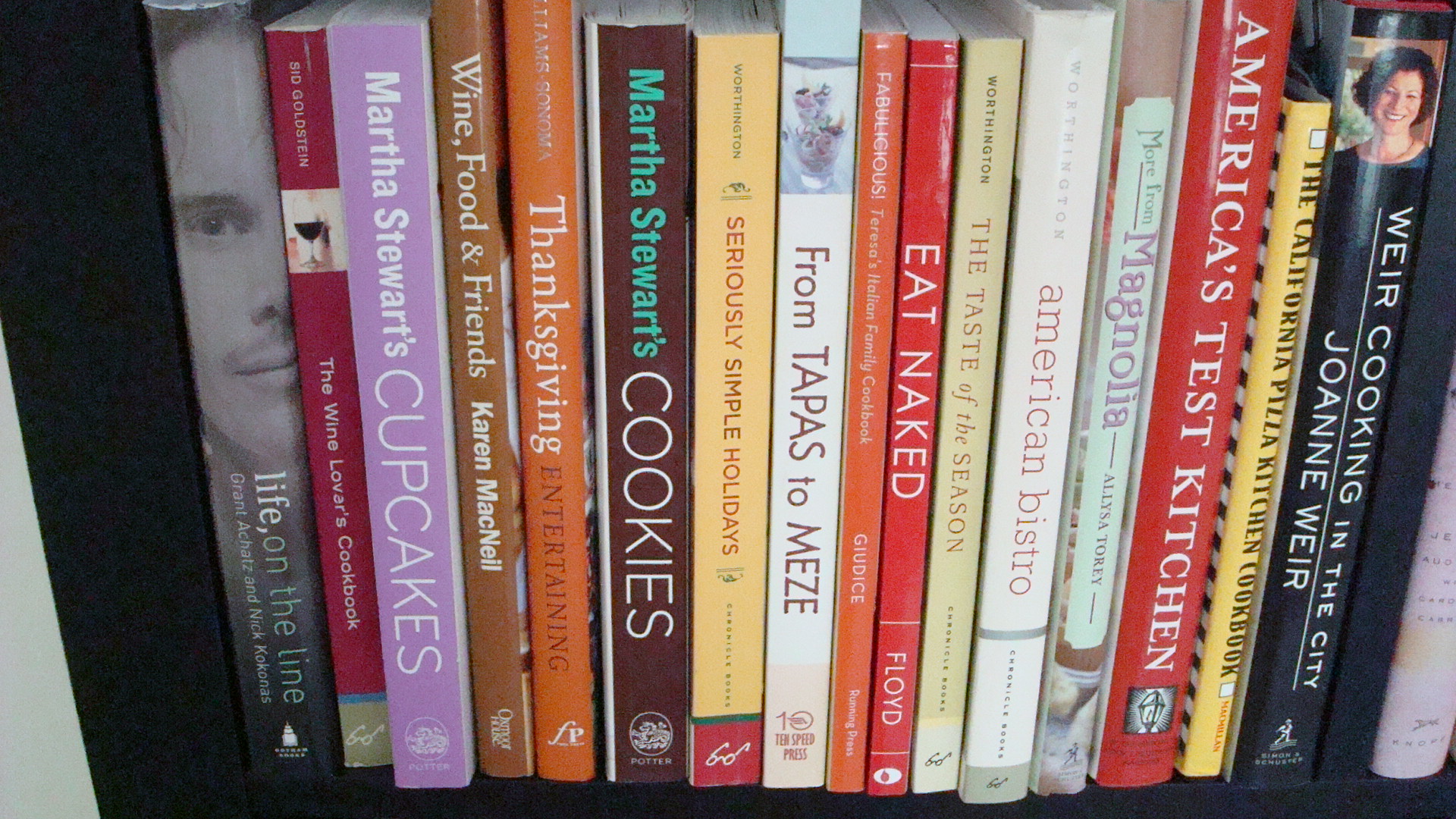
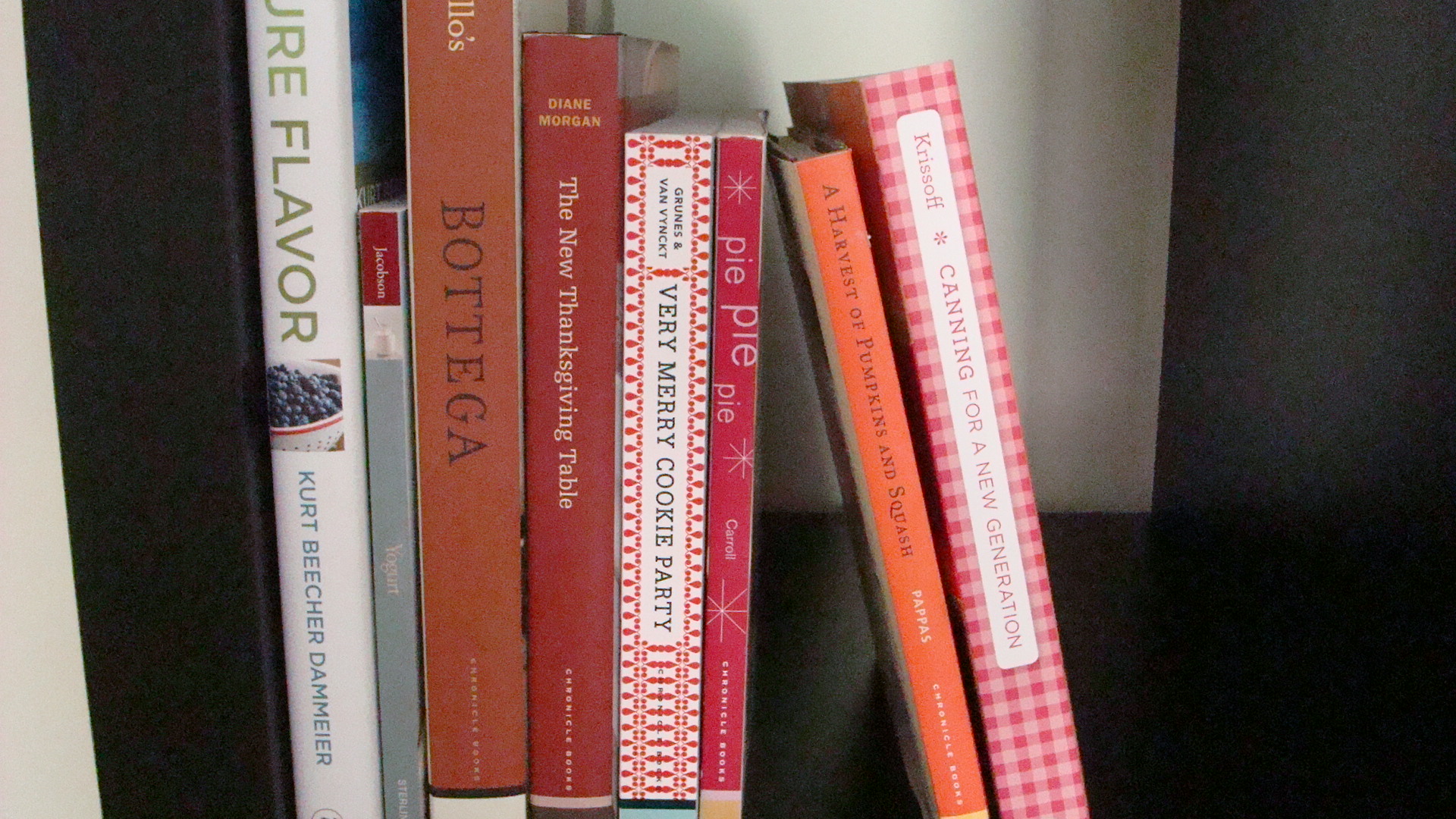
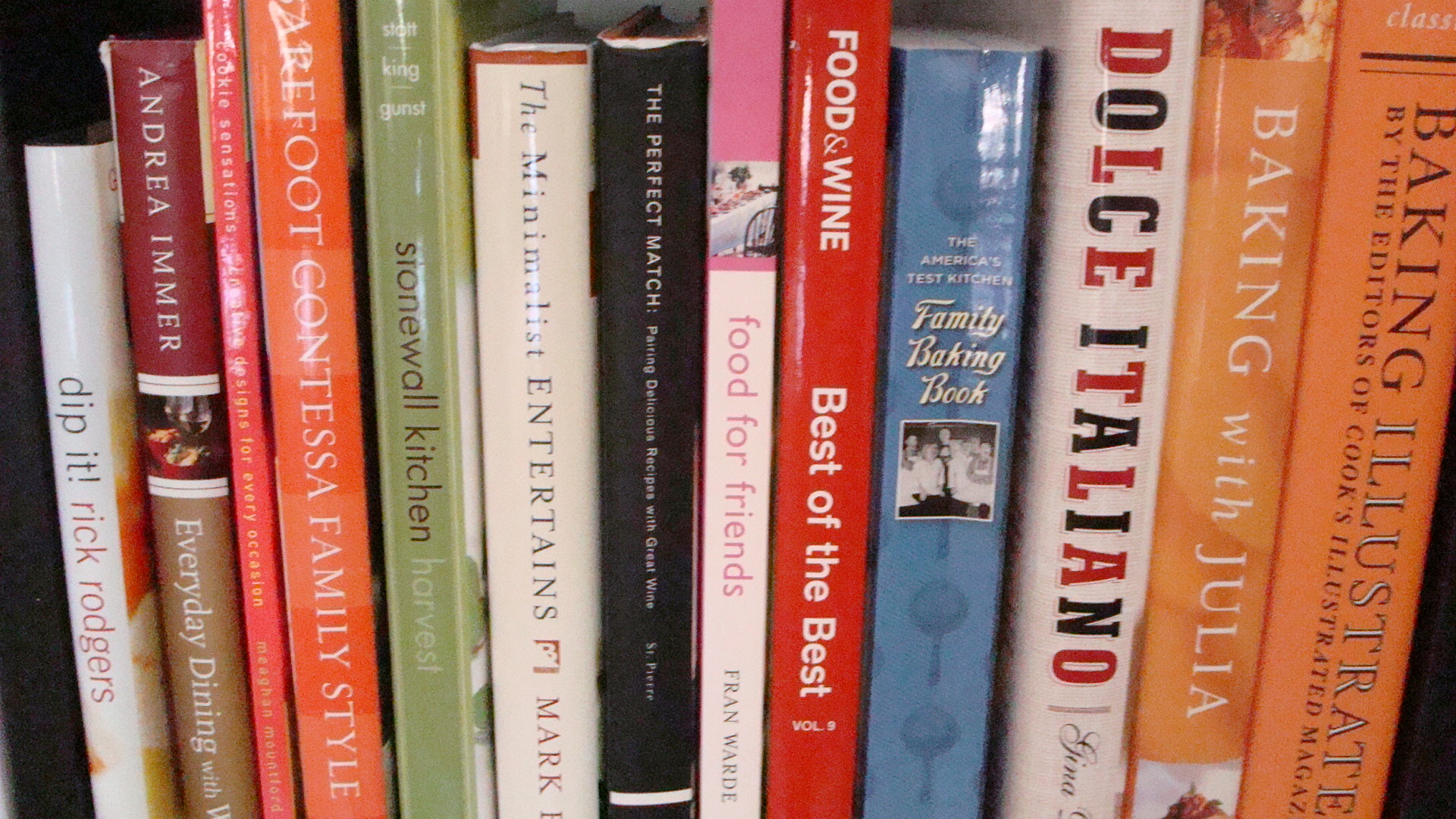
Firstly, Raj severely limited the number of cookbooks (ANY books for that matter) that I could bring with me. He scared me into thinking that my books would fall off of a container and into the water, never to be seen again (where is the water he was speaking of?). Back in February when I was struggling with which books to bring, Raj asked, “How would you feel if your signed books were lost, or stolen, or fell off a ship?” (Note: most of my books and cookbooks are signed by the authors and have been collected over years and Raj was playing on my sentimentality.) Can you believe this logic worked on me? (What’s worse, this logic worked for just about every item in the house, which is why there’s so little sense of home here.) I remember thinking that this all sounded logical, as if book bandits would be searching though our containers for autographed Brian Selznick books or Julia Child’s cookbooks. He had me so concerned that I agreed to his mandate, which limited me to TWO boxes, which is NOTHING and I’m realizing that I’m not very fond of many, strike that, ANY of the cookbooks that I’ve brought. (I’m making a case to buy more cookbooks.)
Here are what the contents of two boxes of cookbooks look like on my sad and lonely bookshelves.
Secondly, I HATE grocery shopping here! The stores aren’t that far away, but with the few cookbooks that I have, I can’t find the ingredients that I’m looking for. Yeah, I know, the solution is to improvise, explore the local foods, but I don’t feel like it…not now anyway. Further complicating matters right now is that it’s Ramadan for the entire month of August. What does this have to do with anything? Well, since everyone fasts all day, they feast at night and pillage the grocery store shelves leaving little by way of stock.
Lastly, as I’ve complained all along, my kitchen is not functional. I was making pizza dough last weekend and plugged in my Kitchen Aid to the electrical circuit, which is an extension cord that goes up to the converter box (you know the 1970s contraption that I had to hide from my line of sight?). (FYI, in case you’re worried, pizza night has not suffered. It’s still going strongly, every Friday, despite the cooking downturn.) As I was adjusting the speed, I kept feeling a tingling sensation. It took me a few more adjustments to realize I was getting shocked. Now, in order to use ANY of the small appliances that I brought, I have to disconnect everything in order to plug one thing in at a time. You’re thinking ‘what’s the big deal,’ right? The big deal is that the plugs are ALL above the cabinets so that I don’t have to see them. The issue is that unplugging everything requires me to get out the step-ladder, adjust the cords, re-hide the cords after I’m finished…it’s too much work. Did I mention that I’ve gained weight since I’ve gotten here too? Another reason not to cook!!!
So what’s my point? Long story long, I have a question to pose:
If you were moving abroad and were told that you could only bring ONE cookbook with you, which cookbook would it be and why?
When answering this, don’t take into account any of my gripes. Assume you don’t know what type of kitchen you’ll be cooking in and you’re not sure what types of food are available. Just choose your favorite, most indispensable cookbook and tell me why it’s so wonderful. Let’s see how many of your suggestions I’ll be placing in my next Amazon shopping cart.
Prior to arriving, my go to book was this one:
I still love this book, just not here. Most of the ingredients of my favorite recipes are nowhere to be found.
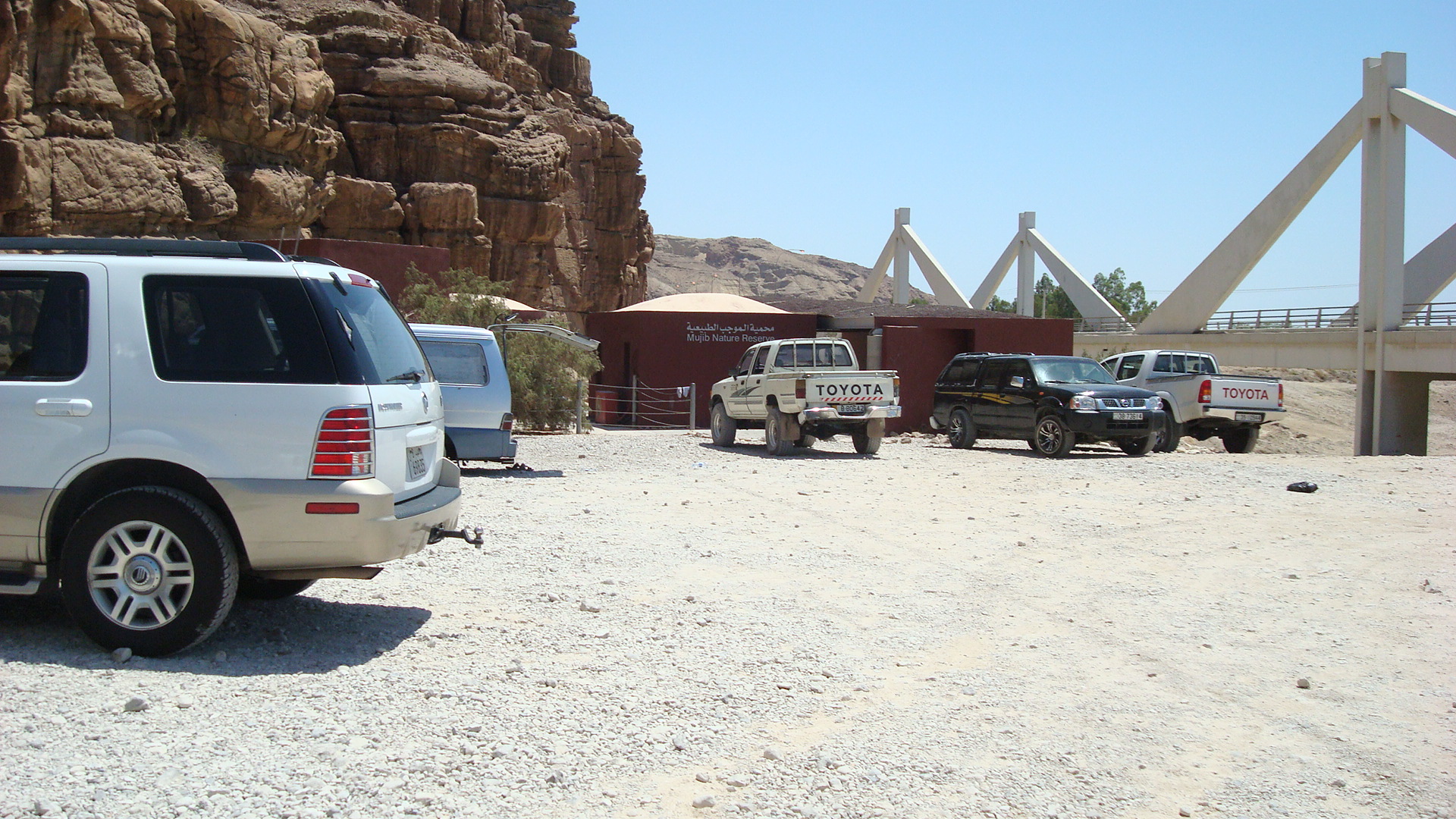
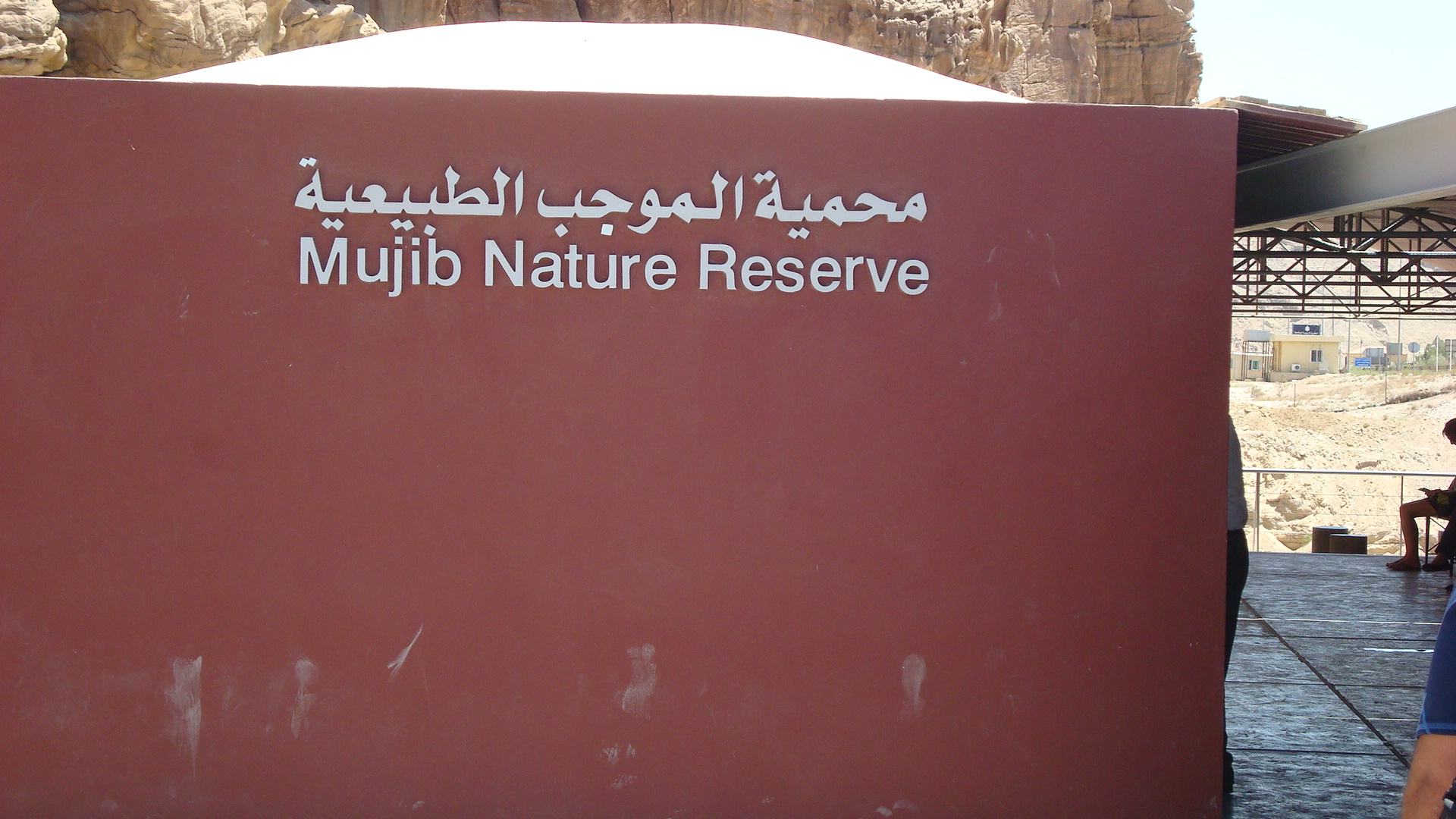
Raj and I decided to go hiking today, something most people wouldn’t do in 105 degree heat. Someone told Raj about this place and what an amazing time they had here. The problem is that Raj didn’t tell me what to expect, but I’m not sure he really knew, so I wasn’t dressed all that appropriately. As it turns out, we were hiking, but hiking and sometimes wading in fast-moving water though a slot canyon. [According to Wikipedia, a slot canyon, in case you don’t know, “is a narrow canyon, formed by the wear of water rushing through rock. A slot canyon is significantly deeper than it is wide.”]
We got to the Visitor Center, paid the reserve fees ($12 JD’s pp), and were told to take our hats, sunglasses, backpack, and valuables and to keep them in the car. Why? Hmm. I didn’t know what this was about. I was told by Raj that we’d be hiking and wore my favorite, well-worn, suede hiking shoes. One last thing the guy said to as on the way out, “grab a life vest.” We put the life vest on, walked down into the canyon and saw the trail. It wasn’t a trail but a shallow riverbed. It was too late to turn around so I plunged in, ruining my shoes. This better be worth it!
The trail led into the Mujib gorge, leading us between towering sandstone cliffs. Throughout the trail (river), there are mini falls and semi-technical climbs up and over the falls. After about an hour of traversing the river, you reach the base of a magnificent waterfall. We hung out here for a while and then turned around. On the way back, I chose a wrong foothold and got swept away by the fast-moving water, causing me to crash into a bunch of river rocks. It didn’t start hurting until halfway out and now my knee is swollen and I’m foreseeing being off of it for a few days. Great! I busted my knee and ruined my shoes.
Does the gorge look familiar? It was featured in the film, Indian Jones and the Last Crusade.
Despite my injury, I suppose it was well worth the effort of getting to the waterfall (the worth will be dependent on how fast my knee heals). It’s a shame we couldn’t take out camera, which isn’t waterproof, because the color and marbling striations of the sandstone cliffs was breathtaking.
About thirty miles outside of Amman, heading towards the Dead Sea, along the east bank of the River Jordan, is the place where John the Baptist lived and where he most likely baptized Jesus Christ. This desolate plain (and HOT, 105 degrees F today) has historical significance for Judaism, Christianity and Islam. [For those of you who care, the first mention of this area is in the book of Genesis, when Lot separated from Abraham and “chose the plain of Jordan” to pitch his tents, after which Jacob wrestled with God a little way north at Penuel. A large part of the Book of Numbers is set at the Israelites’ camp, “pitched in the plains of Moab by Jordan opposite Jericho,” following which Moses delivers a long summation in Deuteronomy before going up “from the plains of Moab unto the mountain of Nebo” where he died (remember, we went there a few weeks ago?). Joshua led the tribes across the river, which miraculously halted its flow, an event mirrored centuries later in Kings 2, when the prophets Elijah and Elisha again stopped the flow of the river, as a chariot and horses of fire took Elijah up to heaven. It was because of the associations with Elijah that, a thousand years later, John, an ascetic holy man with a prophetic vision, took up residence here, using the numerous small springs branching off the river to symbolically cleanse people of sin; locals soon flocked to this John the Baptist.
Waiting for the Bus
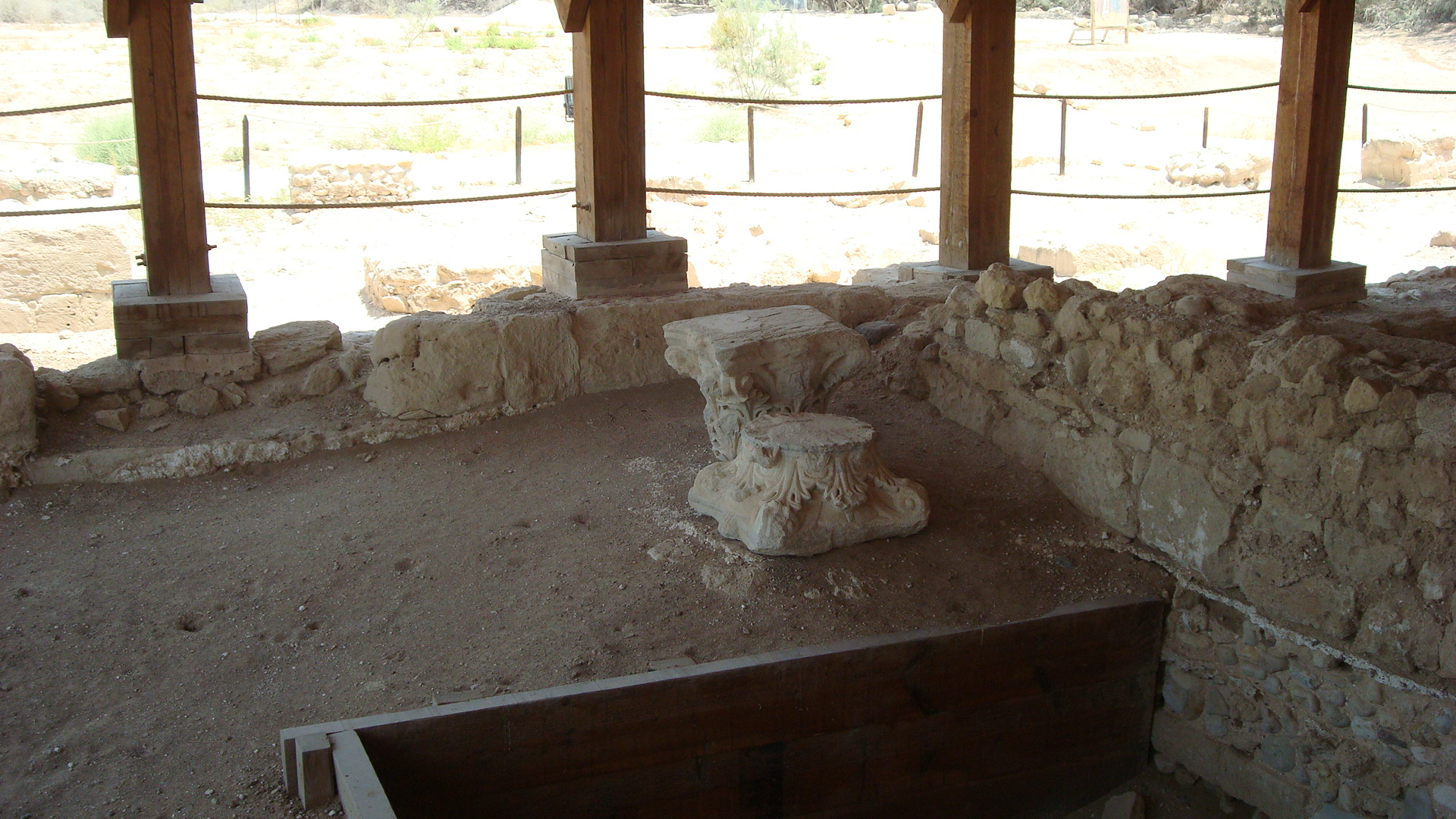
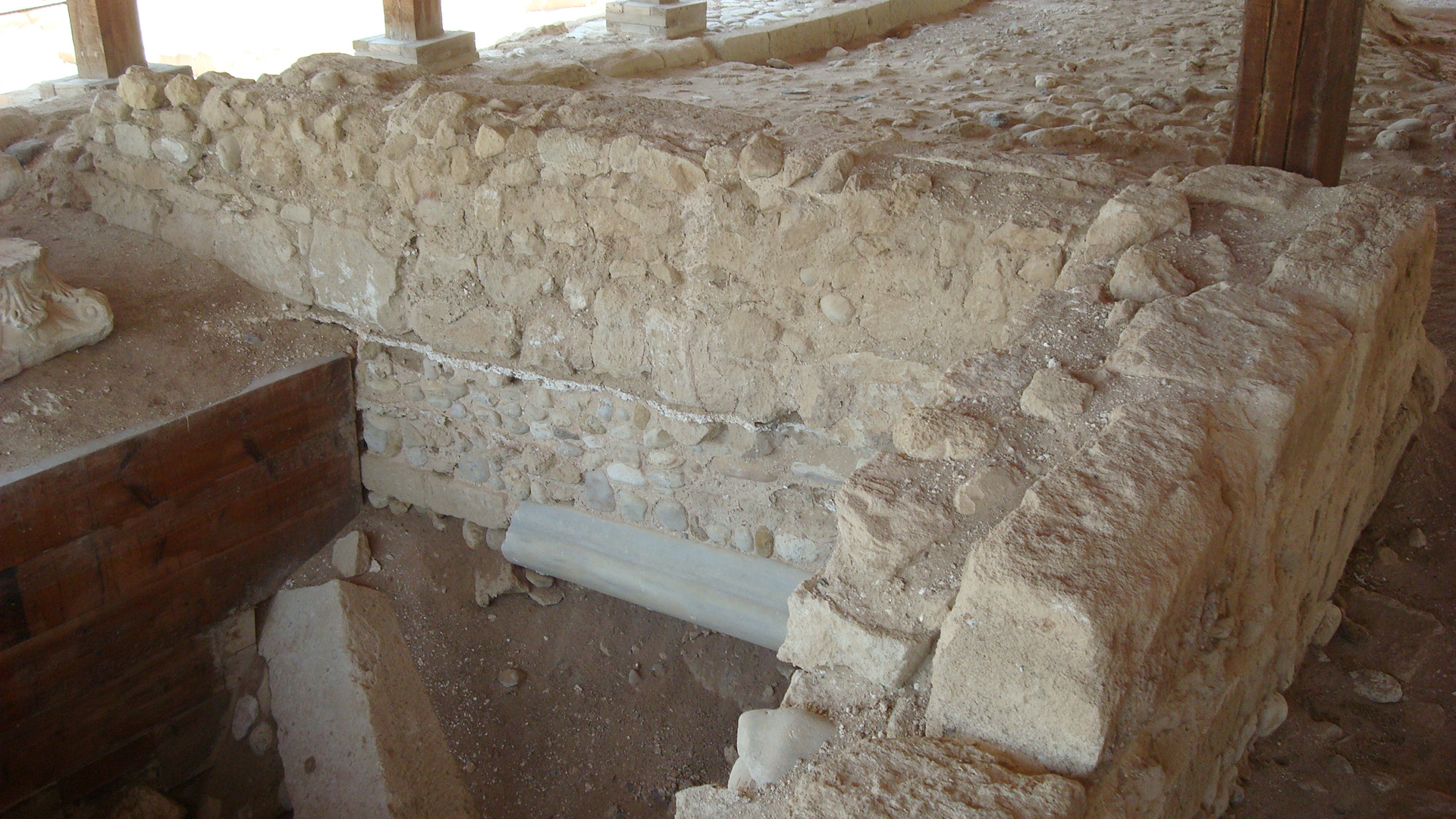
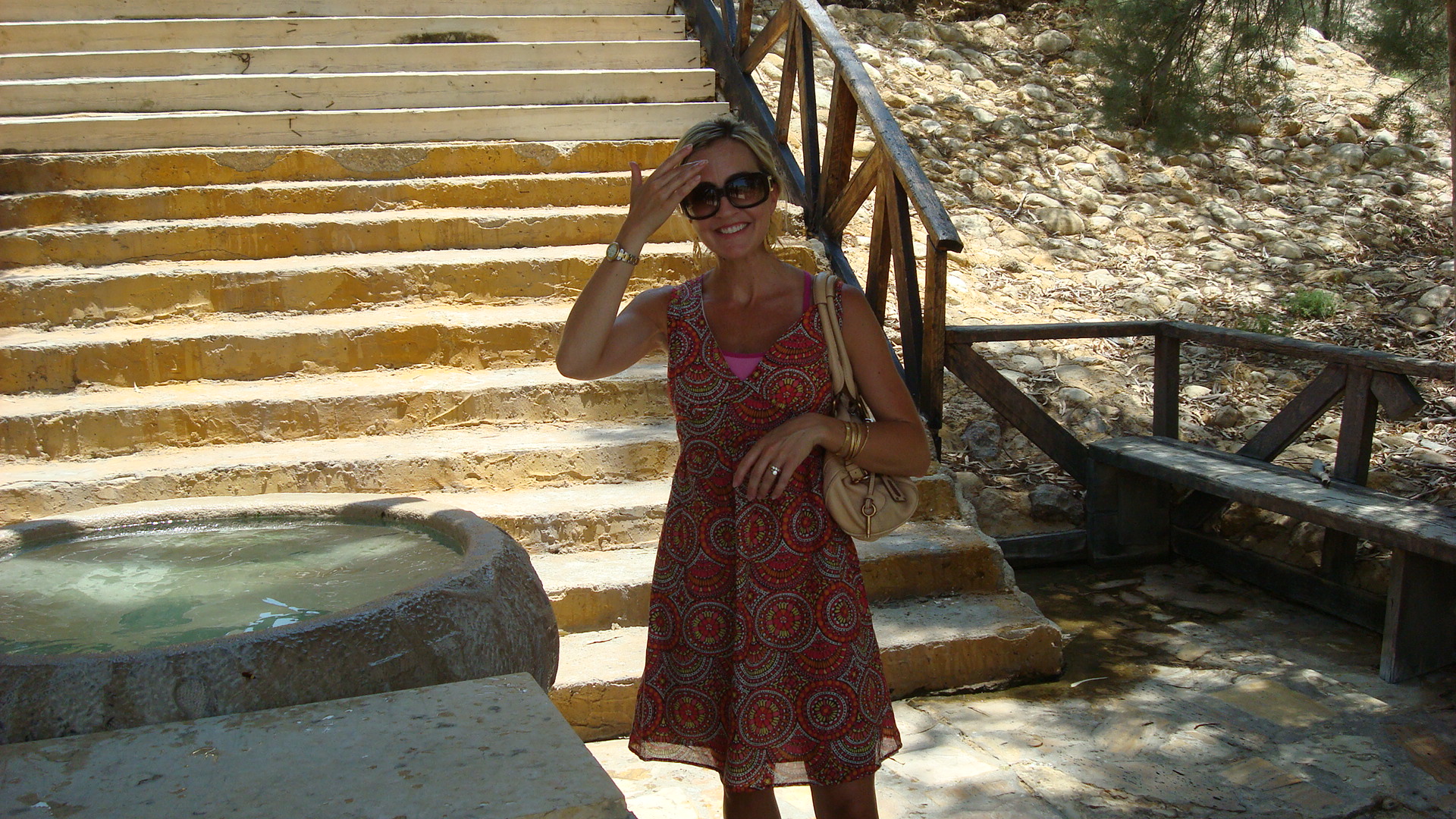
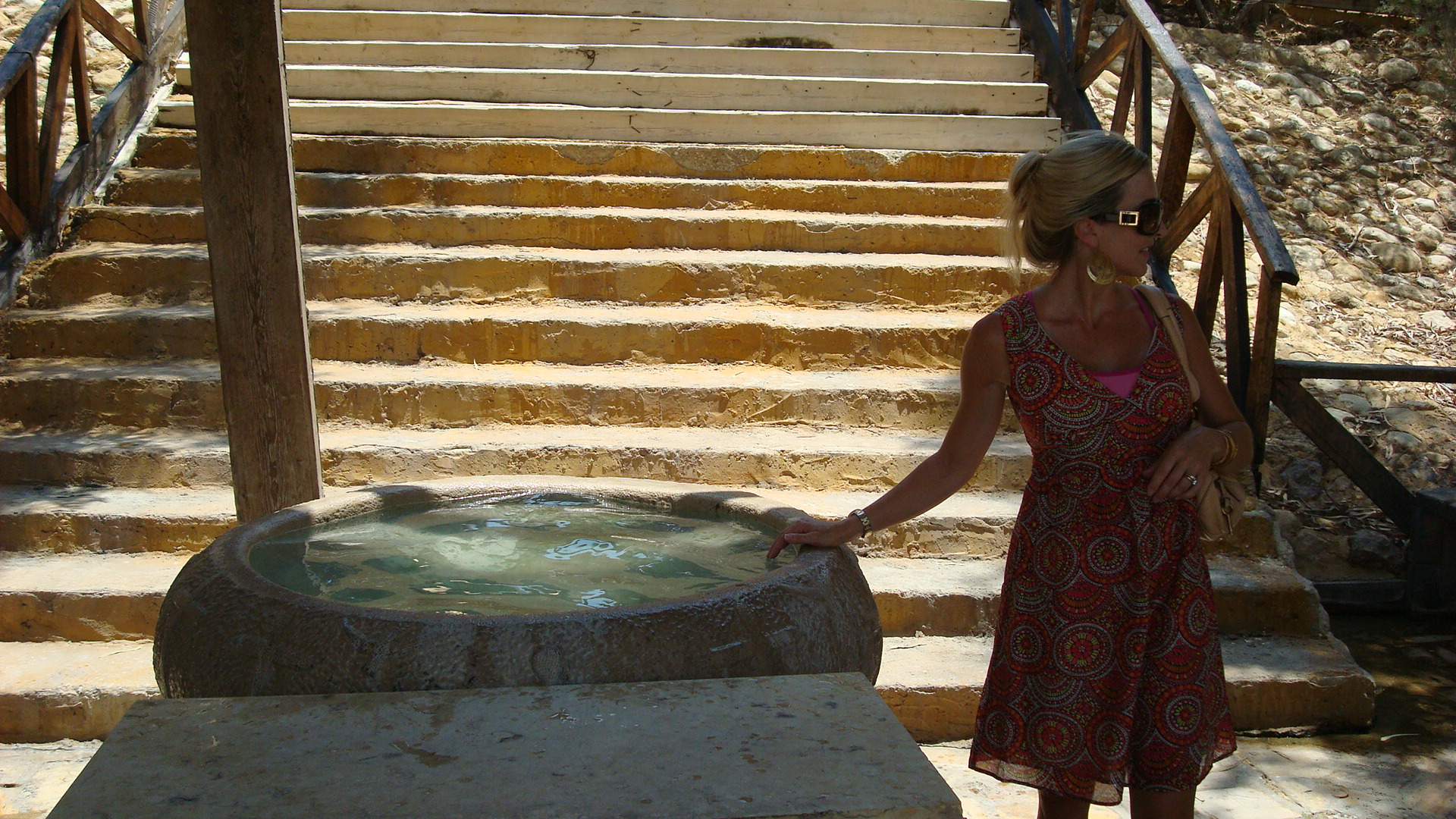
When you arrive at the Visitors’ Center, you are picked up in a bus and driven to the site, about five minutes from the parking lot. A guide leads you along the path to a few different sites. The first site along the path brings you to a clearing marked by a modern pool and the sheltered remains of the 6th or 7th century Church of John the Baptist, situated alongside two or more churches, which were built on top of each other. You can see the floor of the lower one tiled in triangular, square and octagonal flags of marble. There are also Corinthian capitals lying nearby.
Under the Shelter or Remains of the Church of St. John the BaptistCorinthian Columns
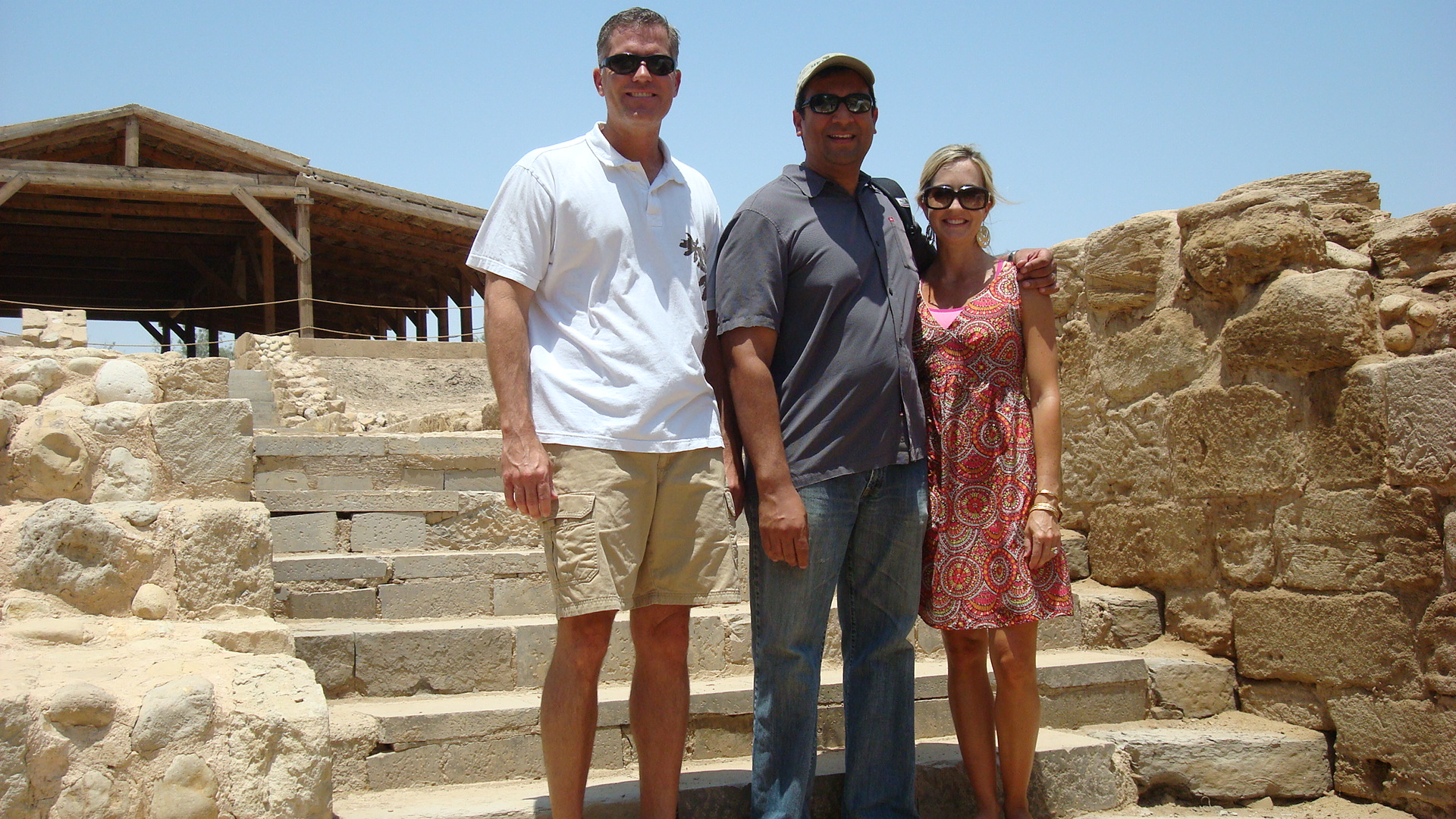
After viewing the remains of the church, our guide gave us (I’d like to say ME) the VIP treatment. The rest of the tour went on ahead of us as he offered to take us “behind the scenes” (in this case underneath a rope) to stand on two of the most sacred spots (the first pictures is supposedly the spot where Jesus disrobed and the second is THE site of Jesus’ baptism).
Where Jesus disrobed before entering the waterThis is the Baptismal Site of Jesus
After the behind the scenes tour, we met back up with the rest of the group–those unfortunate people who were not privy to our part of the tour–and headed to the bank of the river to cleanse away our sins.
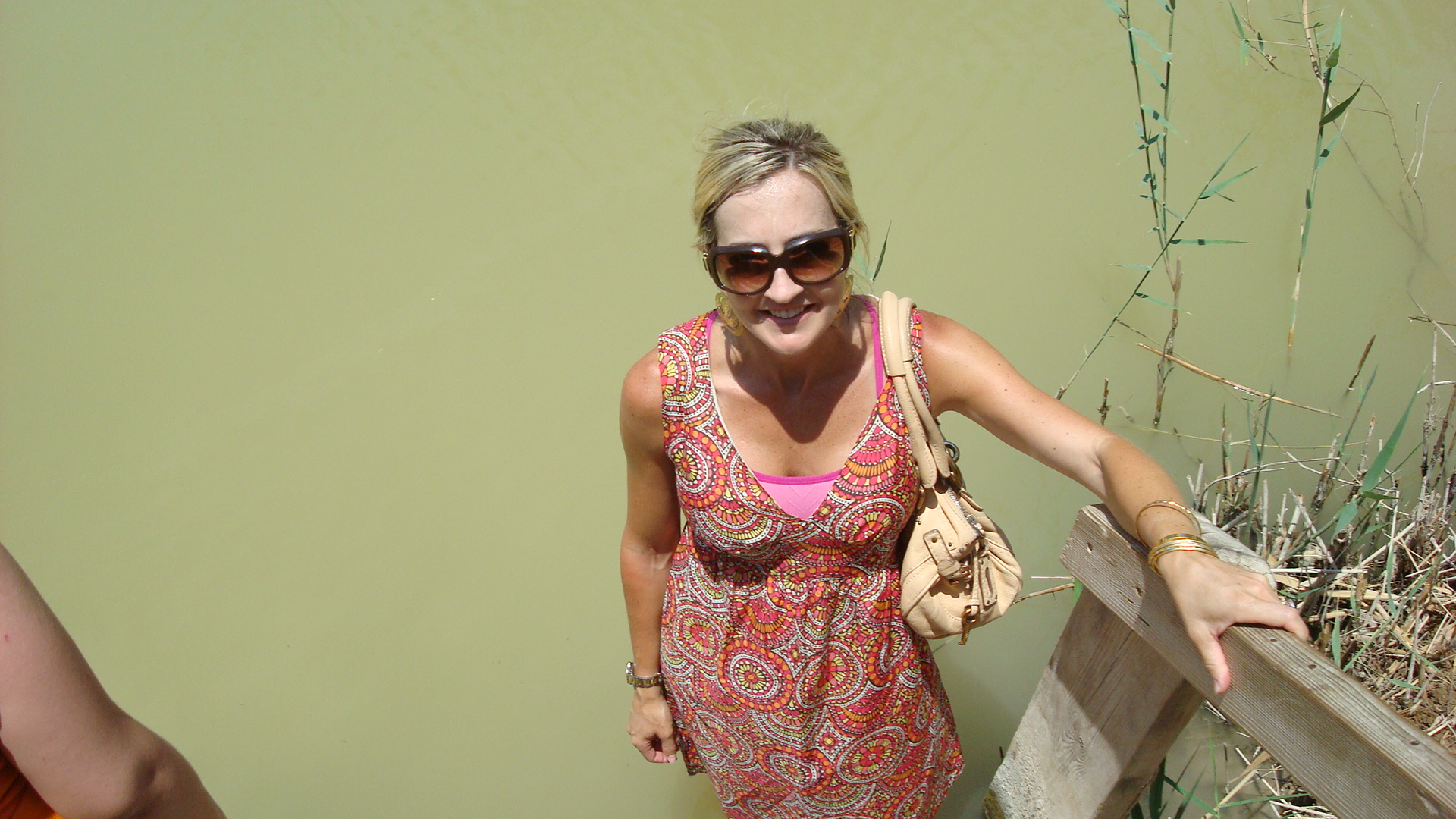
Making the Sign of the CrossThe guide is telling me that they use this baptismal font for childrenBraving the brackish water with tadpoles in it
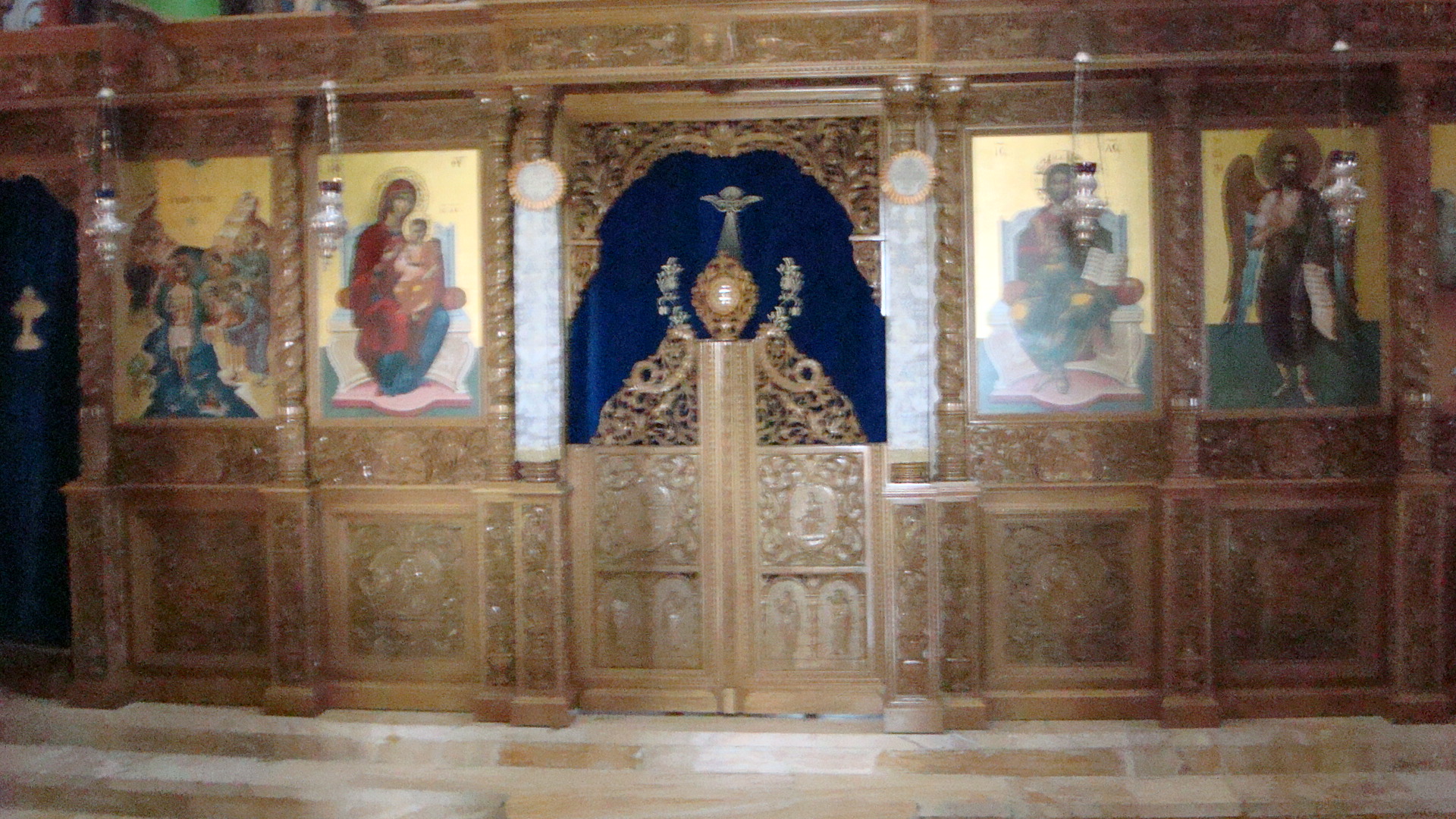
Inside the church next to the river (new construction)
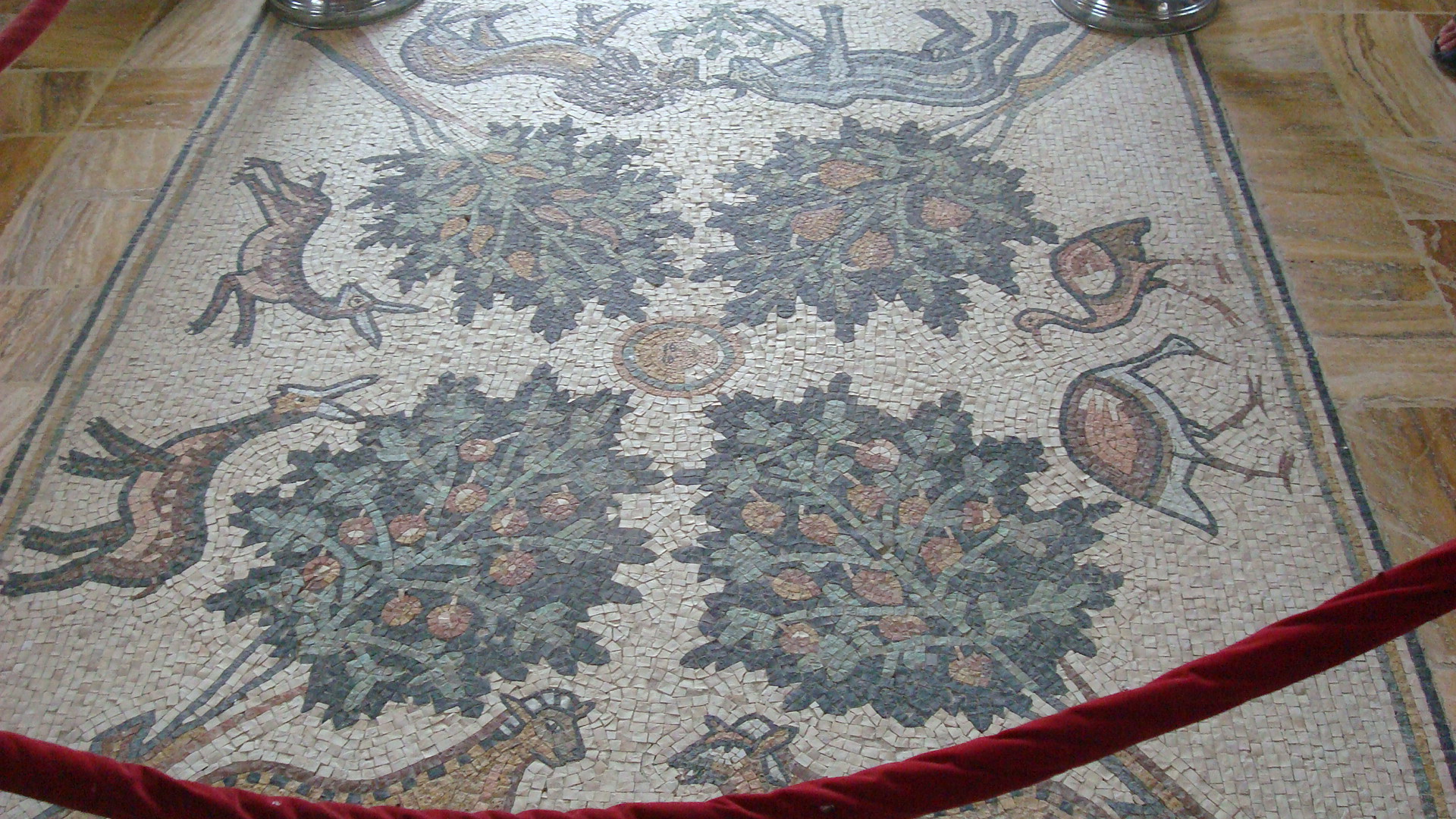
The altarOne of many mosaics on the floor in the church
The River Jordan used to be deep, fast-flowing, and often flooded the banks. ( FYI, in Aramaic, yardeen–from which Jordan is derived–means “fast-flowing water.”) Today, at the height of summer, the river is low. The tour lasted about an hour, which was about all we could take in the heat.
Yoga in Amman is like everything else here–DIFFERENT, not bad, not good & EXPENSIVE (no values here!). Let me preface this comparison by acknowledging how THANKFUL I am to have found a place to go to practice yoga. I won’t call it a yoga studio, but a fitness club that offers classes twice a week. Here’s the shakedown of how yoga at home differs from yoga in Amman.
Yoga at Home in Old Town, Alexandria:
I could WALK to the studio from my house, a short jaunt down a quaint street of historical, perfectly manicured homes, with GRASS, lots of dogs, cute boutiques and plenty of people out enjoying their day, regardless of the weather.
I’m welcomed into a peaceful, serene space that smells like lavender or incense.
I’m surrounded by like-minded people in fashionable, enviable yoga clothing–very unyogi-like , I know (that make me want to go home and order more Lululemon).
The instructors are NICE and COMPLIMENTARY (and fit!).
The music is hip and cool (similar to my musical tastes).
People speak and smile to each other and the studio offers tea and cookies.
Laughing is encouraged and practiced.
Instructors encourage you to move at your own pace.
You feel great after class: calm and collected.
Although yoga is expensive, you don’t mind because you feel like it’s a value for the benefits you receive.
Yoga in Amman:
I have to drive to the place (not a big deal, but driving here is DANGEROUS).
There is no welcome. You enter, walk down a staircase into the inner sanctum of the gym that smells like a gym.
No one wears yoga clothes.
I was told and even asked to demonstrate how I do a pose the wrong way (Did I mention that I’m a certified yoga instructor? No one else has ever pointed out that I don’t do chair pose correctly. Shame on you former teachers of mine!) She told me that I’ve formed a bad “habit” and have to fix it.
There is NO music! No sound, just the instructor’s voice.
No smiling, no talking, no treats after class.
No laughing allowed. This is very serious business.
We all do the same pose, regardless of our level. Apparently, we are ALL beginners, plus there are long breaks in between the poses (we only did THREE, one of which was mountain pose).
We practice Iyengar style yoga. Need I say more? Iyengar is a form of yoga, which I’m sure is fabulous, but extremely strict about alignment. I prefer vinyasa-style yoga, active, energetic classes where you feel like you’ve gotten a workout. After class I asked the teacher if this was a beginner yoga class and she told me it was a “mixed level” class. We did THREE poses in one hour and fifteen minutes and used chairs as props. God help me. Breathe! I also asked if she ever teaches vinyasa classes. She said, “No, ALL teachers in Amman teach Iyengar.”
I paid more per class than I do in DC.I expect to pay a lot in the land of milk and honey–it’s a big city with lots of options. Here in Amman there are NO options and the price should reflect this.
There you have it. Yoga in Amman is NOT fun or even fulfilling. I came home and did some more. Perhaps someday I’ll even learn to do chair pose correctly. Inshallah. Namaste.
For weeks now, I’ve been pestering Raj to take me to the Citadel. Unfortunately, due to protests going on downtown, we were unable to go (safety first), again, resulting in house arrest. What else is there to do when you’re out of Netflix DVD’s, it’s too hot to lay out, and there’s nothing to eat? Make yogurt.
Now you might be wondering why I’d bother to make yogurt when it’s so plentiful in grocery stores, right? Around here, yogurt is NOT real yogurt, at least not by my standards (Raj might disagree with me and he’ll point out that I’m petrified of FULL-FAT anything, so the real challenge, I suppose, is finding HEALTHY, nonfat yogurt). Dairy products here (yogurt, eggs, whipping cream, heavy cream, milk, etc.) are bought on shelves, not refrigerated,
and mostly U.H.T., or ultra pasteurized. The shelf life of these products is YEARS (I find this frightening and disconcerting to see milk and eggs in the aisles of the stores!!!). Ultra pasteurization essentially kills everything, leaving the these products less than nutritional. It’s just not right, so I sought out an alternative to the tasteless yogurt that I’ve been eating.
I scoured the Internet for recipes to make my own yogurt, which wasn’t difficult given the ‘slow’ food movement of the hour. I found a lot of recipes calling for the use of a crock pot, which I didn’t have, but quickly ordered on Amazon. When the crock arrived, I thought I was set to venture into the world of homemade yogurt until I realized that in order to make yogurt, I’d have to find milk that was pasteurized, not ultra pasteurized. Raj and I spent a couple of days in the dairy sections of the grocery stores looking for REAL milk and finally hit pay dirt.
Here’s the recipe that I followed. It’s a synthesis of of the recipes that I found online. They all varied a little, but I had great success with this one.
Ingredients:
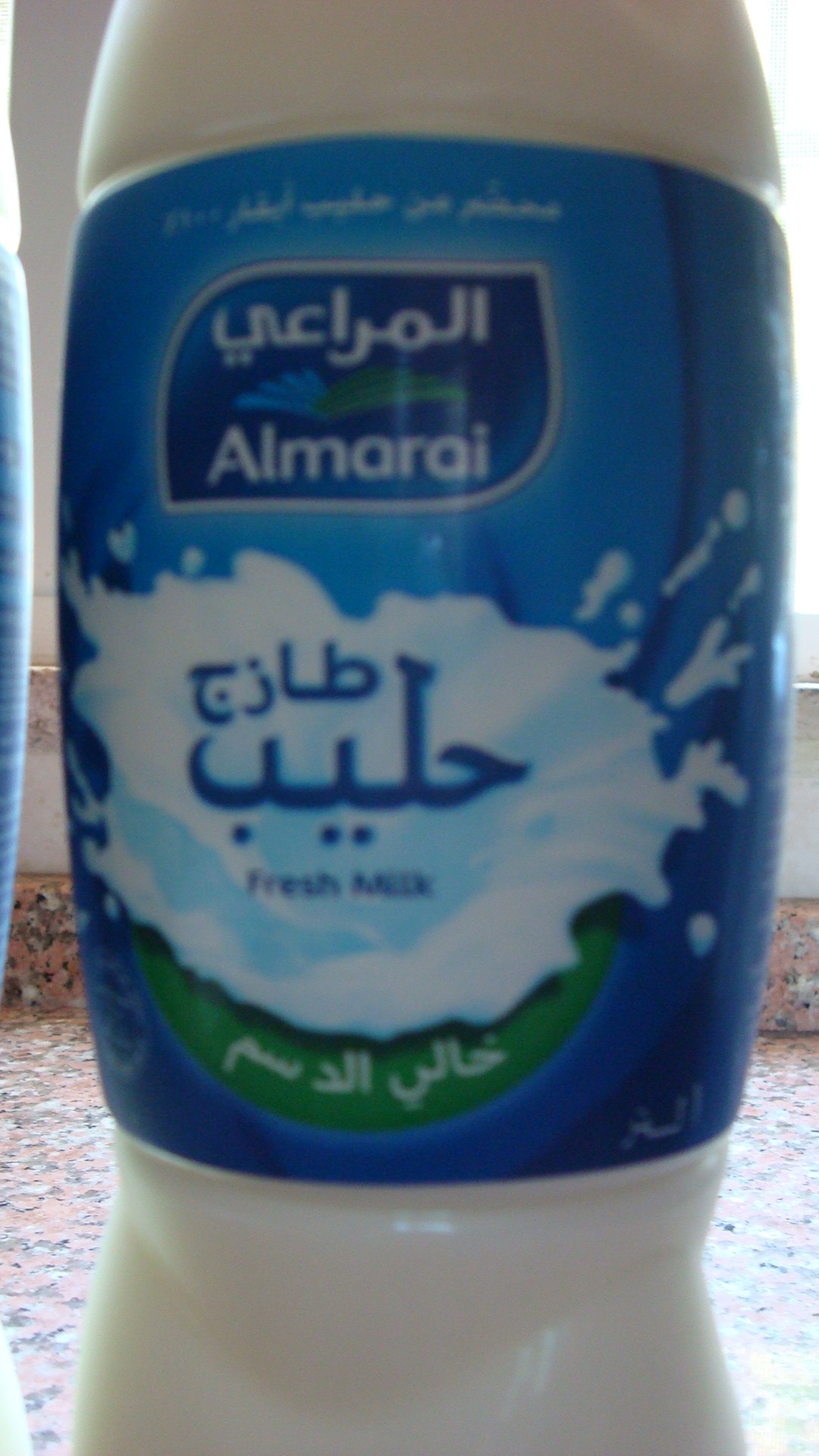
8 cups (1/2 gallon) non-fat (skimmed, as it’s called here) milk
1/2 cup yogurt (with active, live cultures) [After this first batch, you save 1/2 cup of your own yogurt to put into each subsequent batch]
optional: vanilla extract for flavoring
Make sure the milk is pasteurized, not UHT or Ultra
Directions:
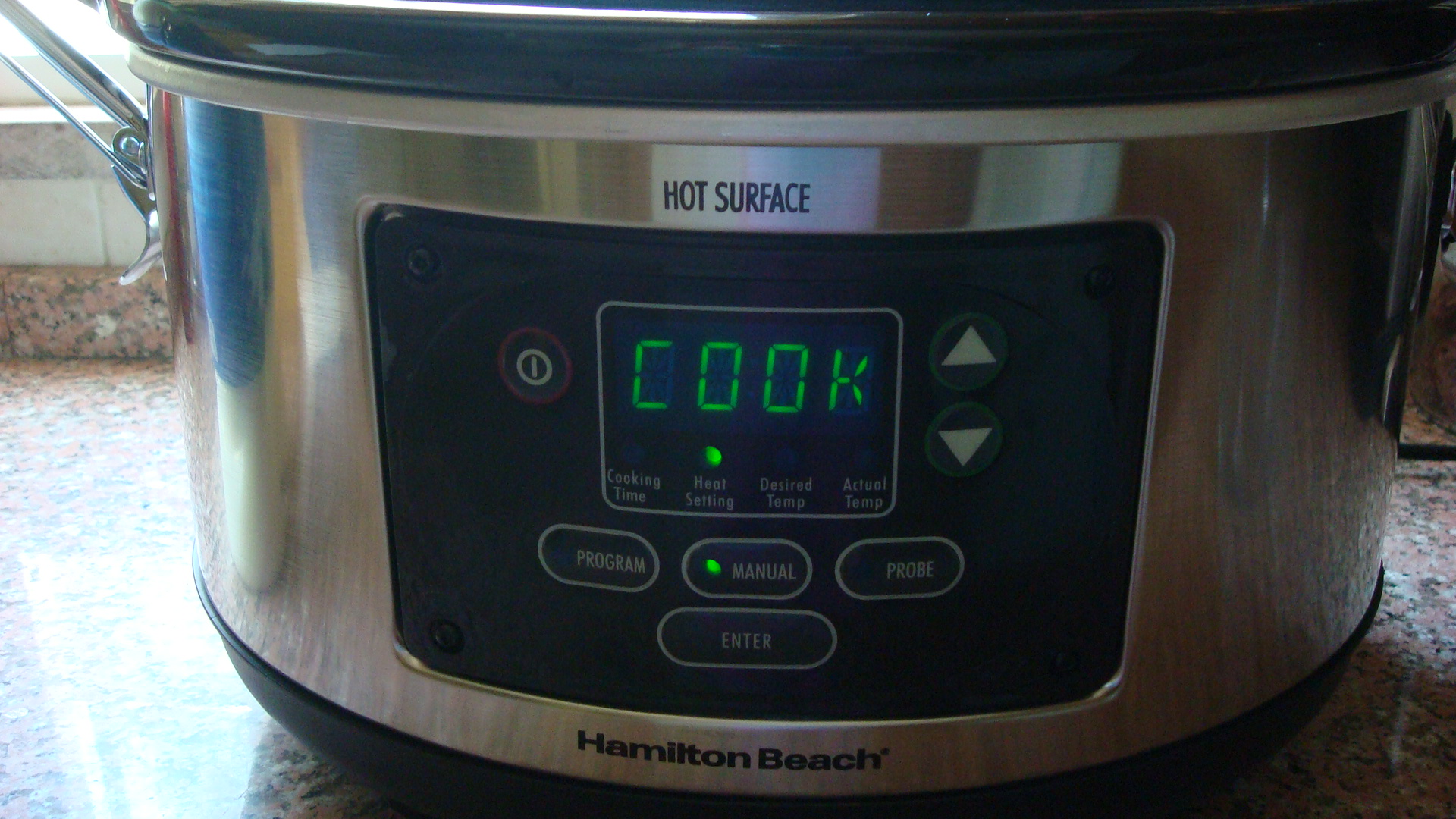
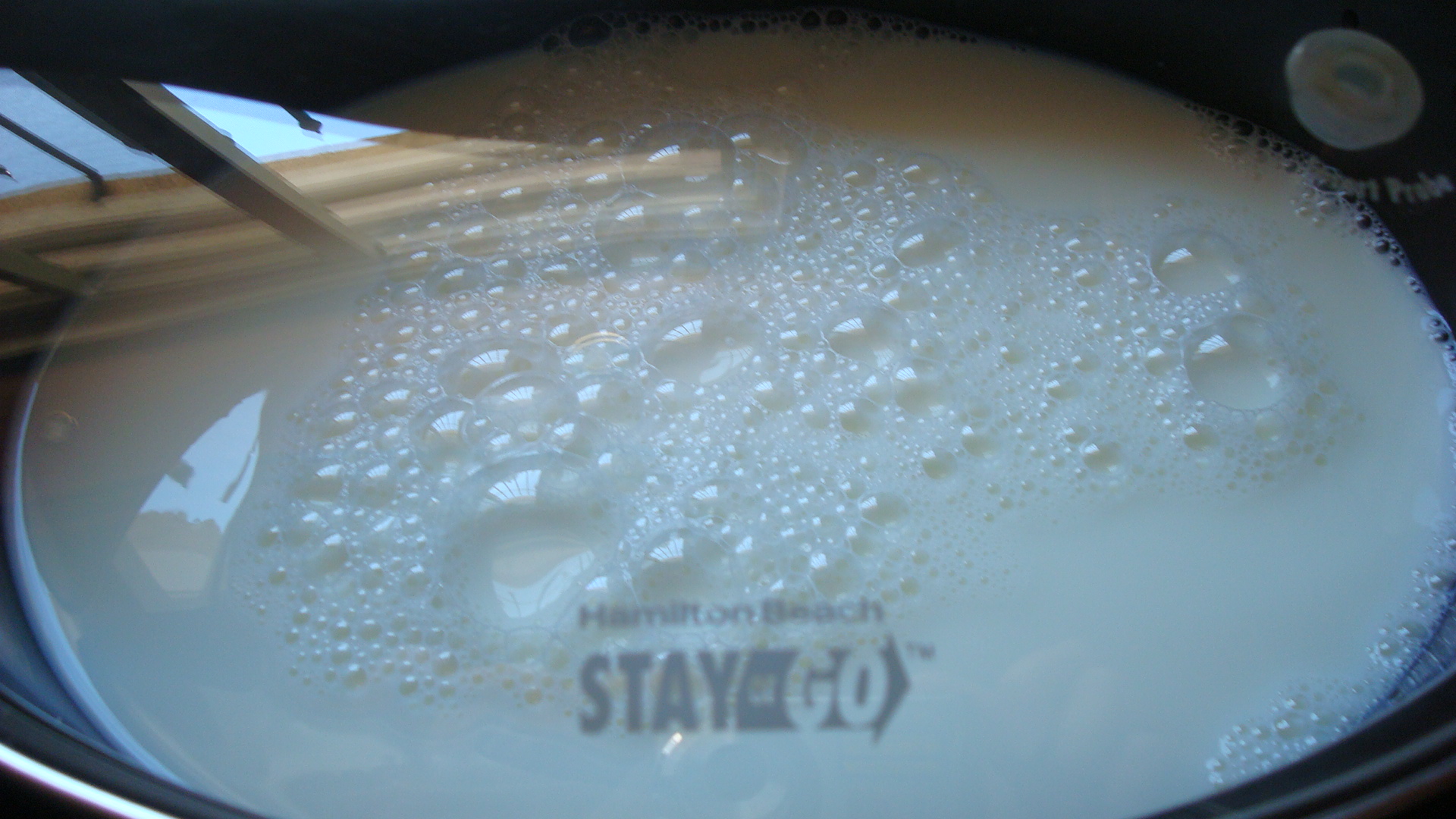
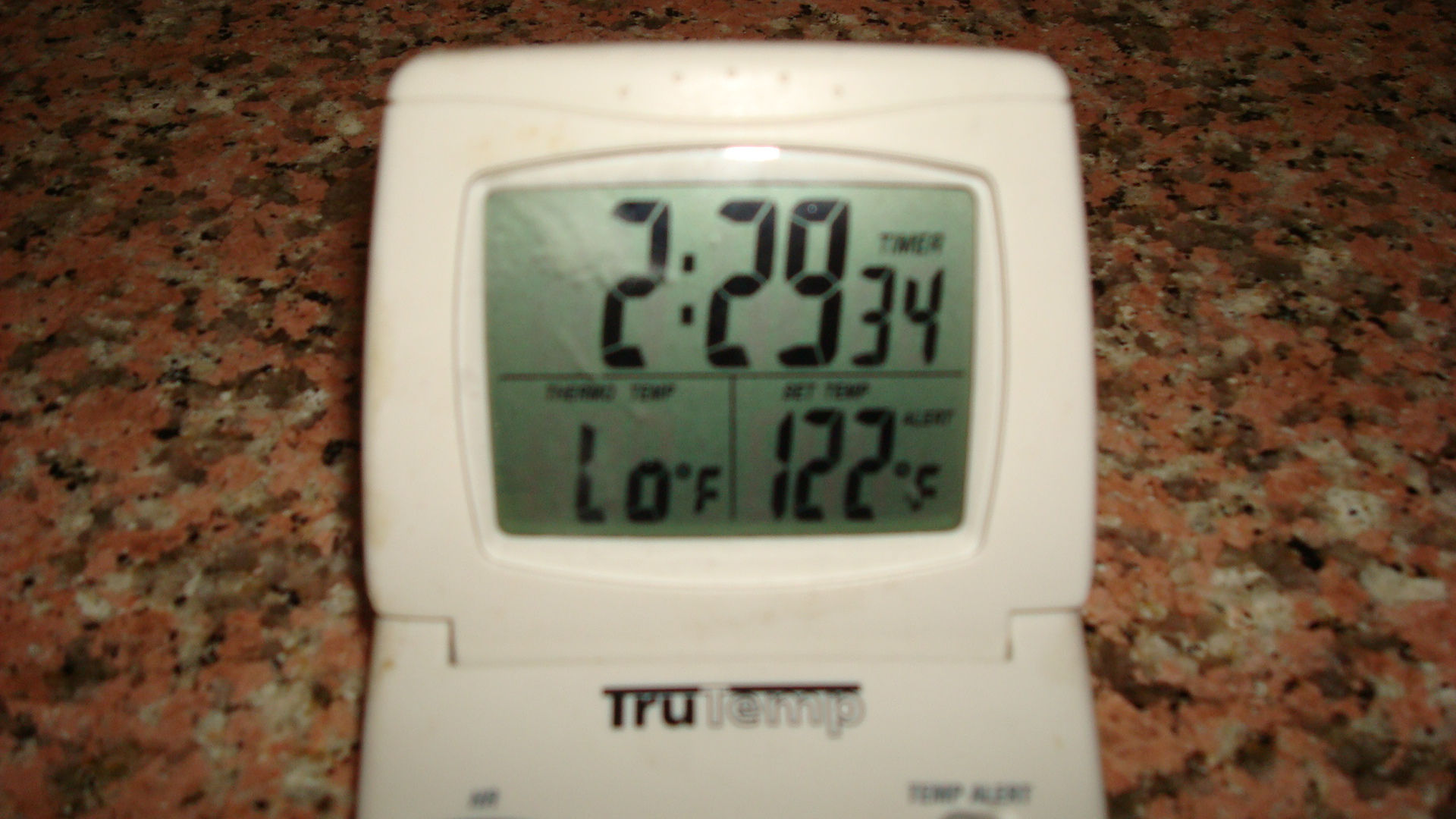
Place the milk into the crock pot, cover with lid and set on “Low” for 2.5 hours.
Cook on "Low"
Place the lid on the crock
Set the timer for 2.5 hours
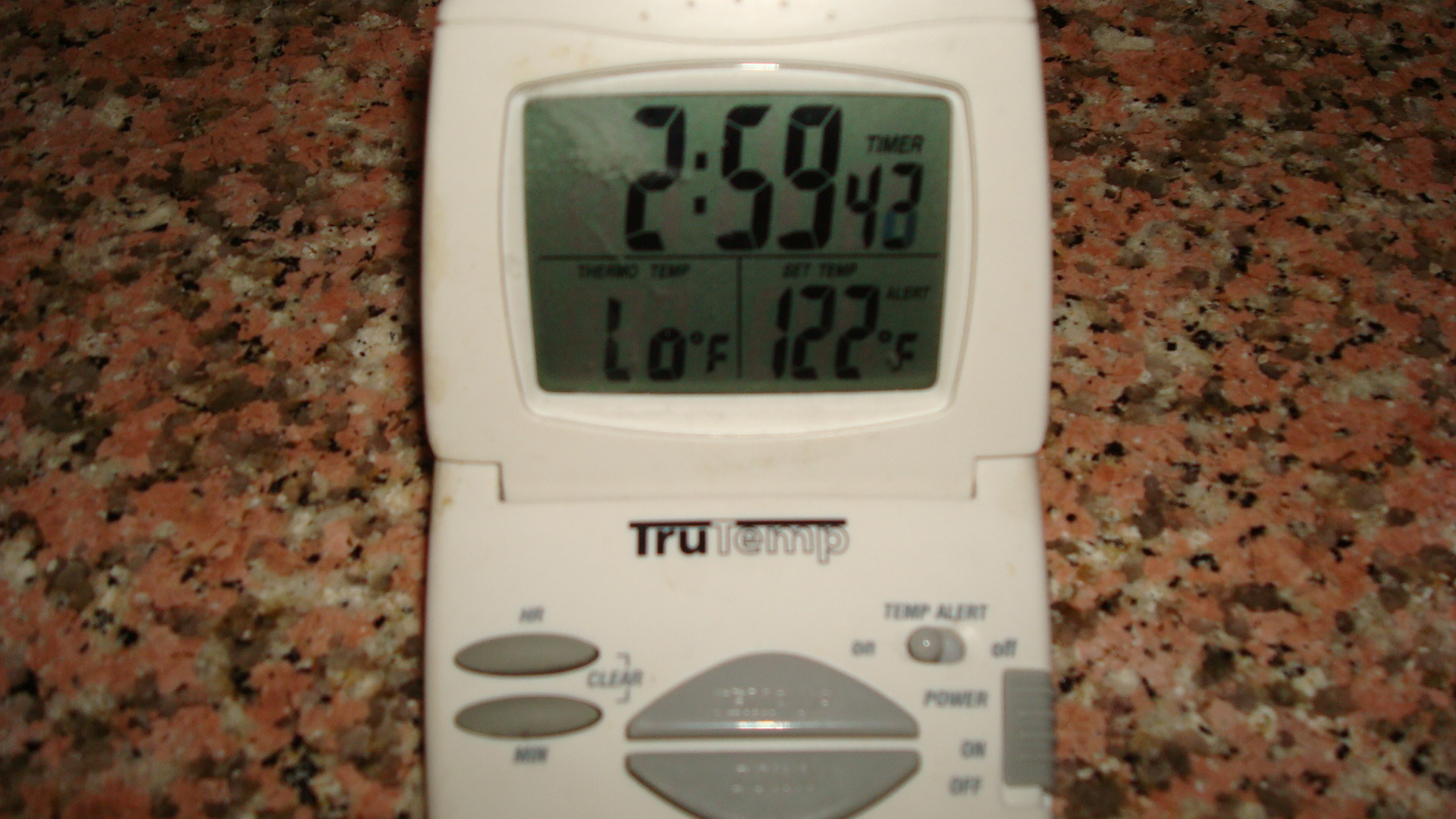
2. Unplug the crock after 2.5 hours and let the milk sit in the crock for 3 hours.
After 2.5 hours
Unplug and let sit for 3 more hours
3. Take 2 cups of milk and stir in 1/2 cup of yogurt with ‘active/live cultures.’ Stir back into milk mixture. Replace lid on crock.
Add 1/2 cup of yogurt with 'active/live cultures'
4. Wrap the crock (still off and unplugged) in a large towel to insulate it from drafts and leave overnight (at least 8 hours, untouched).
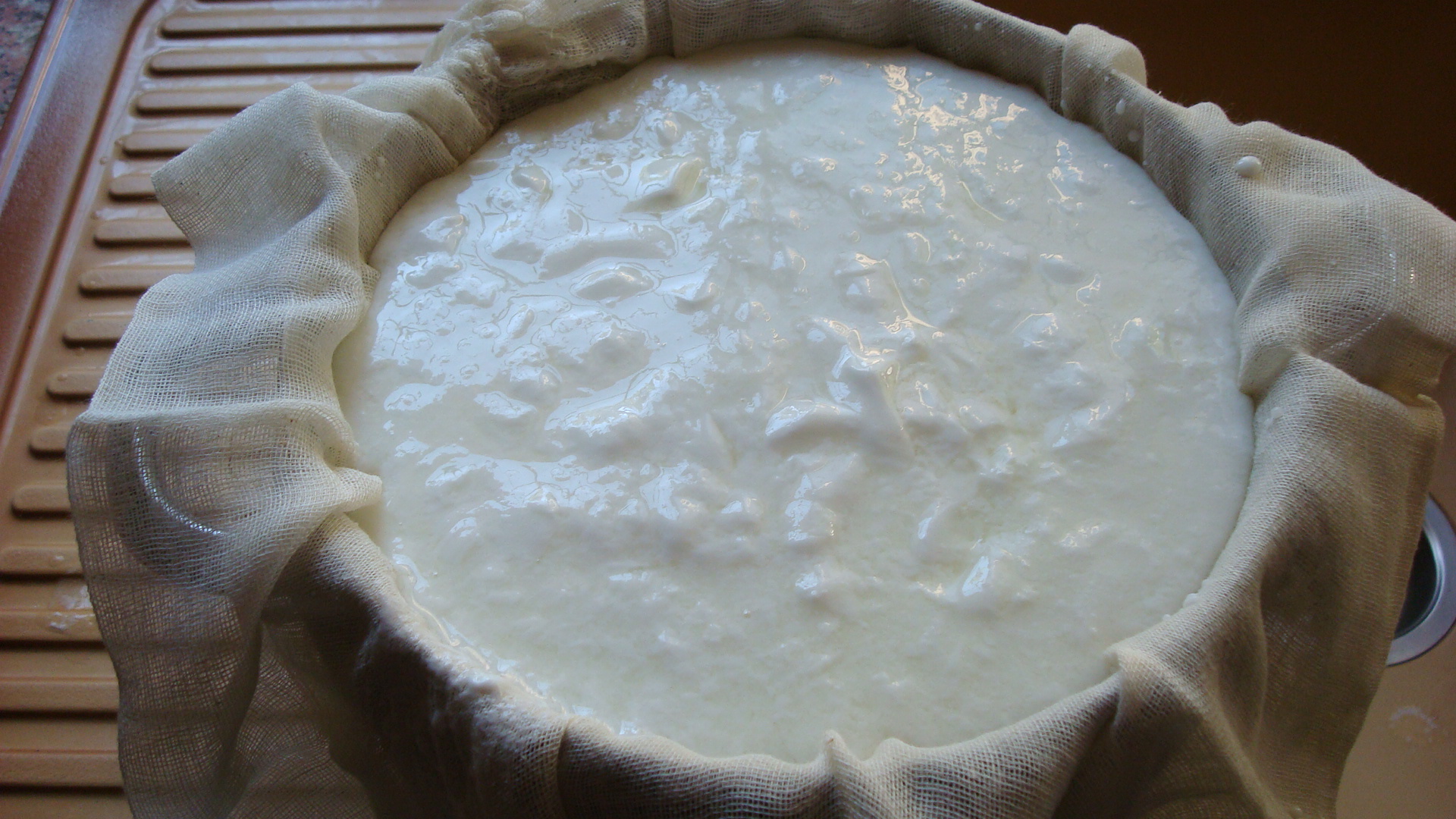
5. Place cheese cloth over a colander and drain for a couple of hours in the refrigerator, to the thickness of your preference (I was going for Greek-style thickness).
Use cheese cloth to drain the whey
It's the thickness of regular yogurt now, but I want it THICKER
Straining. It looks really lumpy.
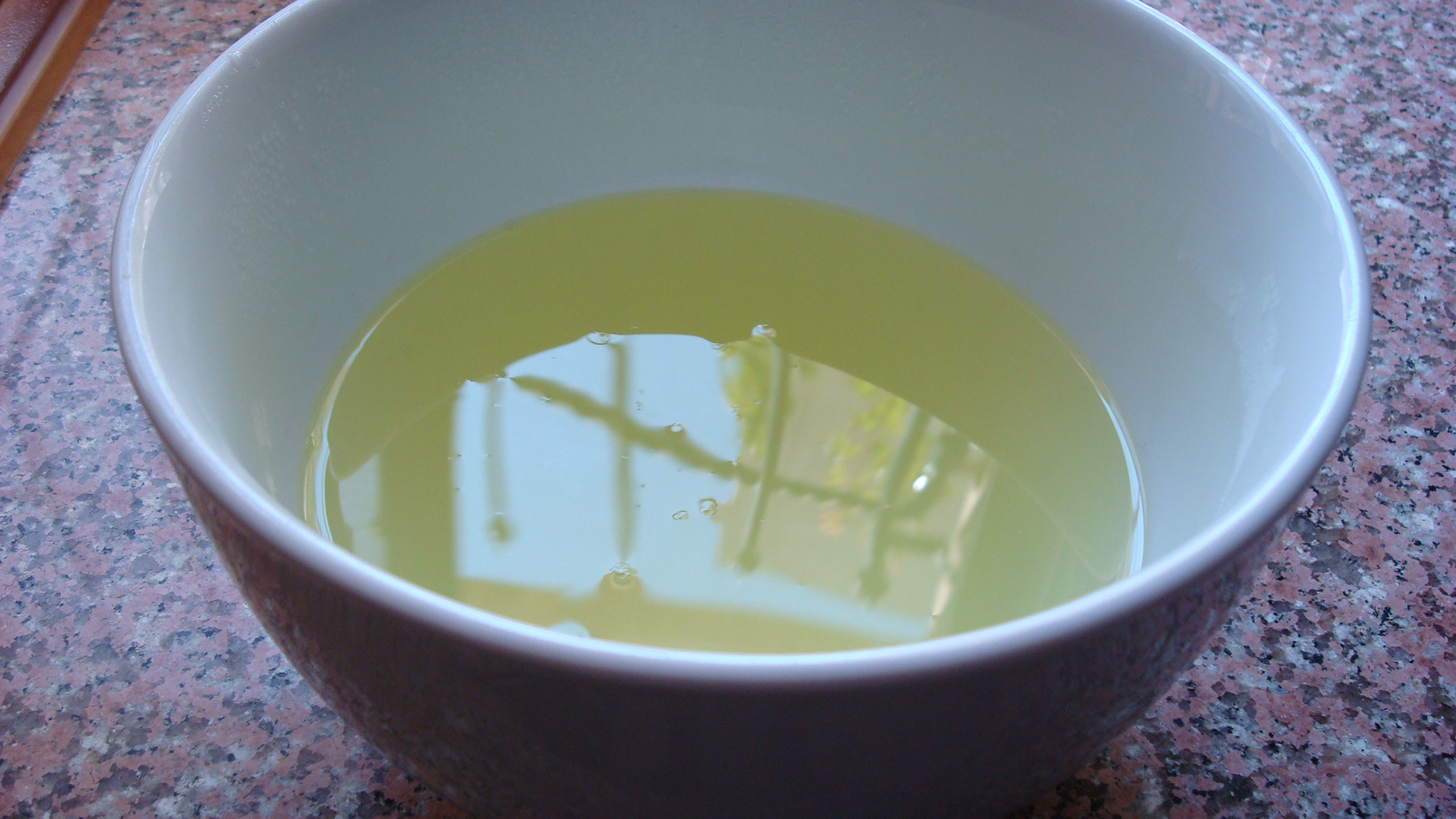
About 2 cups of whey
6. Optional: Add flavor and/or sweetness.
Adding vanilla extract and honey for flavor
7. Don’t forget to save 1/2 cup for your next batch.
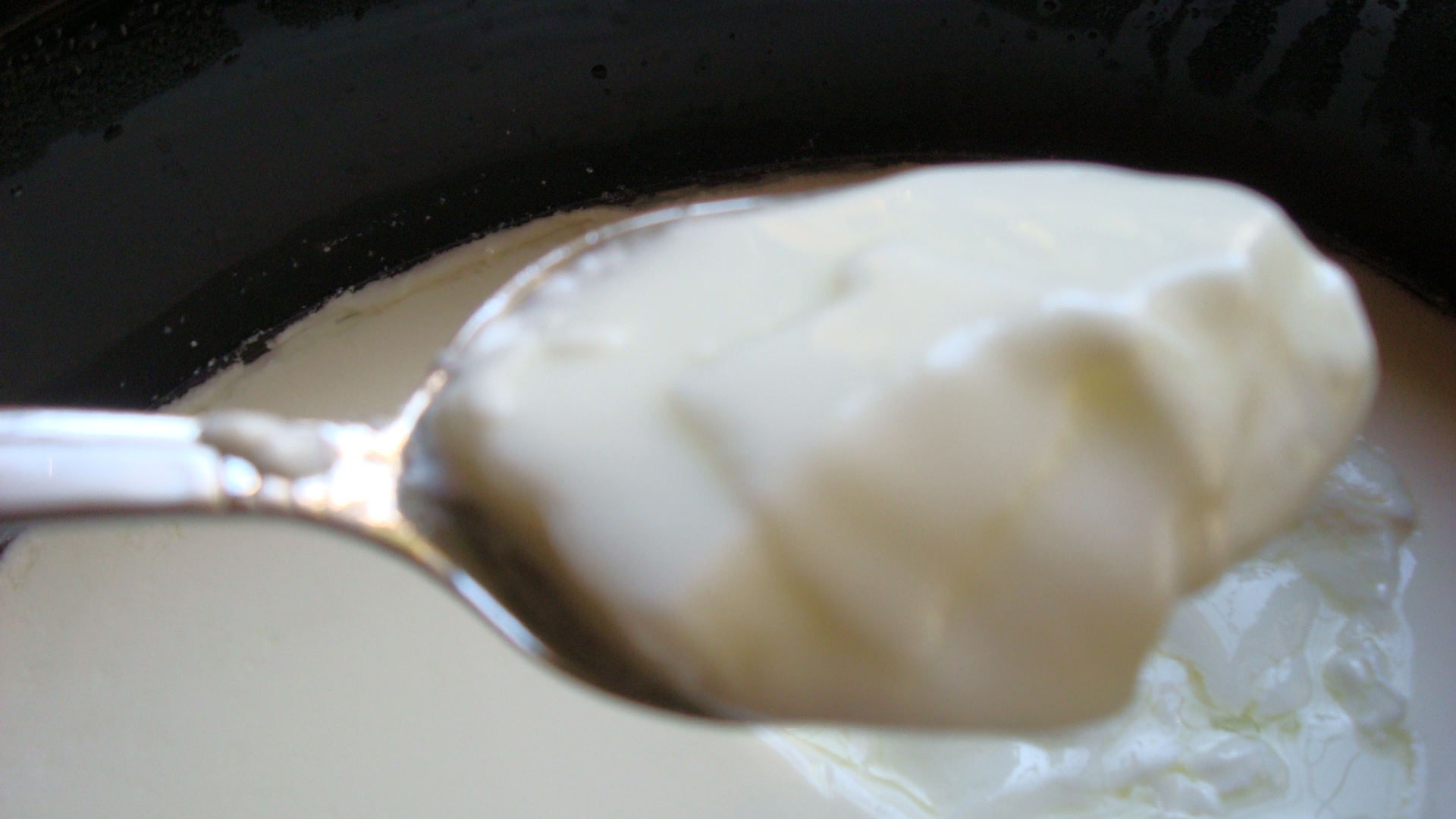
The finished product. Perfect!!!
I LOVE, LOVE, LOVE this yogurt. It was thick and tangy. It didn’t even need the vanilla extract. I served it with walnuts, honey and a banana. It’s so worth the effort, even if you have Greek yogurt readily available to you because it’s so cheap (okay, maybe not, but I’ll pretend that I’ll keep making this when I go home. The truth is, I can’t wait to get back to Whole Foods to buy my favorite brand, but meantime, it’s a good replacement).
We’ve been taking day trips outside of Amman for the past few weeks, neglecting the incredible sights that are just miles from our house. After seeing the Temple of Hercules in the distance from dinner last week at Souk Jara (the temple in Amman, not to be confused with the one we saw a couple of weeks ago in Jerash), I wanted to see the Citadel, where the temple lies. Raj and I were feeling adventurous and decided we’d drive ourselves. Have I mentioned that we don’t have a GPS (yet), street names are a relatively new phenomenon here, and people give directions using landmarks?
Roman Forum & Theater
We managed to make our way towards the Roman forum, driving through a lovely part of town that looked as though people had been evicted and their belongings were thrown into the street. This was not eviction day, just a flea market. If you need scrap metal or broken appliances, this is the place to go. We eventually spotted the theater in the distance and could easily have missed it because there weren’t any signs for it and it’s undergoing a massive renovation hiding the complex behind barricades. We made our way to the theater, which was built between 169-177 AD, during Marcus Aurelius’ reign. It was built to seat 6,000 and as you can see from the pictures, the stairs are extremely steep. We walked to the top above the seating to check out a small, empty shrine with niches. The dedication isn’t known, but part of a statue of Athena was found during excavations.
We stayed here about an hour, enjoying the views and looking off into the distance at the Temple of Hercules on the opposite hill. This is where I wanted to go next, Jebel al-Qal’a (Citadel Hill). On our way out of the theater, we quickly looked at the forum, but most of it was behind the gates of construction, so our access was severely limited.
We hopped back in the car, unsure of how to get to Jebel al-Qal’a, but how hard could it be to go directly across the hill, probably less than one mile away? Apparently it is VERY difficult because we ended up getting lost, for an hour, with only our limited sense of direction to get us back home. We made it home frazzled and decided that we’ll take a cab to Jebel al-Qal’a in a couple of weeks.
Alright, I lied. Shanit doesn’t look fab, more like sad. You see, dogs, unlike cats, are not highly esteemed in these parts. Shanti, used to monthly ‘treatments’ at the groomer and getting his teeth brushed is looking like a mess. Back in Old Town Alexandria, dogs are treated better than people (i.e. there are parks specifically for dogs, dog walkers are hard to find (because they’re booked solid despite their outrageous prices), the Hotel Monaco has ‘Yappy Hour’ in the summers for dogs and their owners). We found it so difficult to even make an appointment at the groomer that we had to have a monthly standing appointment to insure that he would be seen. Here in Amman, there are few, if any groomers, and the few that exist, operate out of veterinary clinics. Shortly after Raj arrived here, he took Shanti to the groomer/veterinarian for a hair cut. Luckily for me, I missed the trauma. As the story goes, Shanti was so upset that the veterinarian/groomer said he had to give him a sedative. Really? For a hair cut? Isn’t that overkill? (I’m curious to know how a groomer could shampoo, cut, and shave a dog that’s limp from a sedative.) Needless to say, the picture of Shanti that Raj sent to me afterwards was pathetic. He looked like a ‘plucked chicken,’ which explains the two types of dog cuts in available in Amman: shaven or trimmed (no boutique cuts). His ‘skirt’ was shaven, but nothing else, that’s why he’s sporting the dumbo, fluffy, ‘you can’t see my eyes’ look in the picture above.
As a result of the lack of grooming options in Amman, we came up with a few solutions to the dilemma. We could:
let Shanti go native and stop grooming him (but when we walk him through the trash lot around the corner at night, his fur is so long that he picks up all kinds of gunk that gets stuck in it. I really enjoyed having to cut gum out of his beard last week!)
send him back to the vet./groomer where he’ll keep getting tranquilized and will get a bad haircut (for $40 JD’s)
or, groom him ourselves with a grooming kit
As you may have guessed, we opted to try grooming Shanti for ourselves. Having never groomed a dog, Raj thought, “It can’t be that hard!” I ordered a clipper set from Amazon, but in the back of my mind I was recalling images of Schultz, my first Schnauzer and the haircuts he received under my father’s impatient hand. I’ll admit, the haircuts got better over time, but there were a number of the initial attempts that left the poor dog’s ears bloody.
Raj washed and dried Shanti and we set up shop in the kitchen (don’t cringe, there’s no outlet in the backyard for the clippers). It took about an hour and the finished product is below. It was much more difficult than we imagined (and we watched the informational DVD). Poor guy (Shanti, that is). He looks much better than he did, but this is no schnauzer cut. On the bright side, we’re anticipating saving SO much money doing Shanti’s grooming ourselves, money that I’ll surely be able to use on something for myself.






















 Jen Maan in Amman