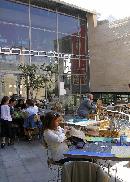
Locally Sourced Jordanian Olive Oil Factory Tour at Terra Rossa


Finding things to do and places to visit in Jordan on the weekends is becoming more and more tedious as we knock things off the list. We’ve already hit the major tourist sites, scoured the guide-book, and are now left to our own devices and suggestions from others for things to do. Luckily for us, a tour of an olive oil plant was offered so we took advantage of the opportunity. (In case you didn’t know (I didn’t), Jordan is known for its olive oil. Olive trees are everywhere here and are the known as the oldest trees in the world. We often see people collecting olives from the trees in the neighborhoods).

Had we not been part of a caravan to the factory, we would have passed it by, as we’ve already done on numerous occasions. The exterior of the factory is unassuming, like most buildings here, but once we entered, I was surprised to see such a large operation. We went on a brief tour of the factory, sampled a couple different types of olive oil, grabbed a snack, and then bought a few things in the gift shop.

[FYI: The name of the factory is Terra Rossa, or ‘Red Soil,’ named for the indigenous type of red clay soil produced by the weathering of limestone. Compared to most clay soils, terra rossa has good drainage characteristics making it a popular soil type for olive and wine production. The main types of olives used for the production of olive oil in Jordan are Nabali, Improved Nabali, Souri, and Roman.]

The process for olive milling (or pressing) is as follows:

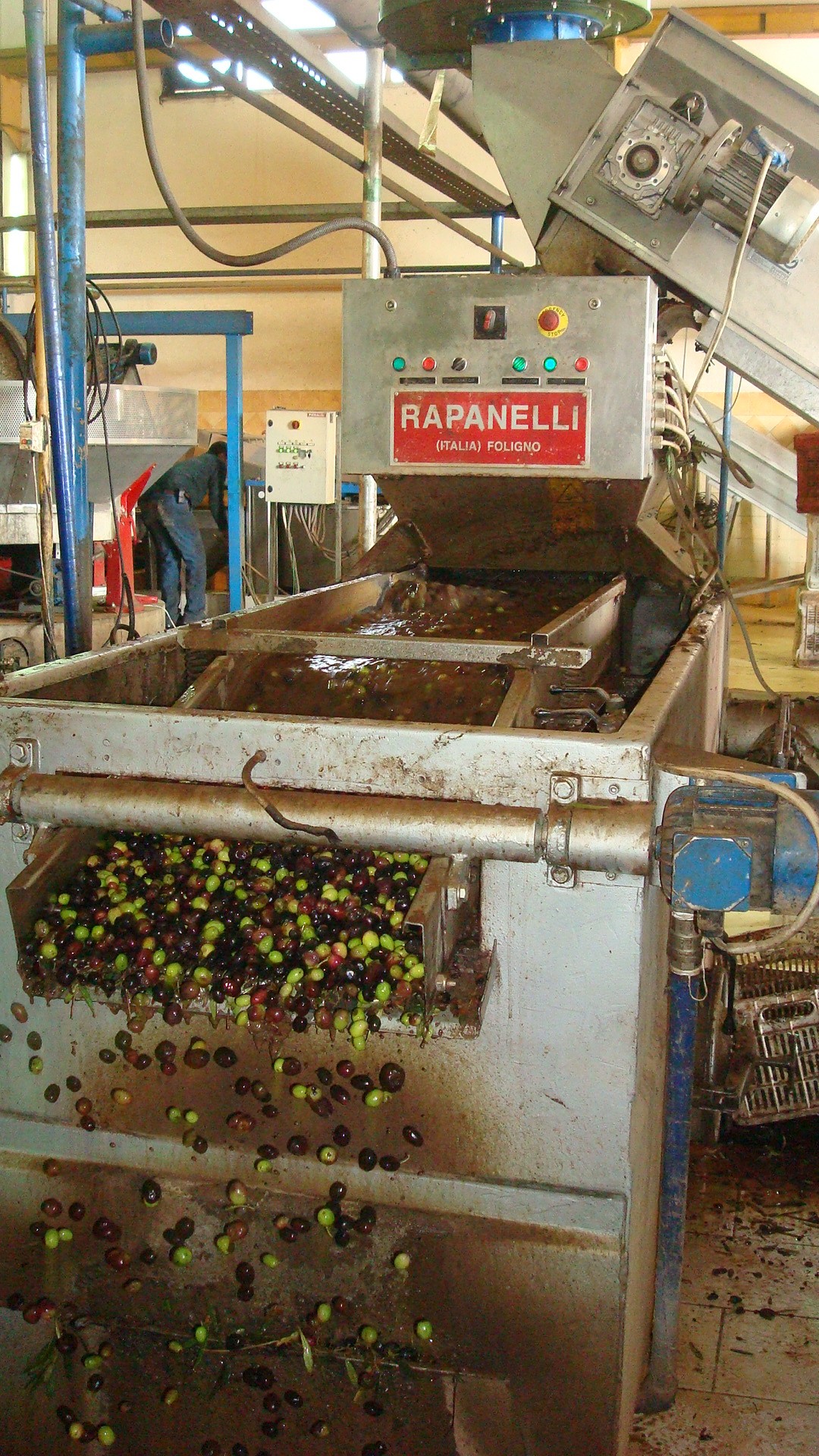
Olives being fed into the machine to be washed
Olives moving up into the machine to be washed
Washing the olives

1. Washing: The first step is to clean the olives, removing stems, leaves, twigs, and other debris left with the olives. 

Grinding the olives with a millstone

2. Crushing: The olives are ground into a paste with a millstone to tear the flesh cells of the olive to facilitate the release of the oil from the olives.

Malaxing the paste

3. Malaxing: Mixing the crushed olive paste.

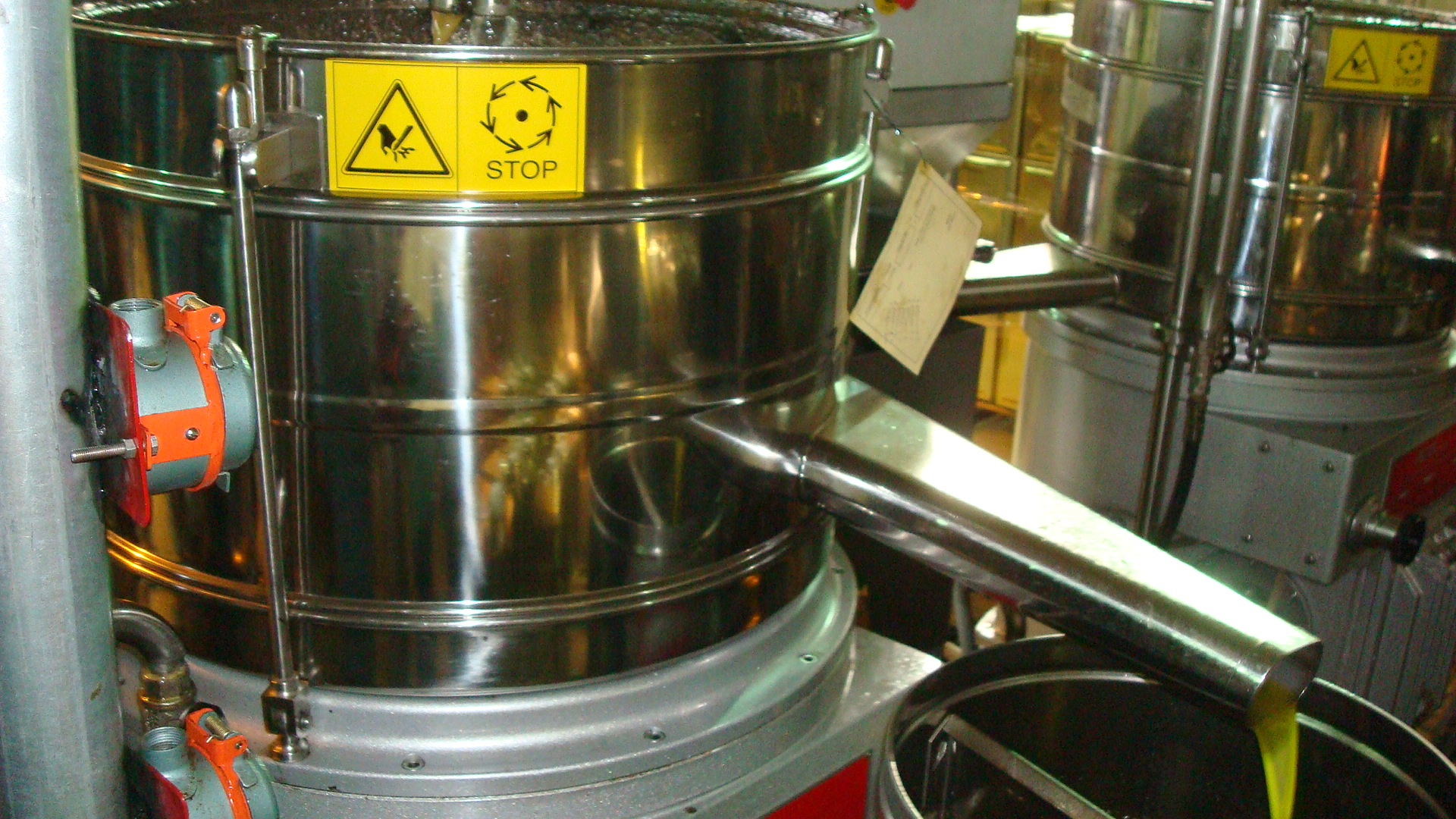
Separating the oil from the vegetable water and solid


4. Separation of oil from vegetable water and solid (done through centrifugation)

Huge canisters of olive oil ready for delivery
Olive pomace, the waste product of the industry (but it can be used for cooking if and heating if it's made into briquette logs.)
In front of an old millstone

After the tour we tasted a couple of olive oil samples and then were treated to manaeesh (dough topped with za’atar (thyme with sesame seeds and olive oil) or cheese), which were cooked over an open fire of olive pomace logs.

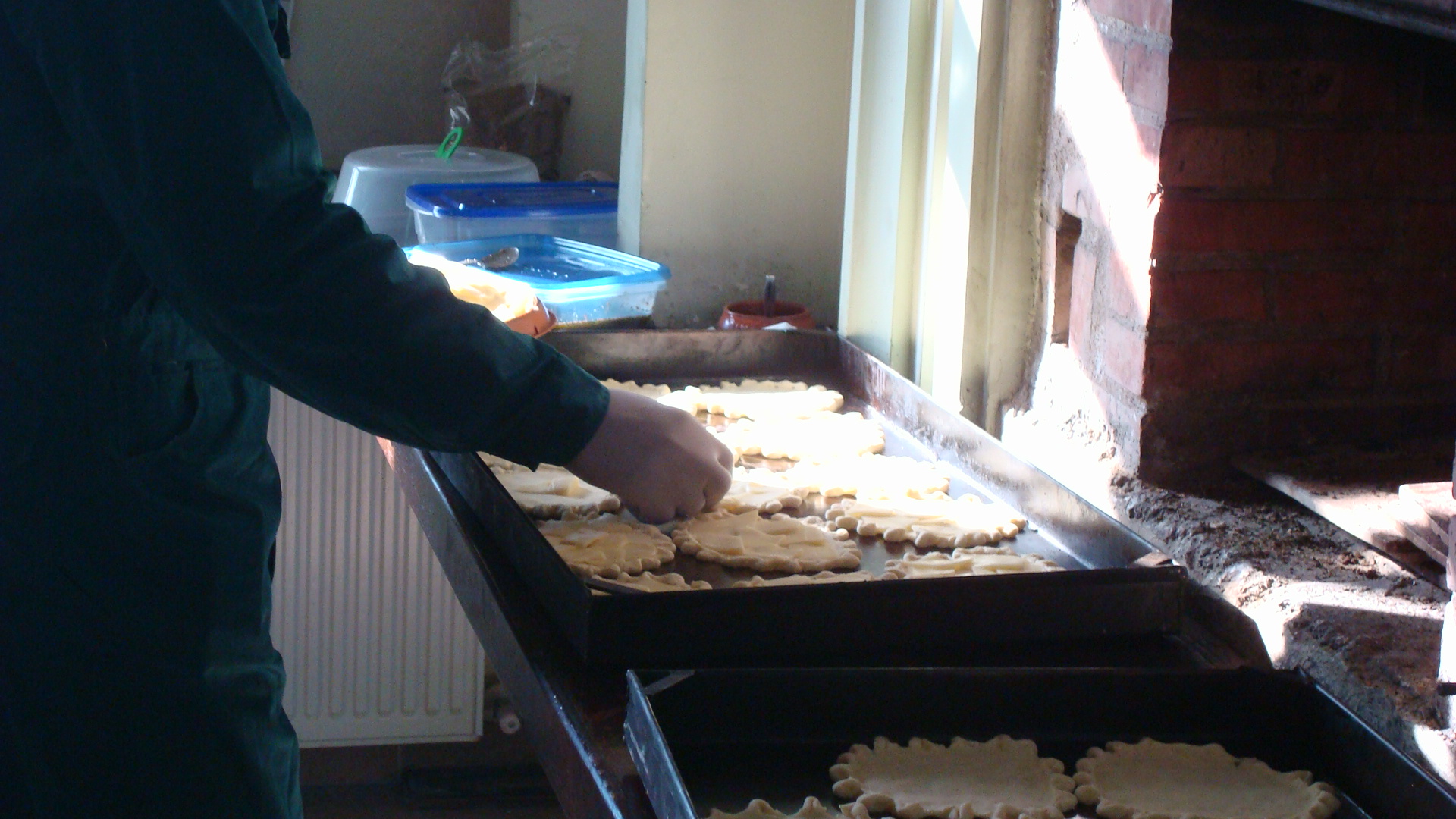
Preparing manaeesh

After our snack and tea, we made it to the gift shop to purchase a few bottles of sinolea olive oil and a couple of terra-cotta serving bowls to accompany the oil. I haven’t tried cooking with this gold standard of olive oil (and we’ll have to keep it in the food safe with our honey from Yemen), but I’ll let you know if I can detect any difference and if it’s worth it.  🙂

Store shelves lined in oils
The purchases...

[FYI: Sinolea is a method used to extract oil from the olives. Extra virgin olive oil extracted from this method is said to be the “flower of the oil” as there is minimal interference in the extraction of the oil because no heat is applied. In this method of extraction, polyphenols (the good for you stuff in EVOO) are concentrated 3X more than in regular EVOO.]

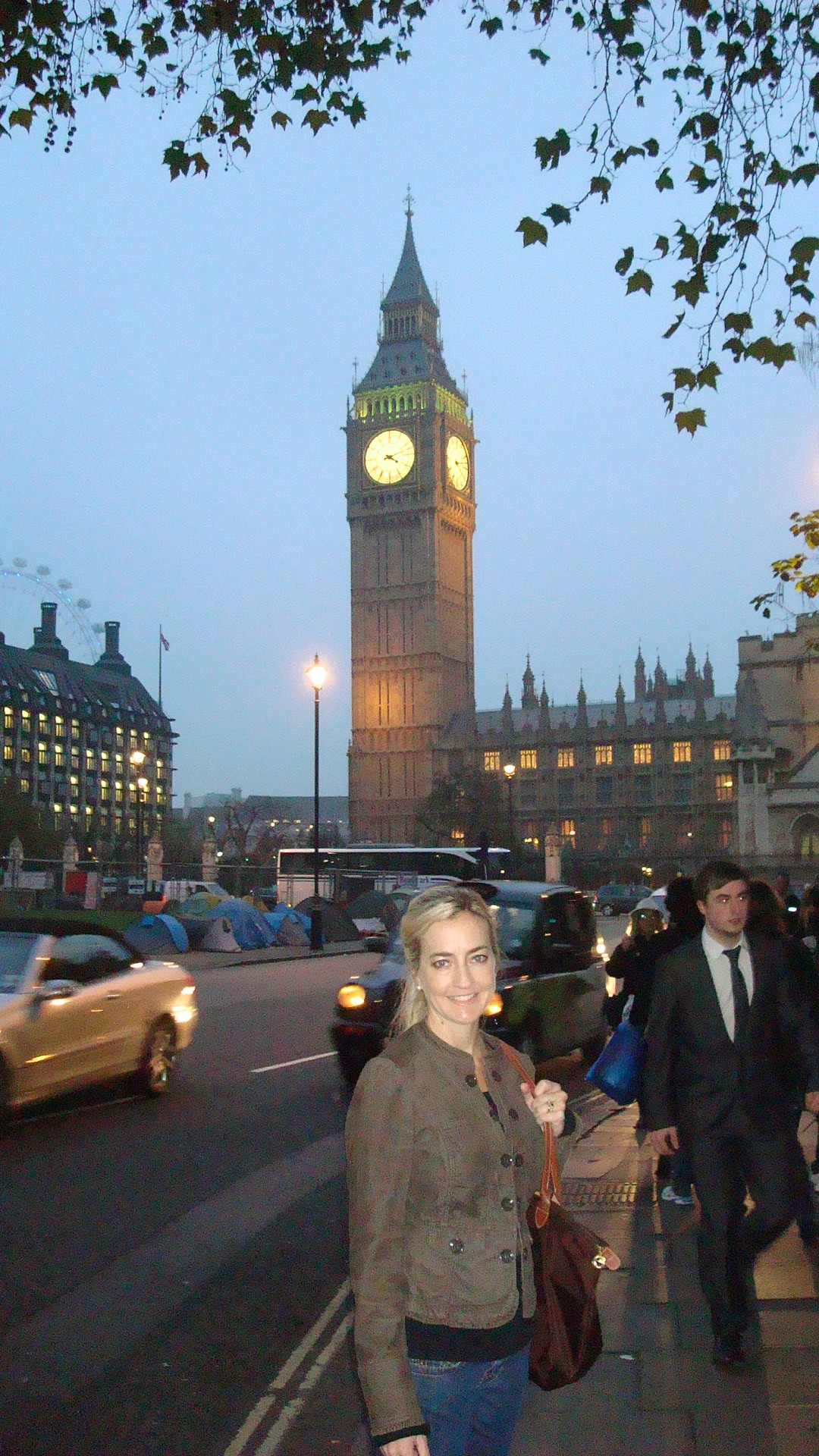
Returning to Jordan by Bribe of London


Washington Monument

Returning to Jordan from DC is akin to returning to school after summer break–it’s painful, traumatic, and the last few days of ‘summer’ are ruined from the impending doom on the horizon. To Raj’s credit, he anticipated a case of the ‘Jordan Blues’ and planned a two night layover in London in hopes of counteracting my mood. (Smart man; it worked, at least temporarily.)

We had a great three weeks in Old Town, Alexandria. Reintegration into American culture took all of one second as we were greeted with smiling faces and people driving in an orderly fashion. The highlights of the trip included:

  • running OUTSIDE, along the Potomac River
  • going to yoga EVERYDAY
  • walking about town, wearing whatever I pleased
  • shopping at my favorite stores
  • eating at Cheesetique, multiple times
  • getting my hair done by my favorite stylist
  • eating Greek yogurt
  • seeing friends
  • catching up on all of my favorite TV shows
  • and much, much more…
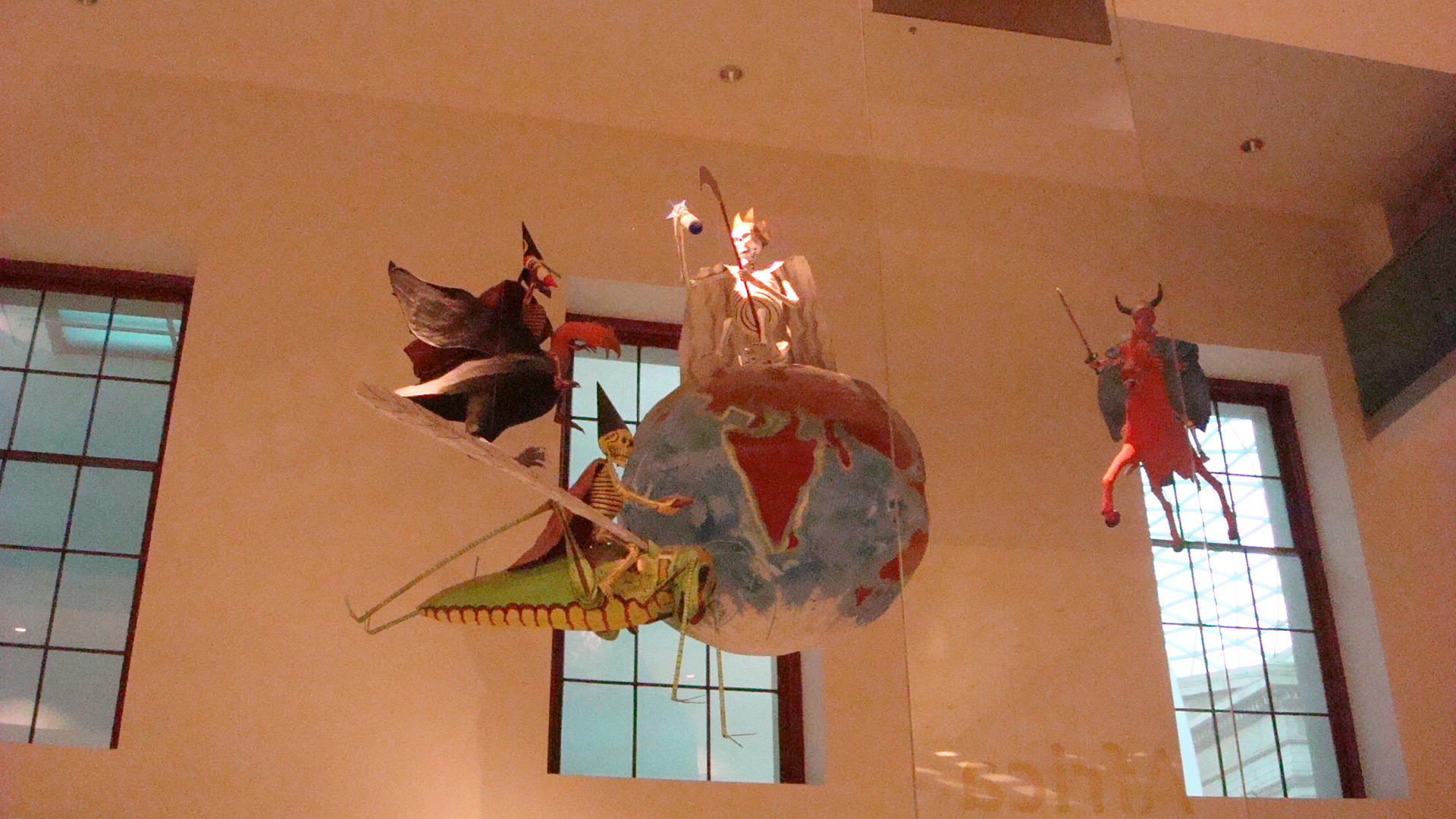
View from National Gallery

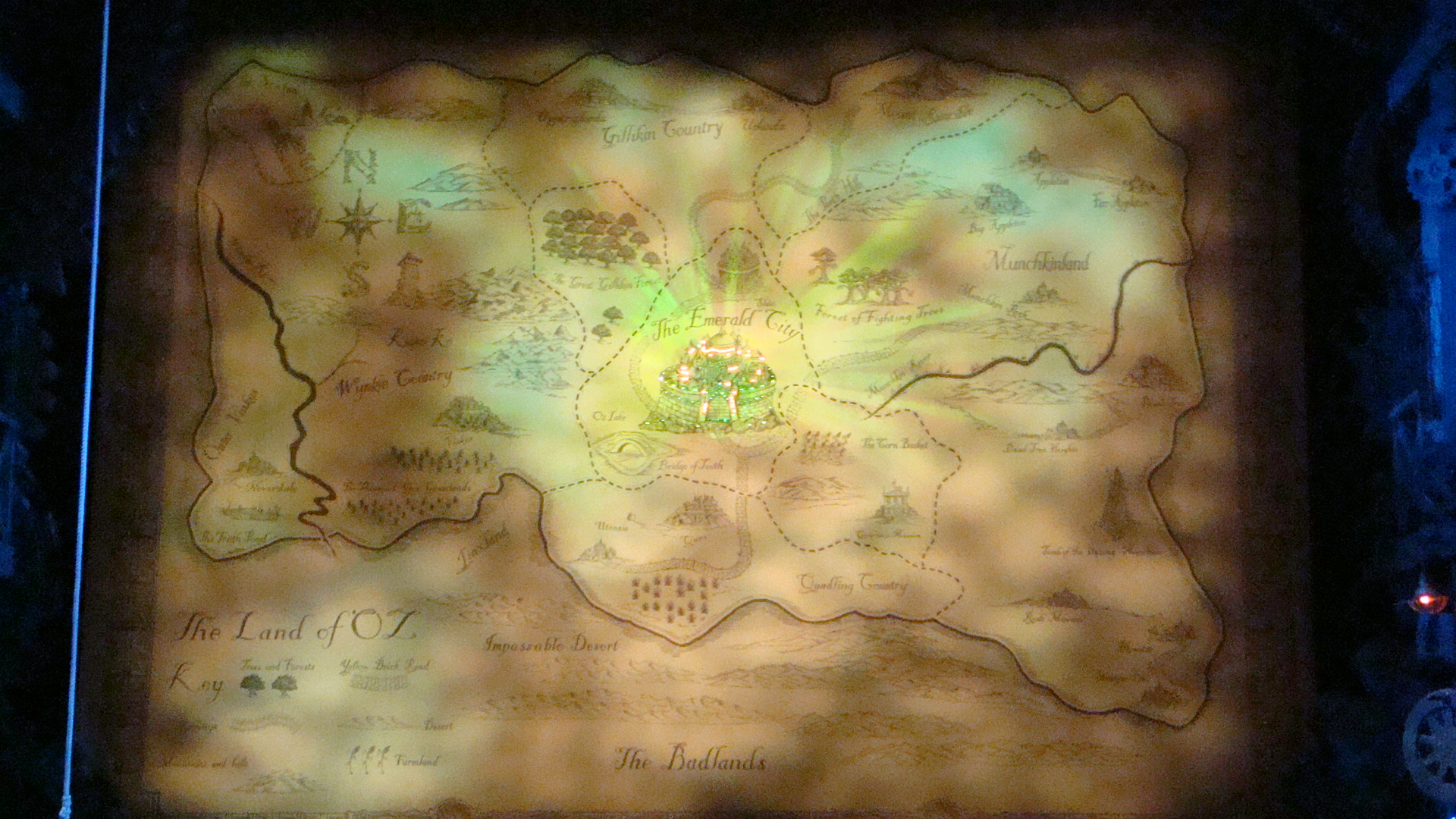
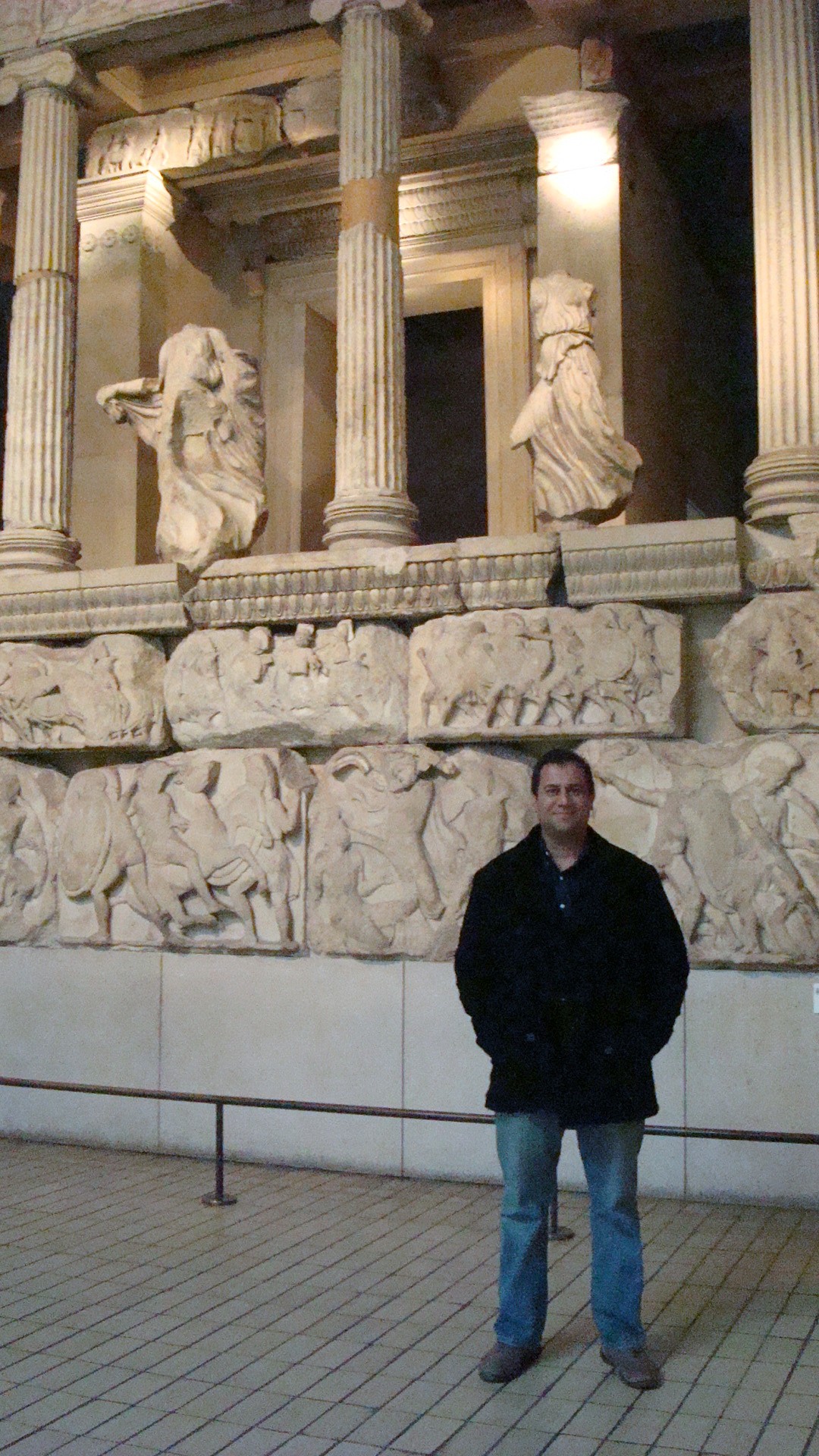
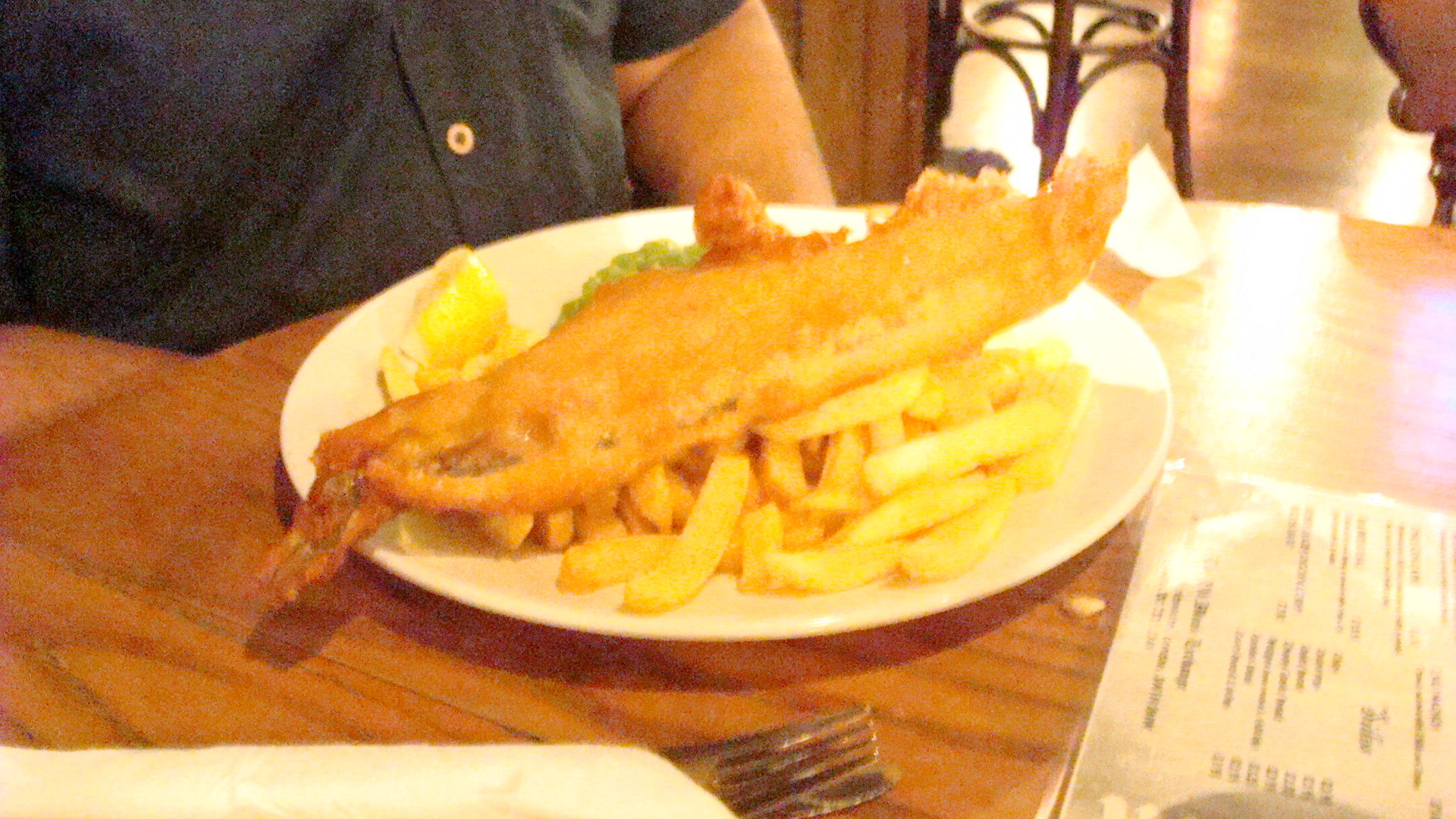
London was fun, despite my trepidation of returning. We enjoyed an afternoon at the National Gallery followed by one of the two things Raj had requested: fish and chips for dinner on the first night and Indian food on the second. The second day we spent at the British Museum followed by a stroll through Harrods. After working up an appetite from all of the walking, Raj was on a mission to find an Indian restaurant to make up for the terrible meal the night before. On a doorman’s recommendation, we headed to Victoria station. We got out of the station across the street from the Apollo Victoria Theatre and saw signs for Wicked. Raj, continuing on with his quest to make me forget where we would be heading to soon, spontaneously inquired about tickets for that evening’s show. We bought tickets and headed out to find the Indian restaurant. Dinner was terrible, but it didn’t matter; Raj got his fix. Wicked was great, as were our seats.

We landed back to Jordan on Thursday evening, attended the Marine Ball on Friday, and now I’m prepping up for a Thanksgiving feast, Jordan style, this week. I’ve promised Raj that I’ll try to be more positive and that I’ll post more than once a month now that I’m no longer ‘working.’

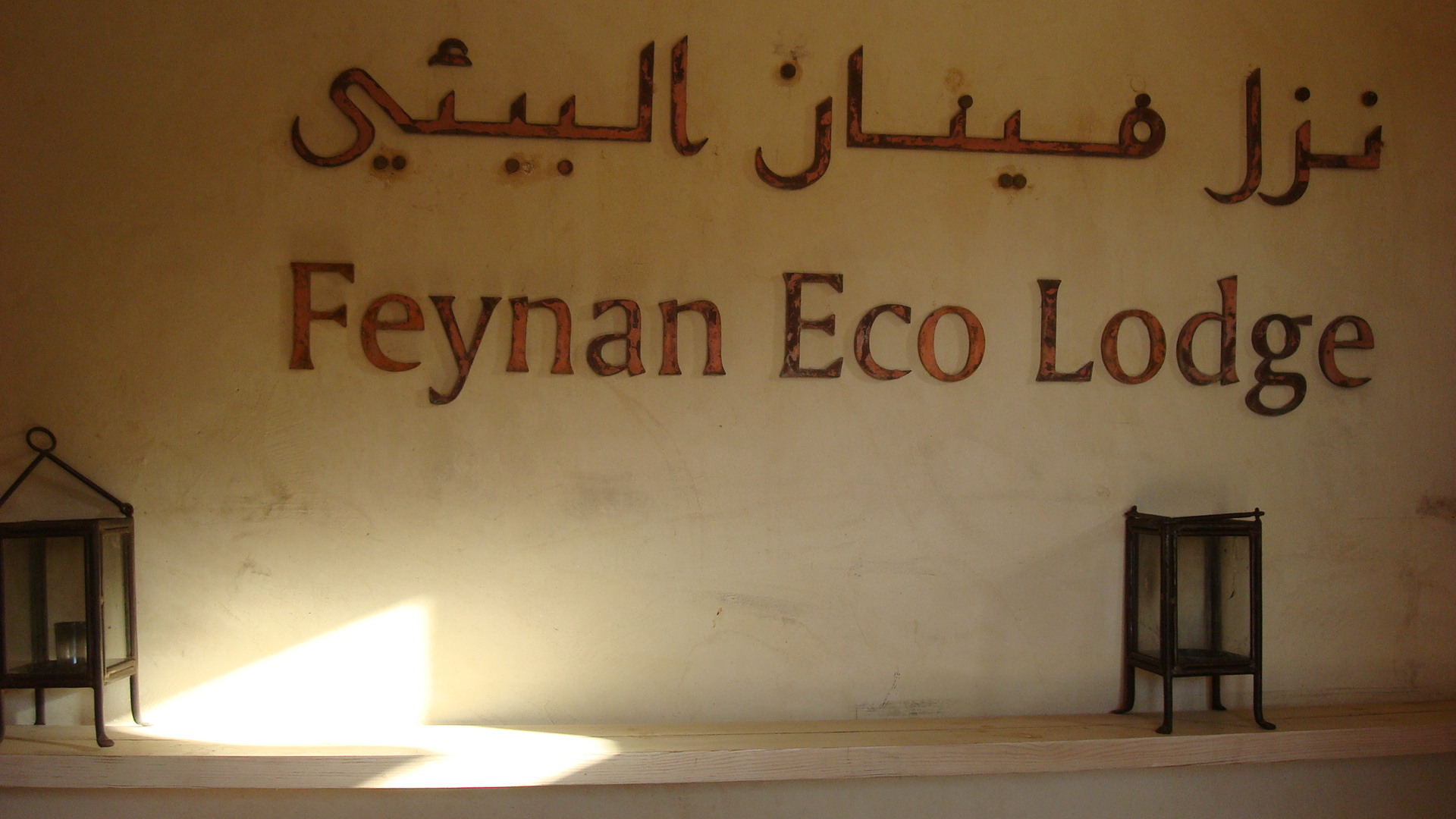
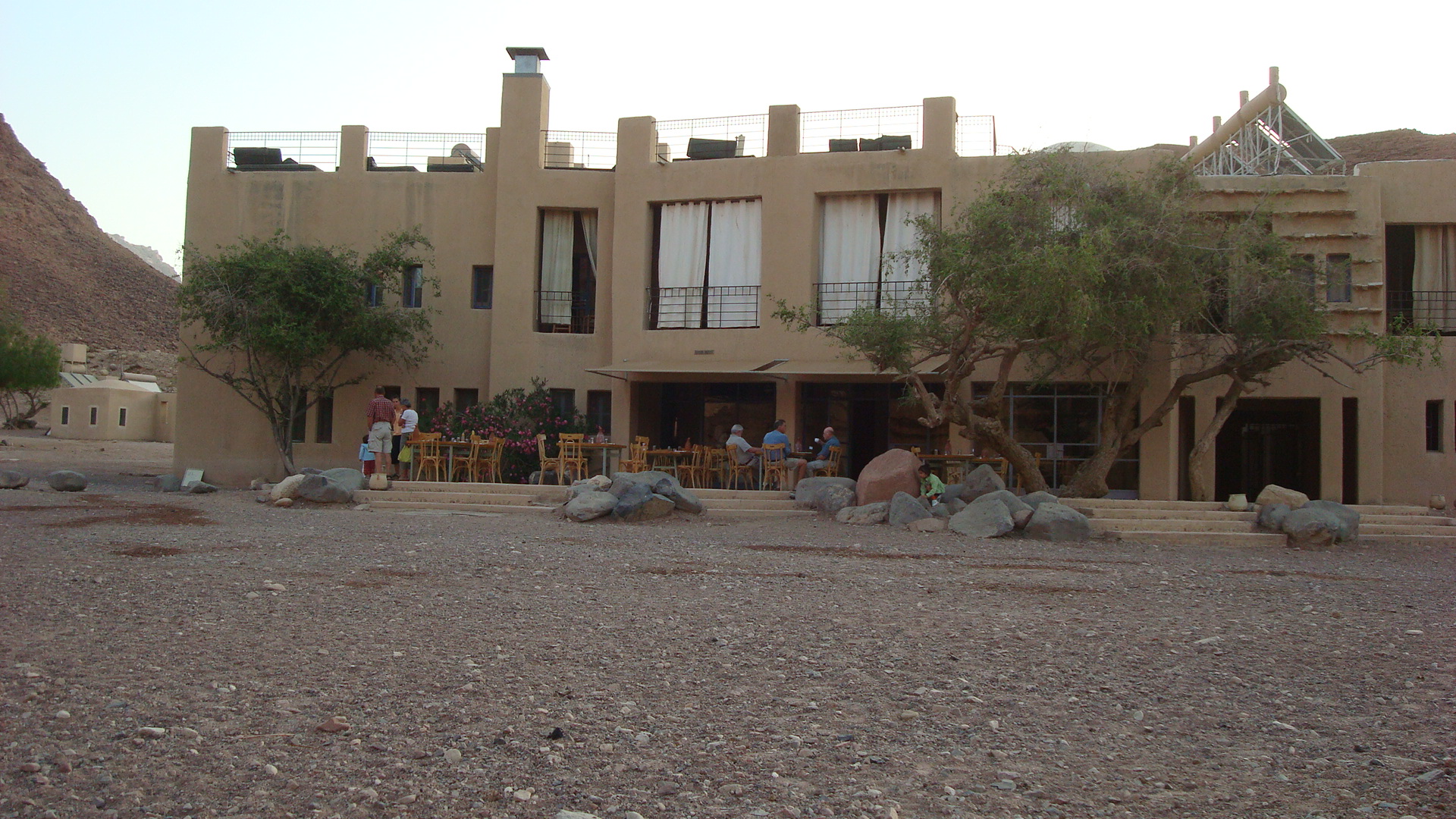
Feynan Ecolodge, a Respite from City Life


I came across Feynan Lodge over a year ago when I was still living in the States. I happened upon it from a random Google search while I was researching Jordan. Feynan popped up as one of National Geographic’s top 50 Ecolodges in the World, a place unlike any other here in Jordan. This was one of the few interesting things that I found in anticipation of our move. This “wilderness lodge” is located in Dana Nature Reserve (run by the Royal Society for the Conservation of Nature (RSNC), the same society who operates Wild Jordan (the organic restaurant that I love downtown)).

View from Behind the Lodge
Inner Courtyard of Lodge
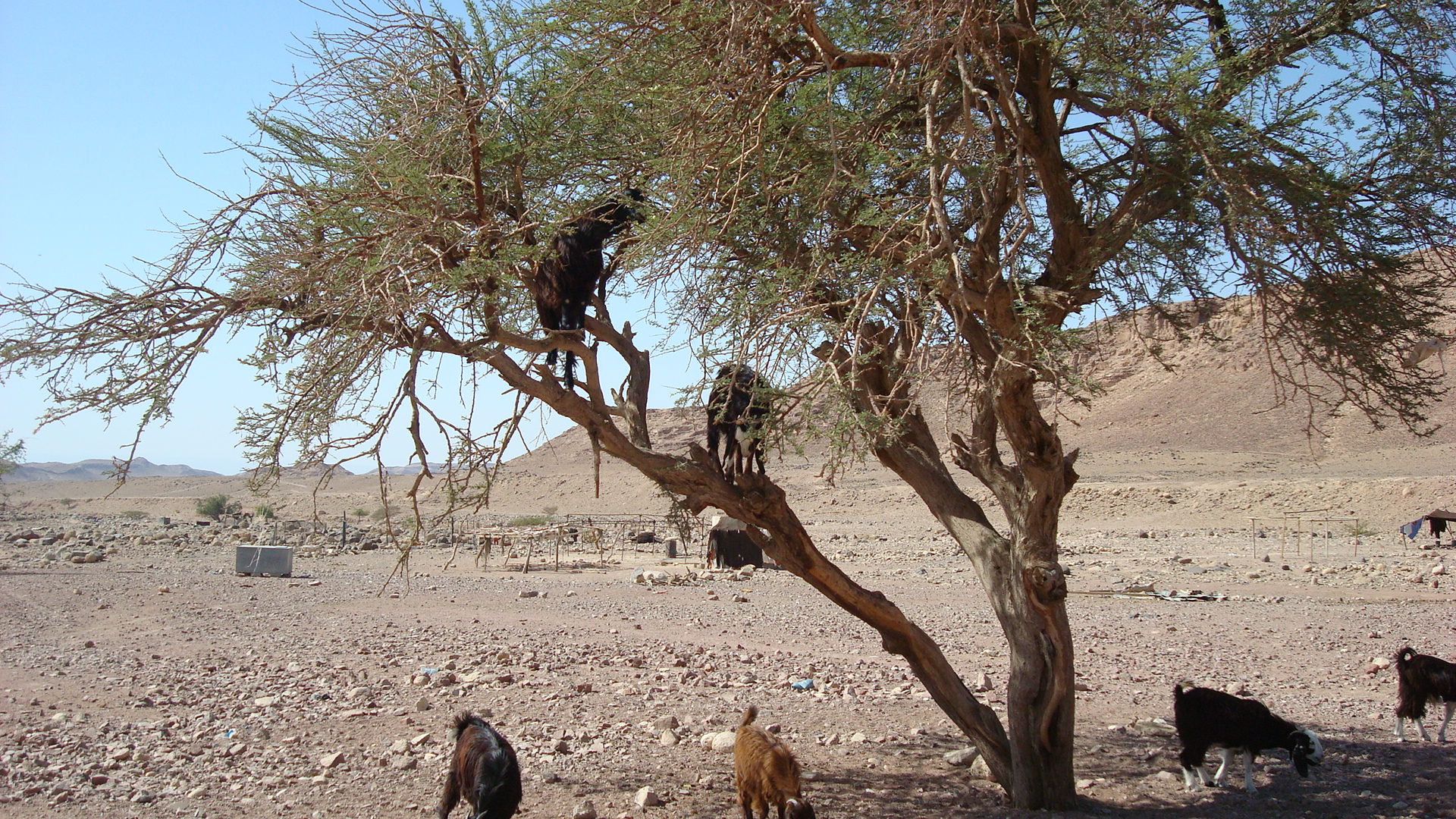
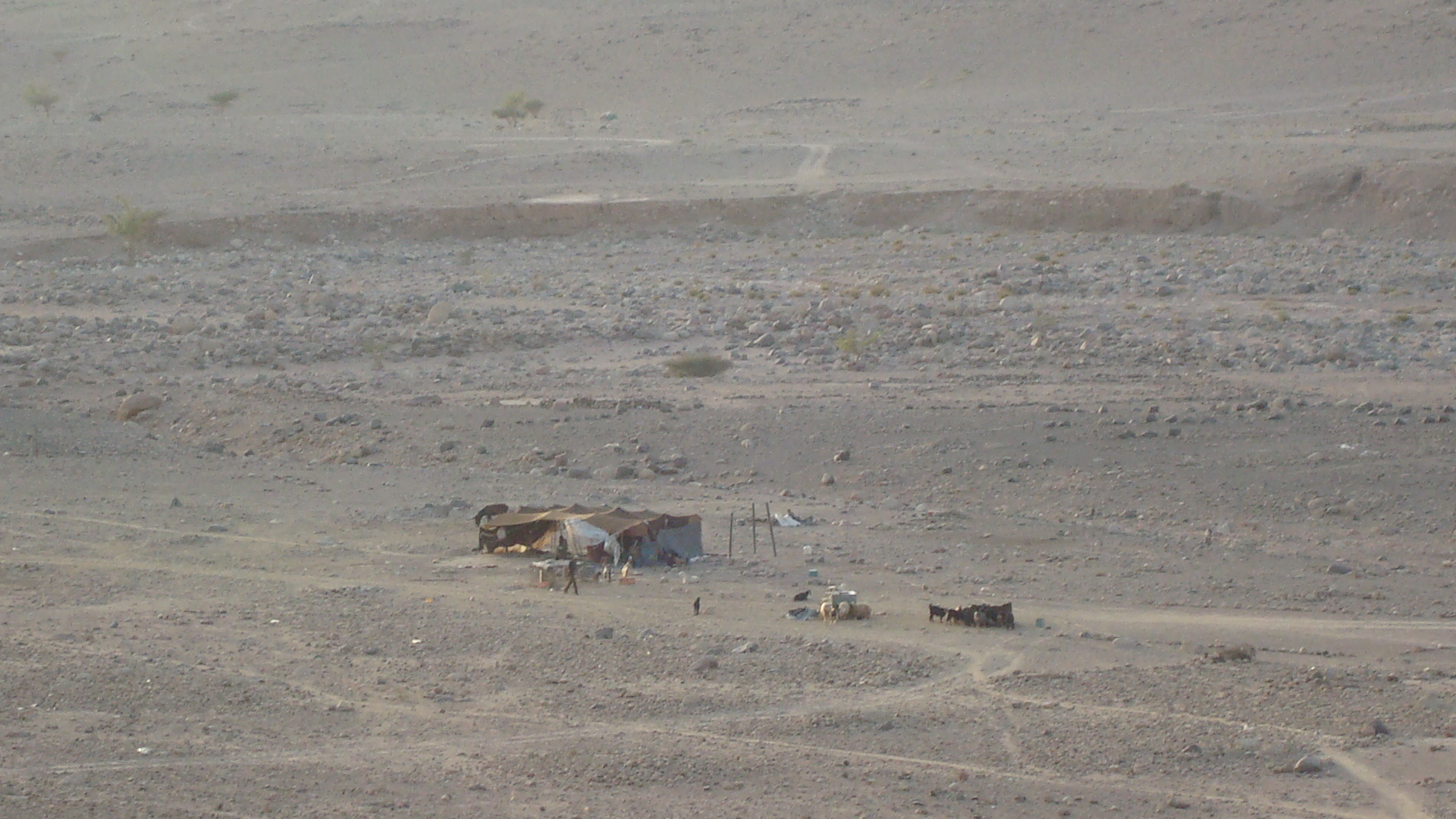
Neighbors
Yes, goats can climb trees.

It took us about three hours to arrive at the ‘reception area’ where we were met and transported by a local Bedouin (the road to the lodge is accessible only by 4×4, which we have but don’t use–it’s only for show). The bumpy ride in the back of a circa 1970s Datsun pick-up truck (outfitted with fringed curtains) took us about thirty minutes. The route was rock strewn and inhospitable looking, yet there were plenty of families (with many children running about) that live here throughout the wadi. We were welcomed into the main lobby by staff with mint tea and towels and then given what Raj took as the sales pitch on the lodge’s history, mission, and our activity options (It wasn’t a sales pitch but he was prepared to say no to whatever it was he thought they were selling).

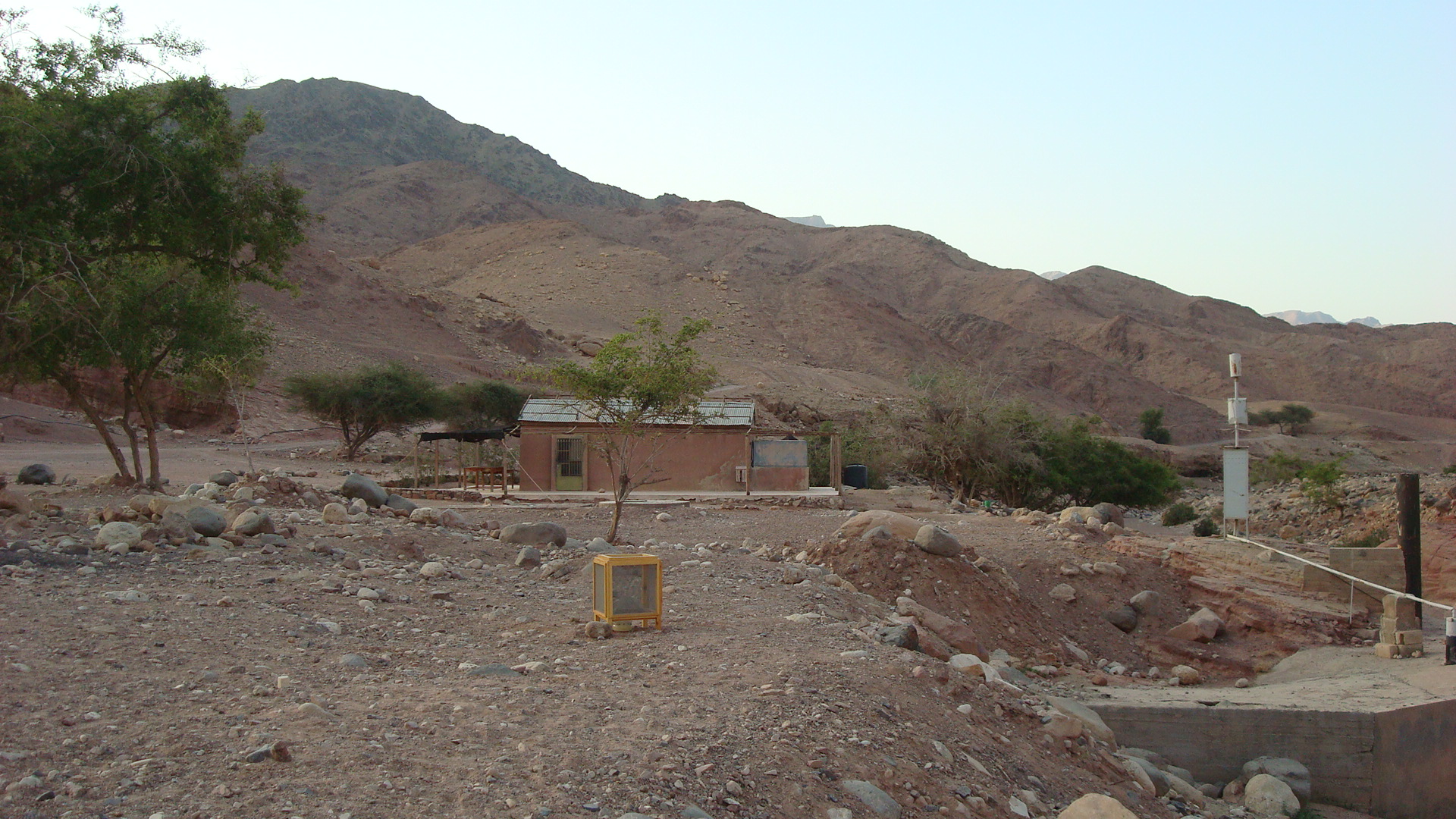
The Landscape

The lodge opened in 2005. There are 26 rooms (all with en-suite bathrooms (real toilets)–there’s no roughing it here) and it’s completely solar-powered (except for a small bathroom light in each room). Meals are vegetarian (to avoid refrigeration of meat) and are ordered in advance (due to the lodge’s remoteness). All of the staff are local Bedouin’s from the surrounding community (our guide lived a few tents down from the lodge, the bread is brought in by local women, there’s a leather and candle making shop on the property operated by local women who also supply all of the candles that illuminate the lodge each night). Best of all, the gift shop has fabulous teas, herbs, jams, jellies, jewelry and other handicrafts for sale–all made by locals (and yes I made a purchase supporting the local economy).

The Leather and Candle Making Workshop

We arrived in the afternoon on our first night and opted not to go on the sunset hike (someone was too tired and needed a nap after the strenuous drive). By the time we left our room for dinner, it was dark outside and we were greeted by the sight of twinkling candles–lanterns and luminaries in alcoves, niches and on the steps throughout the lodge (they say the best time to arrive at the lodge is after sunset when it’s lit exclusively by candles). Dinner was buffet-style, but not in the trough sort of way that I normally despise (there were so few guests so it was more like a small dinner party except we all got to eat at our own table and weren’t forced to make small talk). As I mentioned before, all of the meals are vegetarian, inspired by traditional Arab cuisine using local and natural ingredients.

Waiting for the Sun to Set
Sunset Hike

We finished dinner and didn’t really know what to do since it was still early (8:30 or so). What do people do without TV? Forced conversation? Gasp. Did I mention there’s no cell phone coverage. What do Bedouins do at night without computers, phones…? [My only word of warning–do not come here with anyone you mildly dislike because you will be forced to interact with them.] We got over our confusion long enough to guzzle down three more cups of tea while gazing at the night sky on the open rooftop terrace.
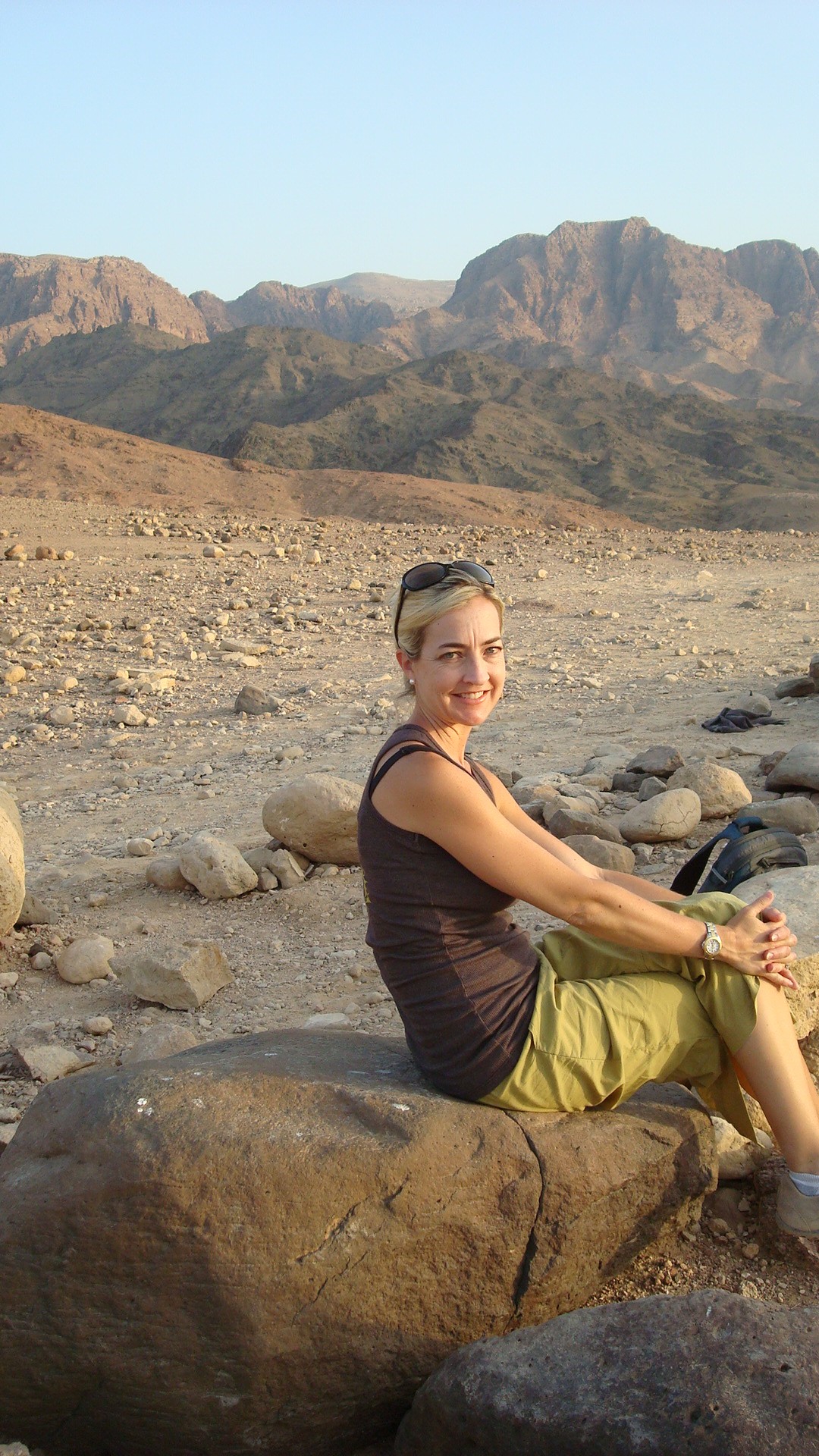
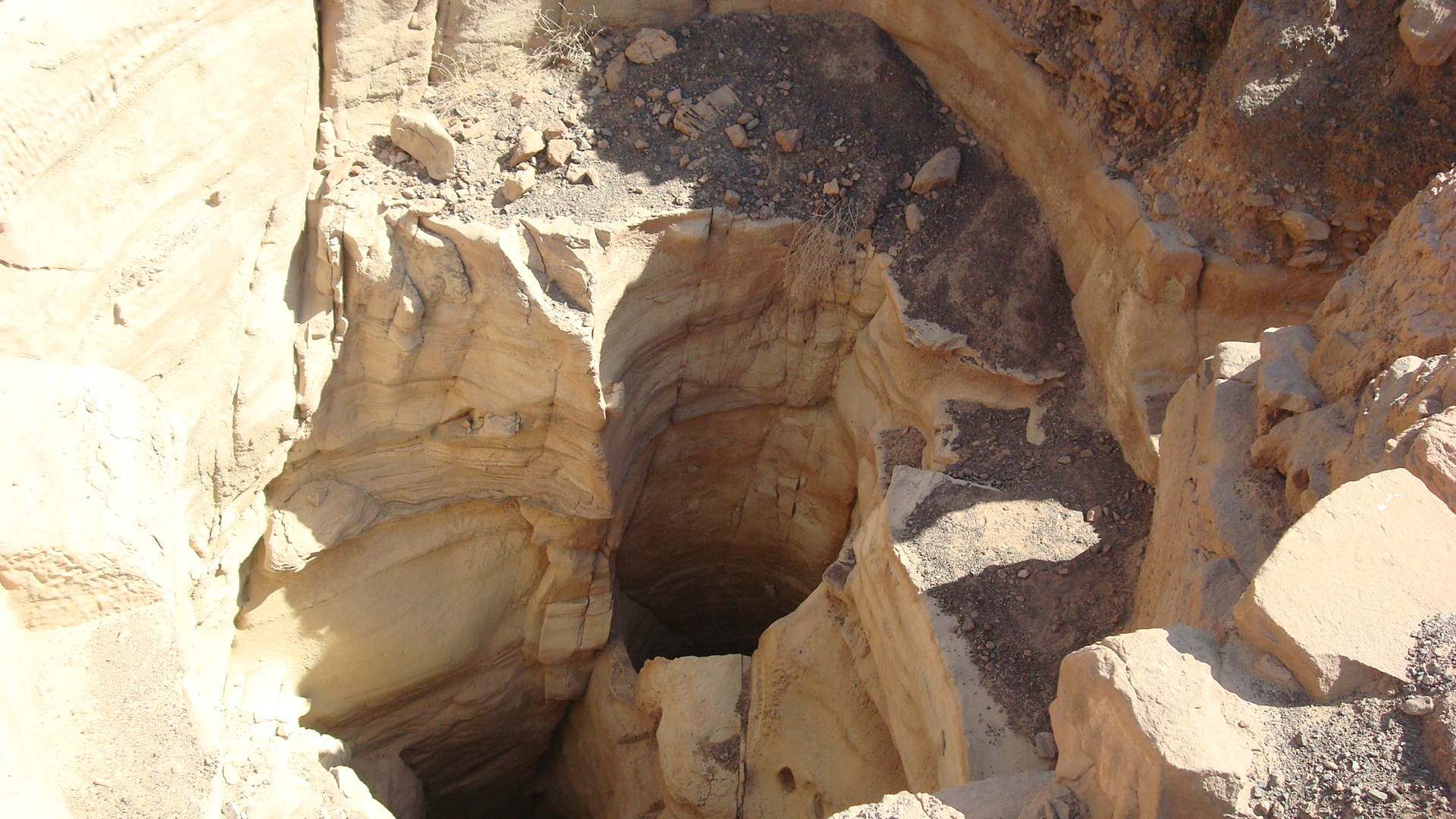
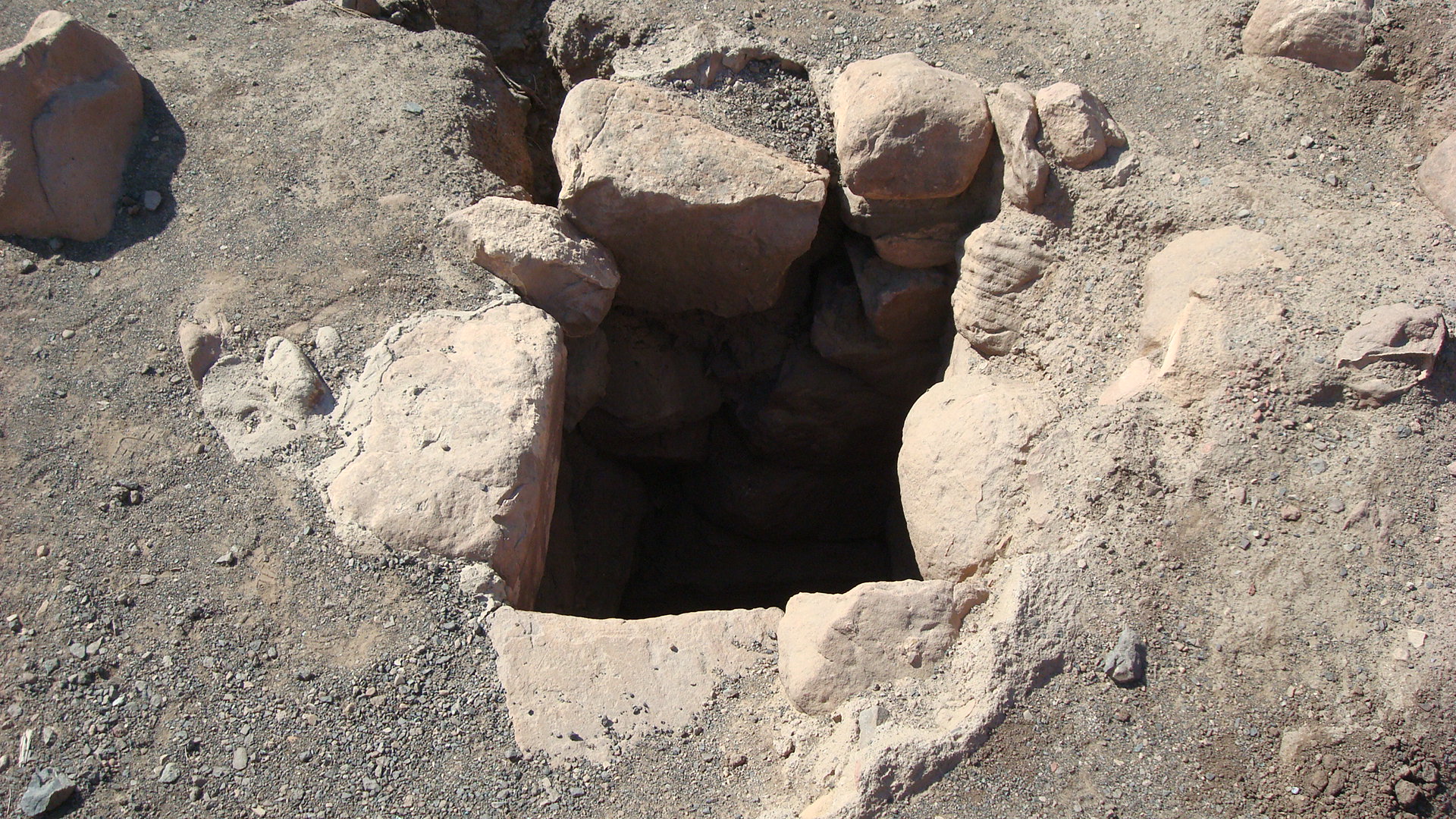
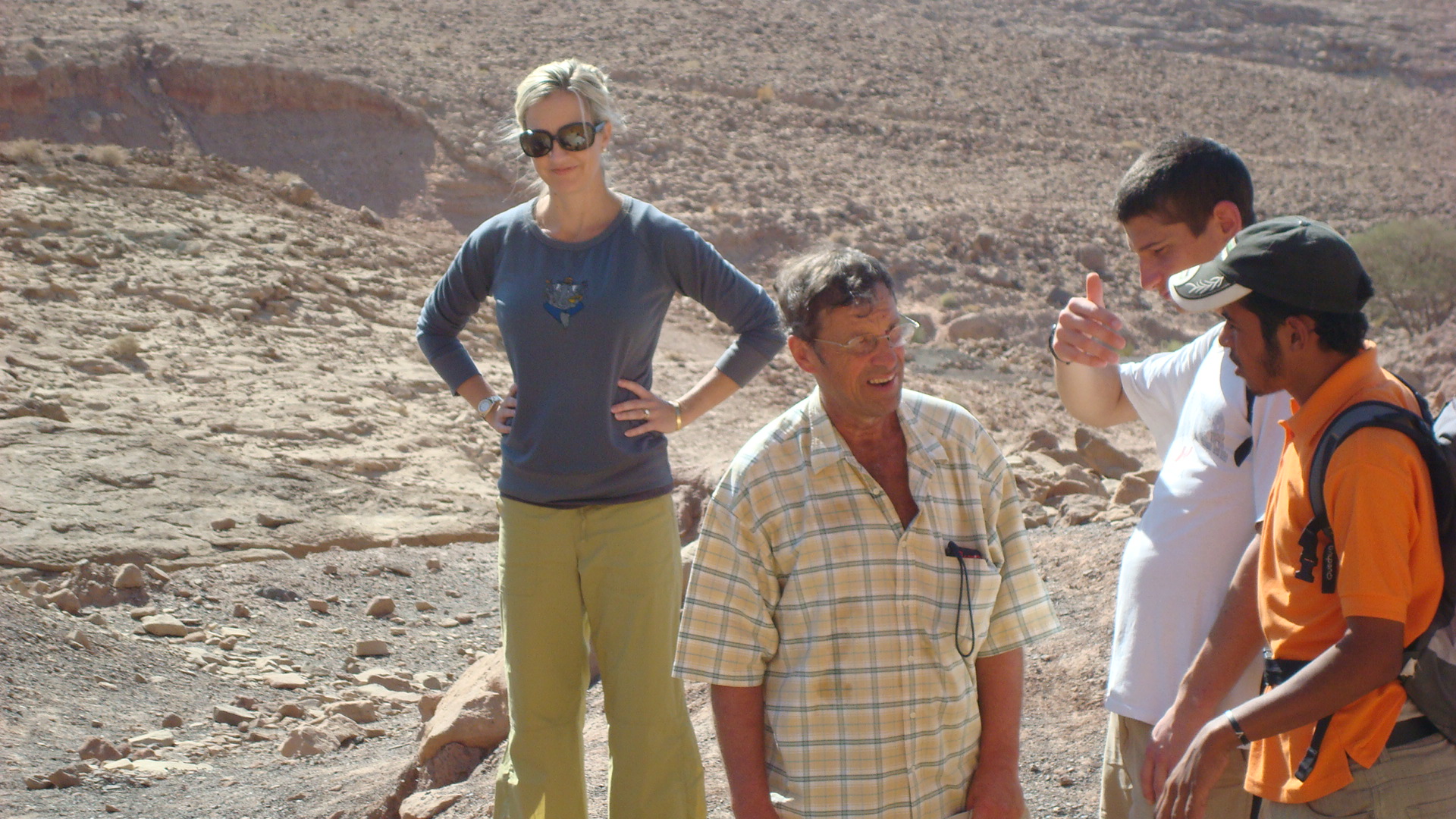
We awoke early to do a guided half-day hike to the Roman Copper mines. We were led by a local guide who took us to three copper mines (from the Copper and Iron Ages), the remains of a Roman Aqueduct, a crumbled Byzantine Church, and a Roman tower. In the midst of our hike (and in the company of an entertaining English couple and their grown son), our guide sat us down to make a pot of mint and sage tea. (The guide told us he drinks 30-40 glasses of this tea each day; Raj refers to this as ‘Bedouin whisky.’) This tea break gave all of us the opportunity to ask our guide pressing questions about his lifestyle. My questions focused on marriage and cooking. When do Bedouins get married? Do they get to choose their spouses? What do they eat and so forth. It was interesting conversation. Following this hike, and after resting for a couple of hours, we went on the sunset hike with the same guide and we watched the sun set while drinking still more tea (which was followed by even more tea after dinner).

Iron Age Mine Shaft
Copper Age Mine Shaft
Copper on the Ground

We had a great experience at the lodge and met some really interesting people. Feynan is extremely well run and the staff are exceptional. This place is more of a retreat than anything else. The only thing the lodge is missing is an evening storyteller. This would have been a great venue to hear one of Herodotus’ stories.

This slideshow requires JavaScript.

Wine Tasting in Jordan? OMG!


Who knew that Jordan produced wine? Not me. What’s even more exciting is that this particular winery is completely organic (and certified organic)! No big deal for people who have access to Whole Foods, but for me here, this is huge!

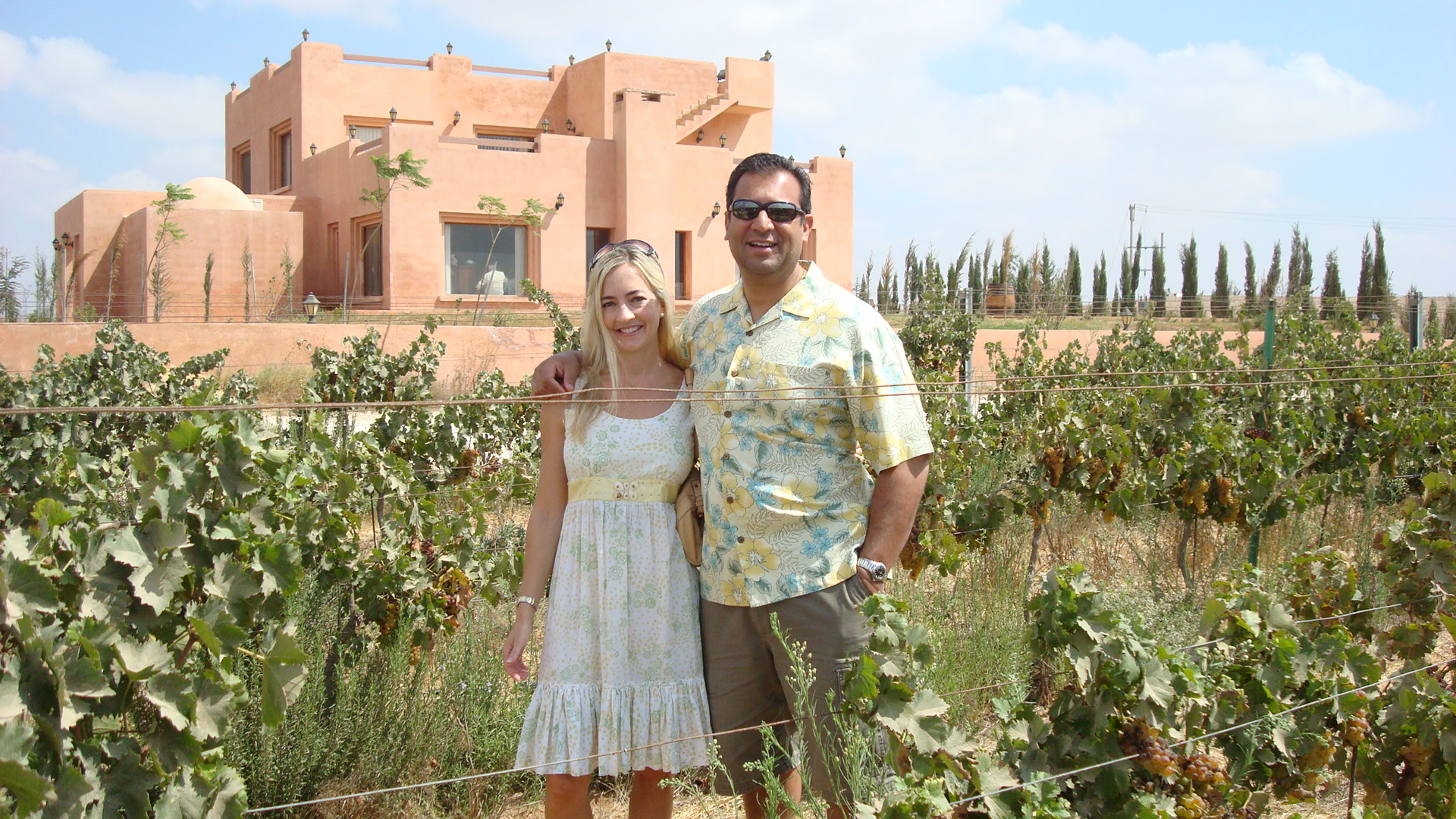
We went wine tasting today at St. George’s Winery, near the Syrian border (literally steps away), about an hour outside of Amman. I wasn’t sure what to expect but was surprised by a gem in the midst of nowhere.

Vineyards off in the distance

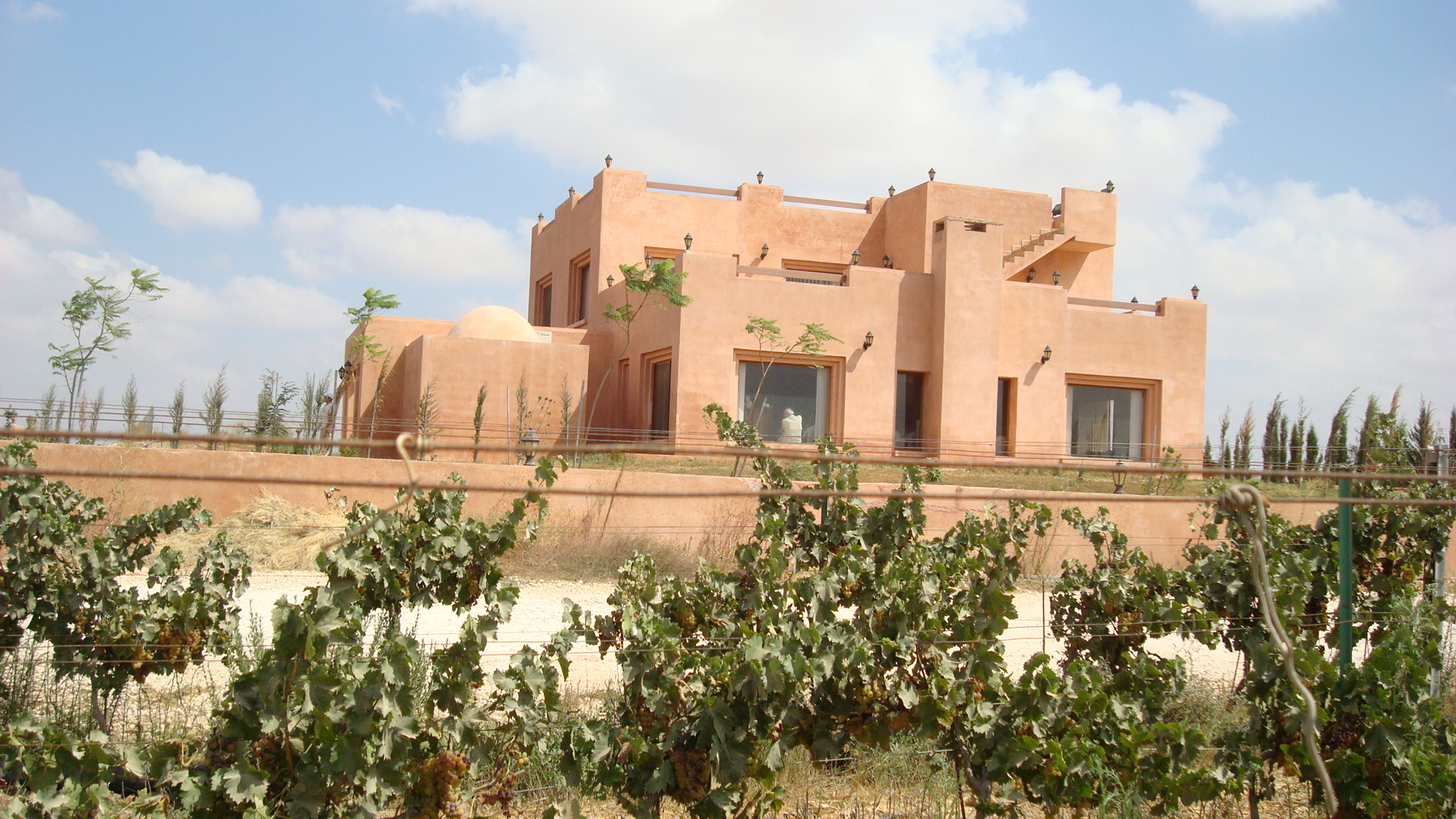
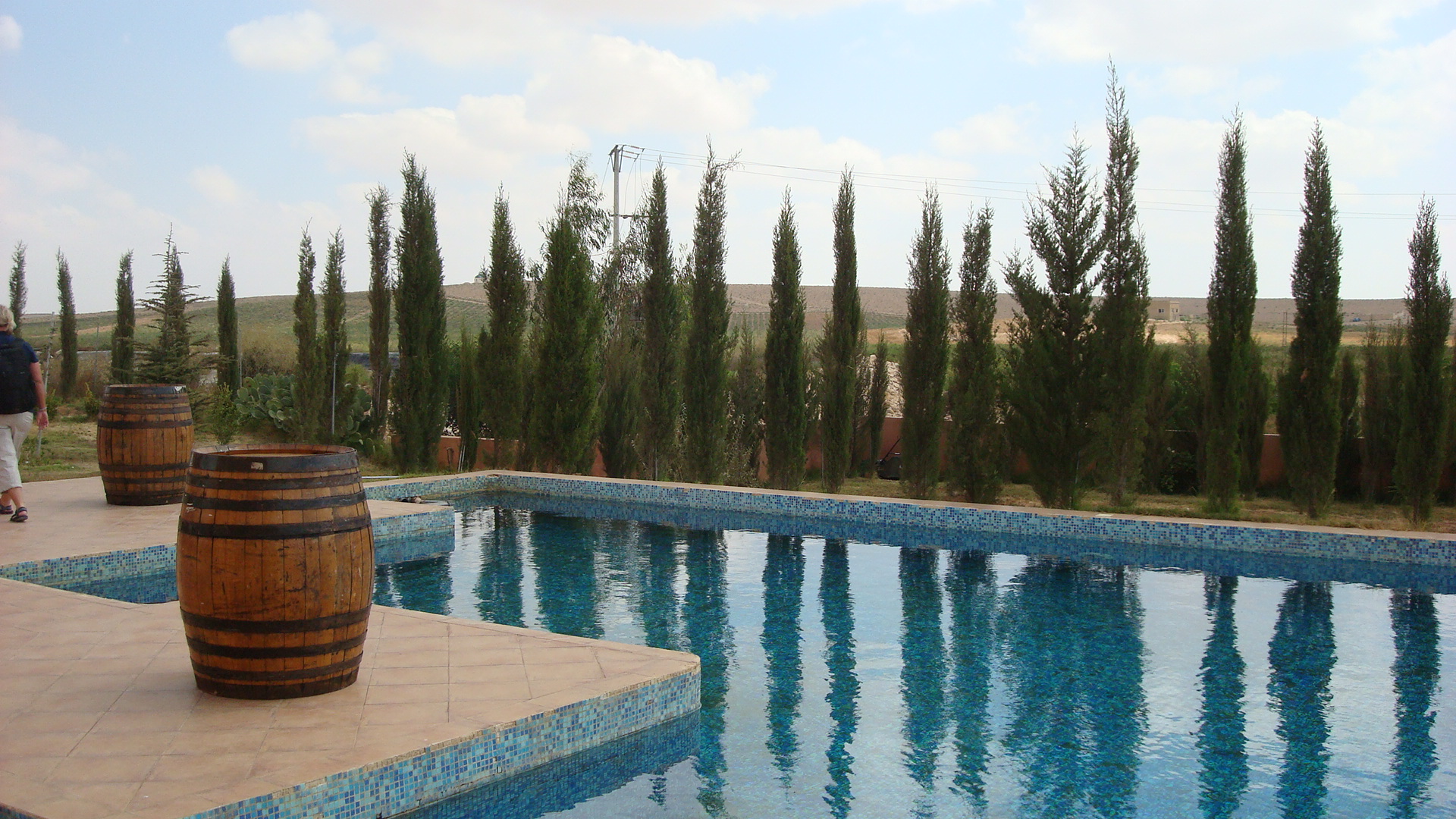
 We pulled up in front of the estate on the property, a fairly large home (tasting room?) and were welcomed in by friendly staff. The interior of the home was set up for the wine tasting followed by lunch. In the backyard was a beautiful and inviting swimming pool, which we were invited to use after lunch.
The estate on the property
The swimming pool

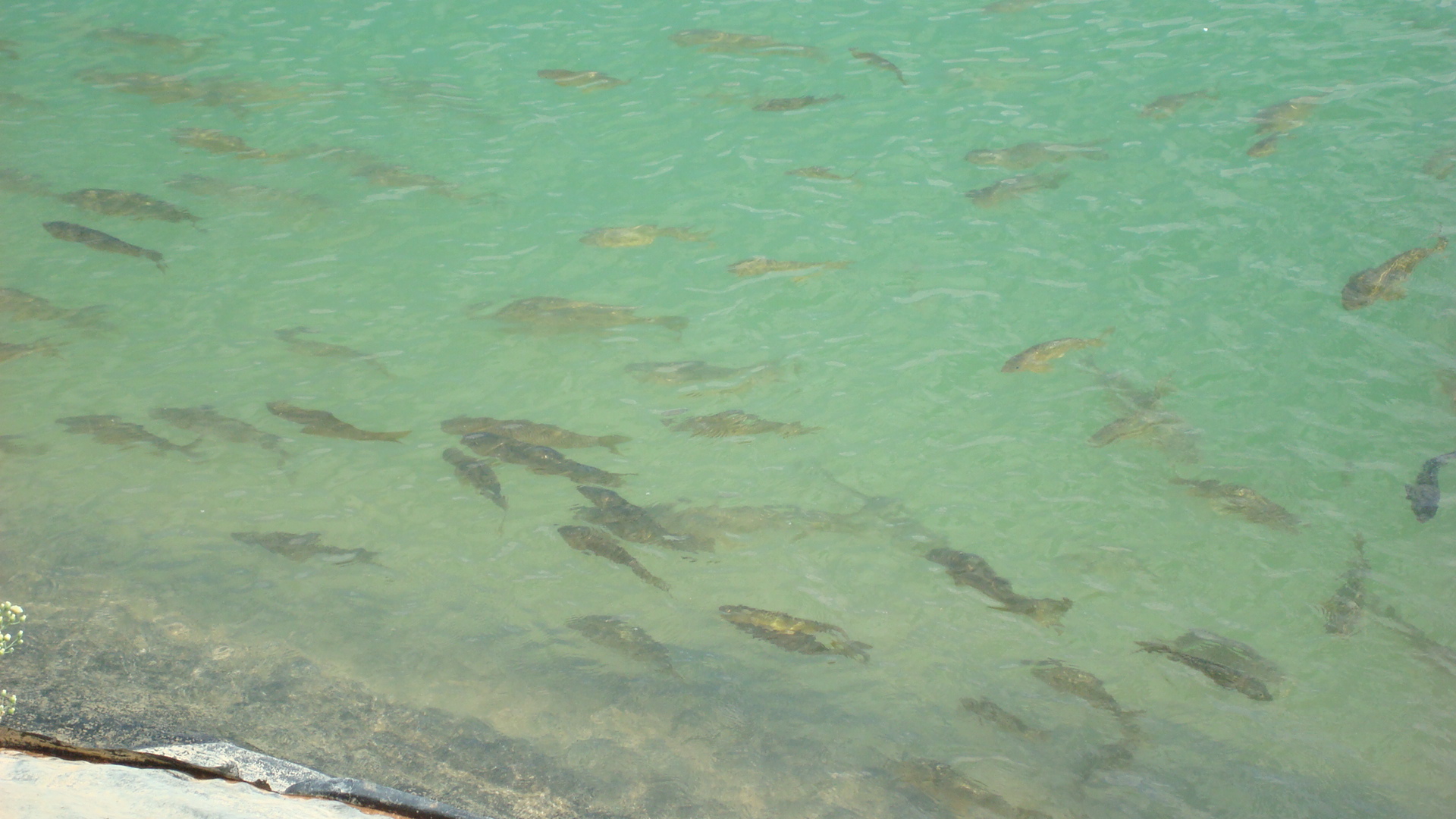
The tour of the grounds began next to the pool in front of a large pond (or  water containment area) used for irrigating the vines. The tour guide explained  that the pond (fed from wells below ground) contains over 55,000 fish (some koi, some carp). The fish produce nitrate in the water, which they use to irrigate the fields. The fish, along with many other biodiversity techniques are used throughout the operation: to keep the birds out of the grapes, they brought in falcons and owls; chickens are used to aerate  the ground and to dig up worms; doves are also used to eat worms that attack the grapes; (they brought something else in to keep the foxes from eating the chickens, but I can’t remember what he said).

Fish in the pond producing nitrate for irrigating the fields
A feeding frenzy

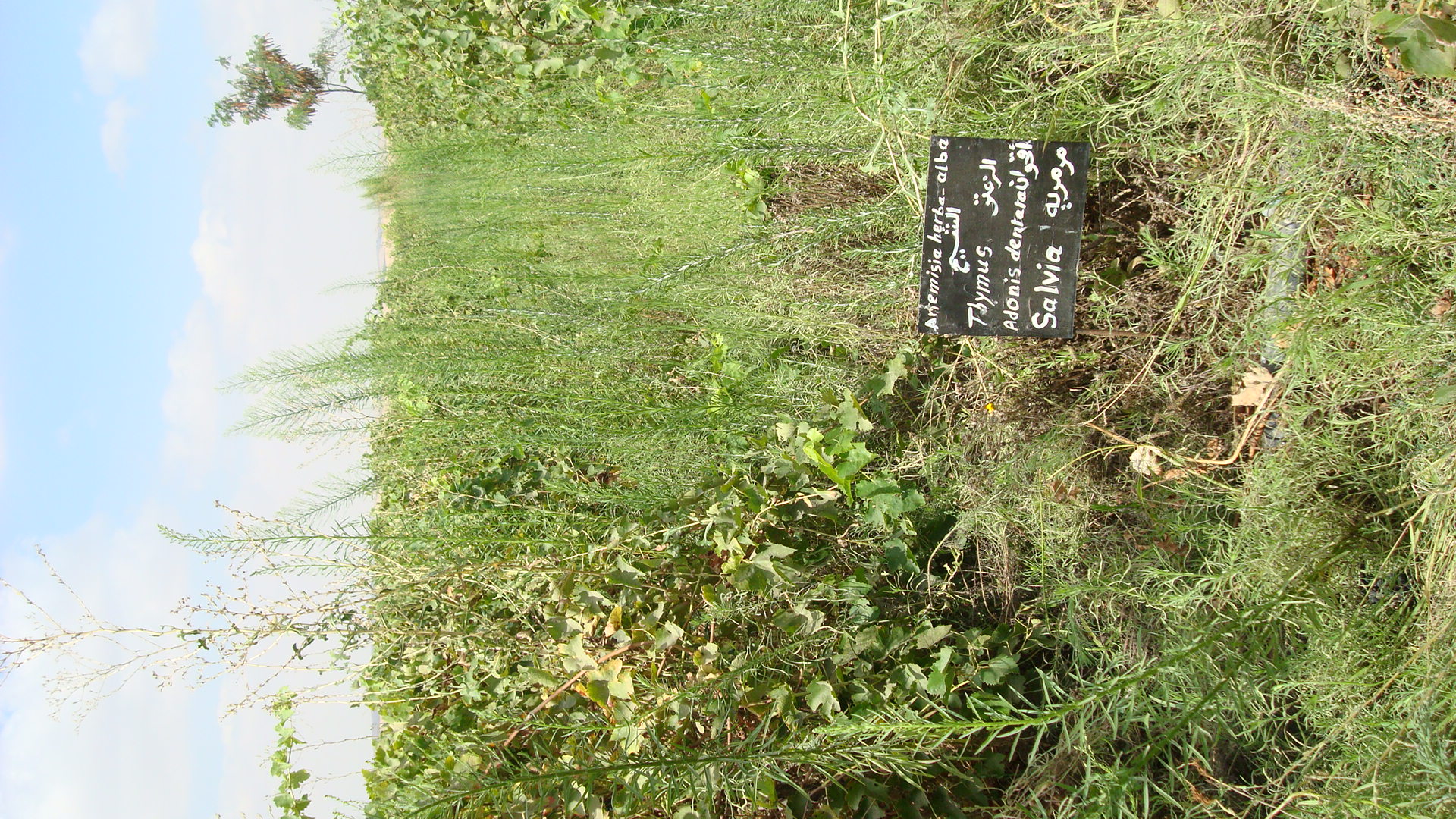
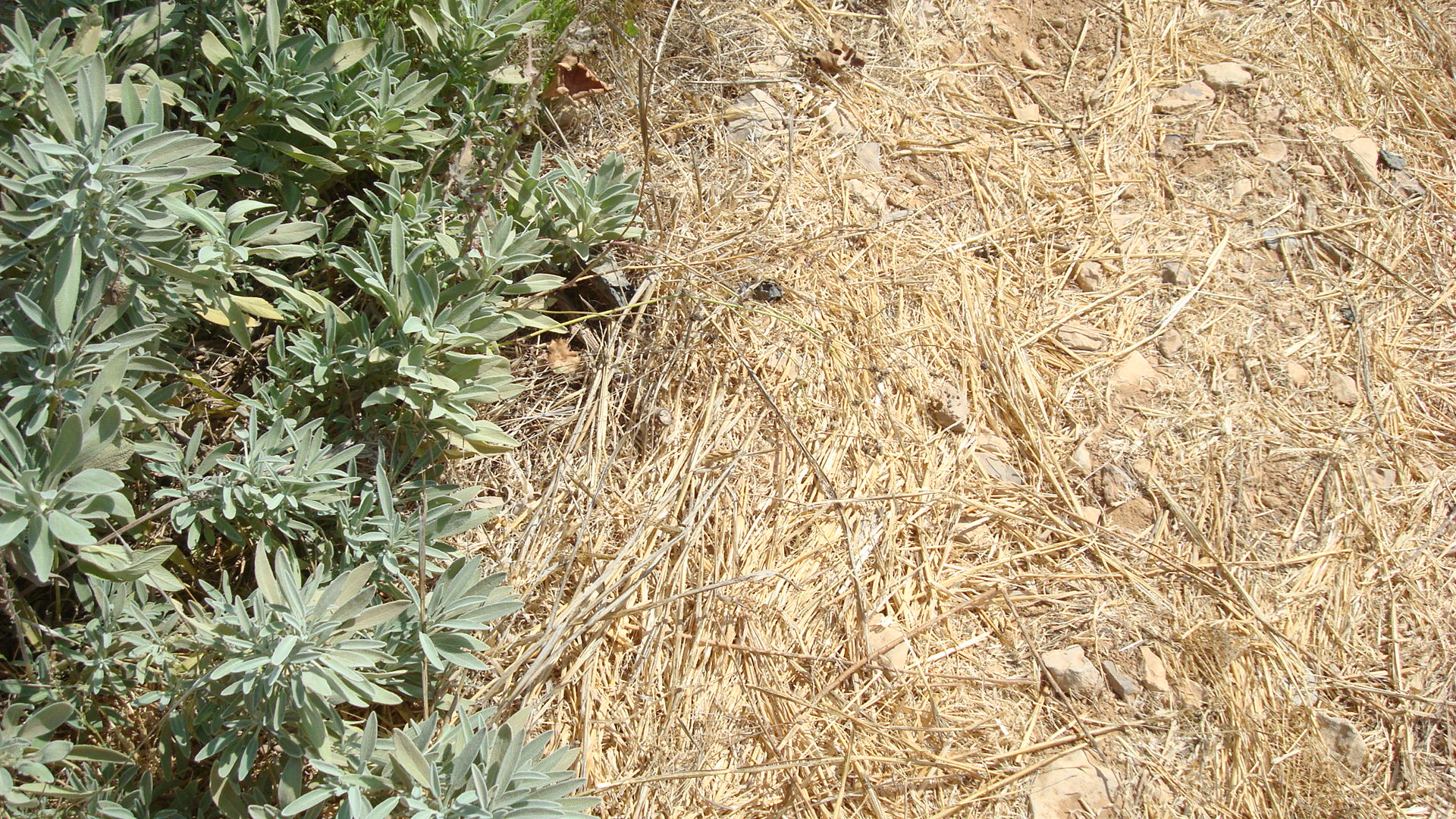
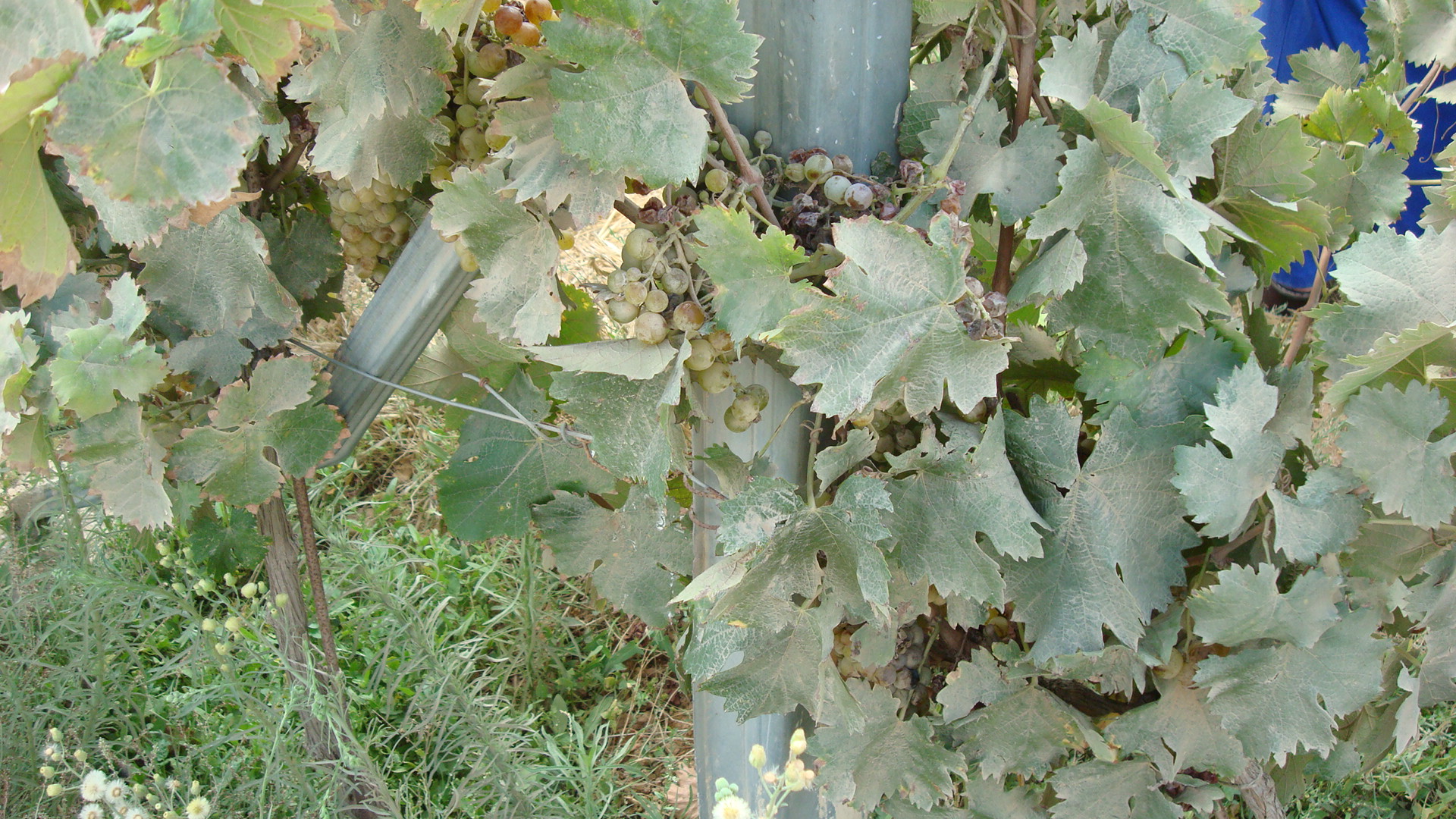
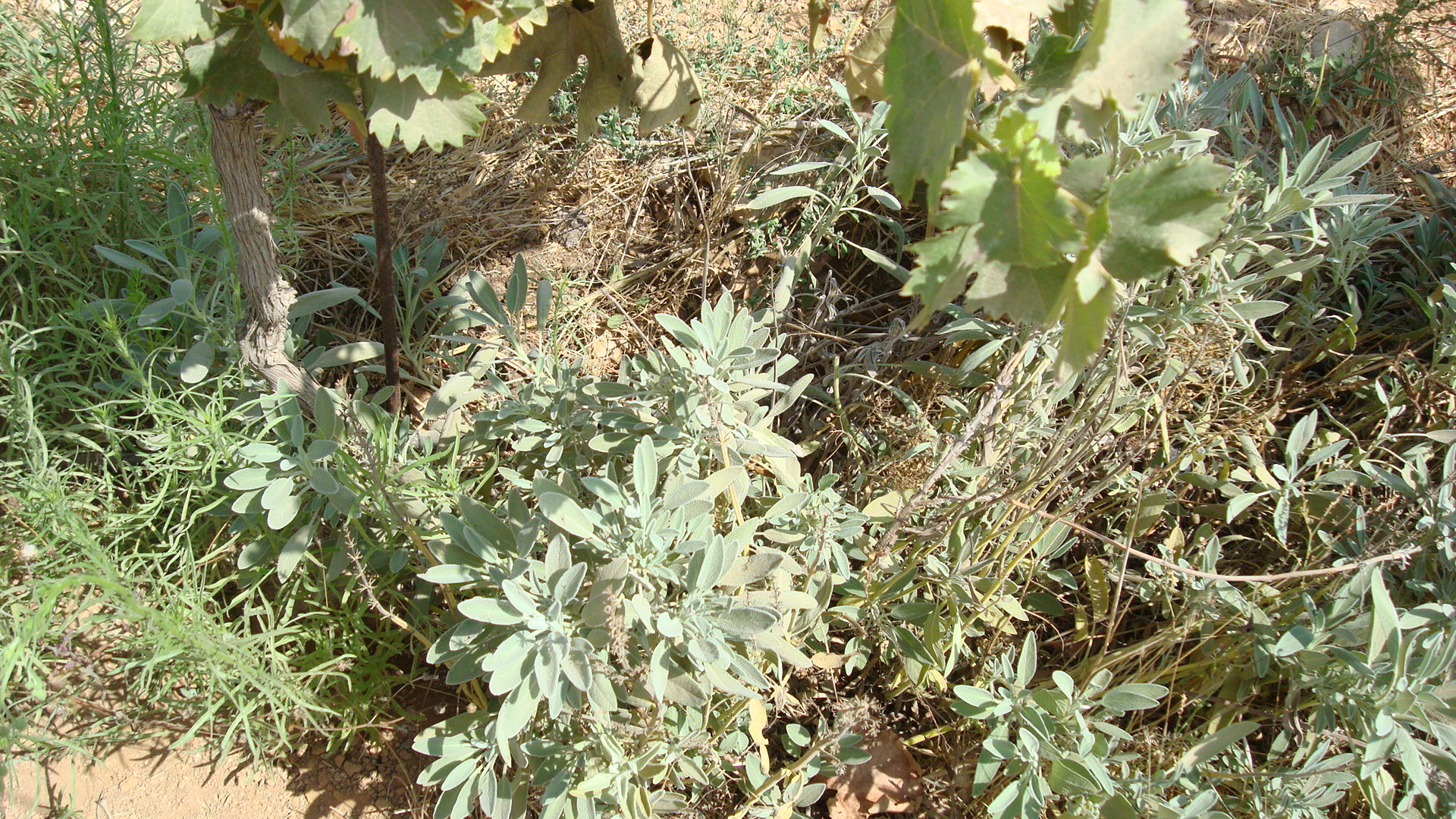
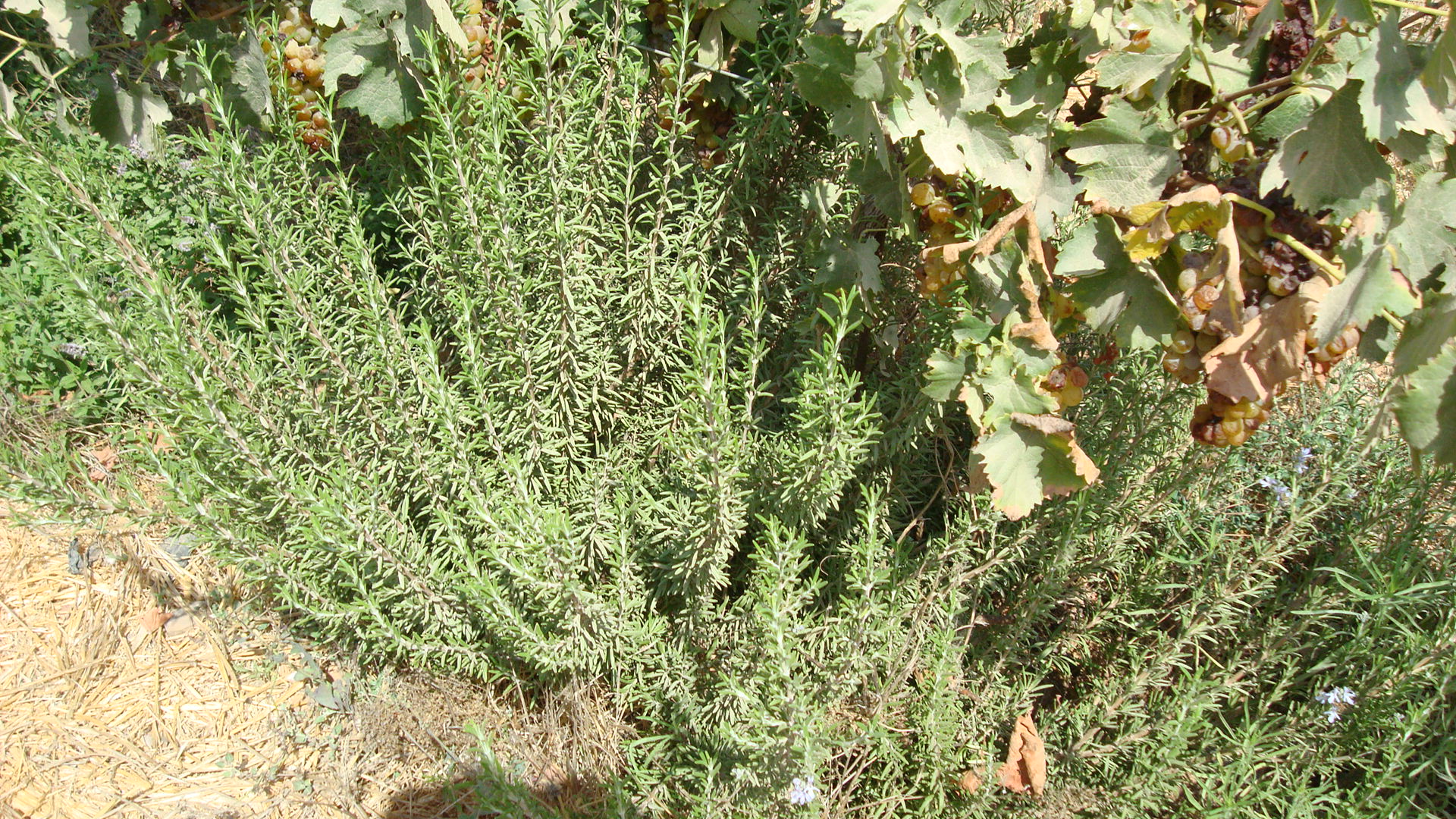
After our brief introduction to the winery, we walked us through rows and rows of vines, sampling Muscat, Pinot noir, Shiraz, Chardonnay, and lots of other grapes right off the vine. Planted alongside the vines are rosemary, sage, and mint– all natural insect repellents and on the ground of each row is barley to extract salt from the soil.

Sage

Rosemary

Barley

After the tour, we returned back to the main house and were treated to nine wines: 4 whites, one rose, and 4 reds and a fantastic lunch (As a side note,  I was shocked to see the rose had 16% alcohol! ) Unfortunately, there was no gift shop–something they need to get working on.

Here’s a link to a CNN piece on St. George’s Winery.

Petra by Day, Part II


The Treasury

Very Brief History of Petra

There’s too much history related to Petra to even begin to do it justice so I’ll paraphrase thousands of years of history into one short snippet. Petra is located in the southern part of Jordan, in the midst of the Shara mountains. Due to the impenetrable towering barriers of rock, it’s not surprising that it wasn’t discovered sooner. (In 1812, a Swiss explorer entered the Siq in heavy disguise in the company of a local guide).

The Nabateans are the people who settled Petra, originally known for raiding caravans that passed through on the valley floors but eventually changing tactics by offering safe passage and a place to do business for merchants. Petra’s golden age was in the first century BC and AD. The Roman author Strabo describes Petra as a “wealthy, cosmopolitan city, full of fine buildings and villas, gardens and watercourses, with Romans and other foreigners thronging the streets, and a democratic king.” Despite Petra’s wealth and power, the discovery of the monsoon winds began to cause a shift in trade patterns. Overland routes from Arabia were being abandoned in favor of transport by sea, leaving Petra hard hit. Additionally, Rome was sponsoring the diversion of inland trade away from Petra and directing it into Egypt and Syria. Eventually, Petra fell into Roman hands and became a principle center of the new Provincia Arabia. Christianity was adopted as the official religion of the empire in 324, but for many decades the Nabateans mingled elements of the new faith with remnants of their own pagan heritage. There was a massive earthquake in Petra in 363, leveling half of it. By the time of the Islamic invasion during the seventh century, Petra was more or less deserted. In 747, another earthquake hit, possibly forcing the remaining stragglers to leave.

The Bdul tribe has been occupying Petra’s caves for as long as anyone can remember. In the early 1980s, the Bdul tribe was offered (more like forced) to move out to a settlement offering the prospect of electricity, running water, health care, and better education. The Bdul eventually departed, but their caves are still visible throughout the landscape.

Petra by Day

Petra by Night left me excited to venture into the park by day. It was even better by day and the natural beauty of the landscape and grandeur of the structures leaves you in awe of the ingenuity of mankind. One day is certainly not enough time for exploring in any thorough fashion. We plan on returning, hopefully soon, to go beyond the four hours that we alloted ourselves before turning back. Rather than walking you through the pictures, I’ll post them below in a gallery. The pictures do more justice of the site than my words can convey.

And breaking from the usual historical commentary, I’ve decided to include some personal highlights, the kind that aren’t fit for printing anywhere other than my blog. You may need these quips if you’re ever in this part of the world.

Personal Highlights Not Fit for a Guidebook:

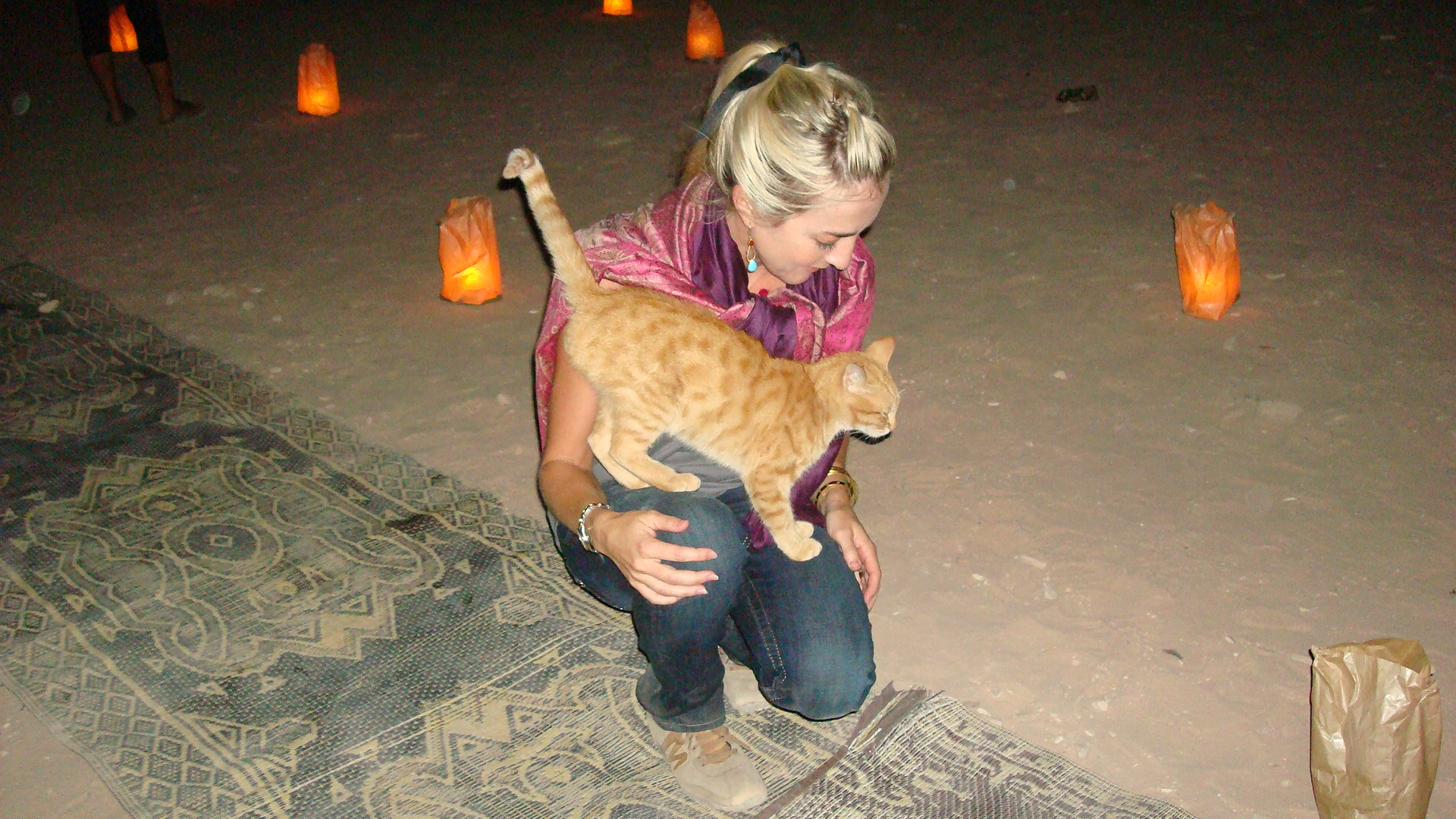
  • There are cats and kitties EVERYWHERE and they are extremely friendly. If you are a cat lover, you are in HEAVEN. If you mildly like cats (as I do), then you’ll be happy too because they want affection.
  • Lots of dogs live in Petra too. They live a sadder life than the cats. They are super skinny, still friendly, but you’ll feel sad for them because you can see ALL of their ribs (and one was limping too).
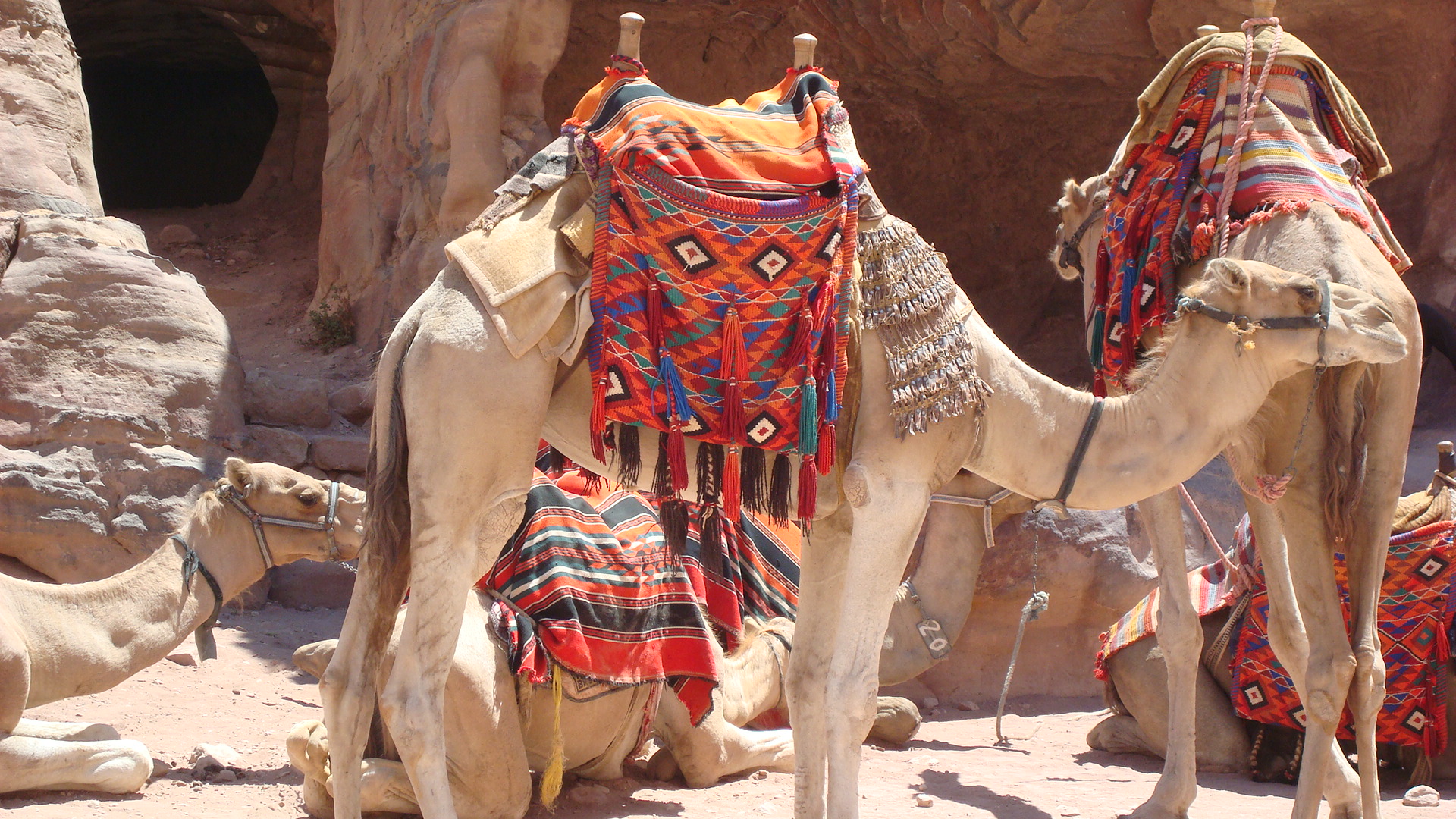
  • Donkeys, camels and horses rule to roads here. What I liked reading in the guidebook was that if you see any cruelty going on with the animals, you can report it to a ranger. I didn’t see any rangers and  they’d probably laugh at me or pretend to make a report, but making a note of this, I vigilantly watched for ANY animal cruelty, ready to report.
  • I asked Raj if there were bathrooms in the park. He said no (he’s only been there once without me) and so I went before we entered. Something I really dislike here are the unofficial bathroom attendants. Yeah, I know, it’s very sad that women have to make a living this way, but I hate having to tip a woman for sitting in the corner of the bathroom who supposedly keeps the place clean. After an hour of walking, I was desperate–despite using the facilities before we walked in. Replaying what Raj had said about there not being any bathrooms inside, I got VERY excited when I saw a port-a-potty. I went in and was disgusted by the liquid you know what on the seat…AND there was an ATTENDANT outside who I gave money to. I’m not sure why because I can tell you she wasn’t keeping anything clean. Just so you know, I found two more bathrooms further down the path–of the REAL kind (not port-a-potties), that were decent, with running water (ok, not a flushing toilet). These too had attendants.
  • Children here are charlatans. And they are EVERYWHERE selling EVERYTHING imaginable. Alright, this falls into the sad category too and had my sister been here, she would have left the park with cats, kittens, curs and hundreds of ugly necklaces and postcards from the throngs of children shilling their wares (she might have taken the children too). My favorite tactic was from a tenacious tween named Aiysha. She approached us while we were viewing the theater. She came up to us speaking perfect English, asked where we were from and if we wanted to buy any of her “beautiful necklaces.” We both quickly said, “No, thanks.” She told Raj, “Buy one for your beautiful wife.” Raj said, “No, thanks,” again. Didn’t work. She sidled up to me and handed Raj a necklace, “For your wife.” Raj said, “No,” again firmly and she said, “For free because I like your wife.” The handing of the necklace went back and forth about six times until we were forced to walk away. Alright, I know, I felt really sad. She mentioned that she “wanted to start her own business…” Didn’t work on Raj. As we were walking away, she asked Raj, “On the way back, for only 1 JD?” Raj said, “On the way back.” “You promise,” she shouted back. “Yes!” I was dreading the way back  and rightly so. On the return, she immediately spotted us, running up to Raj. Before she had a chance to plea he said, “$1 JD for the necklace.” “No, $2 JD,” she responded, changing the agreed upon price. Oh, no. Raj did not like this sweet siq urchin switching her prices! To get her back for “lying” about the price for the necklace I didn’t even want, he said, “No! Give me 2 necklaces for $1 JD.” (“On principle, he told me.) Good God, I thought. He’s trying to rip her off now and she wants to start her own business! We didn’t buy any necklaces from her. Raj’s feeling were hurt because she lied to him. She was hurt because she didn’t sell anything. I was happy that I didn’t have the necklace that would have reminded me how sad the situation was.
  • People watching is at a premium here. I liked seeing all of the people dressed up in dresses, some in heels, lots of purses, for the trail walking. I’m not sure where they thought they were headed, but sand, dirt, and hiking do not go well with leather handbags and heels.
  • The locals have American colloquialism down. I can’t tell you how many of the vendors told us it was “Happy hour,” trying to sell us drinks (water, that is). The camel and donkey peddlers offered, “Air conditioned rides,” and “Lamborghini’s.” One camel guy made an offer of, “You want a @#$%ing camel ride?” I’m not sure if this was meant to be funny, mean, or if he didn’t know what he was saying. Lastly, on the way out of the park,  I overheard a guide trying to hustle  a woman into hiring a horses. She obviously didn’t like the prices quoted and said, “No thanks,” to which the guide said, “No money, no honey.” A few seconds later he added, “No chicken, no curry.” I’m not sure about the second one…but I love the locals’ command of the English language.

This slideshow requires JavaScript.

Petra By Night, Part I


I FINALLY convinced Raj to take me to Petra. He’s been telling me for the past three months that it’s too hot and we’d go…later…With nothing to do and nowhere to go NOW, we finally made it happen this weekend.

Petra by Night

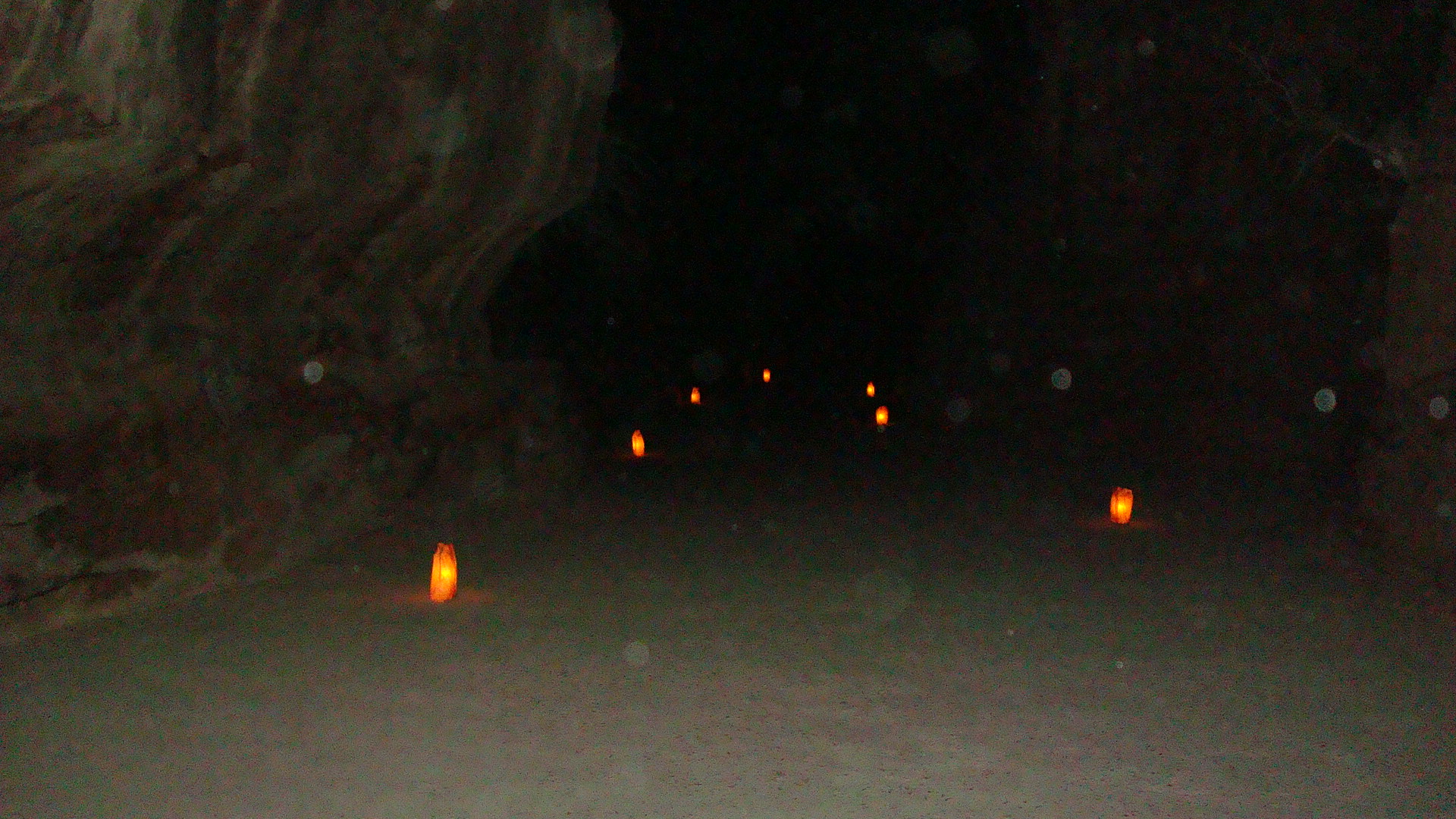
The Candle-lit Path

I was insistent that we go during the week because I really wanted to see “Petra by Night,” an after-dark guided excursion through the canyon (only offered three times a week, Monday, Wednesday & Thursday), lit only by candles (luminaries). Keep in mind, this is no “Lights of Liberty” tour where you have to wear headphones while emotive music is played to enhance your experience as you’re walking through historic sites, nor is it a pre-recorded, laser light extravaganza like the kind you see at the Mayan Pyramids in Mexico where a booming voice recounts the glories of the past while lasers and sound effects pollute the night sky. I found Petra by Night to be an amazing experience precisely for its lack of pomp and commercialism.

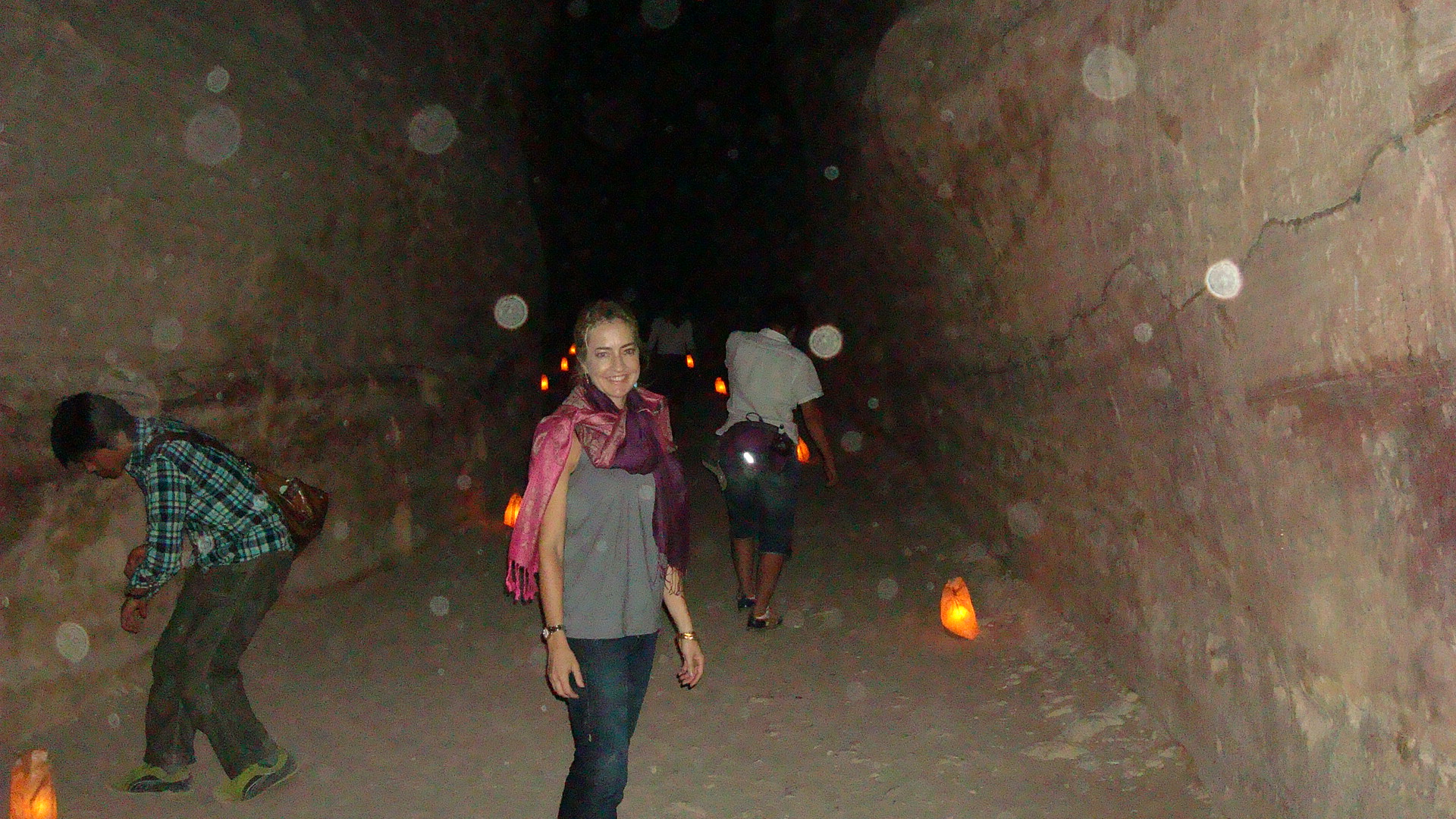
The gates open at 8:30 and you’re welcomed into the main gate. The walk takes about twenty minutes, mostly in silence if you’re lucky enough to be in the right company, which enhances the experience. It takes a little while for your eyes to adjust, but once they do, the night sky and the shadows flickering off the canyon walls are magical. When you finally reach the Treasury plaza (best known as the temple from Indiana Jones and the Last Crusade), the facade of the Treasury is illuminated from hundreds of candles in the sand. A guide seats you, either onto carpet on the sand in front of the plaza, or on a bench along the canyon wall, and then everyone is served Bedouin tea. Once everyone is seated, a Bedouin musician sings a folk song, followed by a another one on a pipe, and then a little bit of history is recounted by a guide. The whole “show” lasts approximately 45 minutes, just the right amount of time without making it too long or too short. Guests are invited to linger a little longer, and then walk back out along the candle lit path, back to the entrance.

Through the Canyons

Inside the Treasury Plaza
Sweet kitty who wanted lots of love
En route back

Jebel al-Qal’a, Citadel Hill in Amman


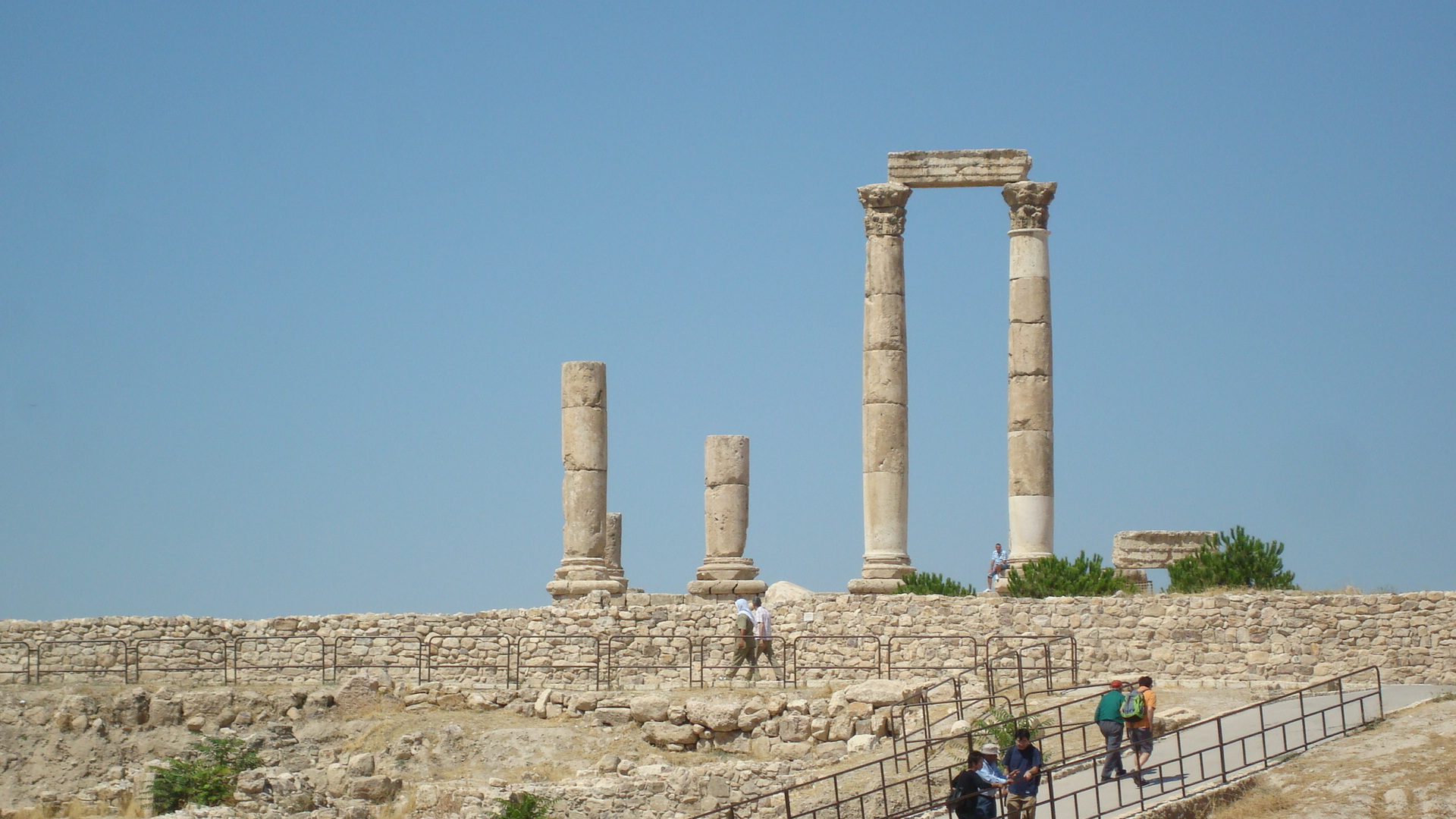
Temple of Hercules, Citadel Hill

We finally made it to Citadel Hill! This was our second attempt (after getting horribly lost the last time) in one month. It was no easy feat either; we had to go through City Center, the flea market area, which was more happening than normal. I saw fake Louis Vuitton’s on the street too, if anyone’s interested.

Citadel Hill, or Jebel al-Qal’a has been a happening place since the Paleolithic Age (that’s 18,000 years in case you don’t know your ages–I had to look it up). When the Romans moved in, they cleared away previous civilizations by chucking stuff over the hills, leaving heaps of archaeological booty. The two main features of the Citadel include the Temple of Hercules and the Umayyad Palace.

Temple of Hercules

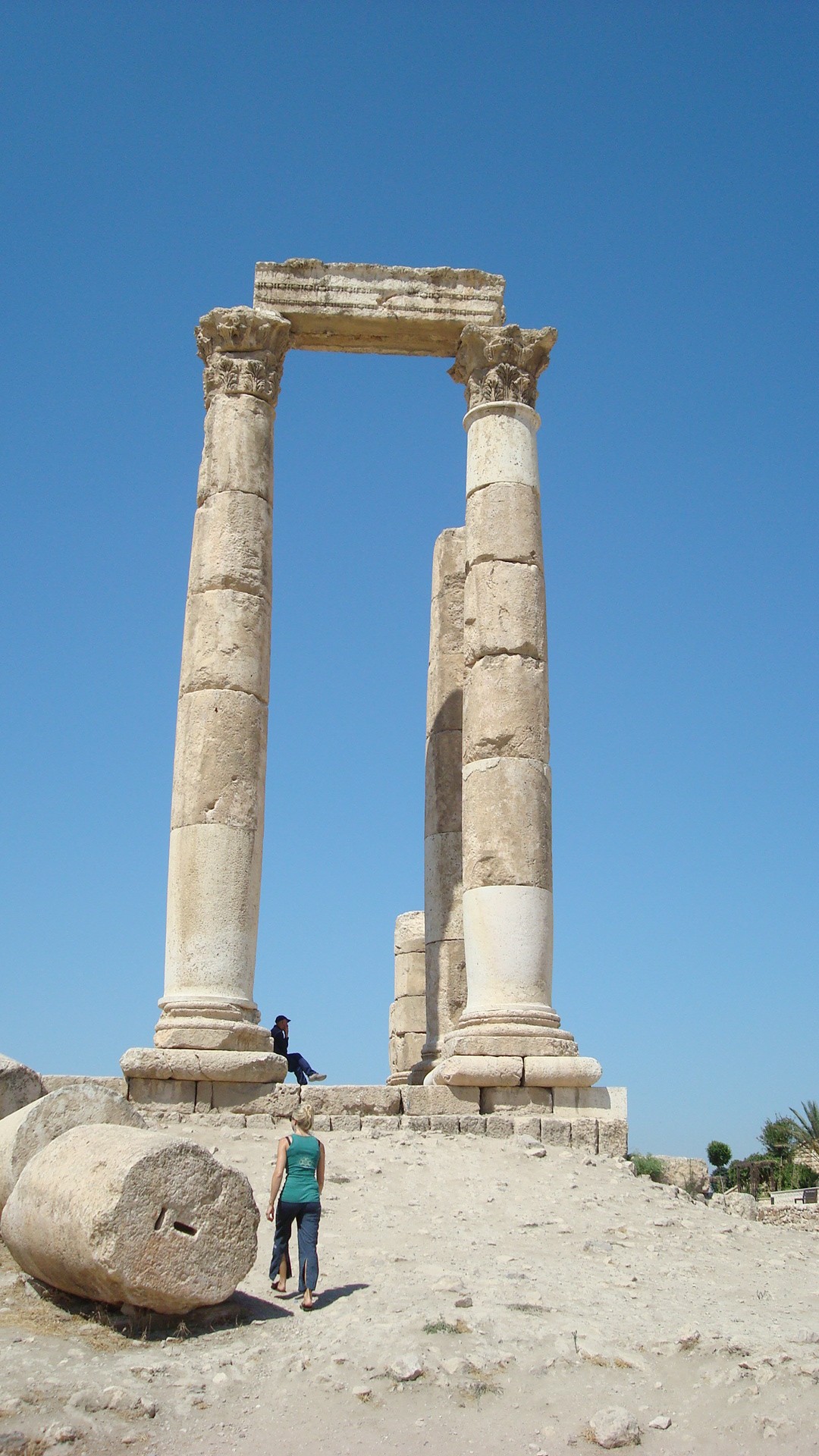
The Temple of Hercules was built around the same time as the Roman Theater (across the hill). Remember when that was? Didn’t you read my post? [It was built between 169 and 177 AD]. The columns were re-erected in 1993 and lead to the inner sanctum (a.k.a. the cella). Within the inner sanctum, there’s a patch of bare, exposed rock believed to be ‘sacred rock’ that formed the centerpiece of the 9th century BC Ammonite Temple of Milcom. The dedication to Hercules isn’t really known, but due to the large amount of coins with images of Hercules, they believe it’s all in his honor.

Temple of Hercules
Roman Theater across the way
You can see how massive the columns are in relation to me.

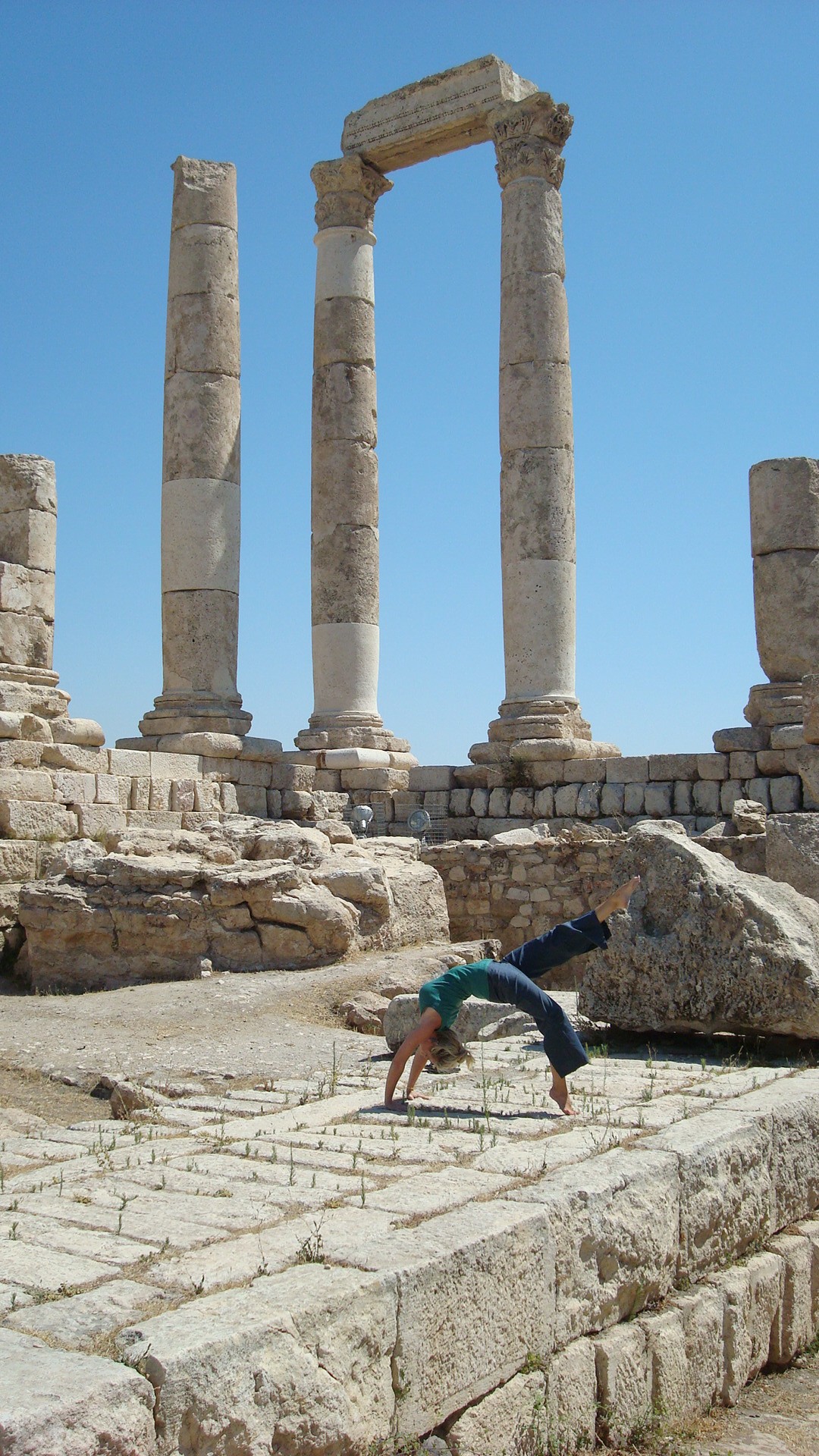
Yoga Graffiti!

No trip to ruins would be complete without a few yoga graffiti poses to which I have to thank Raj, the photographer. Don’t think I’m the only obnoxious  yogi who does this either! As it turns out, there was a guy traveling alone who asked us if we could take a few pictures of him meditating, which we gladly did. He’s a yoga instructor from Mexico.

Scorpion on the "sacred rock" of the Ammonite Temple

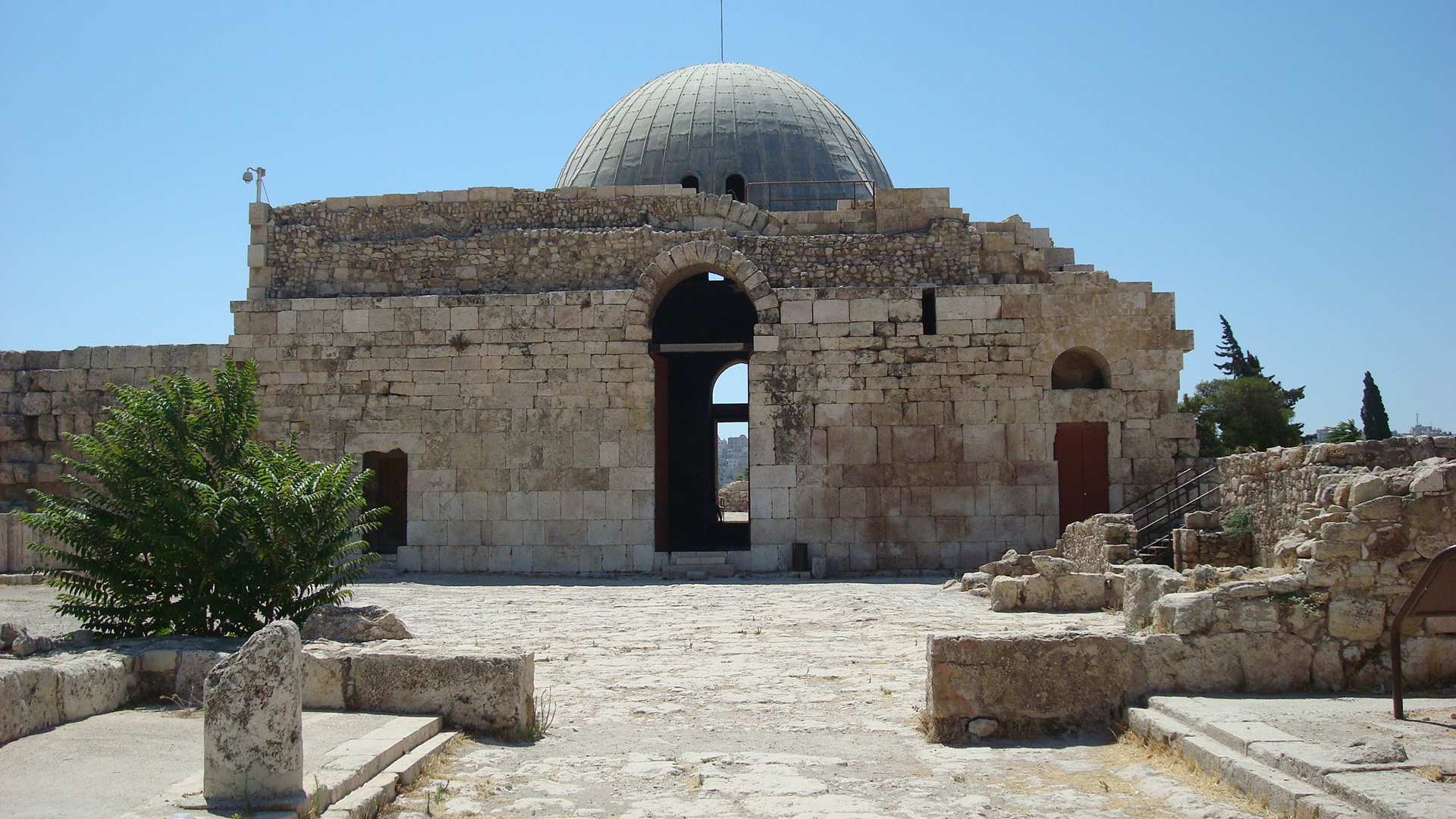
The Umayyad Palace

Beyond the Temple of Hercules are the ruins of a small Byzantine church, in front of which stands the Umayyad Palace. The palace was built over the remains of a pre-existing Byzantine building, which is why it’s in the shape of a cross. There’s a dome on top of the palace, which is rife with controversy as to whether or not it’s historically accurate or if there ever was a dome on top. The interior of the palace is massive, much more so than you would expect from the exterior. As you exit the palace on the other side, opposite the entrance, you walk through a colonnaded street that leads to what are believed to have been administrative offices.

Small ruins of Byzantine church
The Umayyad Palace
Interior of Umayyad Palace
Opposite entrance of Umayyad Palace

There’s a museum up here as well that houses a collection of interesting artifacts found on the the site of Citadel Hill.  I found  these ‘pod’ shaped coffins to be the highlight of the collection. I’ve never seen anything like them. They’re constructed of pottery and remind me of the pods from the movie Cocoon. Remember that movie? It was horrible, but I think they stole the idea from these pods.

Cocoons
Jen Maan in Amman

This slideshow requires JavaScript.

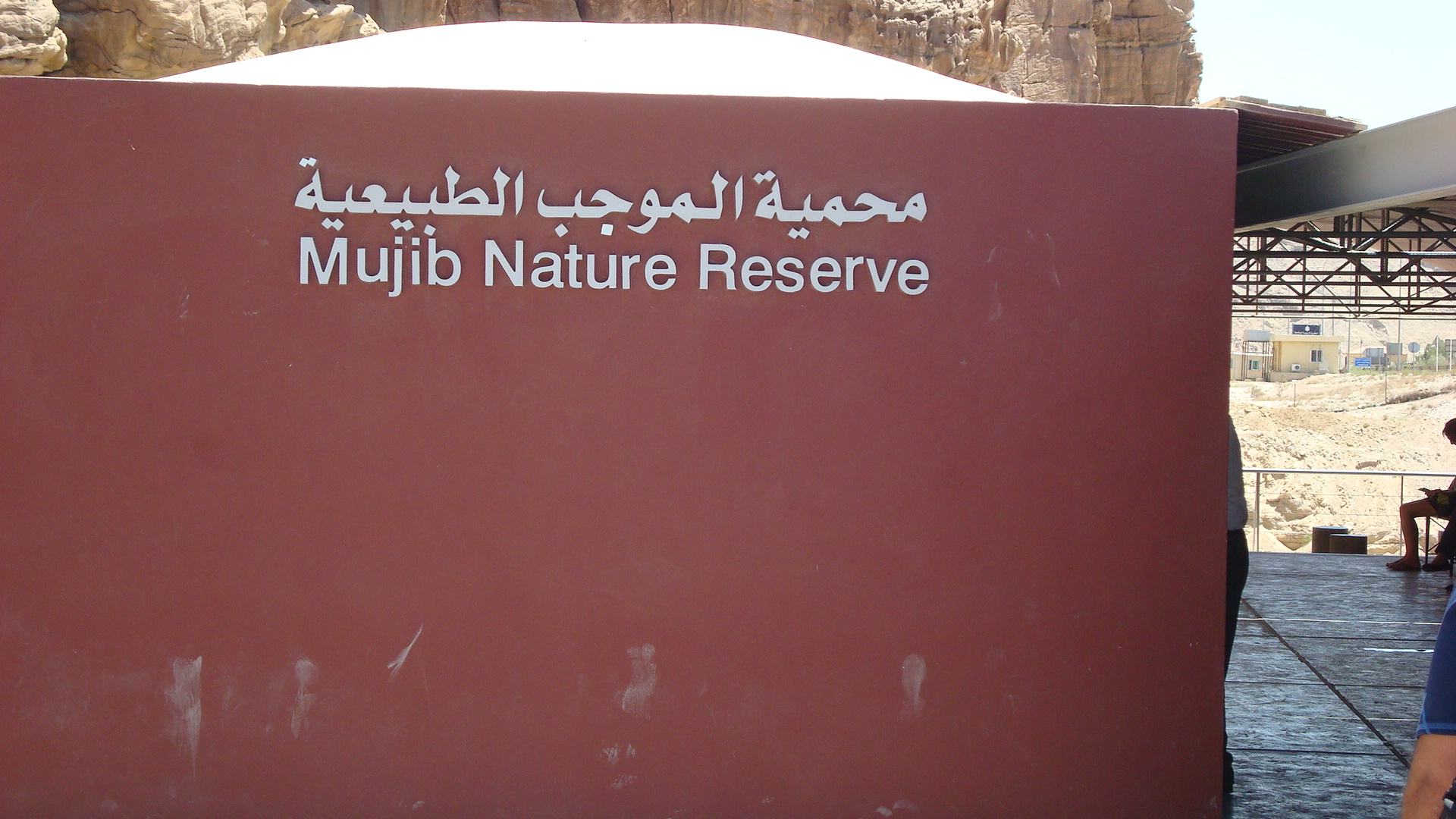
Slot Canyon: Siq Trail in Wadi Mujib Nature Reserve


Raj and I decided to go hiking today, something most people wouldn’t do in 105 degree heat. Someone told Raj about this place and what an amazing time they had here. The problem is that Raj didn’t tell me what to expect, but I’m not sure he really knew, so I wasn’t dressed all that appropriately. As it turns out, we were hiking, but hiking and sometimes wading in fast-moving water though a slot canyon. [According to Wikipedia, a slot canyon, in case you don’t know, “is a narrow canyon, formed by the wear of water rushing through rock. A slot canyon is significantly deeper than it is wide.”]


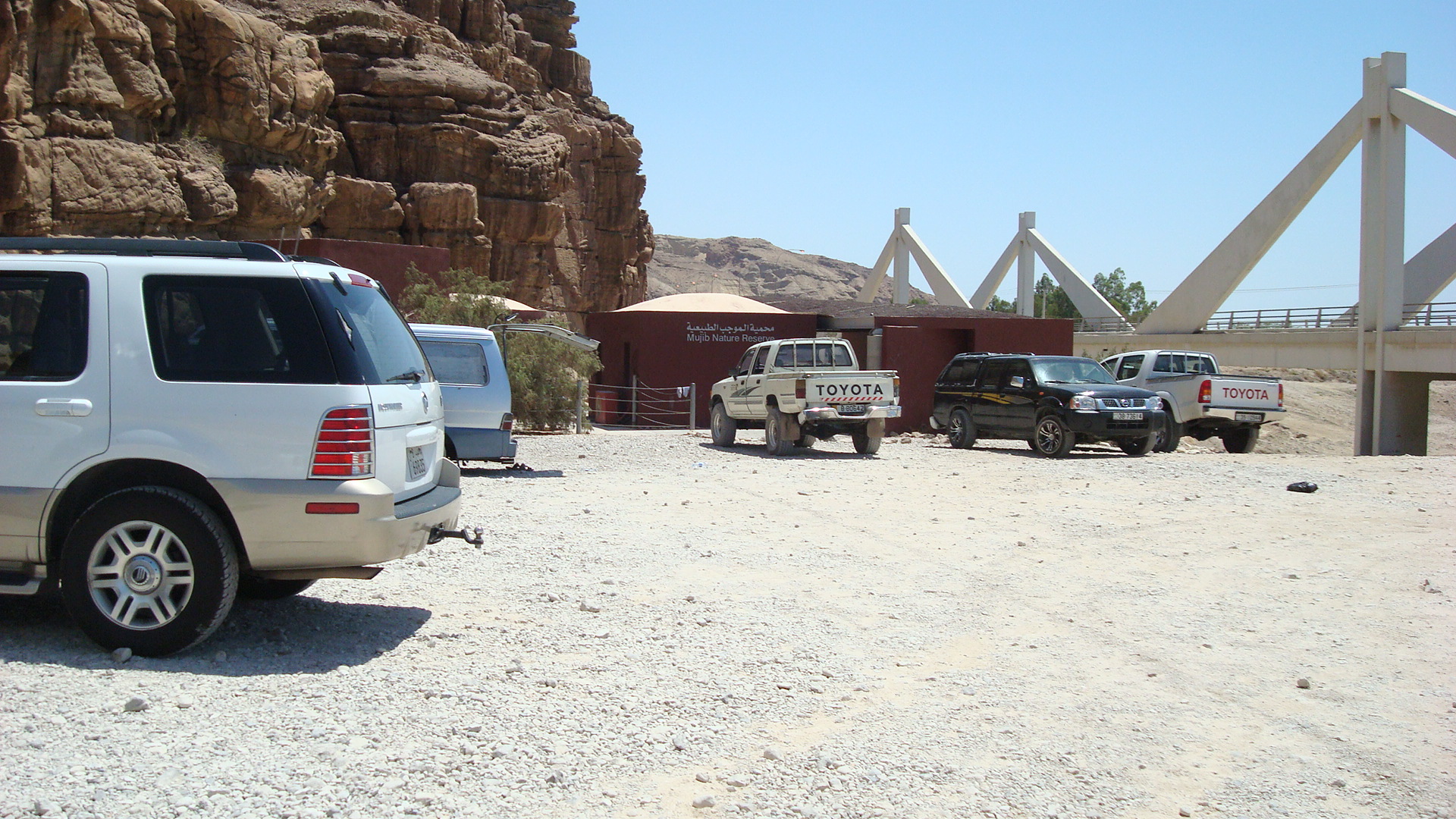
We got to the Visitor Center, paid the reserve fees ($12 JD’s pp), and were told to take our hats, sunglasses, backpack, and valuables and to keep them in the car. Why? Hmm. I didn’t know what this was about. I was told by Raj that we’d be hiking and wore my favorite, well-worn, suede hiking shoes. One last thing the guy said to as on the way out, “grab a life vest.” We put the life vest on, walked down into the canyon and saw the trail. It wasn’t a trail but a shallow riverbed. It was too late to turn around so I plunged in, ruining my shoes. This better be worth it!

The trail led into the Mujib gorge, leading us between towering sandstone cliffs. Throughout the trail (river), there are mini falls and semi-technical climbs up and over the falls. After about an hour of traversing the river, you reach the base of a magnificent waterfall. We hung out here for a while and then turned around. On the way back, I chose a wrong foothold and got swept away by the fast-moving water, causing me to crash into a bunch of river rocks. It didn’t start hurting until halfway out and now my knee is swollen and I’m foreseeing being off of it for a few days. Great! I busted my knee and ruined my shoes.

Does the gorge look familiar? It was featured in the film, Indian Jones and the Last Crusade.

Despite my injury, I suppose it  was well worth the effort of getting to the waterfall (the worth will be dependent on how fast my knee heals). It’s a shame we couldn’t take out camera, which isn’t waterproof, because the color and marbling striations of the sandstone cliffs was breathtaking.


Bethany-Beyond-the-Jordan: the Baptismal Site of Jesus


About thirty miles outside of Amman, heading towards the Dead Sea, along the east bank of the River Jordan, is the place where John the Baptist lived and where he most likely baptized Jesus Christ. This desolate plain (and HOT, 105 degrees F today) has historical significance for Judaism, Christianity and Islam. [For those of you who care, the first mention of this area is in the book of Genesis, when Lot separated from Abraham and “chose the plain of Jordan” to pitch his tents, after which Jacob wrestled with God a little way north at Penuel. A large part of the Book of Numbers is set at the Israelites’ camp, “pitched in the plains of Moab by Jordan opposite Jericho,” following which Moses delivers a long summation in Deuteronomy before going up “from the plains of Moab unto the mountain of Nebo” where he died (remember, we went there a few weeks ago?). Joshua led the tribes across the river, which miraculously halted its flow, an event mirrored centuries later in Kings 2, when the prophets Elijah and Elisha again stopped the flow of the river, as a chariot and horses of fire took Elijah up to heaven. It was because of the associations with Elijah that, a thousand years later, John, an ascetic holy man with a prophetic vision, took up residence here, using the numerous small springs branching off the river to symbolically cleanse people of sin; locals soon flocked to this John the Baptist.

Waiting for the Bus

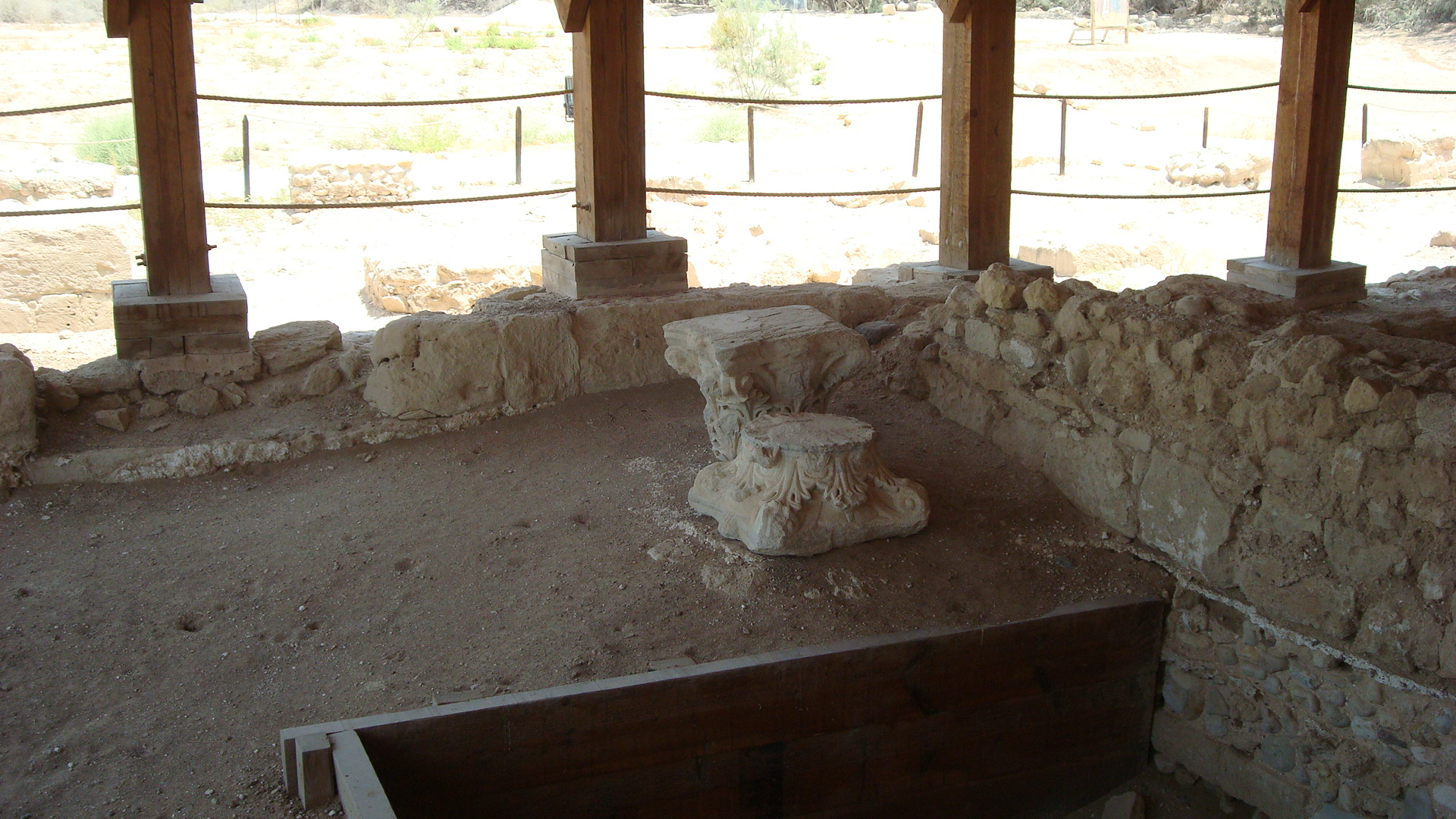
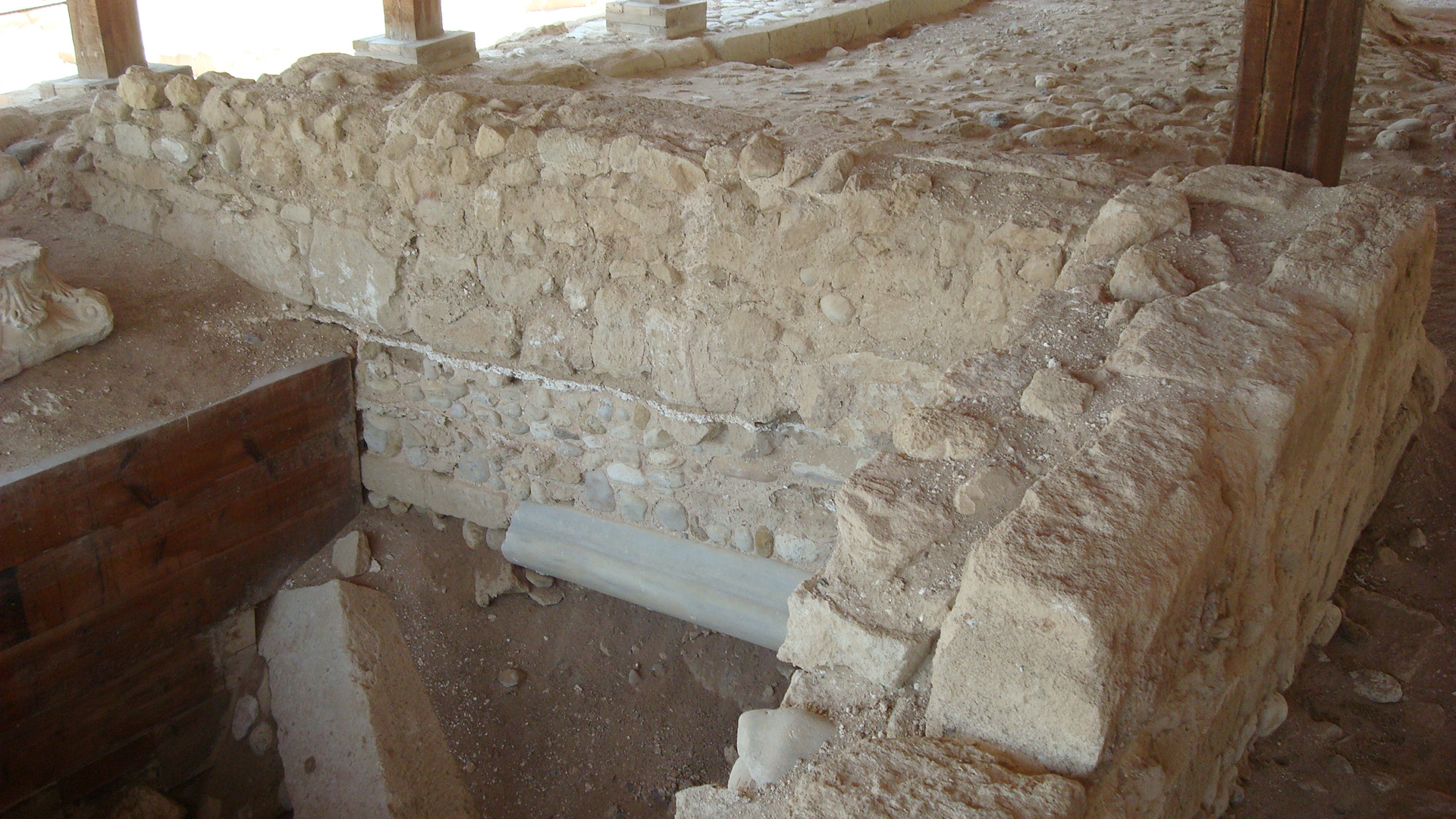
When you arrive at the Visitors’ Center, you are picked up in a bus and driven to the site, about five minutes from the parking lot. A guide leads you along the path to a few different sites. The first site along the path brings you to a clearing marked by a modern pool and the sheltered remains of the 6th or 7th century Church of John the Baptist, situated alongside two or more churches, which were built on top of each other. You can see the floor of the lower one tiled in triangular, square and octagonal flags of marble. There are also Corinthian capitals lying nearby.

Under the Shelter or Remains of the Church of St. John the Baptist
Corinthian Columns

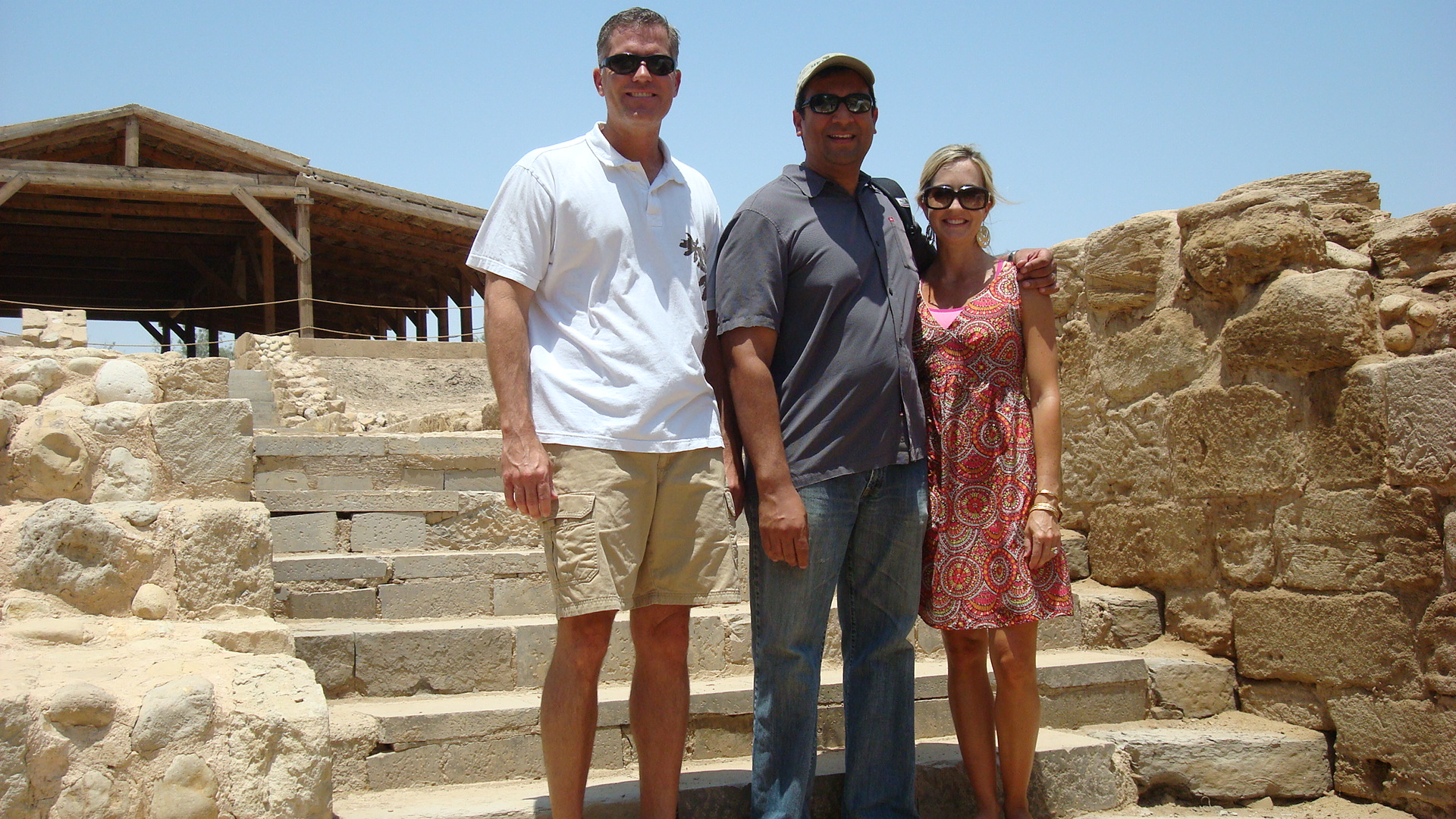
After viewing the remains of the church, our guide gave us (I’d like to say ME) the VIP treatment. The rest of the tour went on ahead of us as he offered to take us “behind the scenes” (in this case underneath a rope) to stand on two of the most sacred spots (the first pictures is supposedly the spot where Jesus disrobed and the second is THE site of Jesus’ baptism).

Where Jesus disrobed before entering the water
This is the Baptismal Site of Jesus

After the behind the scenes tour, we met back up with the rest of the group–those unfortunate people who were not privy to our part of the tour–and headed to the  bank of the river to cleanse away our sins.

Making the Sign of the Cross
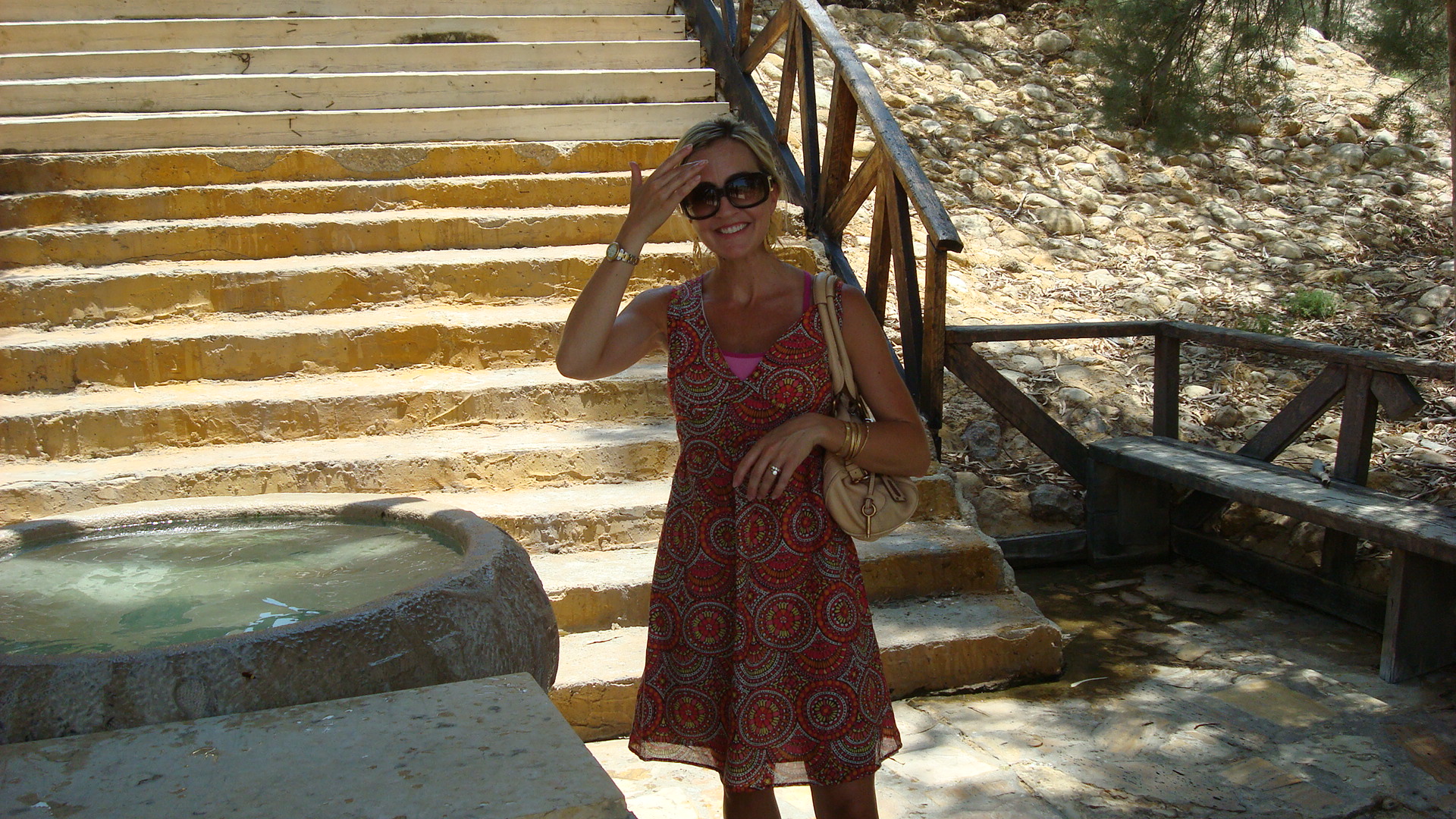
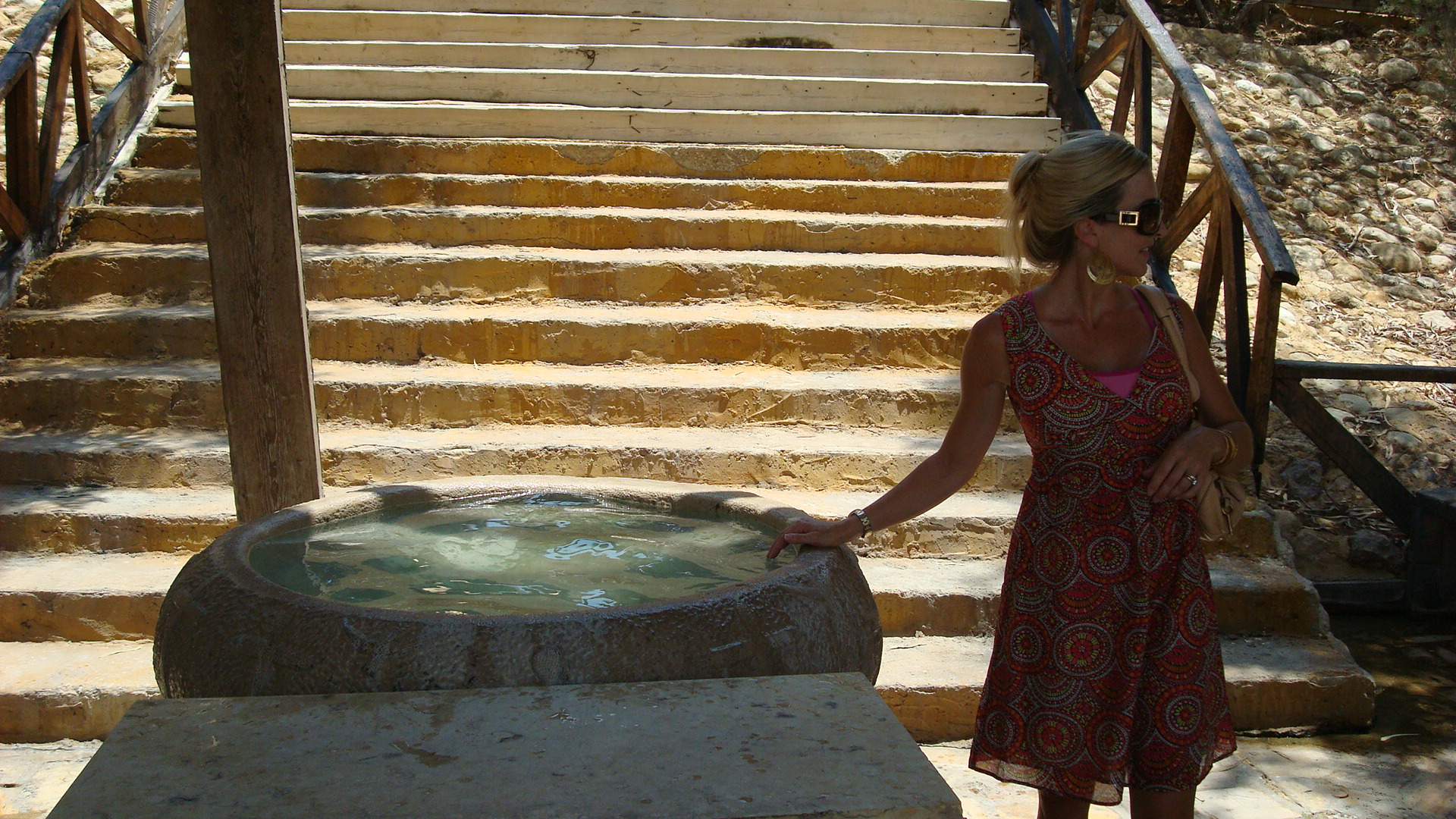
The guide is telling me that they use this baptismal font for children
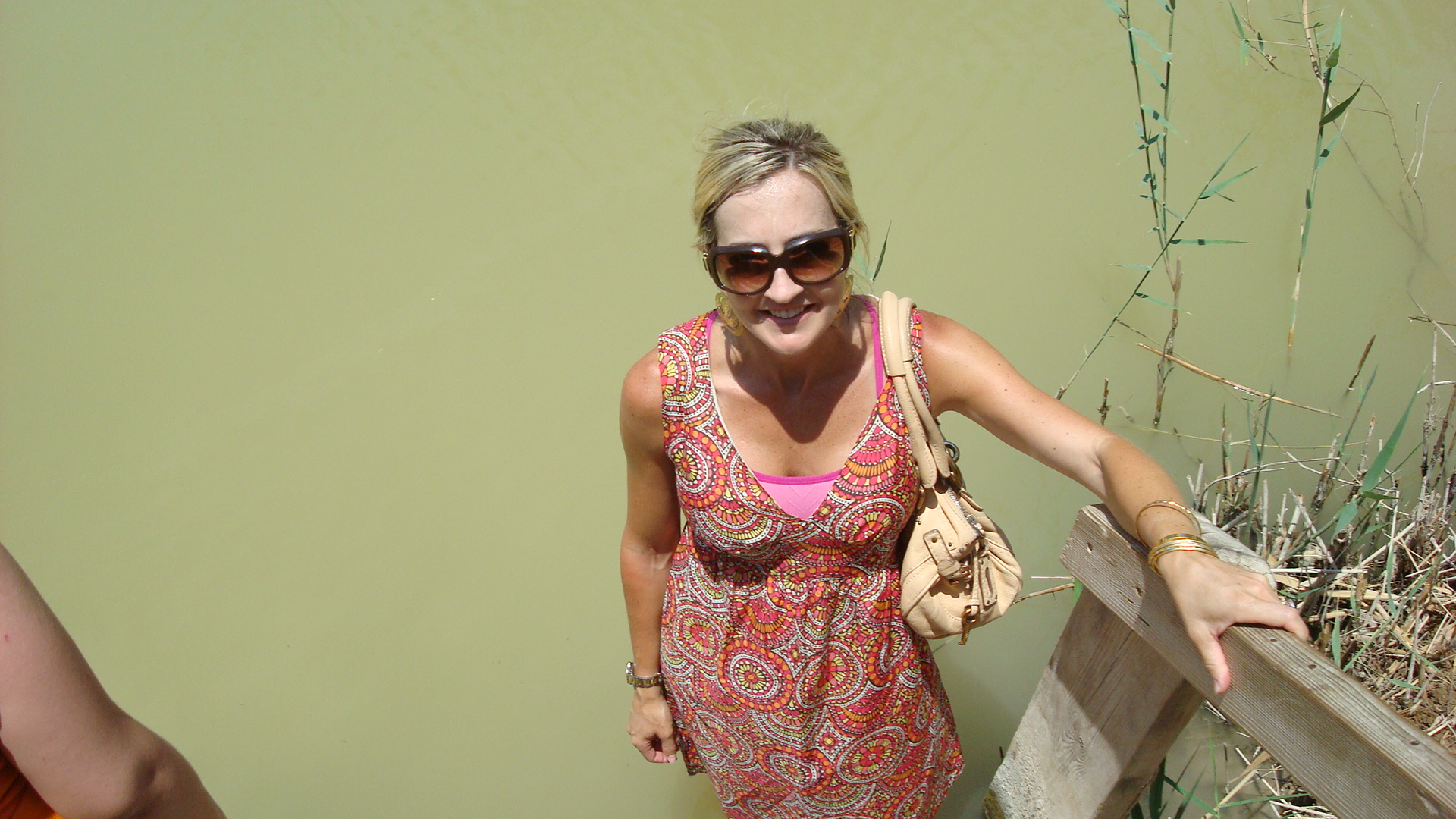
Braving the brackish water with tadpoles in it
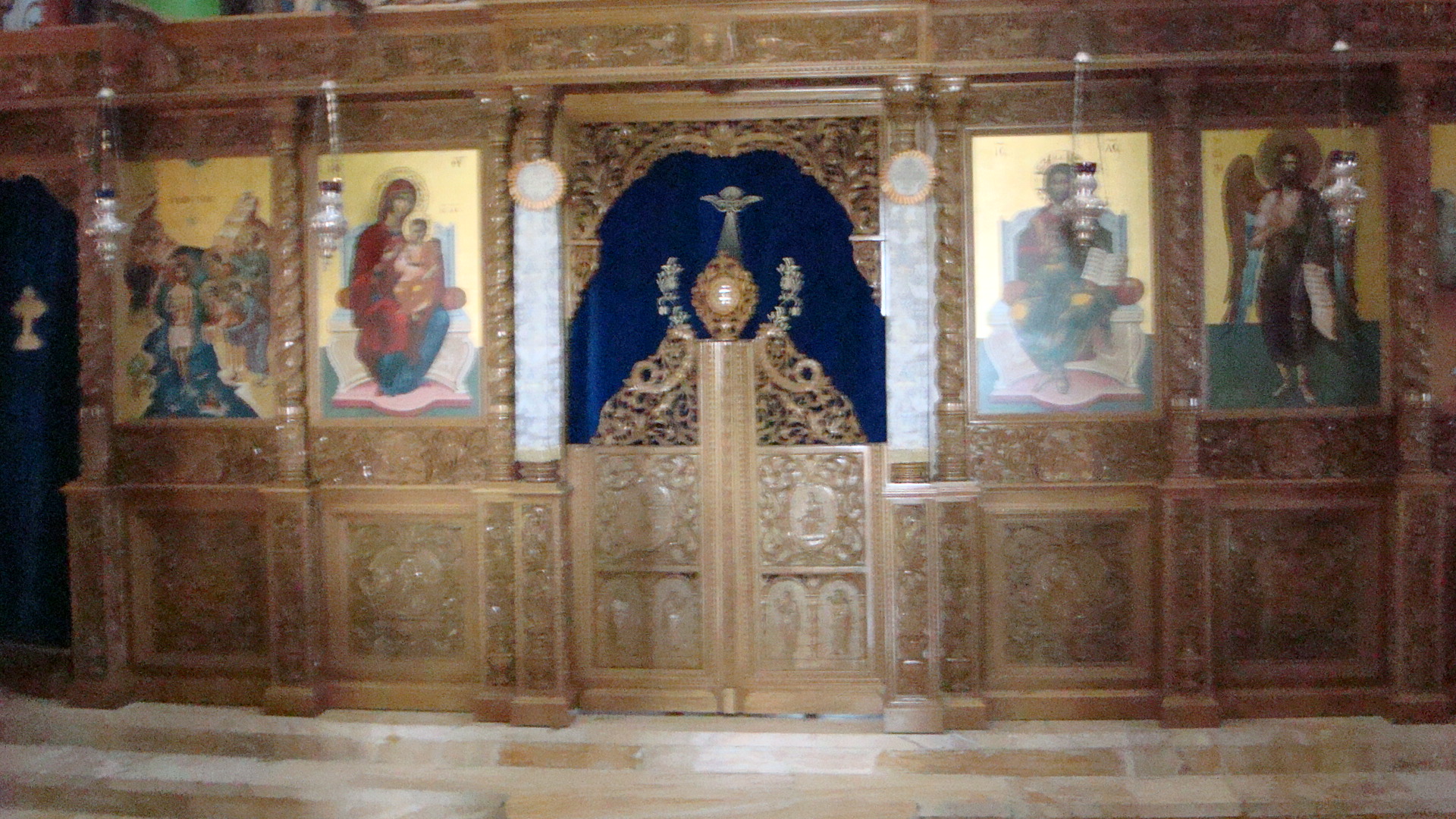
Inside the church next to the river (new construction)
The altar
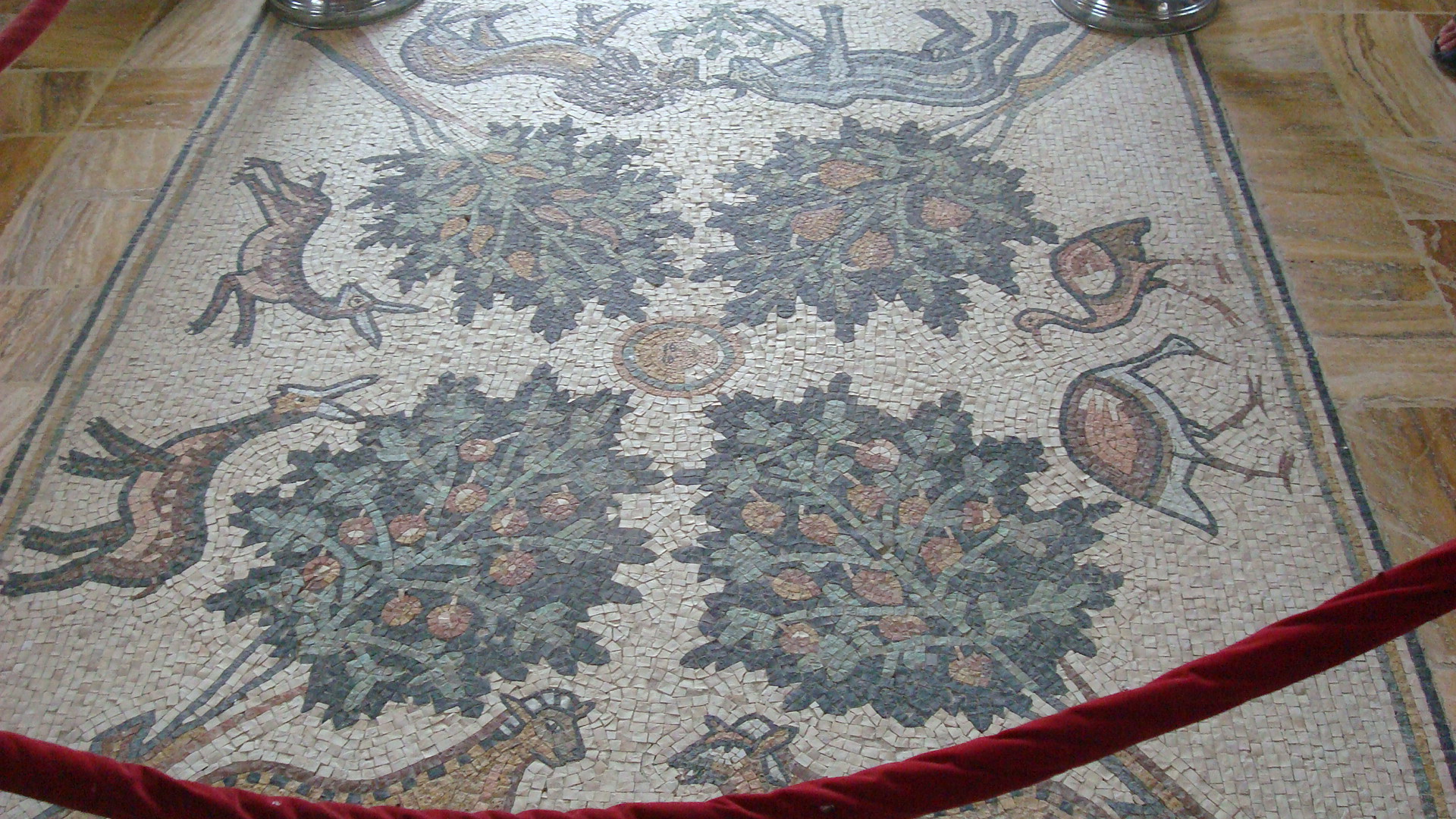
One of many mosaics on the floor in the church

The River Jordan used to be deep, fast-flowing, and often flooded the banks. ( FYI, in Aramaic, yardeen–from which Jordan is derived–means “fast-flowing water.”) Today, at the height of summer, the river is low. The tour lasted about an hour, which was about all we could take in the heat.

This slideshow requires JavaScript.

Tagging Along with the BRAVE Germans


Jordan National Gallery of Fine Arts

I was introduced to a German couple at a Fourth of July party a couple of weeks ago (yes, we attended one, albeit a 4th of July party sans burgers, apple pie, or fireworks). We met up with them again this week for Happy Hour and they invited me to sightsee with them before they return home to Germany next week. Perhaps they took pity on me when I mentioned that I LIVE for weekends when Raj and I venture out, but during the weekdays, I pretty much stick to a schedule of running, laying out/reading, yoga at home, and that’s it. Their game plan was to go to a couple of galleries, a do little shopping, and then relax at a cafe–all things I LOVE!  The best part of all, in addition to getting out and hanging out with anyone other than my dog, was that they hired a driver for the whole day. This may not seem like an extravagance, but given my fears of getting lost amongst streets, neighborhoods and houses that ALL look the same, this sounded perfect.

They picked me up along with our driver, someone who has been driving them around for weeks now, and we were off in search of an art gallery/cafe that was situated in a converted school. It was written up in my German companion’s travel guide as one of the ‘insider, not to be missed’ places of interest. Not surprisingly, our driver, as qualified as any local can be, got lost, but we eventually found it after stopping in a few pharmacies for directions (no convenience stores here, but pharmacies abound on every corner). Unfortunately, we weren’t sure what the place was when we arrived. We walked into a courtyard, gazed into what appeared to be gallery space, exited around the back to a stage, but there was no one there to help us out so we left, confused.

Next stop, the Jordan National Gallery of Art (pictured above). This is a two building gallery, separated across the street by a sculpture park. Lonely Planet ranks it as number 29th out of 146 (random number, I know) things to see and do in Jordan. The Jordan National Gallery of  Fine Arts touts itself as one of the major art museums in the Middle East. It houses a collection of modern art from the developing world and claims to be internationally recognized. The collection comprises over 2000 works including paintings, prints, sculptures, prints, sculptures, photographs, installations, weavings, and ceramics by more than 800 artists from 59 countries mainly in Asia and Africa. The galleries were nice. There was a cool cafe in the second building and I liked seeing the art projects from their kids art camp sprawled ALL over the gallery floor. You’d never see that in a museum in the States. (Note: I don’t think think I’d rank this place as high as Lonely Planet’s #29, maybe 129th.)

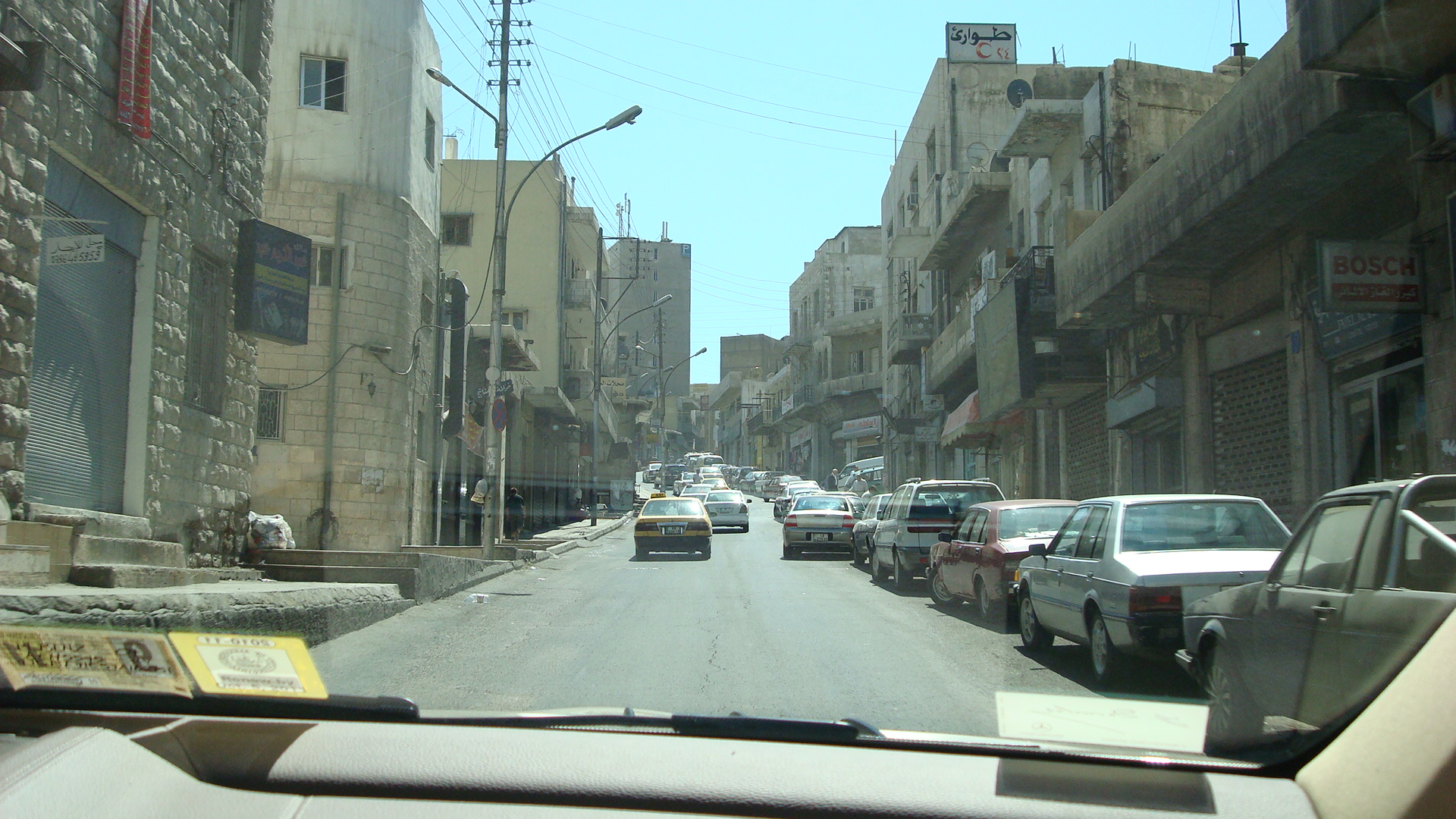
Following a quick drink in the cafe, we set off to City Center, the flea market center in the old part of Amman. I was extremely excited about shopping here because I know RAj would NEVER take me shopping in this area–too dangerous, too sketchy, no parking, no need to BUY ANYTHING, SAVE, SAVE, SAVE…Luckily, my brave German companions thought differently.

Sadly, I didn’t buy anything. I don’t need any scrap metal right now, but now I know where I can go when I get a hankering for sugar cane juice. This seems to be a big seller in these parts. There are huge stick of sugar cane (they look like bamboo poles) on the side of the street in buckets that they stick in a machine for what I suppose is a refreshing (calorie laden) drink.

Our last stop was Wild Jordan, the organic/locally sourced cafe that I swooned about in the post on Souk Jara. I ordered a strawberry/orange smoothie and a wonderful apple and flax-seed salad. It was a great day, but I’m sad that my German friends are leaving.