Egyptian Vacation, Part II, Nile Cruise


Deck of Abercrombie & Kent's, Sun Boat IV

On the morning of our fourth day of our trip, we boarded an early flight from Cairo to Luxor to embark on our four-day Nile Cruise from Luxor to Aswan.

DAY 1

We boarded, checked in, quickly drank some tea and then set off for the Temple of Karnak. This temple was built over one thousand years by generations of Pharaohs. The great “Hypostyle Hall” is an incredible forest of giant pillars, covering an area larger than the whole of Notre Dame Cathedral.

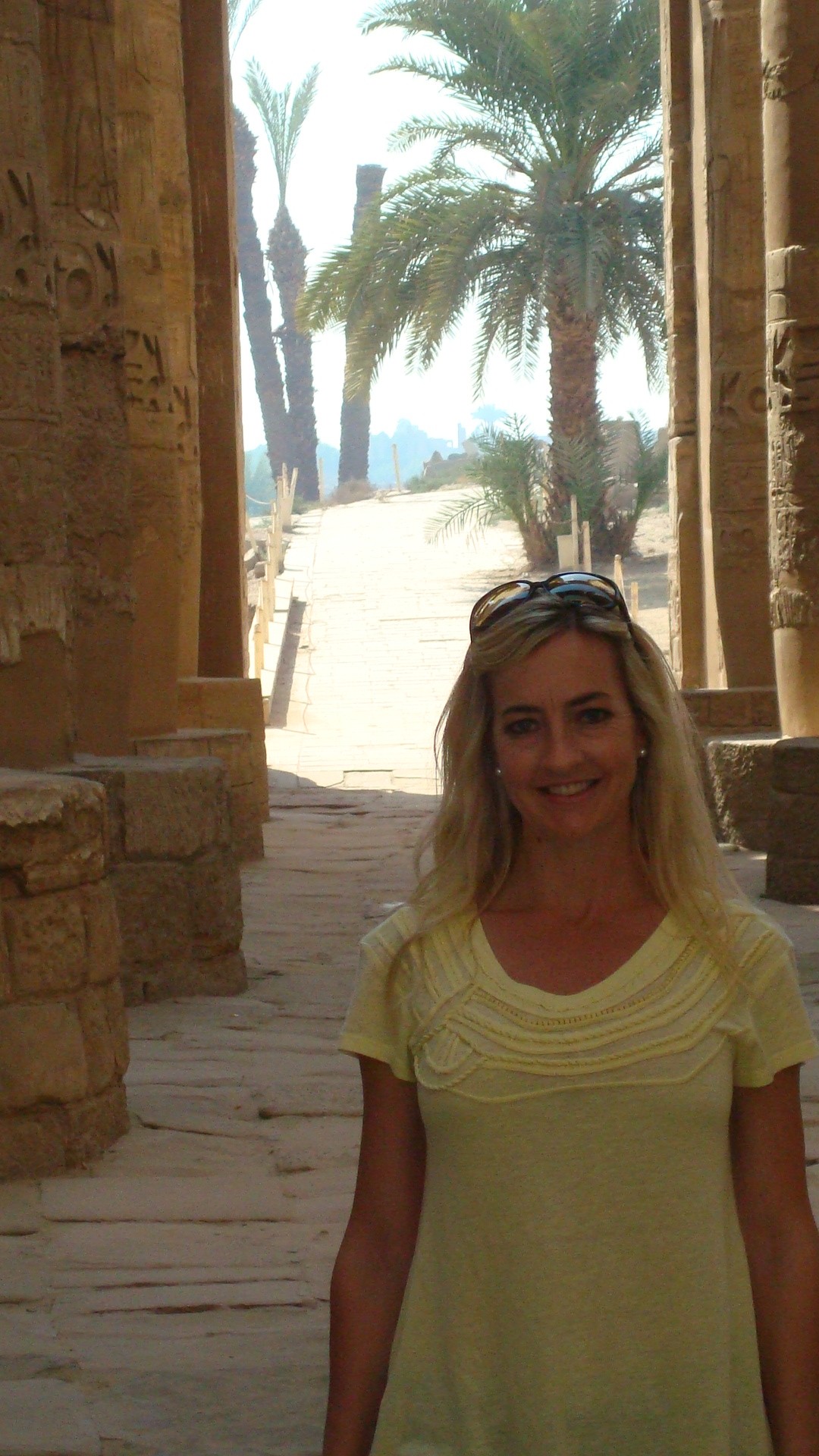
Entering the Temple at Karnak (and being followed by the peddlers)

En route to the Valley of the Queens and Kings, we made a brief stop at the Colossi of Memnon, known in ancient Greek times for their haunting voices of dawn.

Colossi of Memnon

We stopped here very briefly and were assaulted by the throngs of vendors.

Surviving the gauntlet of peddlers back to the van

Valley of the Queens and Kings

In the Valley of the Queens, we were only able to enter one tomb, although we expected to see two. As a consolation, our guide ‘tipped’ the guard and we were able to take pictures inside (usually not allowed).

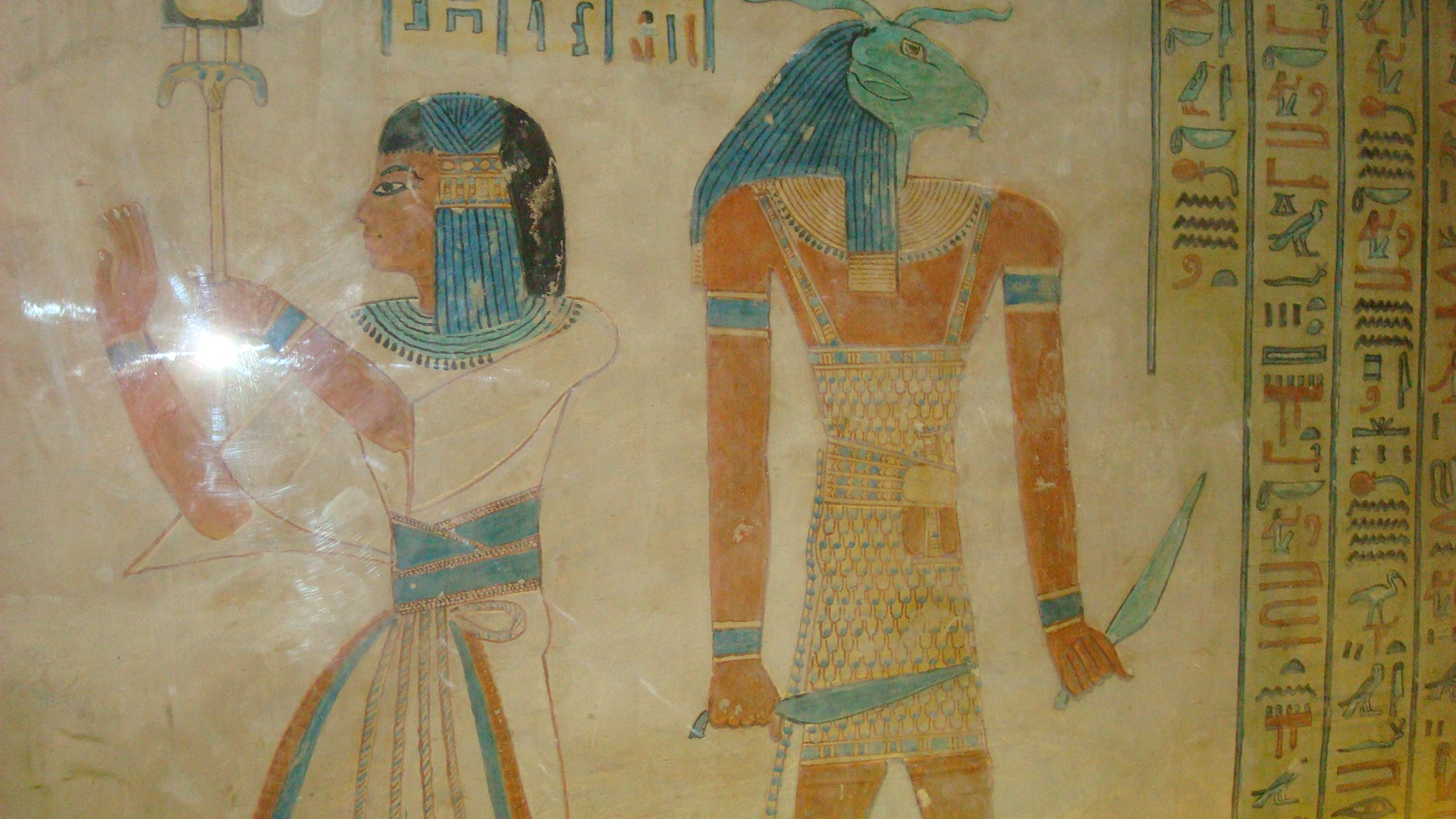
Valley of the Queens
Inside one of the Tombs in the Valley of the Queens

Temple of Hatshepsut: Rising out of the desert plain in a series of terraces, the Temple of Queen Hatshepsut (Ancient Egypt’s only female Pharaoh) merges with the sheer limestone cliffs that surround it.
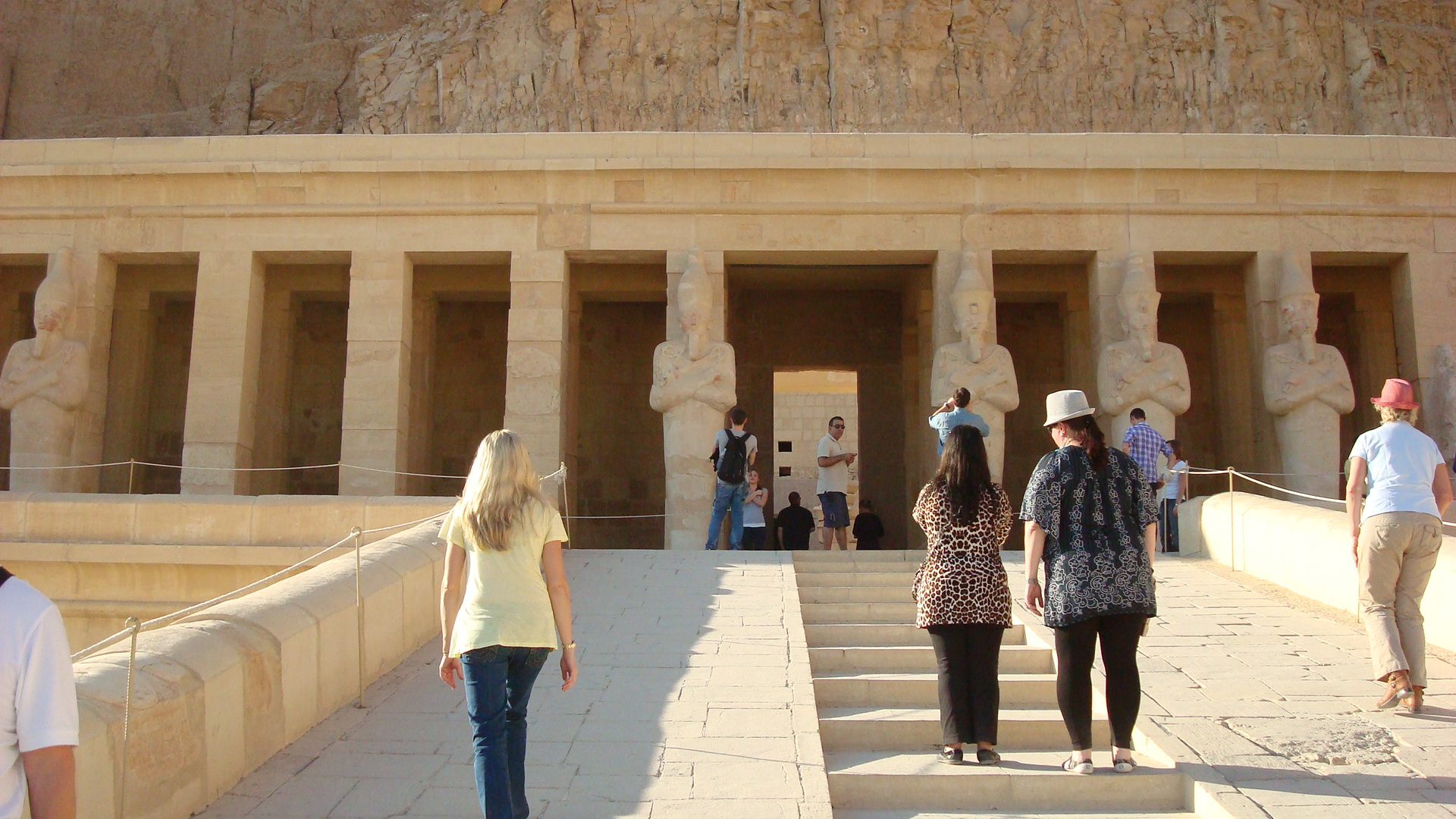
Unfortunately, there were no cameras allowed in the Valley of the Kings. This was my absolute highlight of the entire trip! We were able to enter King Tutankhamun’s tomb along with many others. It was a beautiful, peaceful, and serene location.

DAY 2

Temple of Denderah: This was the Ptolemaic Temple of the Goddess Hathor. This wonderfully preserved temple complex is a rare sight to behold, complete with a massive stone roof, dark chambers, underground passages and towering columns inscribed with hieroglyphs. The main temple of Hathor is almost intact. Hathor was the goddess of pleasure and love, usually represented as a cow, or a woman with a cow’s head. She was the beneficent deity of maternal and family love, of beauty and light; the Greeks associated her with Aphrodite.
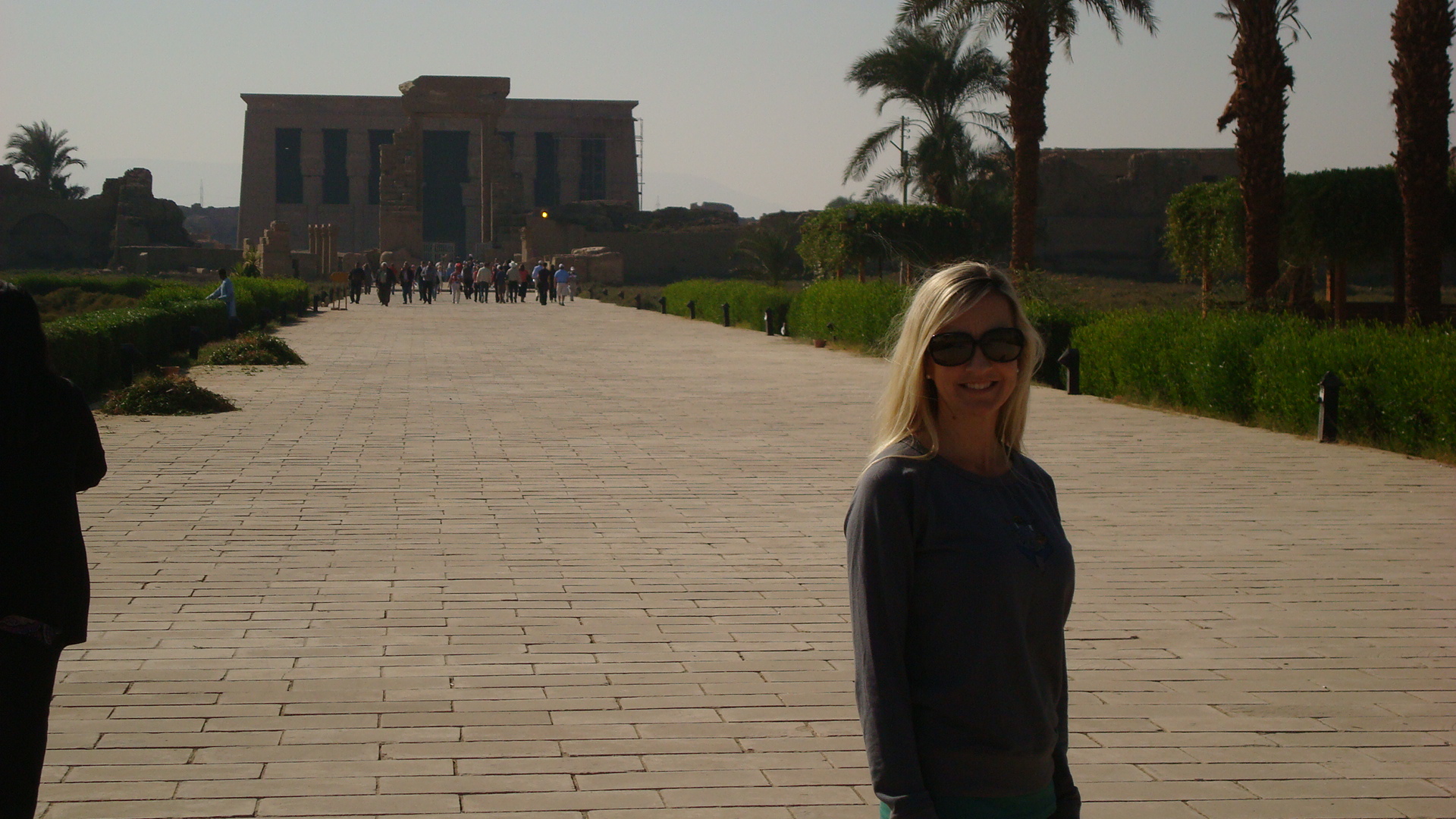
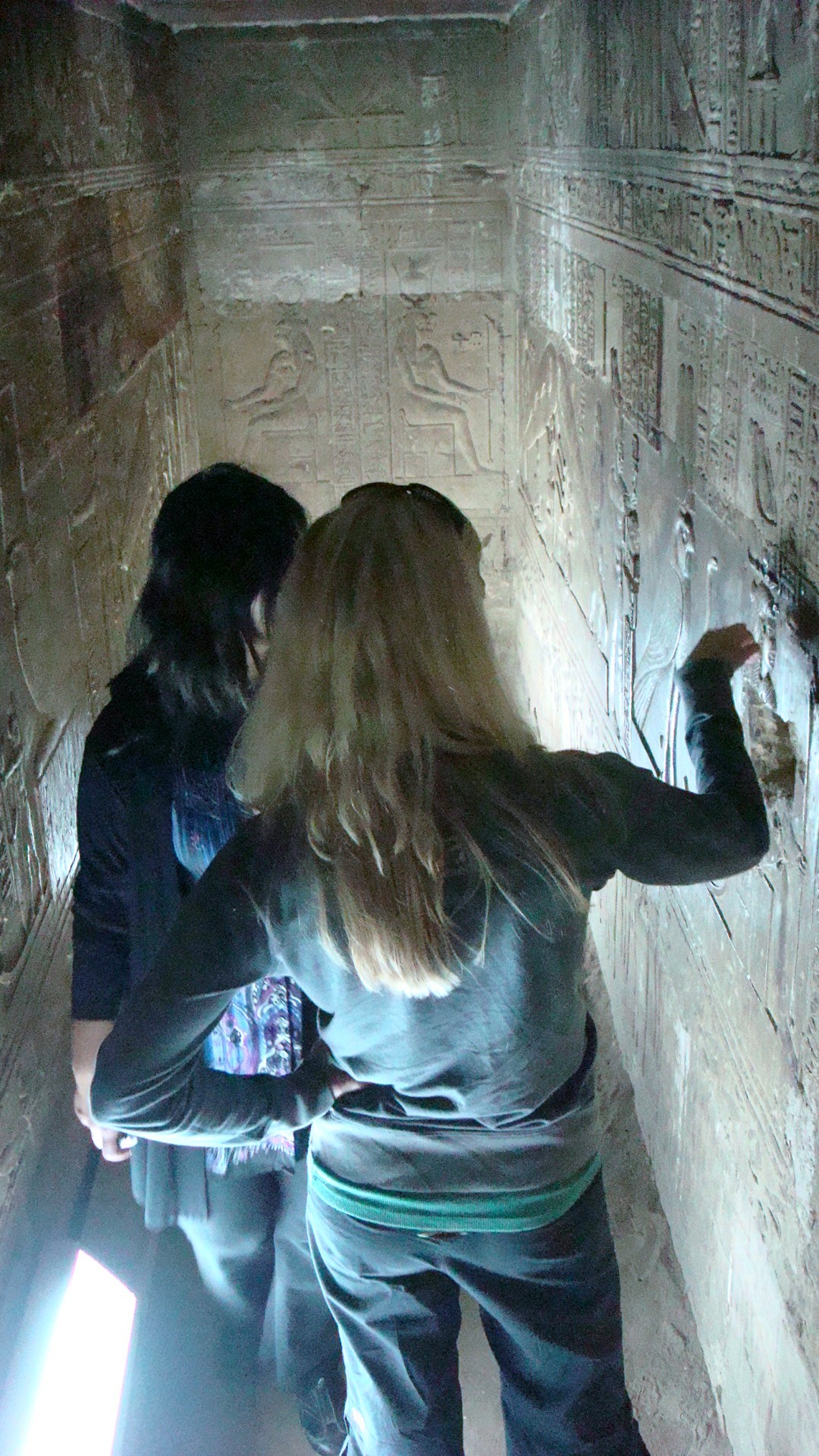
Temple of Denderah
Underground depository in the Temple of Denderah
Yoga graffiti

Luxor Temple: The Temple of Luxor used to be linked up with the Temple of Karnak via the Boulevard of Sphinxes.

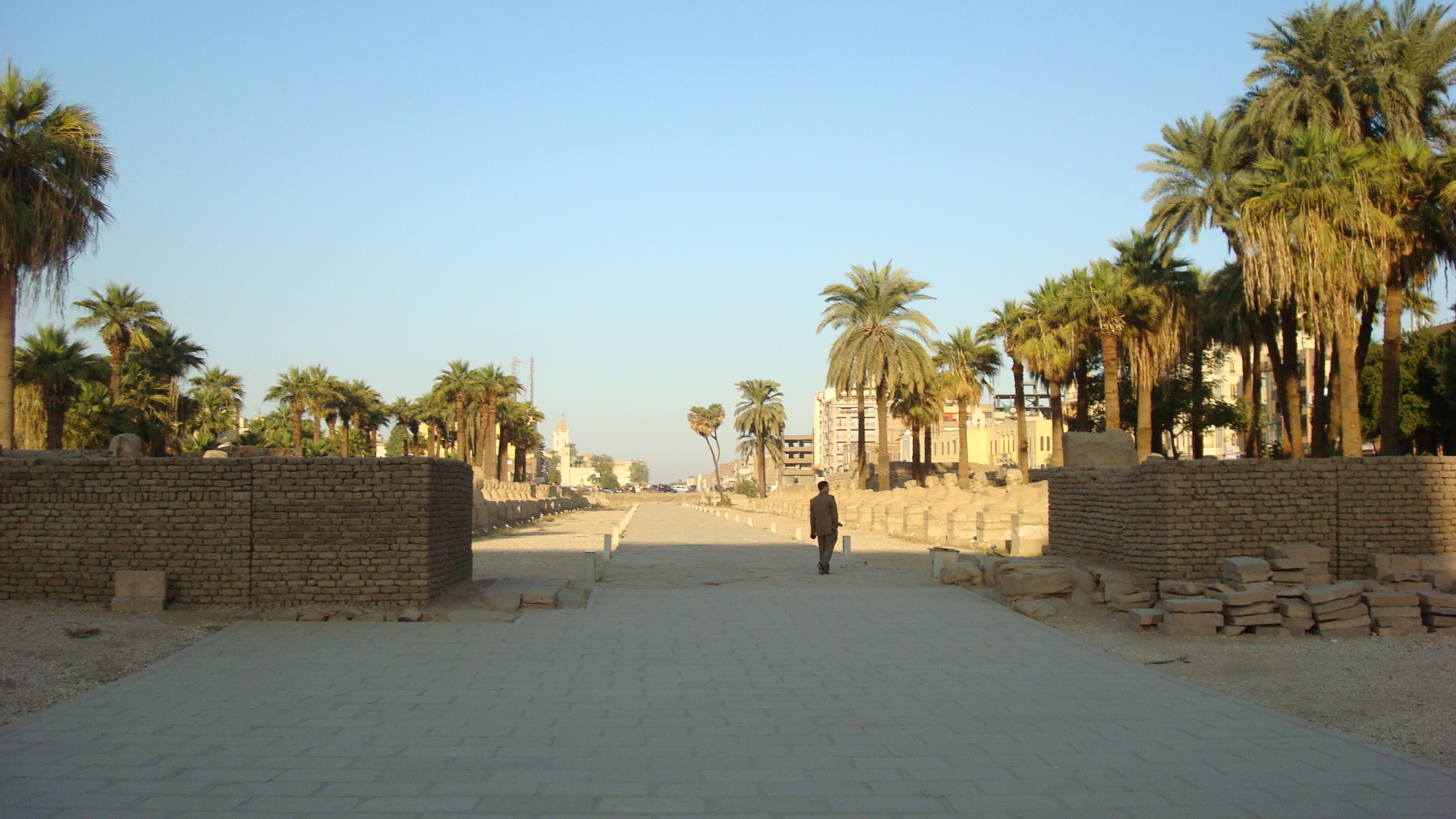
Temple of Luxor on the bank of the Nile
Boulevard of Sphinxes that originally met up with the Temple at Karnak

DAY 3

Temple of Edfu: The largest and most completely preserved Pharaonic, albeit Greek-built temple in Egypt, the Temple of Horus at Edfu.

Carriage to Edfu Temple

Temple dedicated to Horus

Temple of Kom Ombo: This temple is dedicated to the crocodile-god Sobek. The temple stands at a bend in the Nile where in ancient times sacred crocodiles basked in the sun on the riverbank.

Nilometer: the height of the Nile would determine the amount of taxes to be paid


DAY 4

Unfinished Obelisk: We visited a granite quarry which supplied the ancient Egyptians with most of the hard stone used in pyramids and temples to see a huge unfinished obelisk. This obelisk was used to understand how the ancient Egyptians were able to quarry such massive structures.
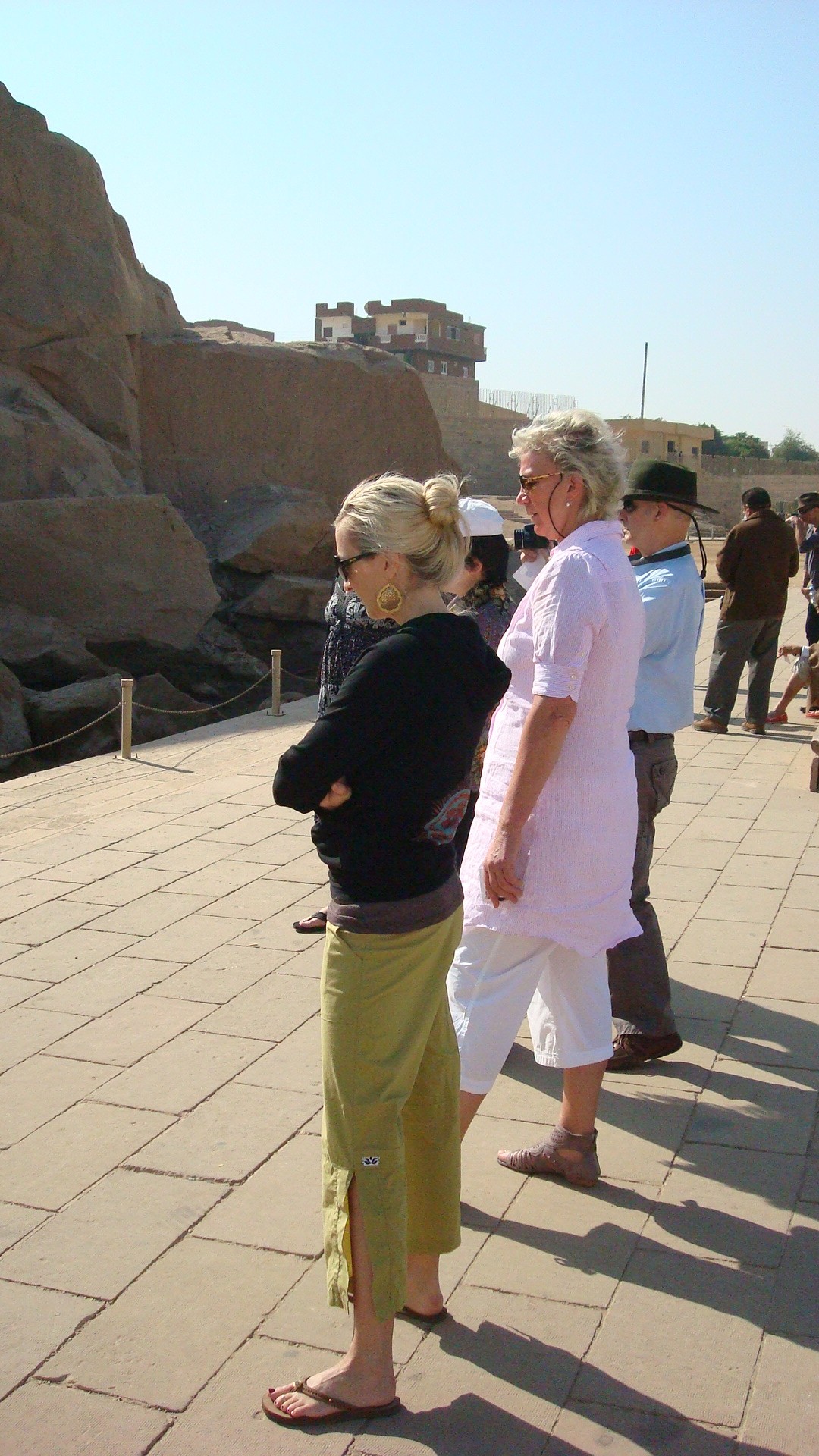
Looking at an Unfinished Obelisk at the granite quarry
Unfinished Obelsik

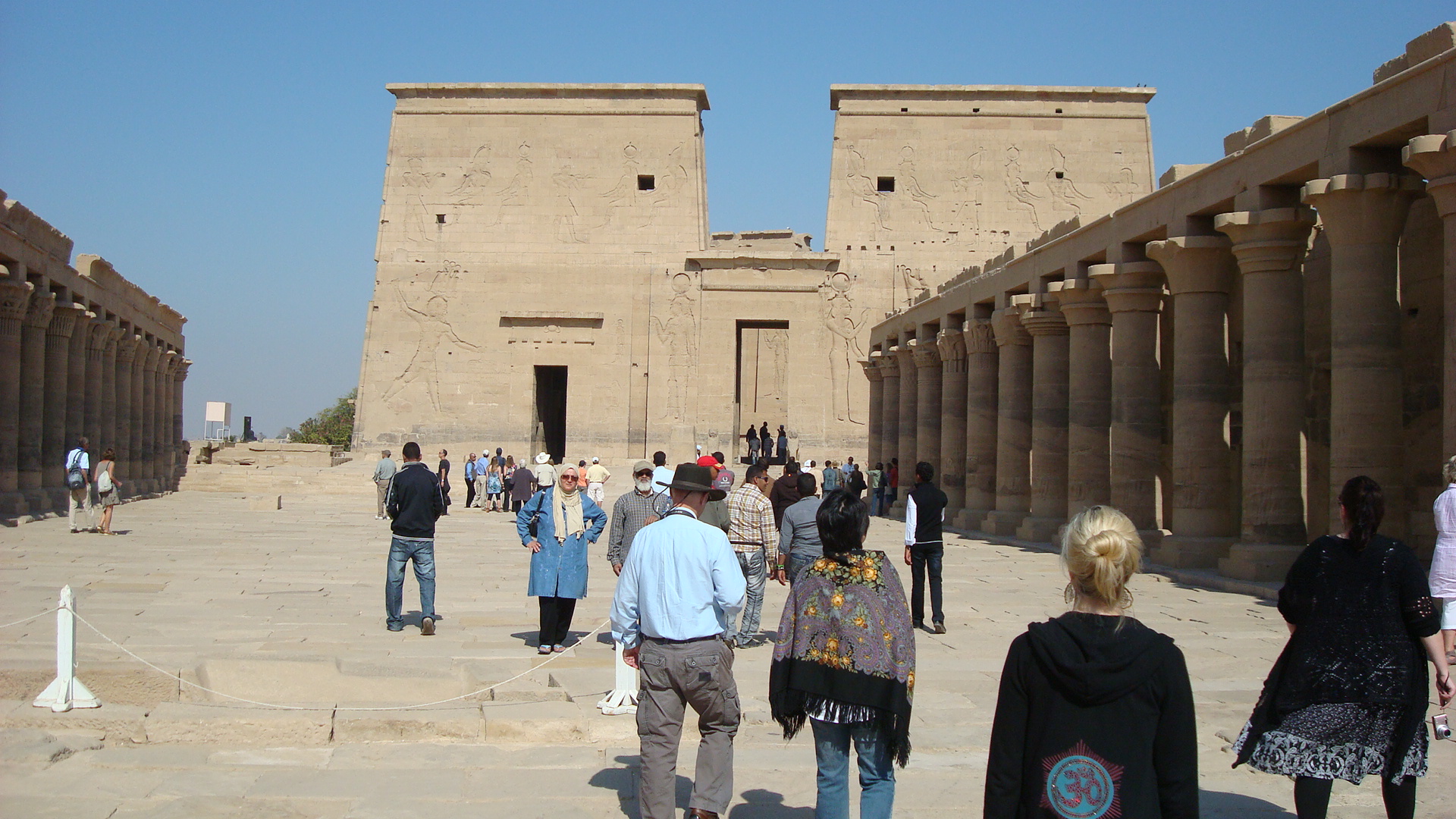
Temple of Philae: We boarded a ferry to the Island of Agilika to visit the majestic and romantic Temple of Philae (moved to this Island after it was flooded).
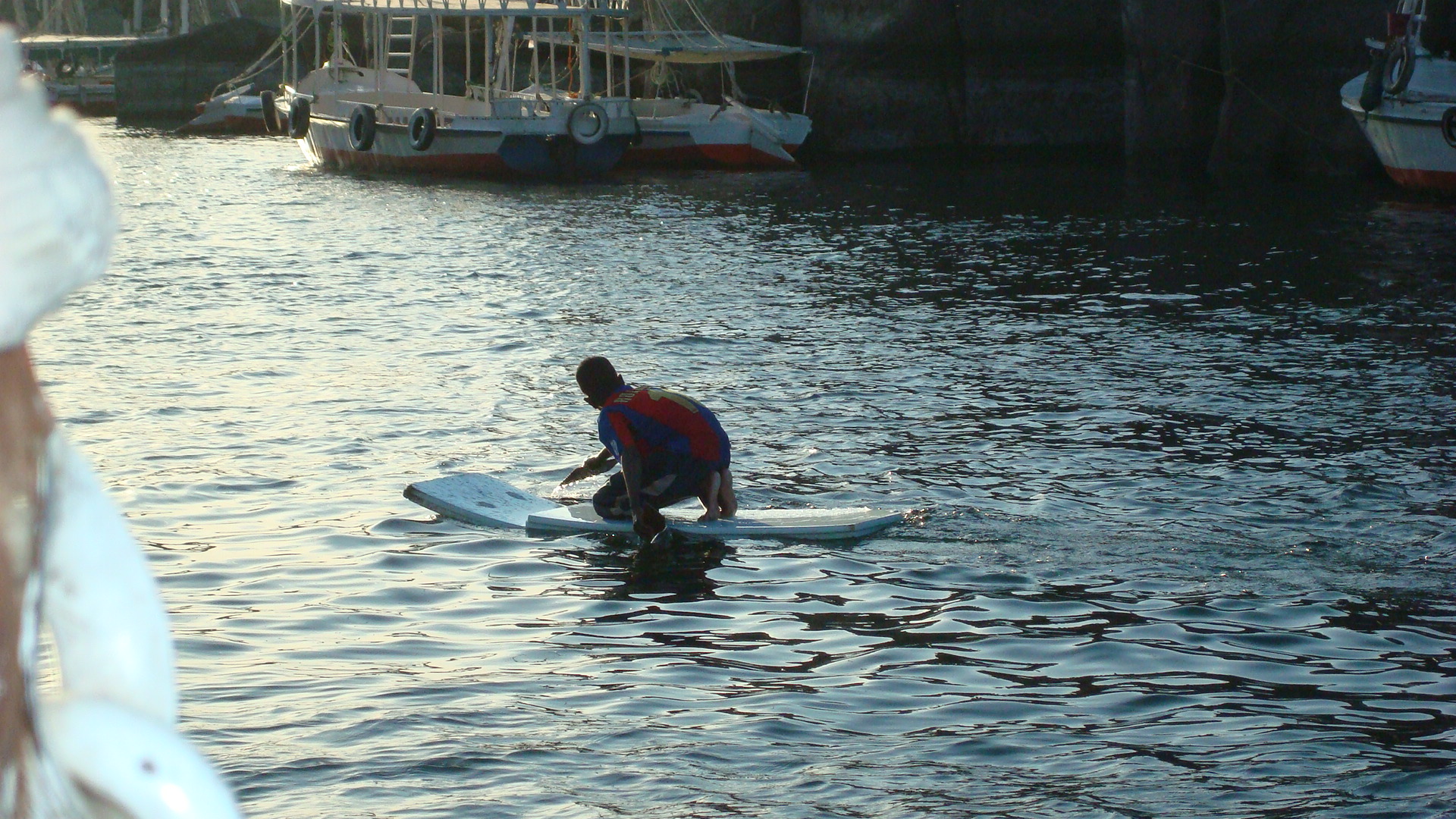
Felucca Ride: Lastly, we took a felucca ride, a typical Egyptian sailboat around Elephantine Island, Lord Kitchener’s Botanical Gardens, and the Agha Khan Mausoleum. The highpoint of this ride was watching the tiny boys paddle up to the boat to sing songs in search of money. The amazing thing is that they’re sitting on what looks like floating doors with wooden paddles in hand to propel them. It wasn’t particularly warm; it was a school day, and yet they were out in masses. Our guide told us that the boys guess the nationality of the boat and sing German, French, and English (and undoubtedly many more languages) songs in search of ‘tips.’ They thought we were a French group and serenaded us accordingly.


Afternoon Felucca ride around Elephantine Island

Lest we forget the Souk: Finally, we got to shop in the market. In part IV, I will reveal the purchases.

On the morning of day 5 on the Nile Cruise, we left the ship early to catch a flight to Abu Simbel…

Coming up…part III, Abu Simbel and Cairo (again…)

Below are hundreds more pictures for your viewing pleasure.

This slideshow requires JavaScript.


Egyptian Vacation: Part I, Cairo


For as long as I can remember, I’ve always wanted to travel to Egypt. Our proximity in Jordan makes getting to Egypt so manageable too (it’s only an hour flight from here to Cairo). With all of the political unrest going on in Egypt, especially in Cairo, I thought this fantasy would have to wait indefinitely. Will there ever be a good time to go? Luckily, despite the protests that were going on while we were in town, we were able to tour around, escaping any problems.

I know it’s not possible to see everything that Egypt has to offer in ten days, but it certainly feels as though we were able to see quite a bit. We started our tour in Cairo for three days, followed by a Nile Cruise for four, and ended with a flight to Abu Simbel and then back to Cairo for two more nights.

Cairo, Part I: Antiquities Museum, Memphis, Sakkara, and the Giza Plateau

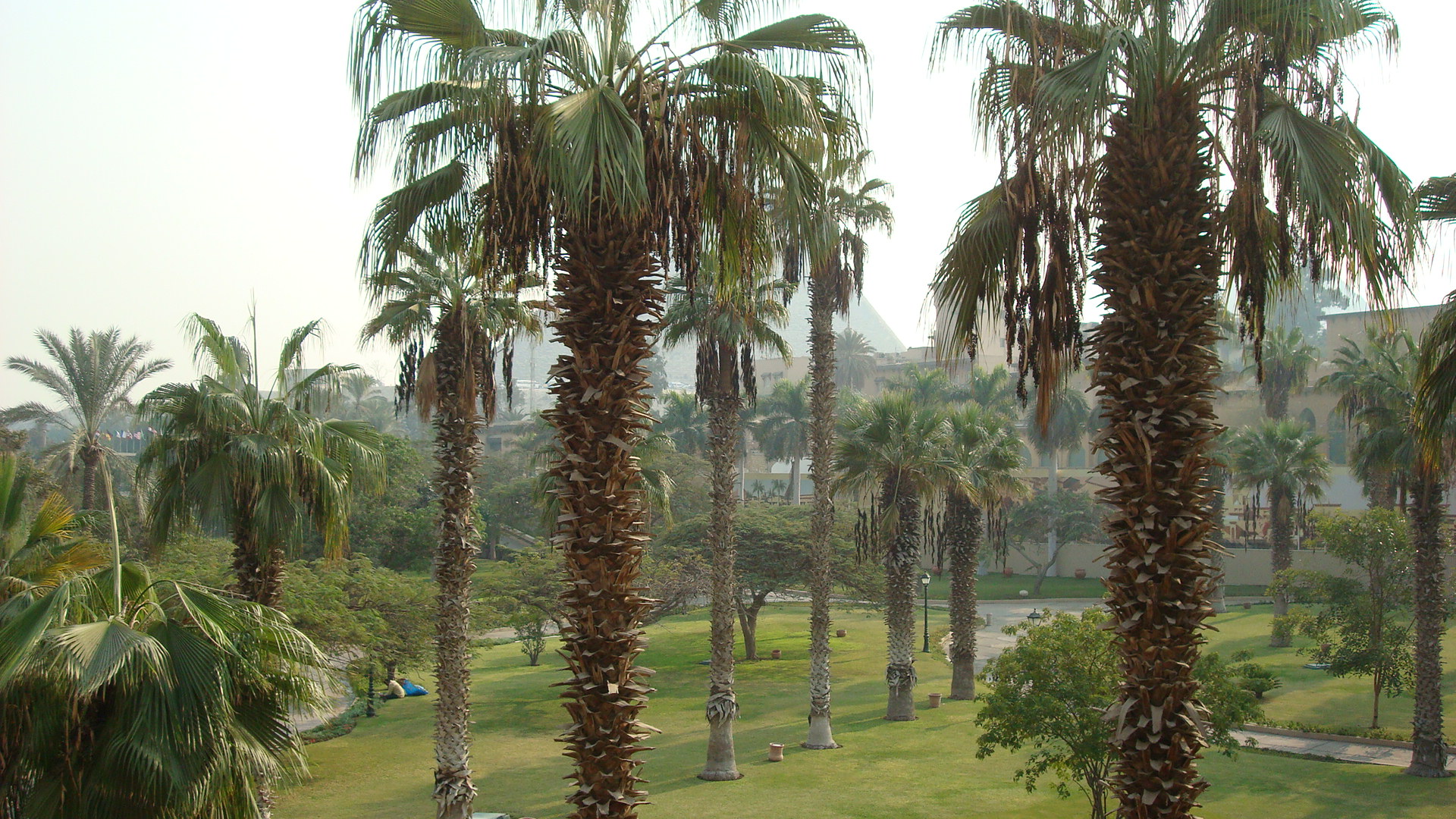
Grounds of the Mena House (with Pyramids in background)

Our first three nights in Cairo were spent at the Mena House Oberoi (built as a palace for the Empress Eugenie when she visited Egypt for the opening of the Suez Canal in 1869). The hotel is directly across the street from the Giza Plateau and the pyramids dominate the skyline.

Antiquities Museum: Our first full day in Cairo was spent in the Egyptian Antiquities Museum. Unfortunately no cameras are allowed in the museum so I don’t have any pictures of it or of the grounds. We saw the treasures of King Tutankhamun along with other amazing pieces. What I found most astonishing about the museum was it’s state of decay. I suppose this makes the museum more charming, but the debris, the dust, the didactic materials in the cases seem to be period pieces as well–information cards typed on typewriters and yellowed with age. We didn’t pay extra to see the mummy room, it just seemed wrong, but I did enjoy the mummified animals–everything from tiny lizards, to birds to gigantic crocodiles were featured along with their coffins.

As we exited the museum, we could see that our driver and tour guide were visibly distressed. They pointed out nearby smoke in the sky coming from Tahrir Square and whisked us out as quickly as possible. En route out of the square,  cars and busses being turned around into oncoming traffic by protestors. We were turned around as well and made it out safely back to the comfort of our hotel, which felt miles away from any problems.

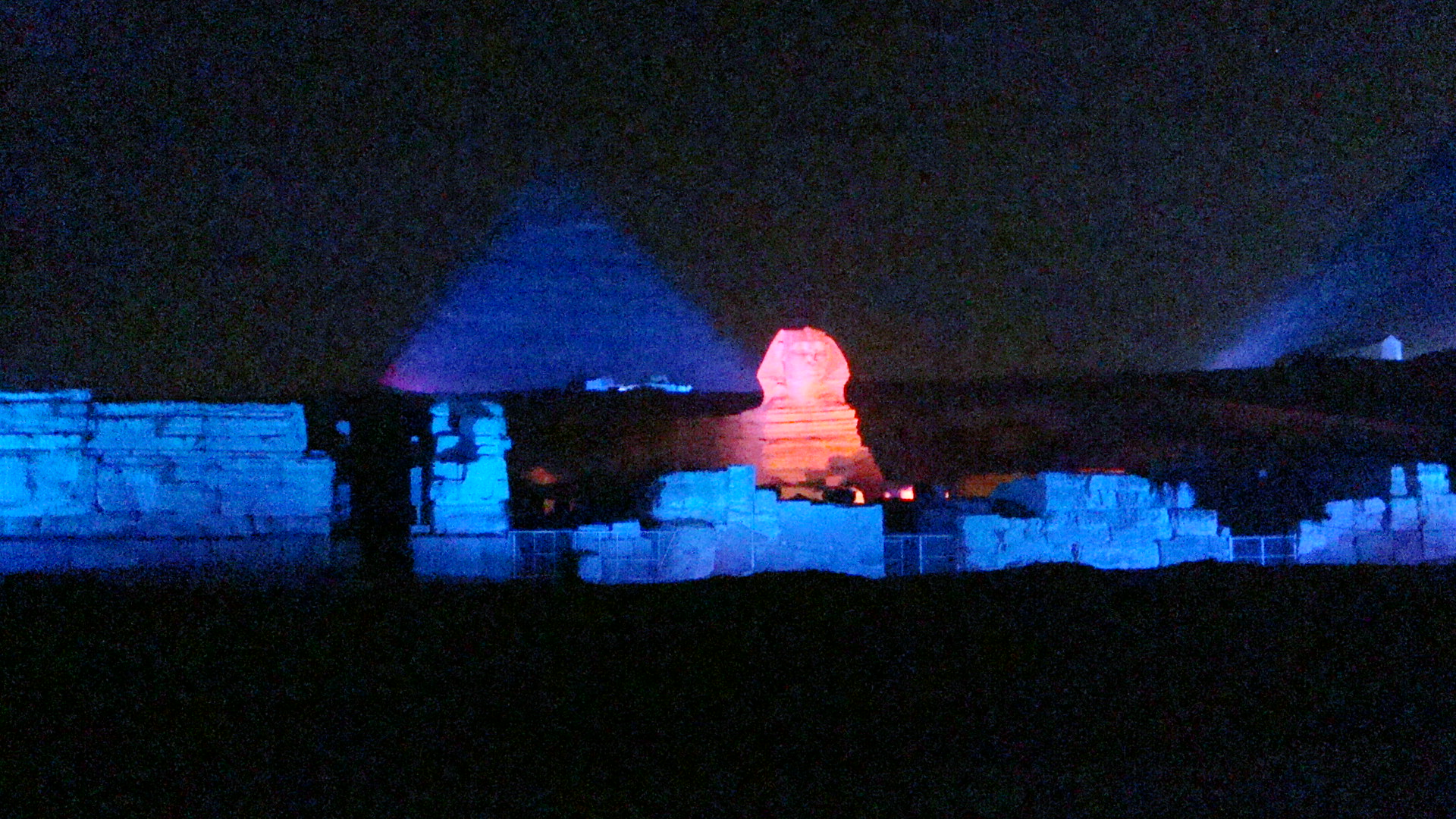
Light & Sound Show: The Light and Sound show is one of those things that tourists just have to do. As cheesy as the show and music are, there’s something to be said about hearing Omar Sharif narrate as the Sphinx in Old English. There was a wild dog, a wadi dog, who stole the show. Before it even began, the dog grabbed a seat pad and started flinging it in the air, just playing with it, and during the show it howled in concert to the music. It made up for the content of the twenty year old program that hasn’t been updated since its inception.

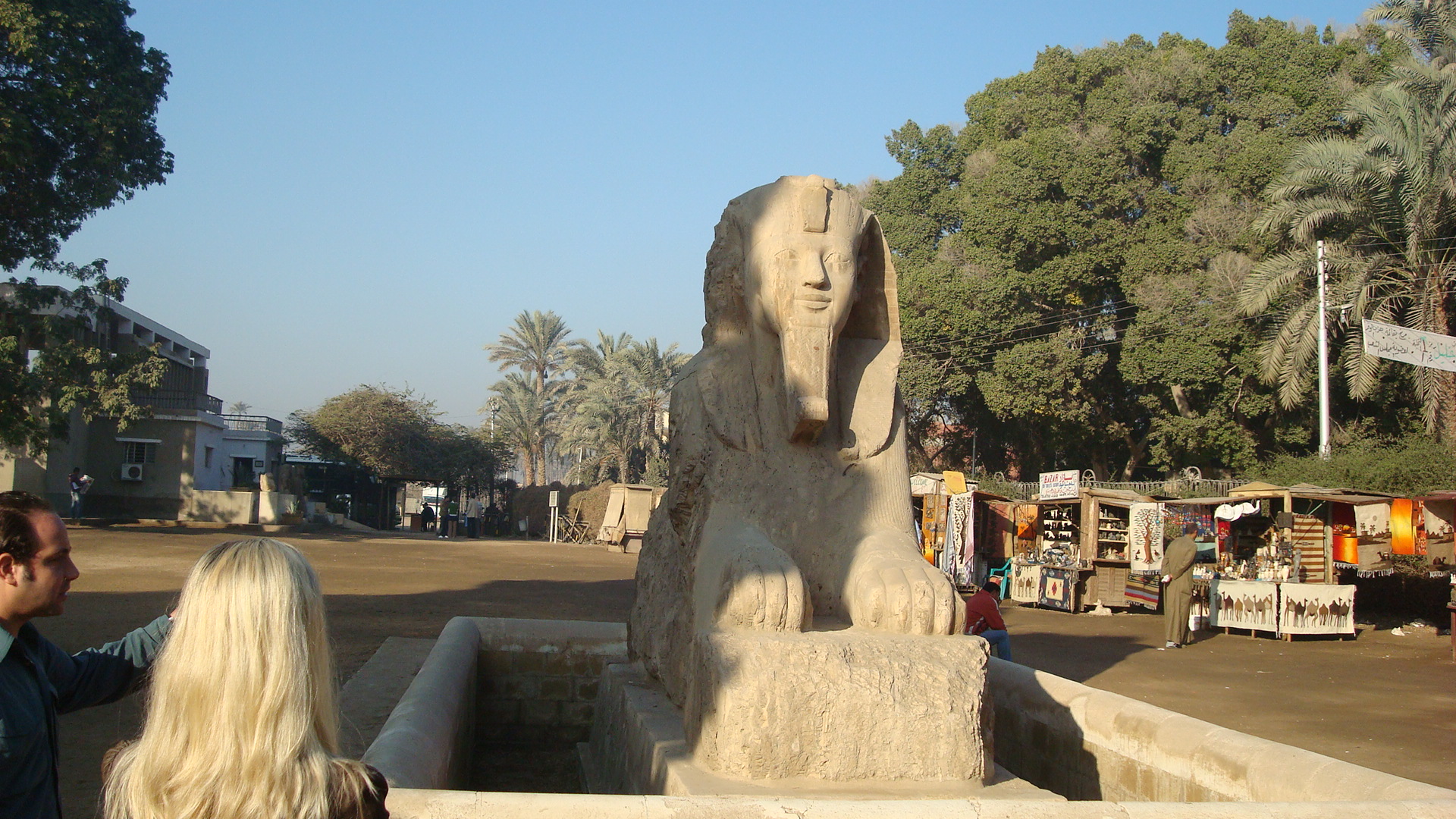
Memphis: This tour started with the remains of Memphis (the capital of the Old Kingdom) in the village of Mit Rahina. The highlight’s of this open air museum included a giant alabaster sphinx and a limestone Colossus of Ramses II, laid supine within a shelter.

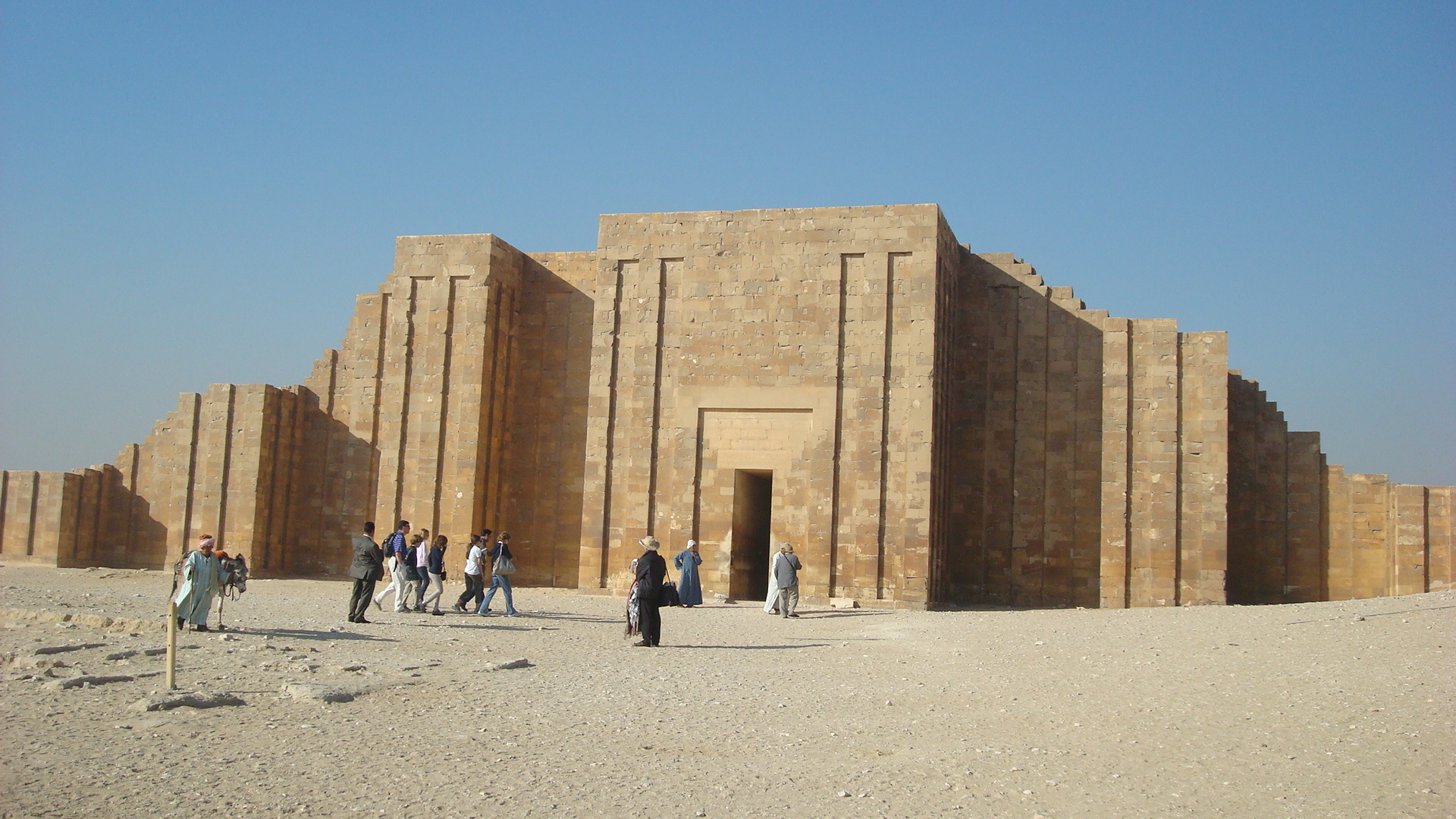
Saqqara: This is where Egypt’s Old Kingdom royalty were buried. The highlight here is Zoser’s funerary complex and the step pyramid, which heralded the start of the Pyramid Age.

Zoser's Funerary Complex

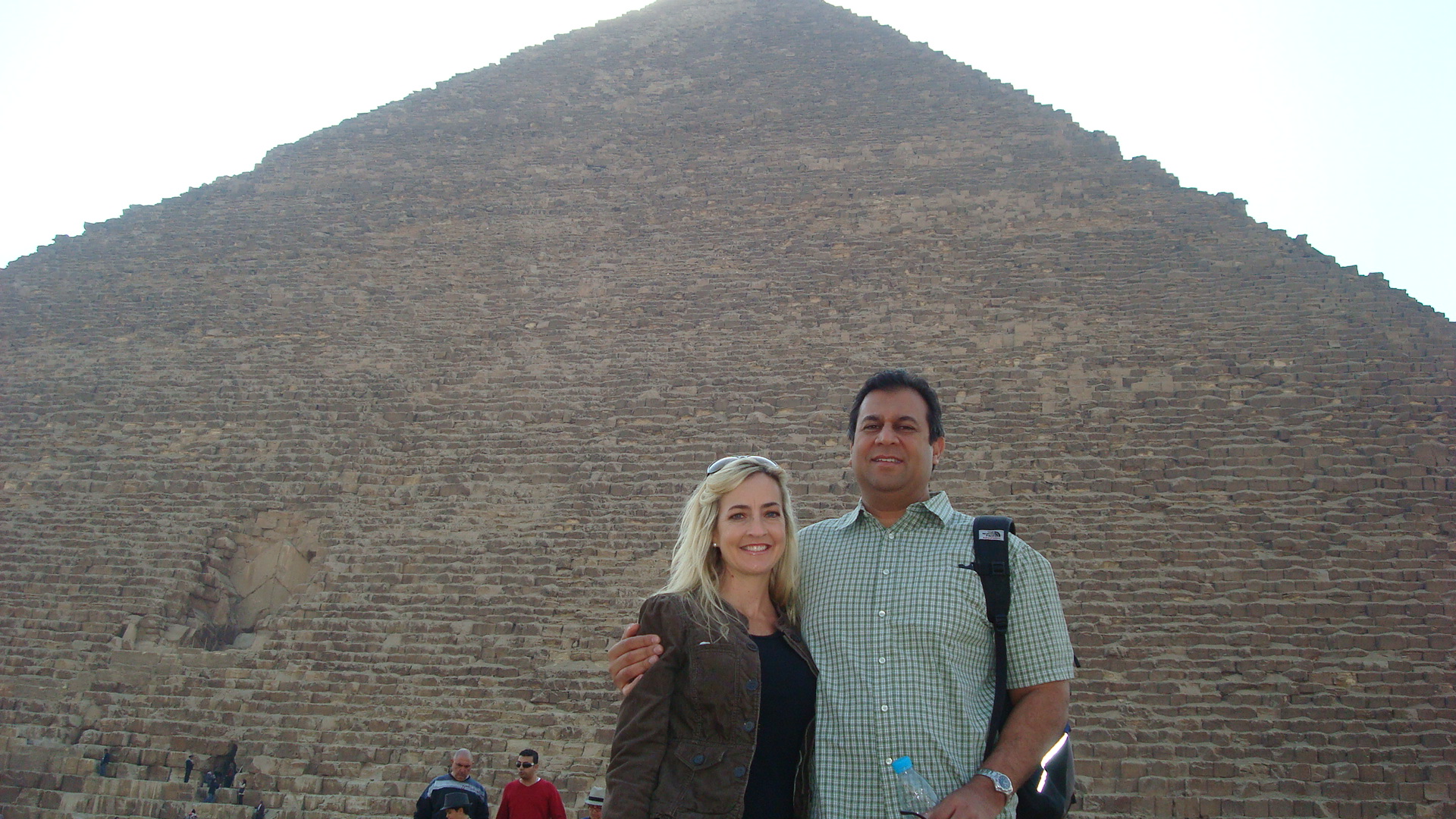
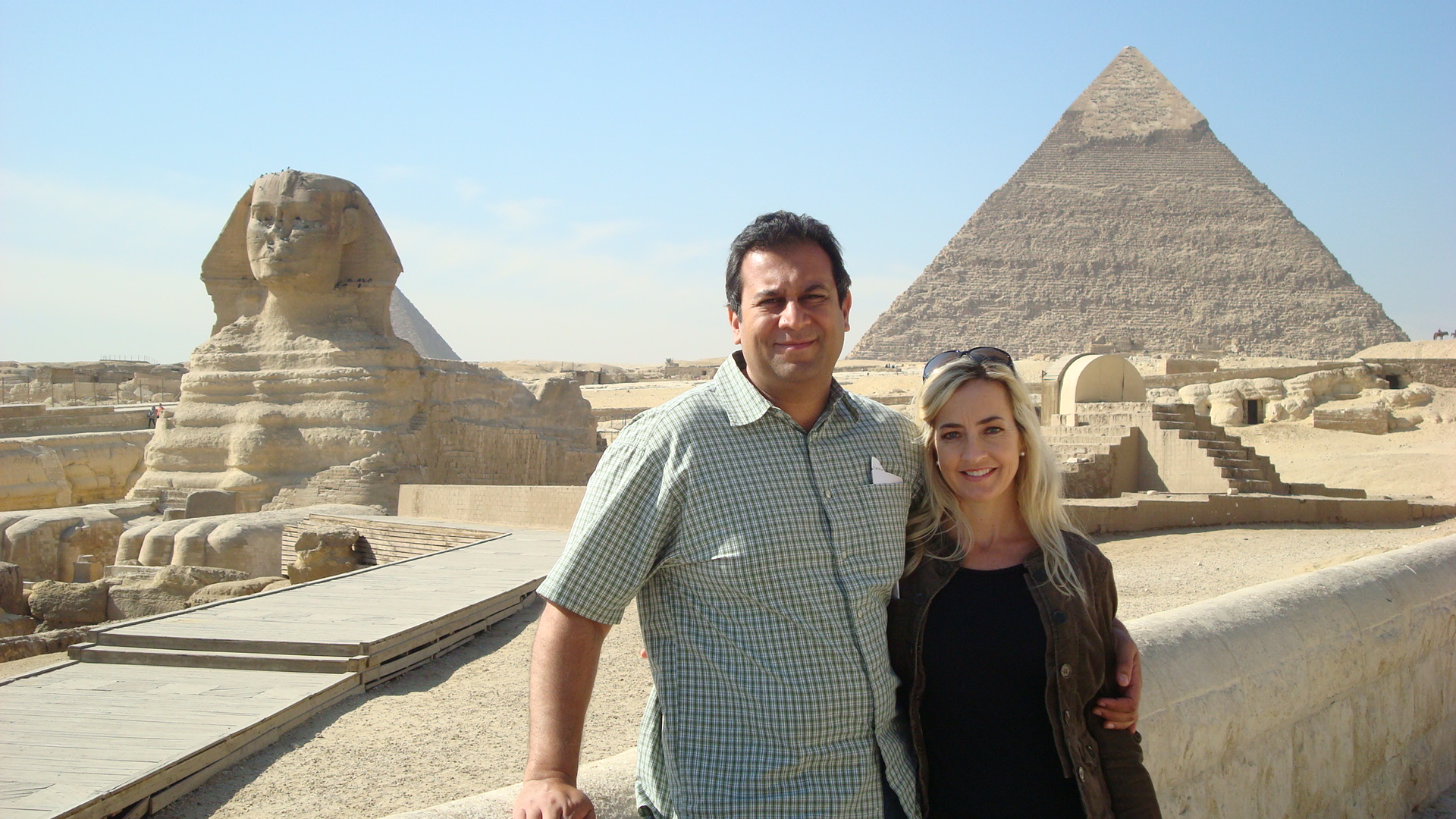
Pyramids of Giza: As our tour guide kept pointing out, we were extremely fortunate to be taking advantage of the lack of tourists because every place was empty. There were throngs of aggressive vendors and camels, but we were able to go into the smallest Pyramid of Menkaure without any lines or hassles.

Entering the Pyramid of Menkaure

This slideshow requires JavaScript.

Locally Sourced Jordanian Olive Oil Factory Tour at Terra Rossa


Finding things to do and places to visit in Jordan on the weekends is becoming more and more tedious as we knock things off the list. We’ve already hit the major tourist sites, scoured the guide-book, and are now left to our own devices and suggestions from others for things to do. Luckily for us, a tour of an olive oil plant was offered so we took advantage of the opportunity. (In case you didn’t know (I didn’t), Jordan is known for its olive oil. Olive trees are everywhere here and are the known as the oldest trees in the world. We often see people collecting olives from the trees in the neighborhoods).

Had we not been part of a caravan to the factory, we would have passed it by, as we’ve already done on numerous occasions. The exterior of the factory is unassuming, like most buildings here, but once we entered, I was surprised to see such a large operation. We went on a brief tour of the factory, sampled a couple different types of olive oil, grabbed a snack, and then bought a few things in the gift shop.

[FYI: The name of the factory is Terra Rossa, or ‘Red Soil,’ named for the indigenous type of red clay soil produced by the weathering of limestone. Compared to most clay soils, terra rossa has good drainage characteristics making it a popular soil type for olive and wine production. The main types of olives used for the production of olive oil in Jordan are Nabali, Improved Nabali, Souri, and Roman.]

The process for olive milling (or pressing) is as follows:

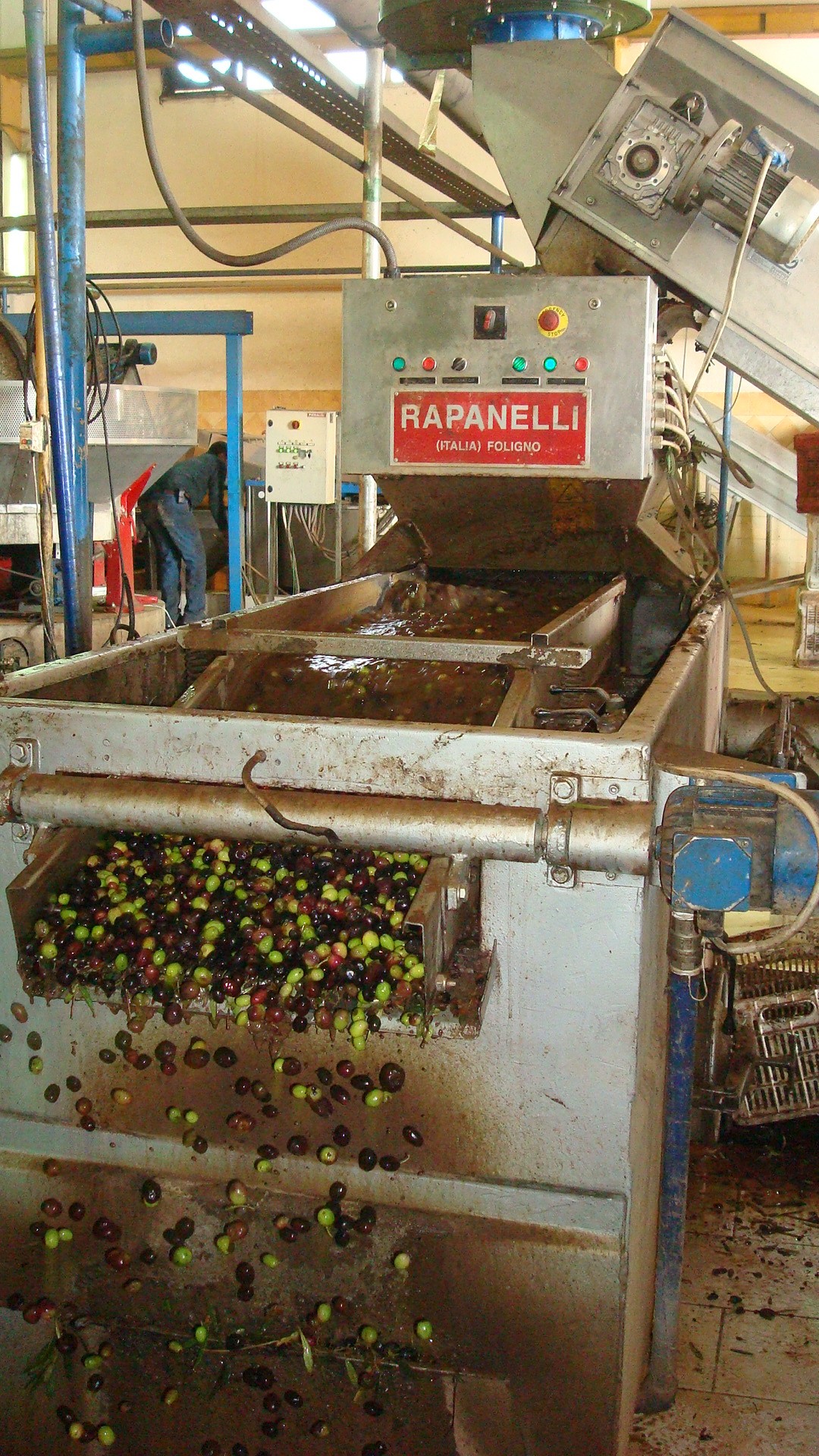
Olives being fed into the machine to be washed
Olives moving up into the machine to be washed
Washing the olives

1. Washing: The first step is to clean the olives, removing stems, leaves, twigs, and other debris left with the olives. 

Grinding the olives with a millstone

2. Crushing: The olives are ground into a paste with a millstone to tear the flesh cells of the olive to facilitate the release of the oil from the olives.

Malaxing the paste

3. Malaxing: Mixing the crushed olive paste.

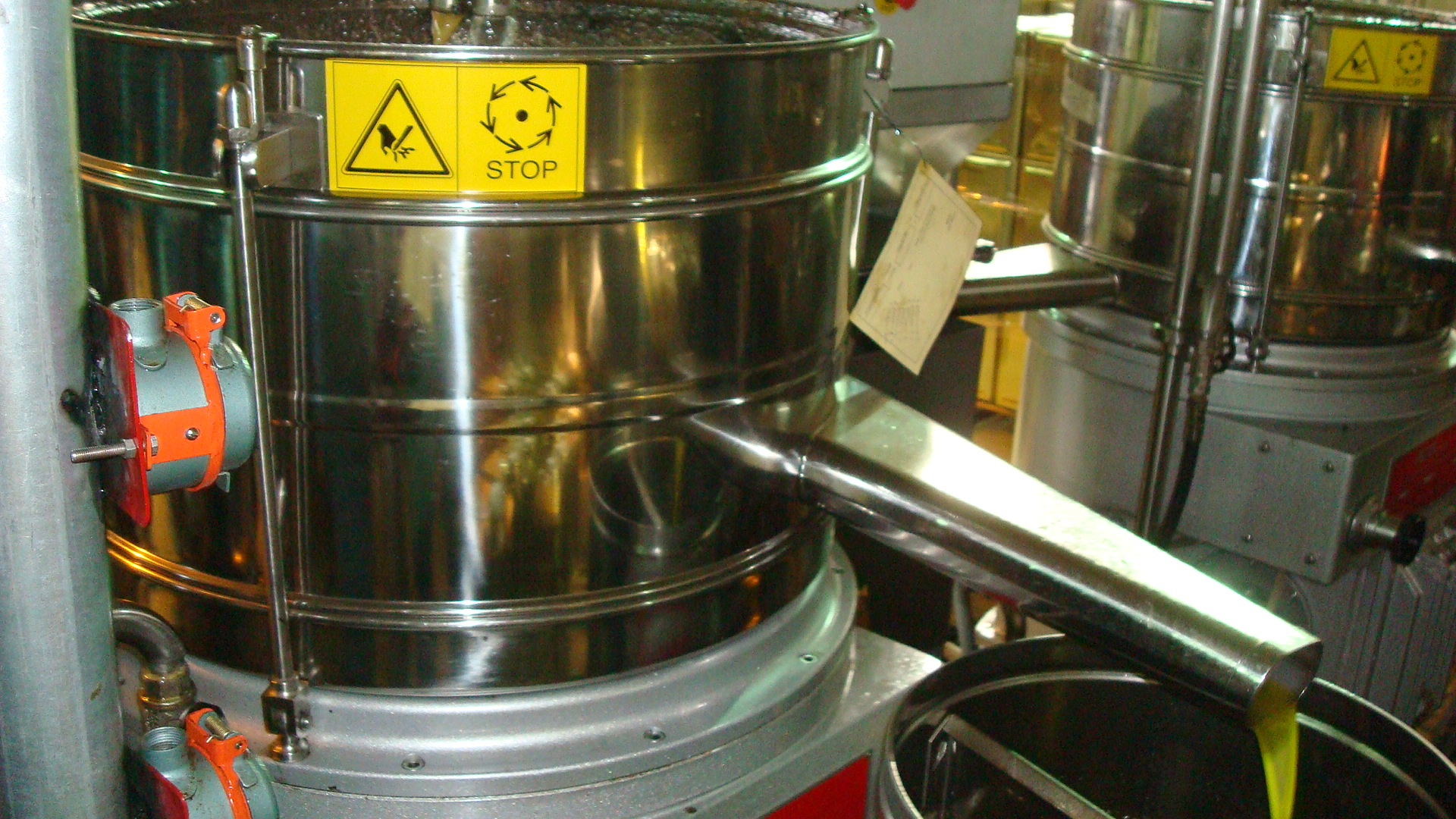
Separating the oil from the vegetable water and solid


4. Separation of oil from vegetable water and solid (done through centrifugation)

Huge canisters of olive oil ready for delivery
Olive pomace, the waste product of the industry (but it can be used for cooking if and heating if it's made into briquette logs.)
In front of an old millstone

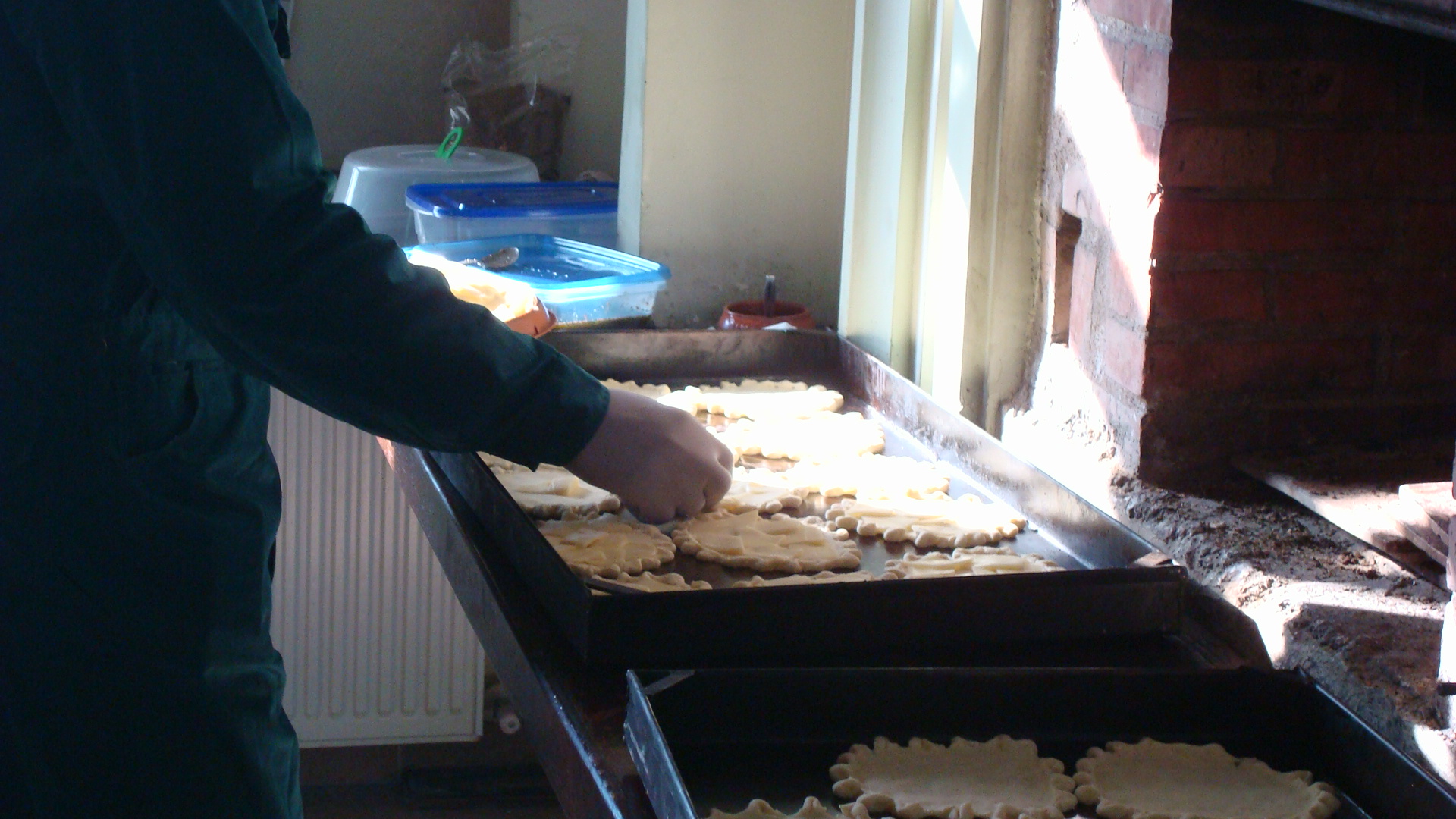
After the tour we tasted a couple of olive oil samples and then were treated to manaeesh (dough topped with za’atar (thyme with sesame seeds and olive oil) or cheese), which were cooked over an open fire of olive pomace logs.

Preparing manaeesh

After our snack and tea, we made it to the gift shop to purchase a few bottles of sinolea olive oil and a couple of terra-cotta serving bowls to accompany the oil. I haven’t tried cooking with this gold standard of olive oil (and we’ll have to keep it in the food safe with our honey from Yemen), but I’ll let you know if I can detect any difference and if it’s worth it.  🙂

Store shelves lined in oils
The purchases...

[FYI: Sinolea is a method used to extract oil from the olives. Extra virgin olive oil extracted from this method is said to be the “flower of the oil” as there is minimal interference in the extraction of the oil because no heat is applied. In this method of extraction, polyphenols (the good for you stuff in EVOO) are concentrated 3X more than in regular EVOO.]

Homemade Membrillo or Quince Paste


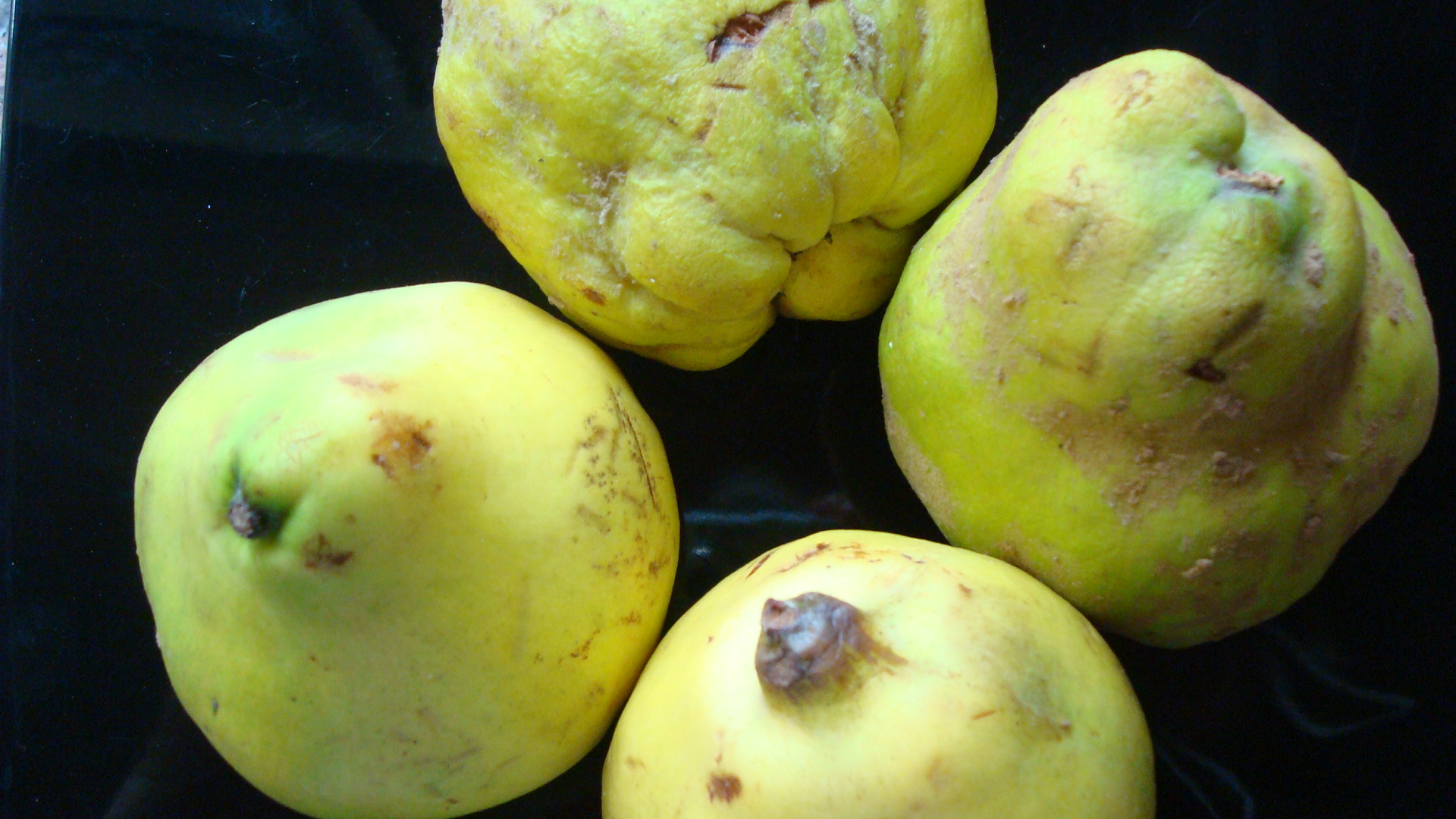
While scouring grocery stores last week in search of pumpkin puree and figs (to make jam, but I’m too late; they’re gone), I came across quinces. Had these quinces not been labeled, I would have walked right past them, as I’m oft to do with some of the other exotic and puzzling produce that I come across. My only familiarity to quince is from membrillo, or quince paste, which often accompanies cheese boards. I love membrillo and have bought it from gourmet grocery stores, but it’s extremely expensive for a small container. I had no idea how to make quince paste from these large, lumpy, and furry massive fruits, but figured I’d find a recipe online.

I bought four quinces, figuring that would be enough to make something and headed home to my computer. I found hundreds of recipes, all slightly different. Some called for peeling, then poaching the fruit, while others recommended roasting it. From what I read, the fruit is quite worthless unless you cook it first. I opted for the roasting method, hoping to avoid the peeling step, and modified a recipe from Gourmet (January, 1998). 

My only alteration to the recipe below is that in step six, you wait until the liquid has turned a deep reddish hue. My quince paste is a little on the pinkish side as opposed to the deep, dark red that it should be. Regardless of the color, it tastes fantastic and was a hit at our Thanksgiving.

In addition to finding lots of recipes, I also found the history of quinces interesting. Here’s a snippet of quince trivia, which might come in hand if you’re ever playing the game Foodie Fight.

http://stores.renstore.com/-strse-template/0810a/Page.bok

INGREDIENTS

4 medium quinces (about 2 pounds total)
1/4 to 1/2 cup water
2 to 3 cups sugar

DIRECTIONS

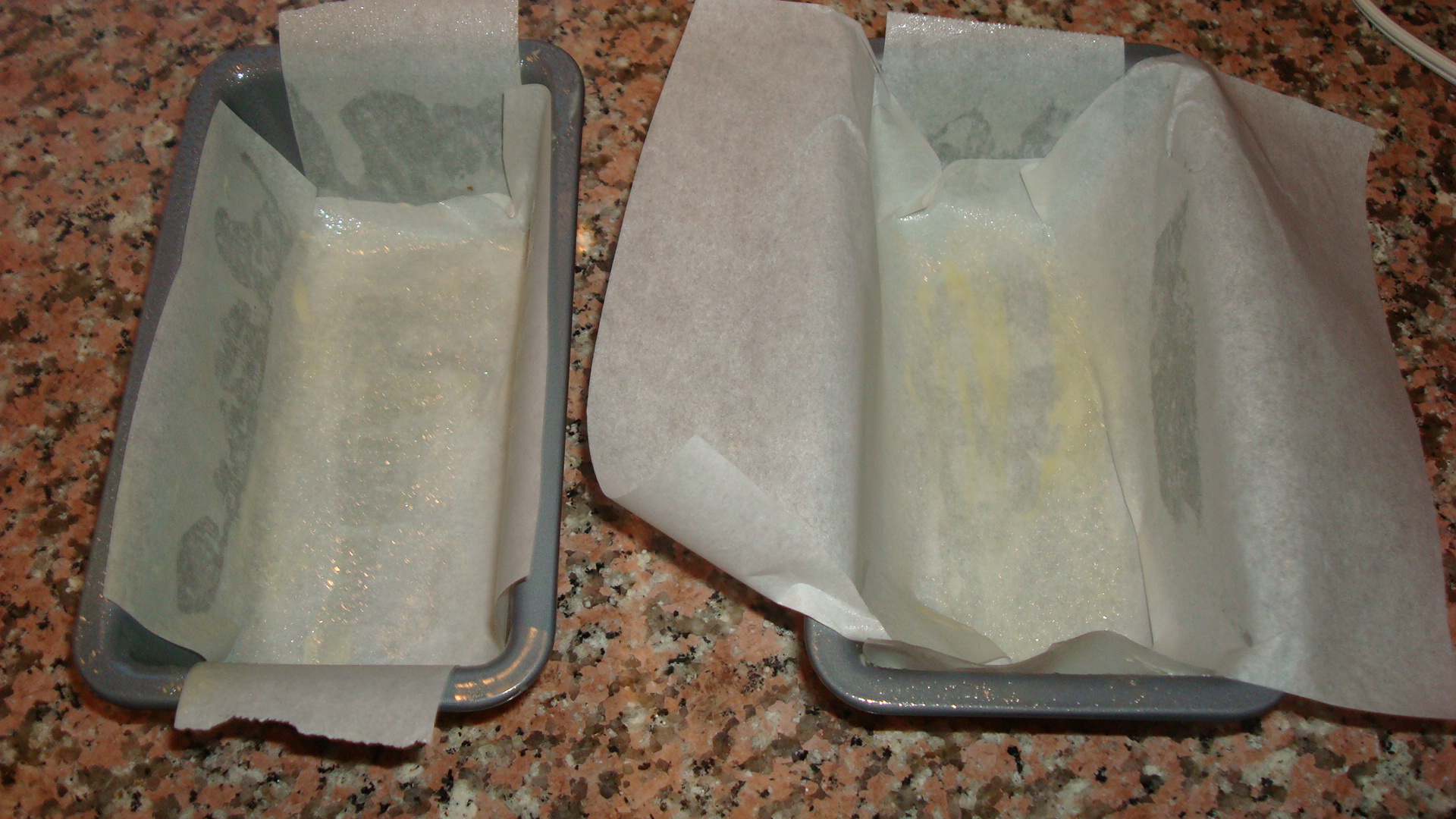
1. Preheat oven to 350°F and lightly oil a 1-quart terrine and line with buttered parchment. (I used a mini loaf pan instead.)

Mini loaf as a terrine (I only needed one)

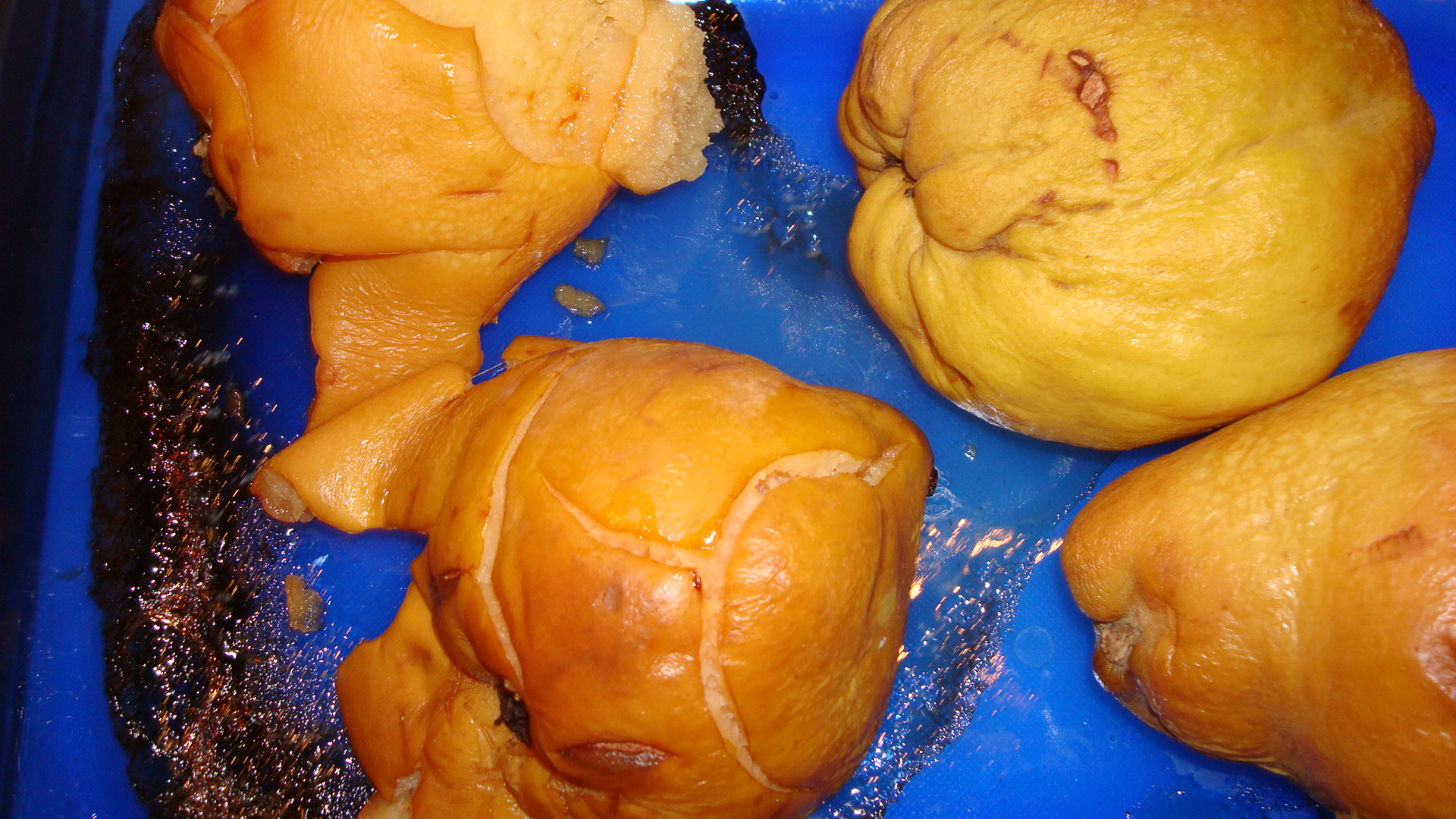
2. Scrub quinces and pat dry. (My quinces had a strange, furry coating that I rubbed off). In a small roasting pan bake quinces, covered with foil, in middle of oven until tender, about 2 hours, and transfer pan to a rack.

After quinces have roasted

3. When quinces are cool enough to handle, with a sharp knife peel, quarter, and core them.
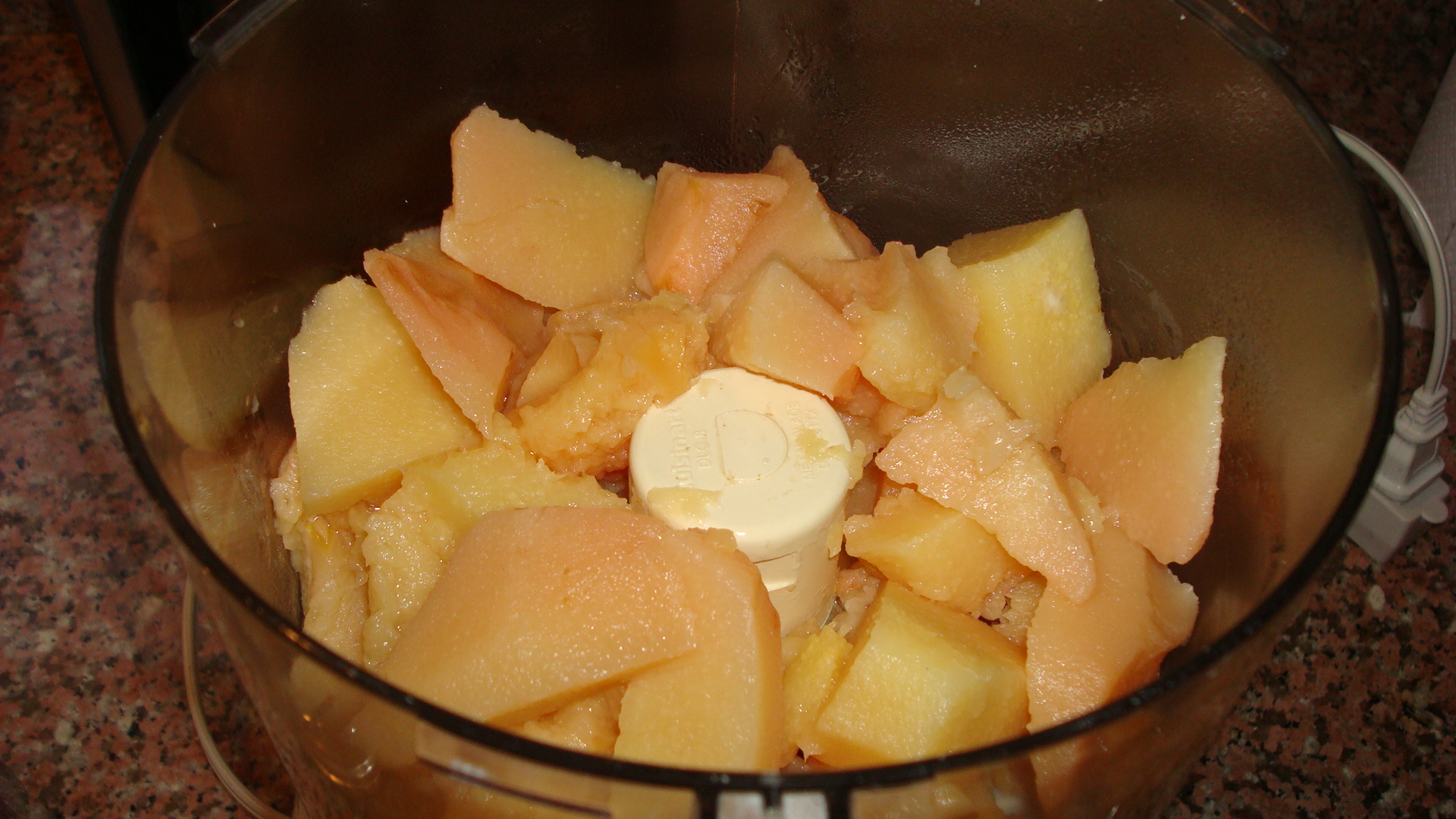
4. In a food processor puree pulp with 1/4 cup water until smooth (if mixture is too thick, add remaining 1/4 cup water a little at a time, as needed). Force puree through a large fine sieve or cheese cloth into a liquid cup measure and measure amount of puree.

Into the food processor

5. Transfer puree to a 3-quart heavy saucepan and add an equivalent amount of sugar.

I ended up adding 2 cups of sugar

6. Preheat the oven to 200 degrees. Cook quince puree over moderate heat, stirring constantly, until it is thickened and begins to pull away from side of pan, about 25 minutes. (Keep stirring until the liquid has turned a deep reddish color).

I should have waited until the color was a deeper reddish

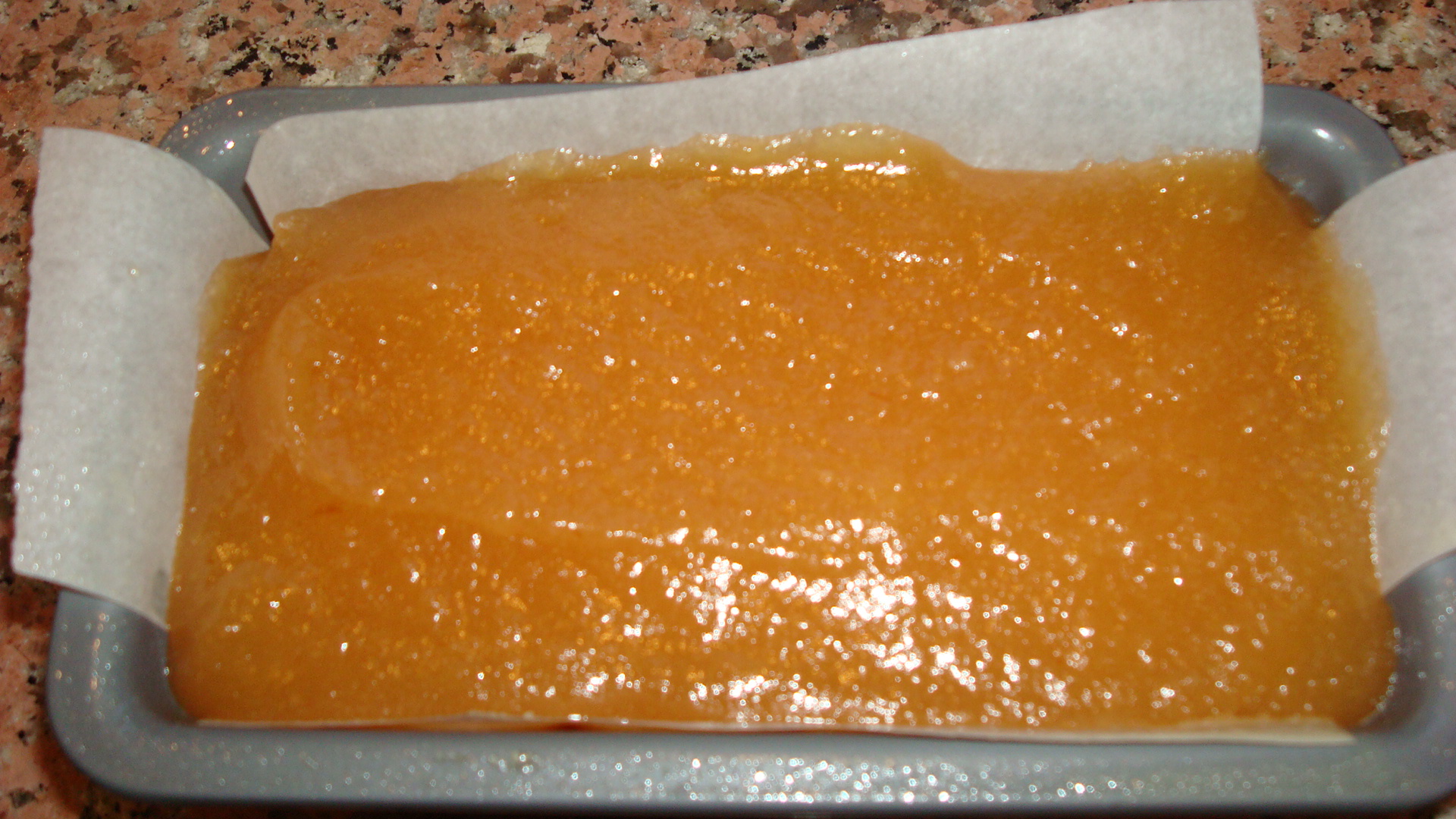
7. Pour puree into terrine, smoothing top with an offset spatula. Place in the oven for 1 hour and 30 minutes to further dry the quince paste. Cool and chill puree, loosely covered with plastic wrap, until set, about 4 hours.

Paste in the terrine

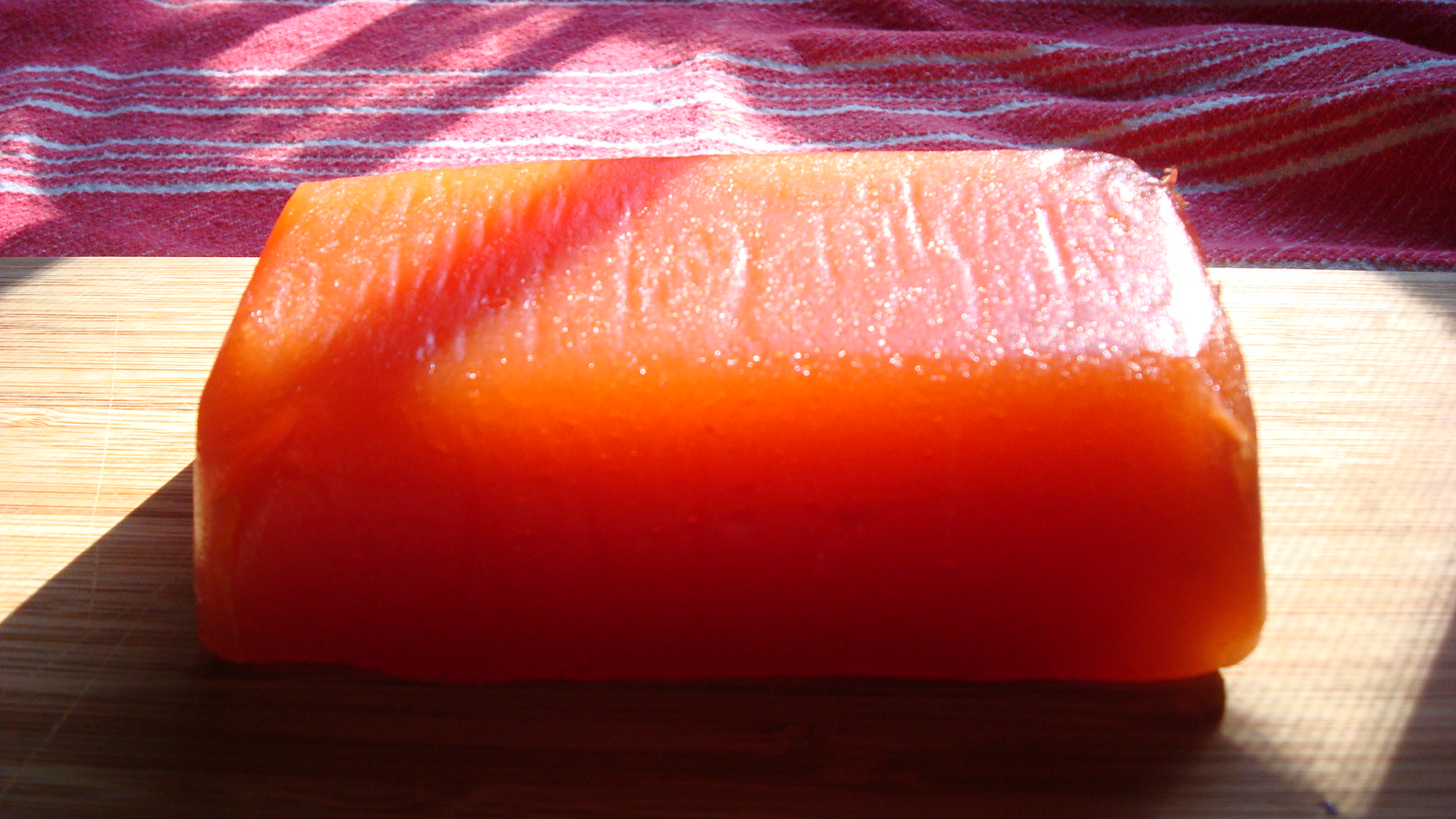
8. Run a thin knife around sides of terrine and invert quince paste onto a platter. (Quince paste keeps, wrapped well in wax paper and then plastic wrap and chilled, 3 months–I’ve also read that it keeps indefinitely. The sugar works as a preservative).

After 4 hours in the refrigerator
Finished product

9. Slice paste and serve with cheese and crackers.

The cheese board
Served with homemade crackers

Makes about 2 1/4 pounds quince paste.

Fall Baking, Part II: Pumpkin Walnut, Chocolate Bread


Pumpkin bread, like banana bread, is one of the simplest and least fussy recipes I know. You basically ‘dump’ and mix all of the ingredients together in a bowl, place the loaf pan in the oven, and an hour or so later, you’re treated to a delicious smelling kitchen and a rich and spicy piece of heaven. However, when you’re in Jordan (and let’s not forget there’s always a snag or else this blog wouldn’t exist) finding canned pumpkin puree (even during the Thanksgiving season!) is near to impossible.
[Note: I’m sure some random person will comment that they’ve found it at such and such a place, but I’m telling you, I’ve now been to THREE large grocery stores in the area and cannot find it ANYWHERE!]
Lucky for me though (and Raj), I planned ahead in the event something like this were to occur–I packed (way back in April) one 28 ounce can of leftover pumpkin puree. Knowing now that I cannot find canned pumpkin anywhere else, pumpkin pie is off the Thanksgiving menu this year. I need to save the remaining leftover from the can for the next (and sadly) last pumpkin loaf we will eat this fall.
[This recipe is modified from The Art and Soul of Baking, by Cindy Mushet]
Makes 1 loaf
Ingredients:
  • 2 cups unbleached all-purpose flour
  • 3/4 tsp baking soda
  • 1/2 teaspoon ground cinnamon
  • 1/4 tsp. allspice
  • 1/4 tsp. ground cloves
  • 1/4 tsp. ground ginger
  • 1/4 tsp. salt
  • 2 large eggs at room temperature
  • 1/3 cup water
  • 1 1/2 cups sugar
  • 1 cup canned pumpkin puree
  • 1/2 cup canola oil
  • 1 tsp. pure vanilla extract
  • 1 cup chopped toasted walnuts
  • 1/2 cup semi-sweet chocolate chips
Directions:
1. Preheat oven to 350 degrees and position rack in the center. Lightly coat a 9-by 5-inch loaf pan with Pam or other oil spray. In a large bowl, whisk together the flour, baking soda, cinnamon, allspice, cloves, ginger, and salt until thoroughly blended. In a medium bowl, whisk together the eggs and water. Add the sugar and blend well. Add the pumpkin puree, canola oil, and vanilla extract and blend well.

2. Add the pumpkin mixture to the dry ingredients and whisk until blended and smooth. Add the walnuts and chocolate chips until they are evenly distributed. Use a spatula to scrape the batter into the prepared loaf pan and level the top.

3. Bake for 55 to 65 minutes, until the bread is firm to the touch and a toothpick inserted into the center comes out clean. Transfer to a rack to cool completely.

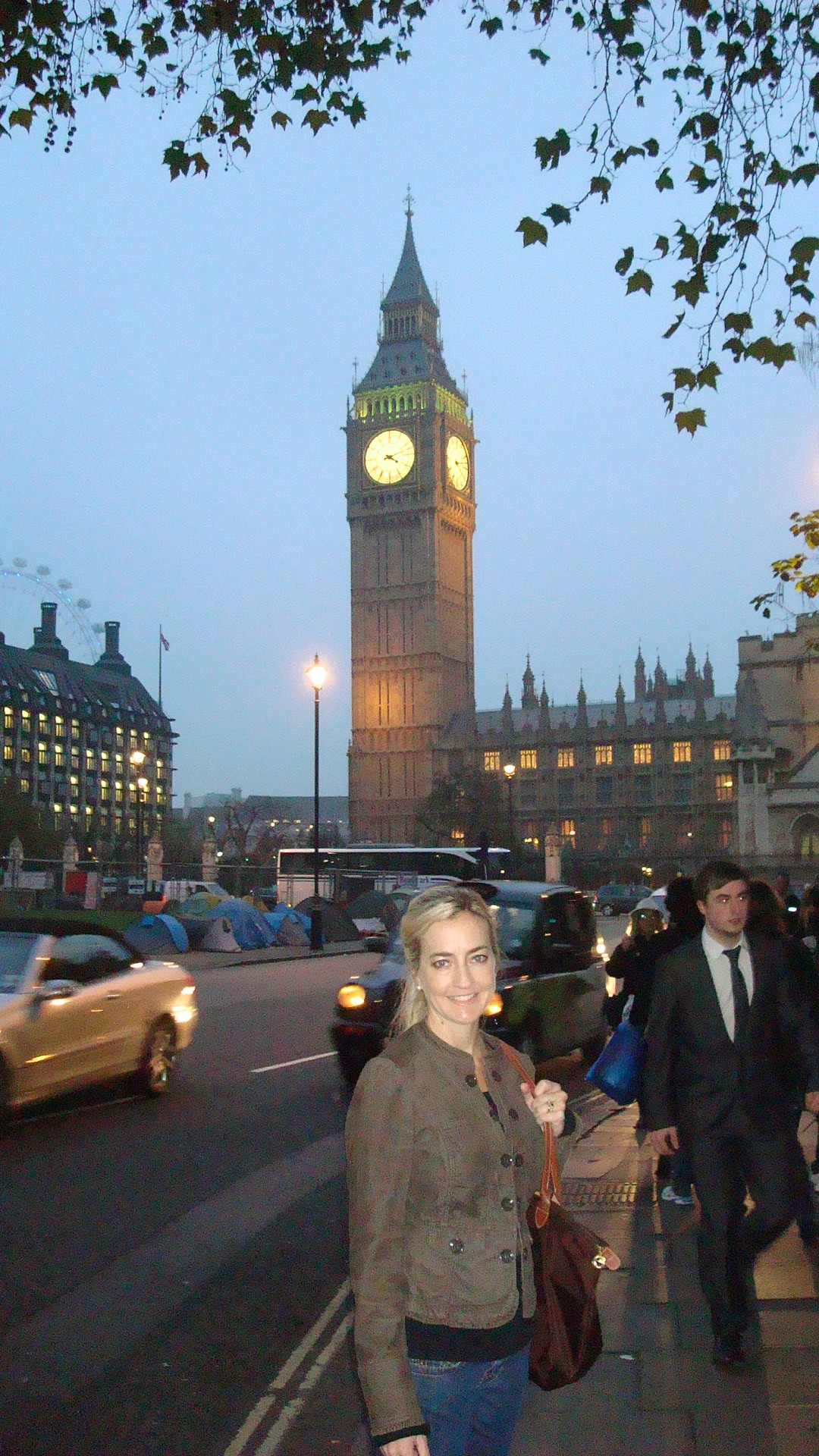
Returning to Jordan by Bribe of London


Washington Monument

Returning to Jordan from DC is akin to returning to school after summer break–it’s painful, traumatic, and the last few days of ‘summer’ are ruined from the impending doom on the horizon. To Raj’s credit, he anticipated a case of the ‘Jordan Blues’ and planned a two night layover in London in hopes of counteracting my mood. (Smart man; it worked, at least temporarily.)

We had a great three weeks in Old Town, Alexandria. Reintegration into American culture took all of one second as we were greeted with smiling faces and people driving in an orderly fashion. The highlights of the trip included:

  • running OUTSIDE, along the Potomac River
  • going to yoga EVERYDAY
  • walking about town, wearing whatever I pleased
  • shopping at my favorite stores
  • eating at Cheesetique, multiple times
  • getting my hair done by my favorite stylist
  • eating Greek yogurt
  • seeing friends
  • catching up on all of my favorite TV shows
  • and much, much more…
View from National Gallery

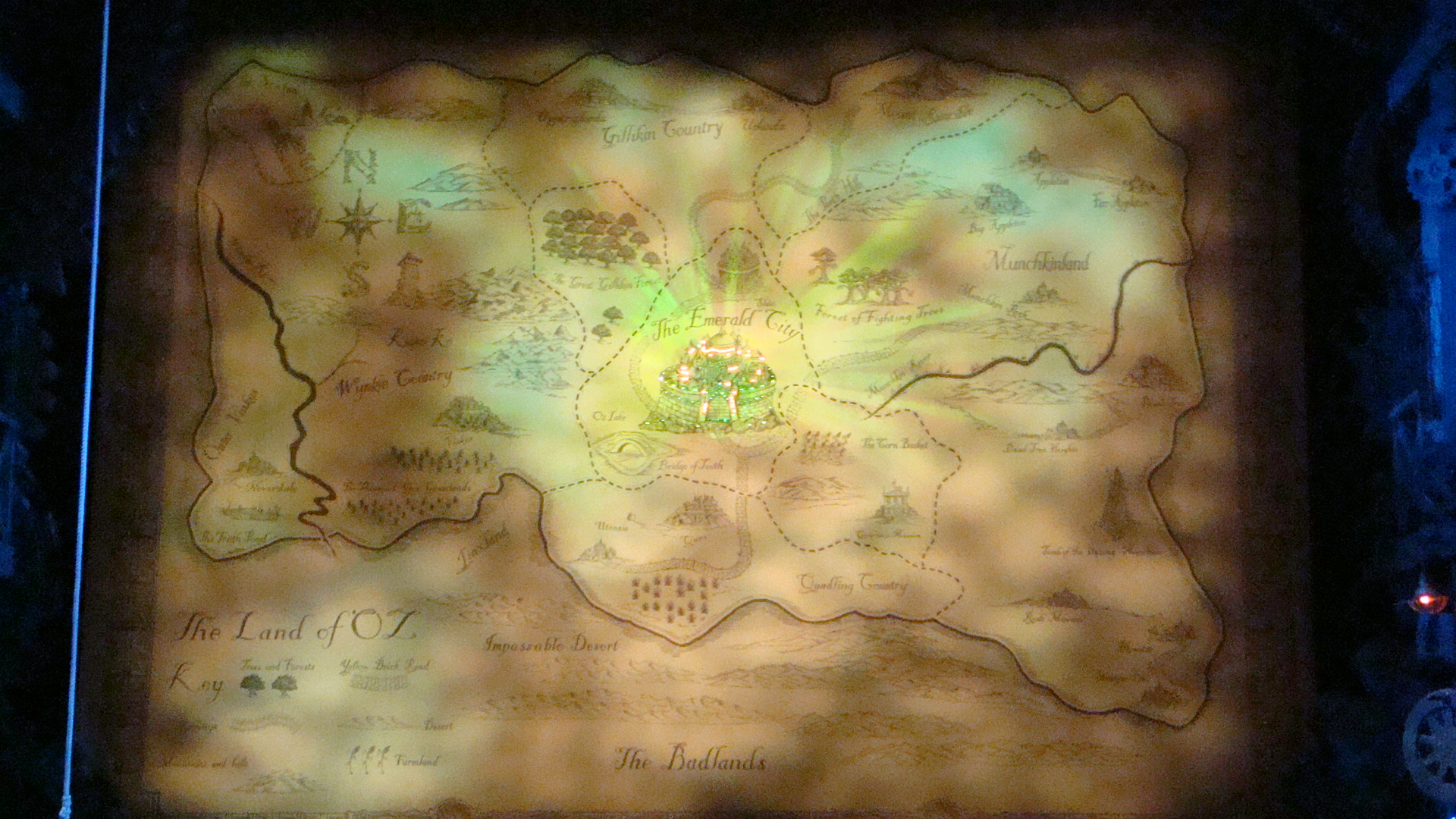
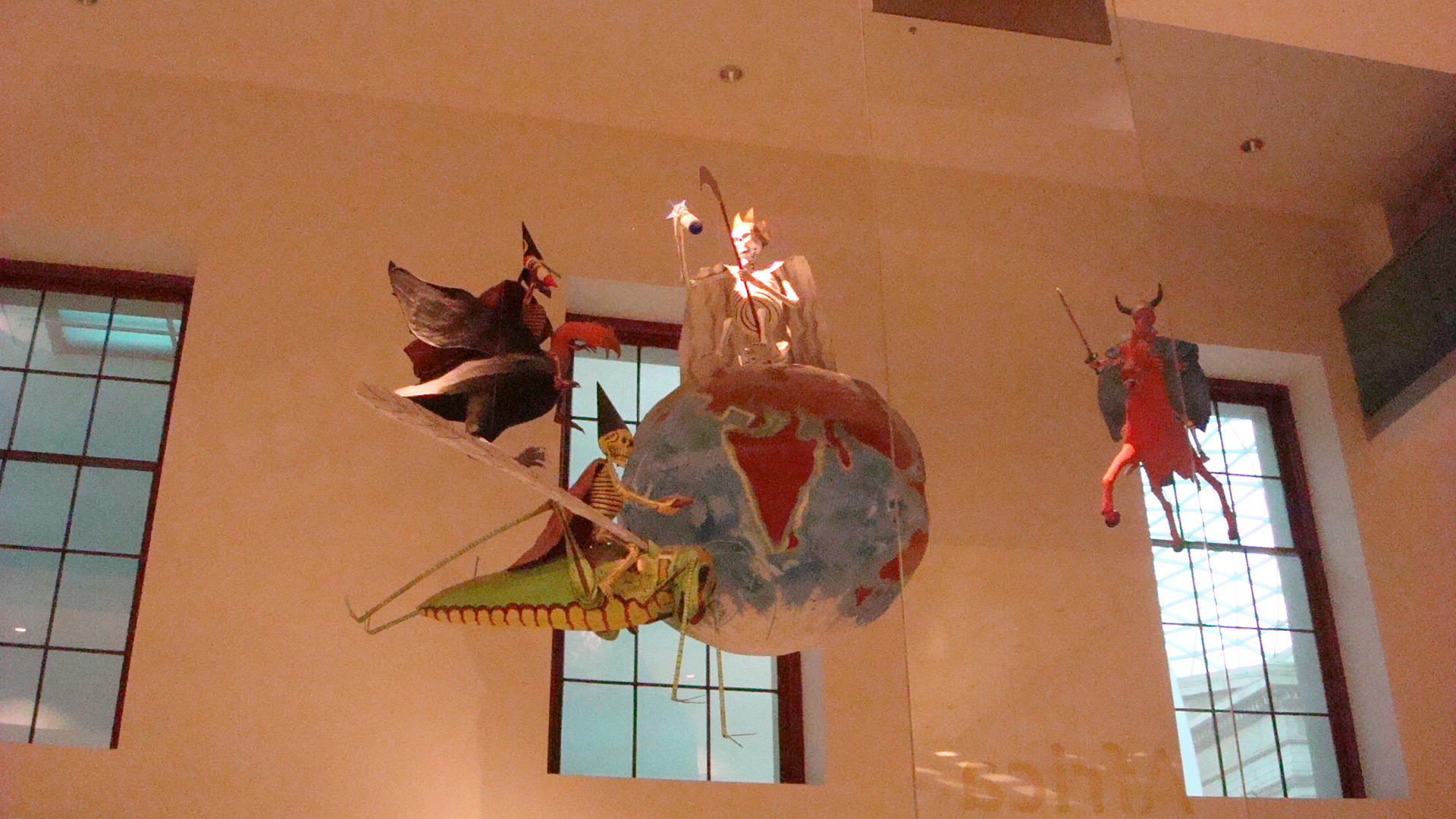
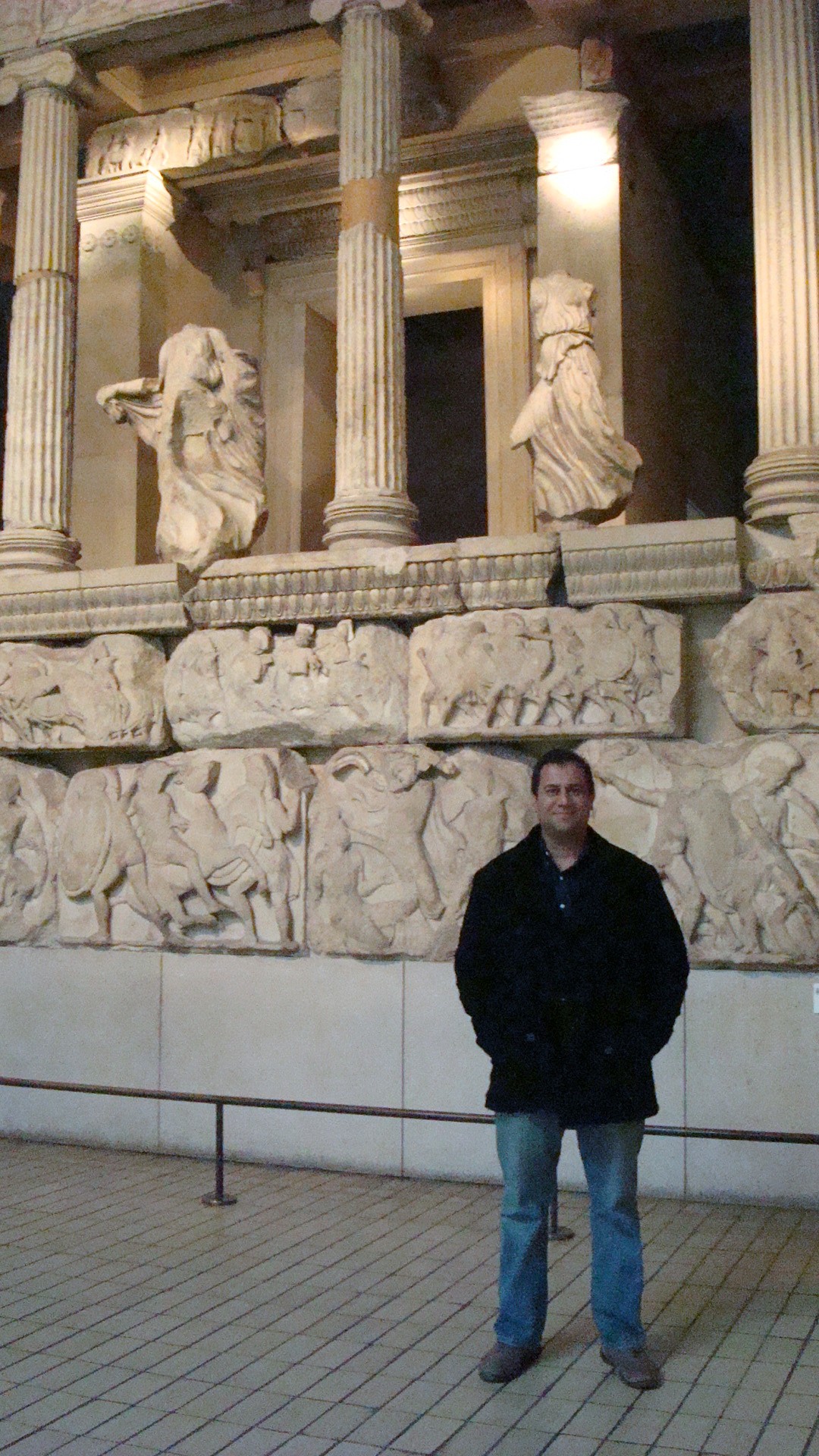
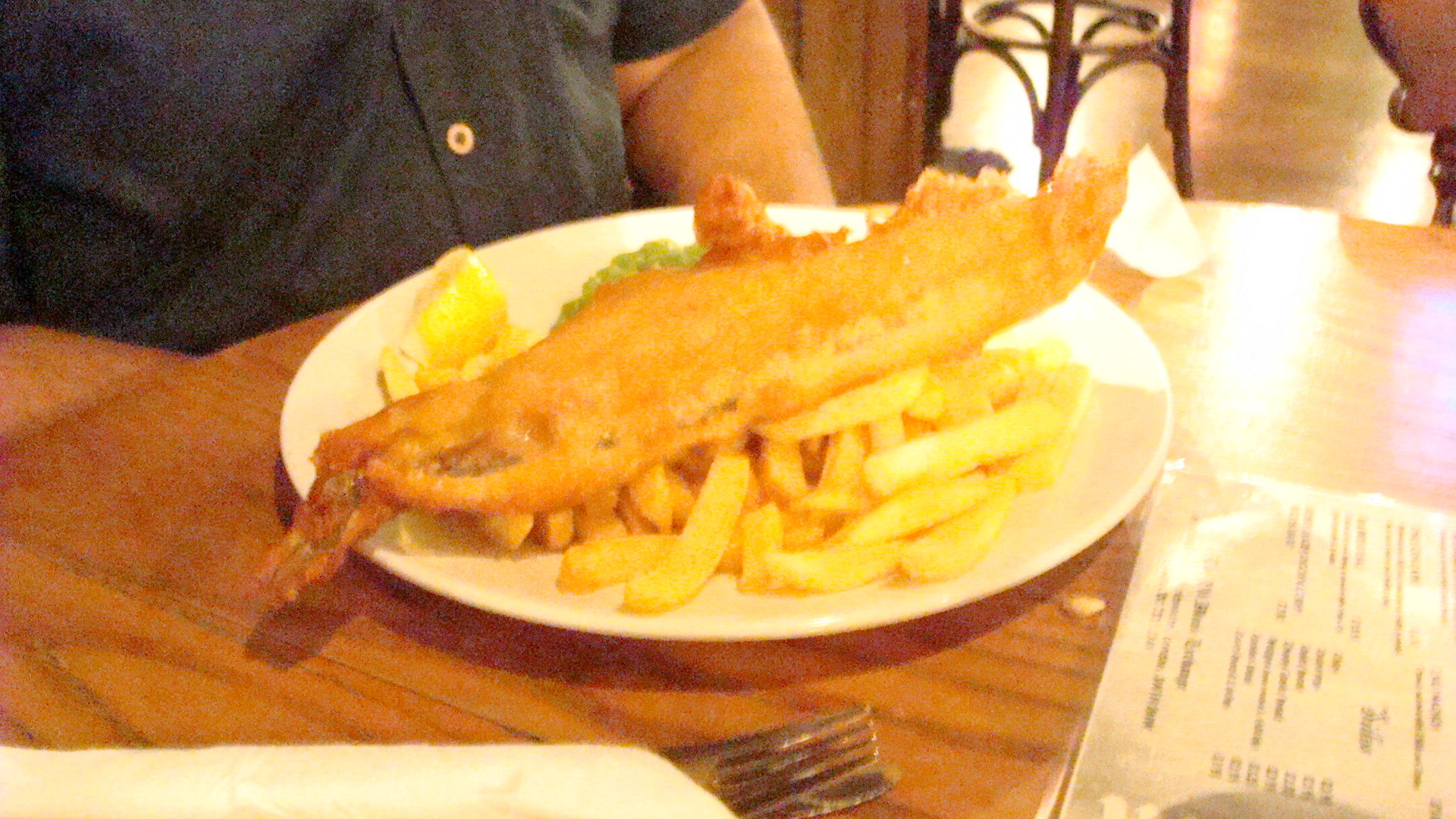
London was fun, despite my trepidation of returning. We enjoyed an afternoon at the National Gallery followed by one of the two things Raj had requested: fish and chips for dinner on the first night and Indian food on the second. The second day we spent at the British Museum followed by a stroll through Harrods. After working up an appetite from all of the walking, Raj was on a mission to find an Indian restaurant to make up for the terrible meal the night before. On a doorman’s recommendation, we headed to Victoria station. We got out of the station across the street from the Apollo Victoria Theatre and saw signs for Wicked. Raj, continuing on with his quest to make me forget where we would be heading to soon, spontaneously inquired about tickets for that evening’s show. We bought tickets and headed out to find the Indian restaurant. Dinner was terrible, but it didn’t matter; Raj got his fix. Wicked was great, as were our seats.

We landed back to Jordan on Thursday evening, attended the Marine Ball on Friday, and now I’m prepping up for a Thanksgiving feast, Jordan style, this week. I’ve promised Raj that I’ll try to be more positive and that I’ll post more than once a month now that I’m no longer ‘working.’

Feynan Ecolodge, a Respite from City Life


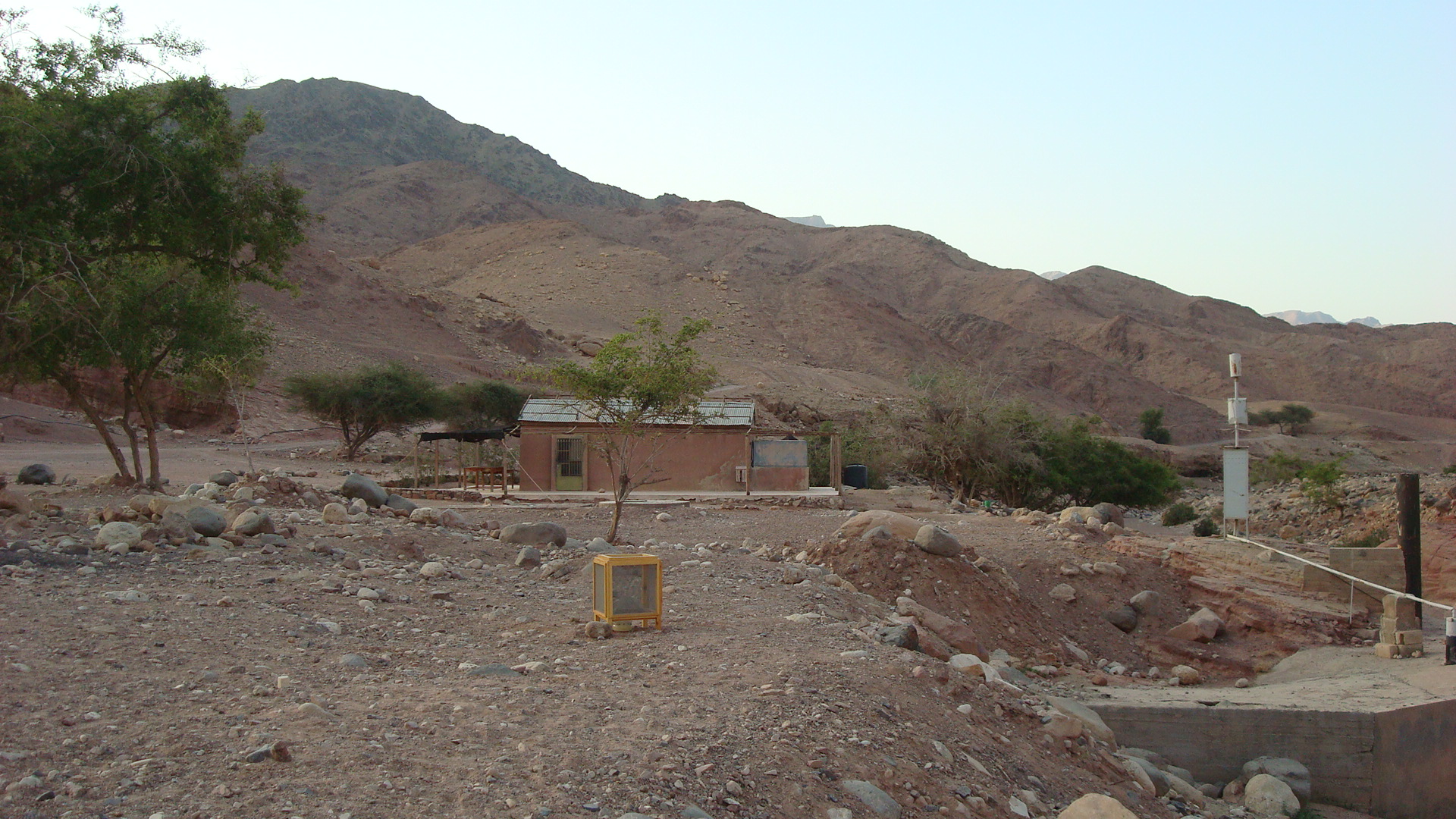
I came across Feynan Lodge over a year ago when I was still living in the States. I happened upon it from a random Google search while I was researching Jordan. Feynan popped up as one of National Geographic’s top 50 Ecolodges in the World, a place unlike any other here in Jordan. This was one of the few interesting things that I found in anticipation of our move. This “wilderness lodge” is located in Dana Nature Reserve (run by the Royal Society for the Conservation of Nature (RSNC), the same society who operates Wild Jordan (the organic restaurant that I love downtown)).

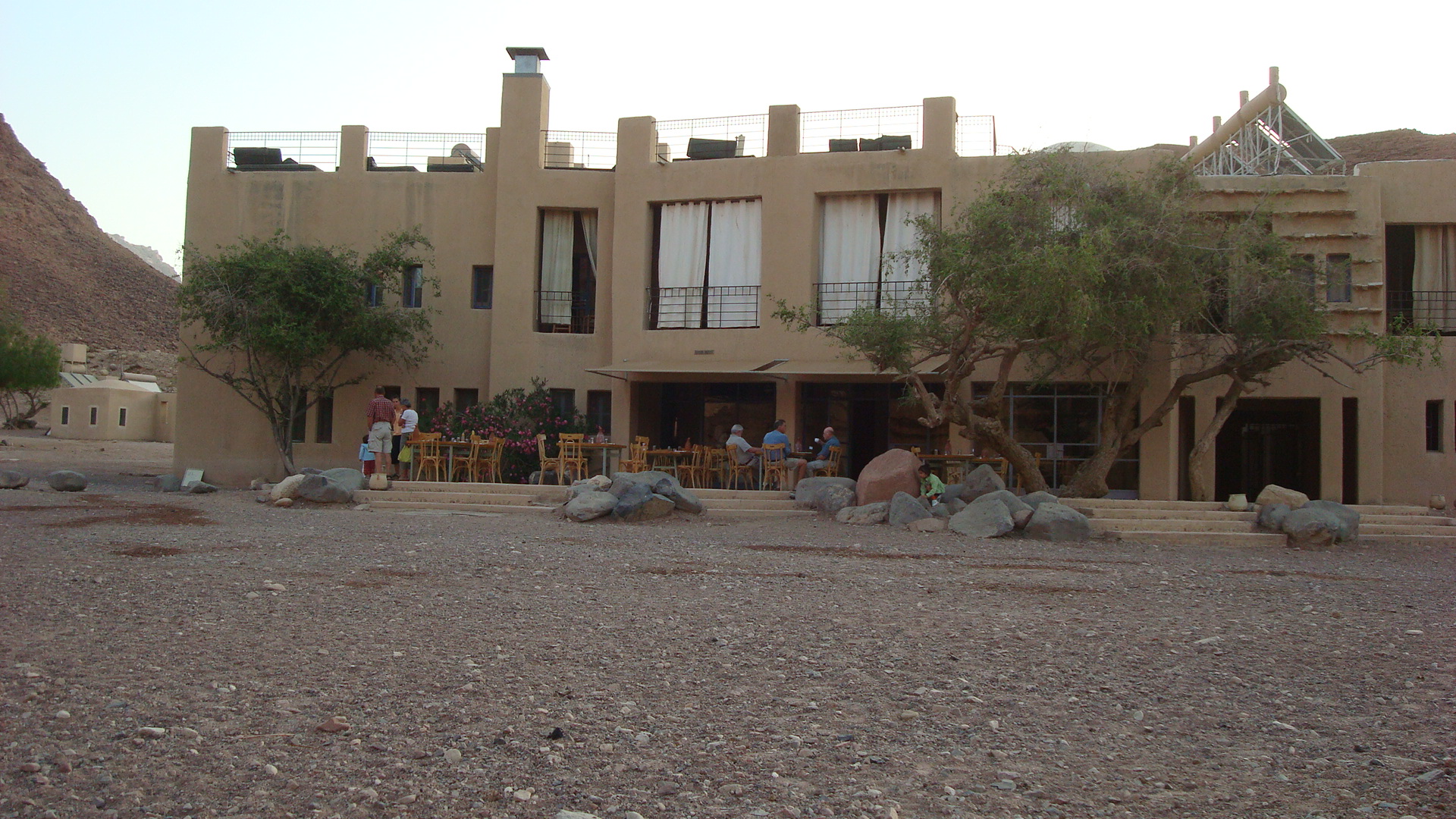
View from Behind the Lodge
Inner Courtyard of Lodge
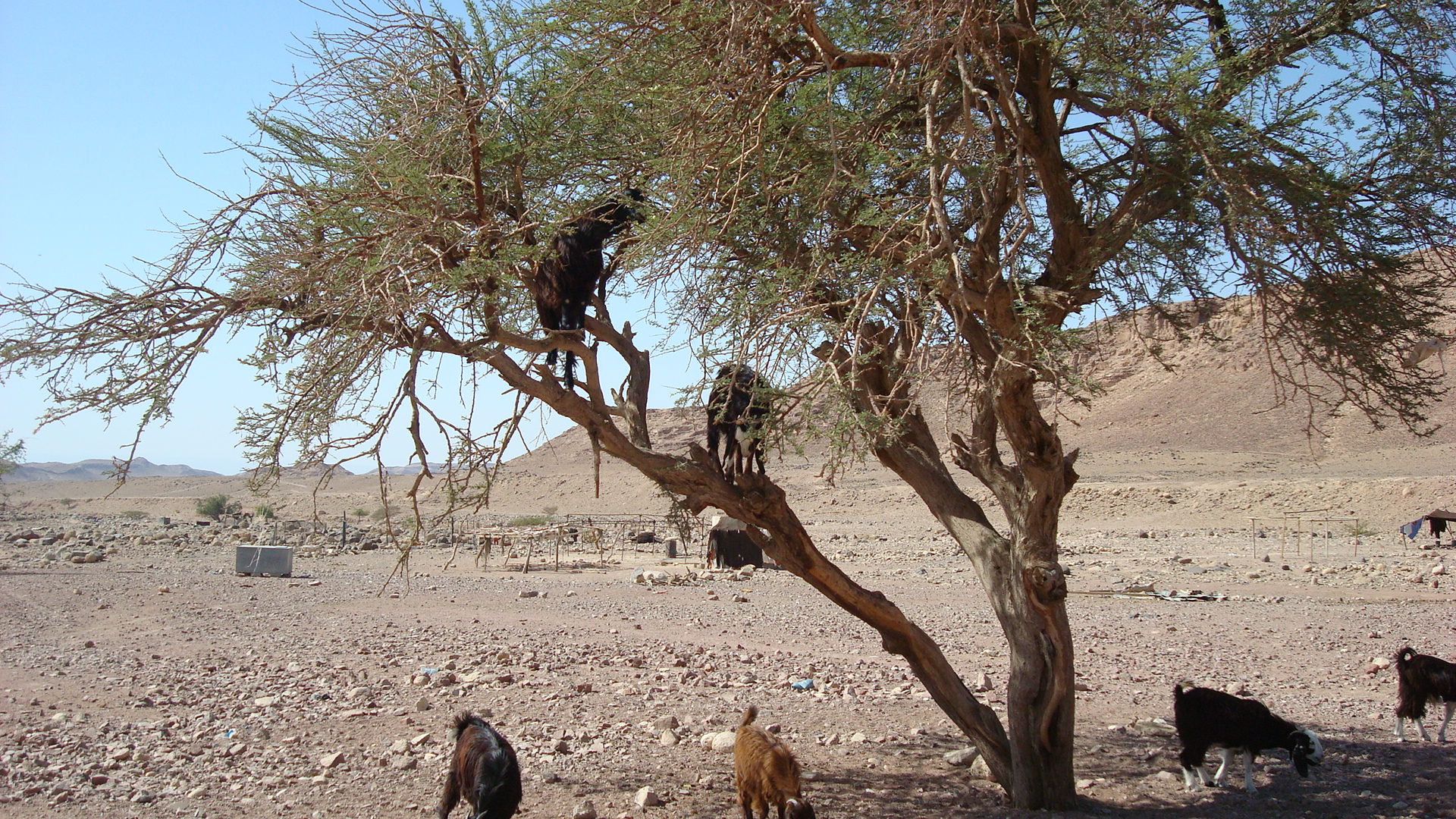
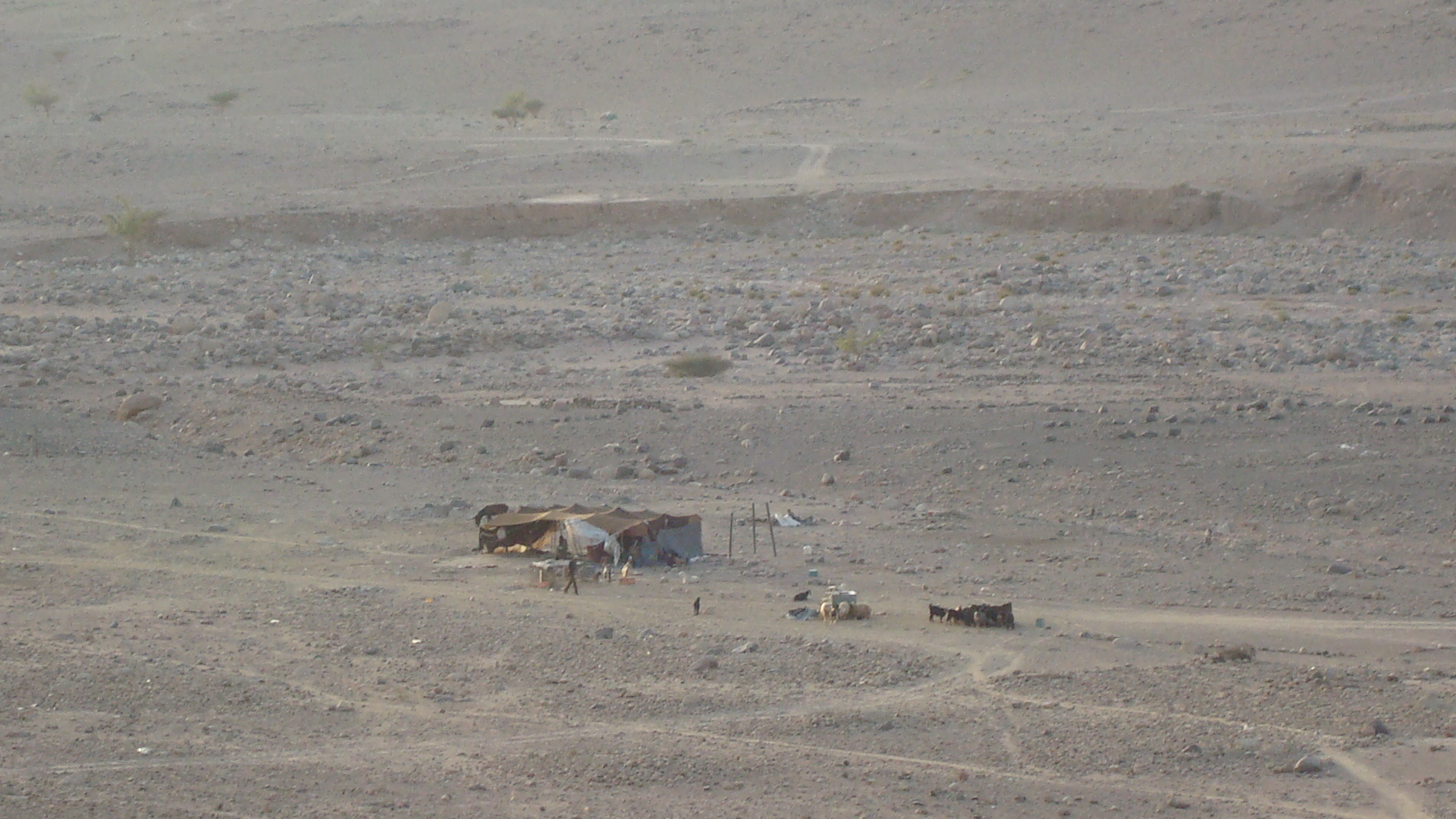
Neighbors
Yes, goats can climb trees.

It took us about three hours to arrive at the ‘reception area’ where we were met and transported by a local Bedouin (the road to the lodge is accessible only by 4×4, which we have but don’t use–it’s only for show). The bumpy ride in the back of a circa 1970s Datsun pick-up truck (outfitted with fringed curtains) took us about thirty minutes. The route was rock strewn and inhospitable looking, yet there were plenty of families (with many children running about) that live here throughout the wadi. We were welcomed into the main lobby by staff with mint tea and towels and then given what Raj took as the sales pitch on the lodge’s history, mission, and our activity options (It wasn’t a sales pitch but he was prepared to say no to whatever it was he thought they were selling).

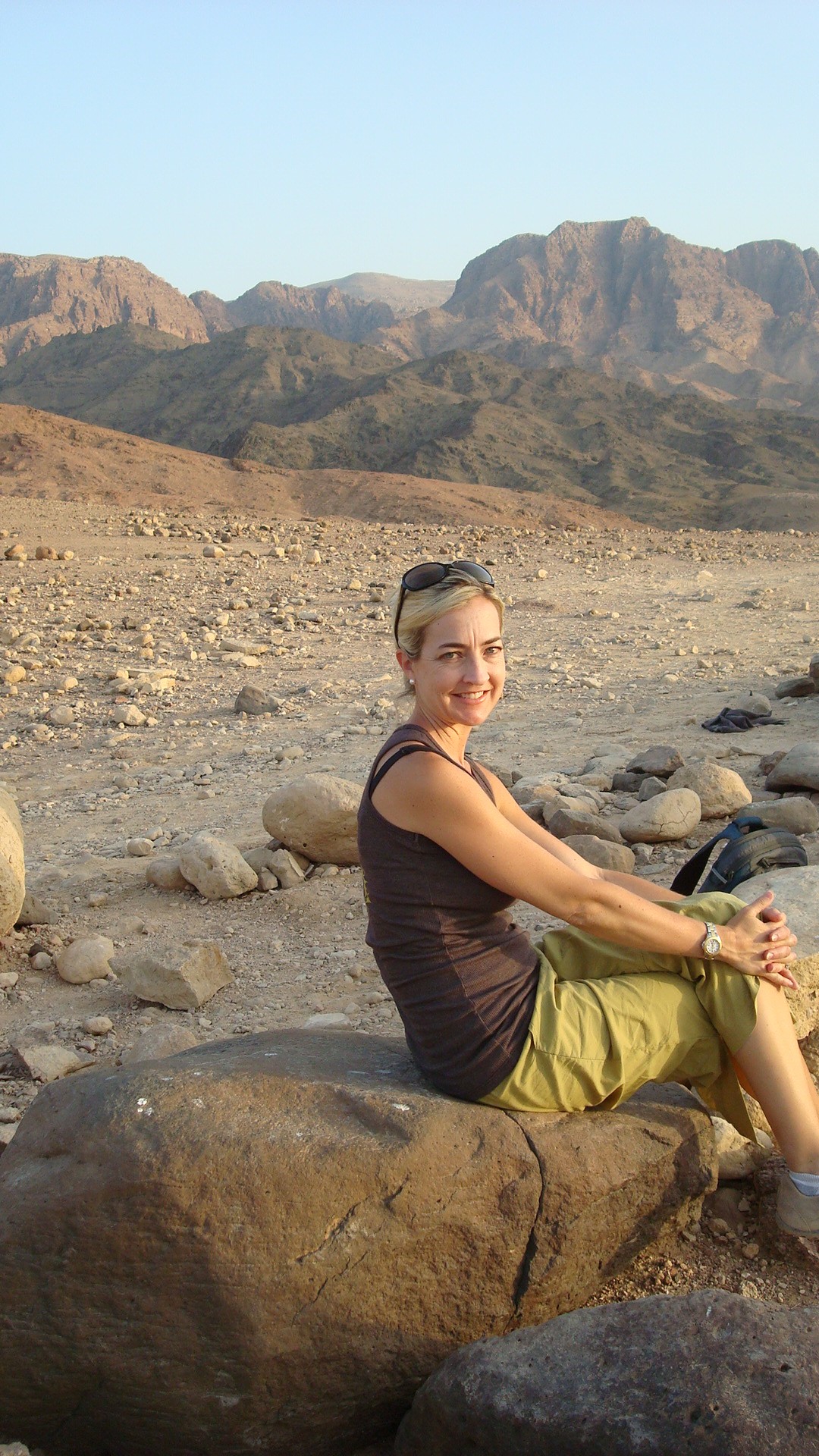
The Landscape

The lodge opened in 2005. There are 26 rooms (all with en-suite bathrooms (real toilets)–there’s no roughing it here) and it’s completely solar-powered (except for a small bathroom light in each room). Meals are vegetarian (to avoid refrigeration of meat) and are ordered in advance (due to the lodge’s remoteness). All of the staff are local Bedouin’s from the surrounding community (our guide lived a few tents down from the lodge, the bread is brought in by local women, there’s a leather and candle making shop on the property operated by local women who also supply all of the candles that illuminate the lodge each night). Best of all, the gift shop has fabulous teas, herbs, jams, jellies, jewelry and other handicrafts for sale–all made by locals (and yes I made a purchase supporting the local economy).

The Leather and Candle Making Workshop

We arrived in the afternoon on our first night and opted not to go on the sunset hike (someone was too tired and needed a nap after the strenuous drive). By the time we left our room for dinner, it was dark outside and we were greeted by the sight of twinkling candles–lanterns and luminaries in alcoves, niches and on the steps throughout the lodge (they say the best time to arrive at the lodge is after sunset when it’s lit exclusively by candles). Dinner was buffet-style, but not in the trough sort of way that I normally despise (there were so few guests so it was more like a small dinner party except we all got to eat at our own table and weren’t forced to make small talk). As I mentioned before, all of the meals are vegetarian, inspired by traditional Arab cuisine using local and natural ingredients.

Waiting for the Sun to Set
Sunset Hike

We finished dinner and didn’t really know what to do since it was still early (8:30 or so). What do people do without TV? Forced conversation? Gasp. Did I mention there’s no cell phone coverage. What do Bedouins do at night without computers, phones…? [My only word of warning–do not come here with anyone you mildly dislike because you will be forced to interact with them.] We got over our confusion long enough to guzzle down three more cups of tea while gazing at the night sky on the open rooftop terrace.

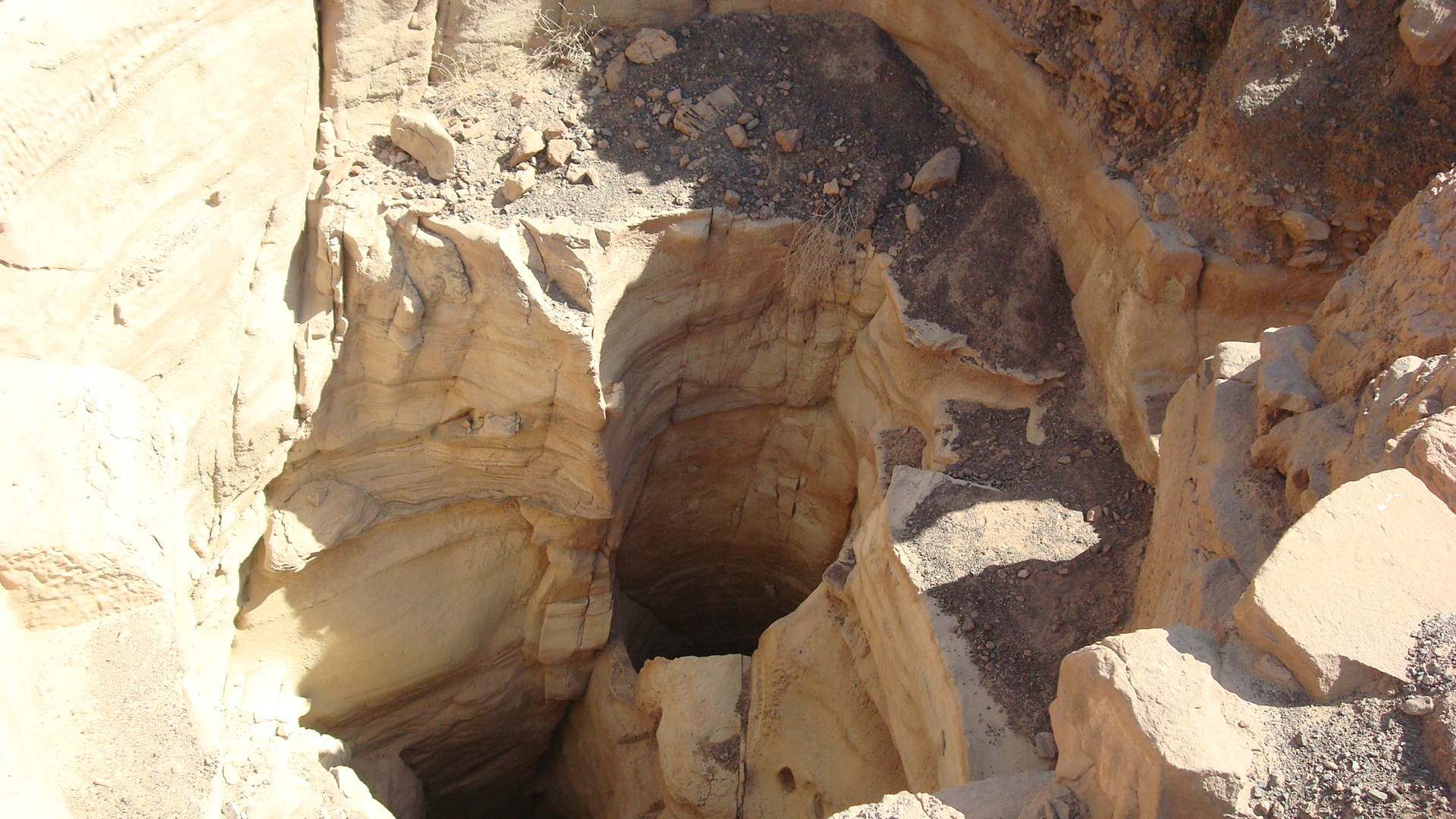
We awoke early to do a guided half-day hike to the Roman Copper mines. We were led by a local guide who took us to three copper mines (from the Copper and Iron Ages), the remains of a Roman Aqueduct, a crumbled Byzantine Church, and a Roman tower. In the midst of our hike (and in the company of an entertaining English couple and their grown son), our guide sat us down to make a pot of mint and sage tea. (The guide told us he drinks 30-40 glasses of this tea each day; Raj refers to this as ‘Bedouin whisky.’) This tea break gave all of us the opportunity to ask our guide pressing questions about his lifestyle. My questions focused on marriage and cooking. When do Bedouins get married? Do they get to choose their spouses? What do they eat and so forth. It was interesting conversation. Following this hike, and after resting for a couple of hours, we went on the sunset hike with the same guide and we watched the sun set while drinking still more tea (which was followed by even more tea after dinner).

Iron Age Mine Shaft
Copper Age Mine Shaft
Copper on the Ground

We had a great experience at the lodge and met some really interesting people. Feynan is extremely well run and the staff are exceptional. This place is more of a retreat than anything else. The only thing the lodge is missing is an evening storyteller. This would have been a great venue to hear one of Herodotus’ stories.

This slideshow requires JavaScript.

Fall Baking (Part I): Scottish Oatmeal Bread


In an attempt to properly align myself with the seasons (even though it still feels like summer here) I sought out a hearty bread to bake from my still favorite bread cookbook, Kneadlessly Simple. It’s incredibly easy to make and tastes good enough to be considered dessert. It’s great with a dab of butter, jam or served as French toast.

  • 2 1/2 cups unbleached flour, plus 3/4 cup, plus more as needed
  • scant 1 3/4 teaspoons kosher salt
  • 3/4 teaspoon instant, fast-rising yeast
  • 3/4 teaspoon ground allspice
  • 1/8 teaspoon ground nutmeg
  • 1 1/4 cups plus 2 tablespoons ice water, plus more if needed
  • 1/2 teaspoon finely grated orange zest
  • 2 tablespoons unsalted butter, at room temperature, plus more for greasing pan and oaf top
  • 3/4 cup old-fashioned rolled oats, plus 4 tablespoons for garnish
  • 2/3 cup boiling water
  • 6 tablespoons packed light or dark brown sugar
  • 2/3 cup dried currants, rinsed under hot water, then thoroughly drained and patted dry (optional, I didn’t use any)
First Rise: In a large bowl, thoroughly stir together 2 1/2 cups of the flour, the salt, yeast, allspice, and nutmeg. Vigorously stir the ice water and orange zest into the flour mixture, scraping down the sides just until the ingredients are thoroughly blended. If too dry to mix, a bit at a time, stir in just enough more ice water to blend the ingredients, but don’t over-moisten, as the dough should be fairly stiff. Stir in more flour to stiffen it if necessary. Brush the top with softened butter. Cover the bowl with plastic wrap. If desired, for best flavor or for convenience, you can refrigerate the dough for 3 to 10 hours. Then let rise at cool room temperature for 12 to 18 hours.
Second Rise: In a medium bowl, gradually stir the oats into the boiling water until well blended. Let stand for 5 minutes to partially cook. Stir in the butter and sugar until the sugar dissolves and let cool thoroughly. Vigorously stir the cooled oatmeal mixture into the dough until thoroughly incorporated. Add in 3/4 cup of the flour and the currants until evenly distributed throughout, then as needed, enough more flour to yield a very stiff dough, scraping down the bowl thoroughly. Using an oiled rubber spatula and working all the way around the bowl, fold the dough in towards the center.
Generously butter a 9×5-inch loaf pan. Add 2 tablespoons of oats to the pan: tip it back and forth to evenly distribute them. Invert the dough into the pan. Smooth out the top and press the dough evenly into the pan. Brush the loaf with melted butter. Sprinkle the remaining 2 tablespoons oats over the top pressing down to embed them. Using an oiled serrated knife of kitchen shears, cut a 6-inch long, 1/2-inch-deep slash down the loaf center. Cover the pan with nonstick spray-coated plastic wrap.
Let rise using either of these methods: For a 1 3/4- to 2 1/2-hour regular rise, let stand at warm room temperature; for a 1- to 2-hour accelerated rise, let stand in a turned-off microwave along with 1 cup boiling-hot water. Continue the rise until the dough nears the plastic. Remove it and continue until the dough extends just to the pan rim (it will rise a lot in the oven).
Baking Preliminaries: 20 minutes before baking time, put a rack in the lower third of the oven; preheat to 375 degrees F.
Baking: Bake on the lower rack for 65 to 75 minutes, until the top is nicely browned and a skewer inserted in the thickest part comes out with moist crumbs on the tip (or until the center registers 204 to 206 degrees on an instant-read thermometer). (As necessary to prevent over-browning, cover the top with foil.) Then bake for 5 to 10 minutes longer to ensure the center is baked through. Cool in the pan on a wire rack for 10 to 15 minutes. Remove the loaf to the rack; cool throughly.

Wine Tasting in Jordan? OMG!


Who knew that Jordan produced wine? Not me. What’s even more exciting is that this particular winery is completely organic (and certified organic)! No big deal for people who have access to Whole Foods, but for me here, this is huge!

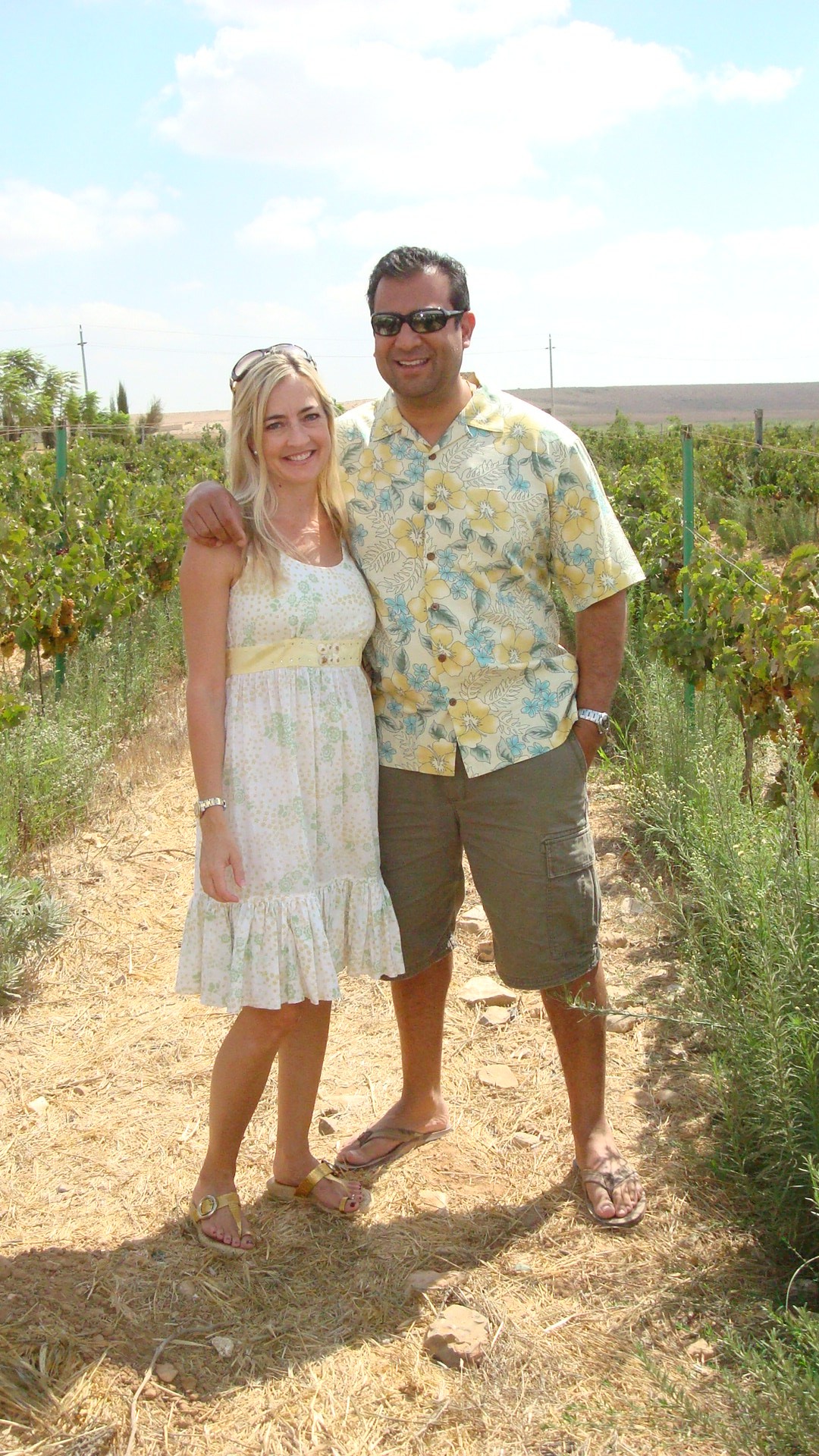
We went wine tasting today at St. George’s Winery, near the Syrian border (literally steps away), about an hour outside of Amman. I wasn’t sure what to expect but was surprised by a gem in the midst of nowhere.

Vineyards off in the distance

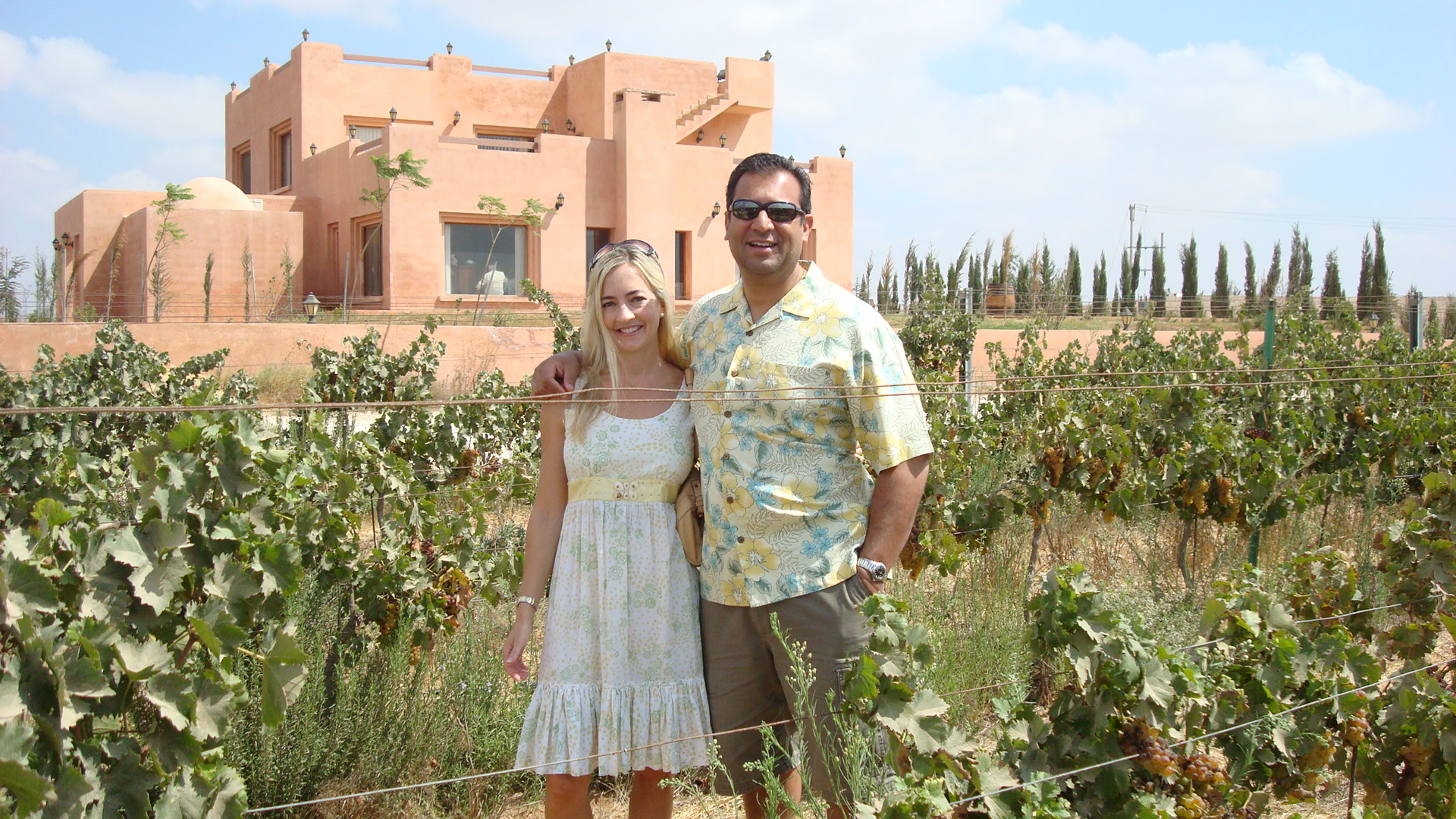
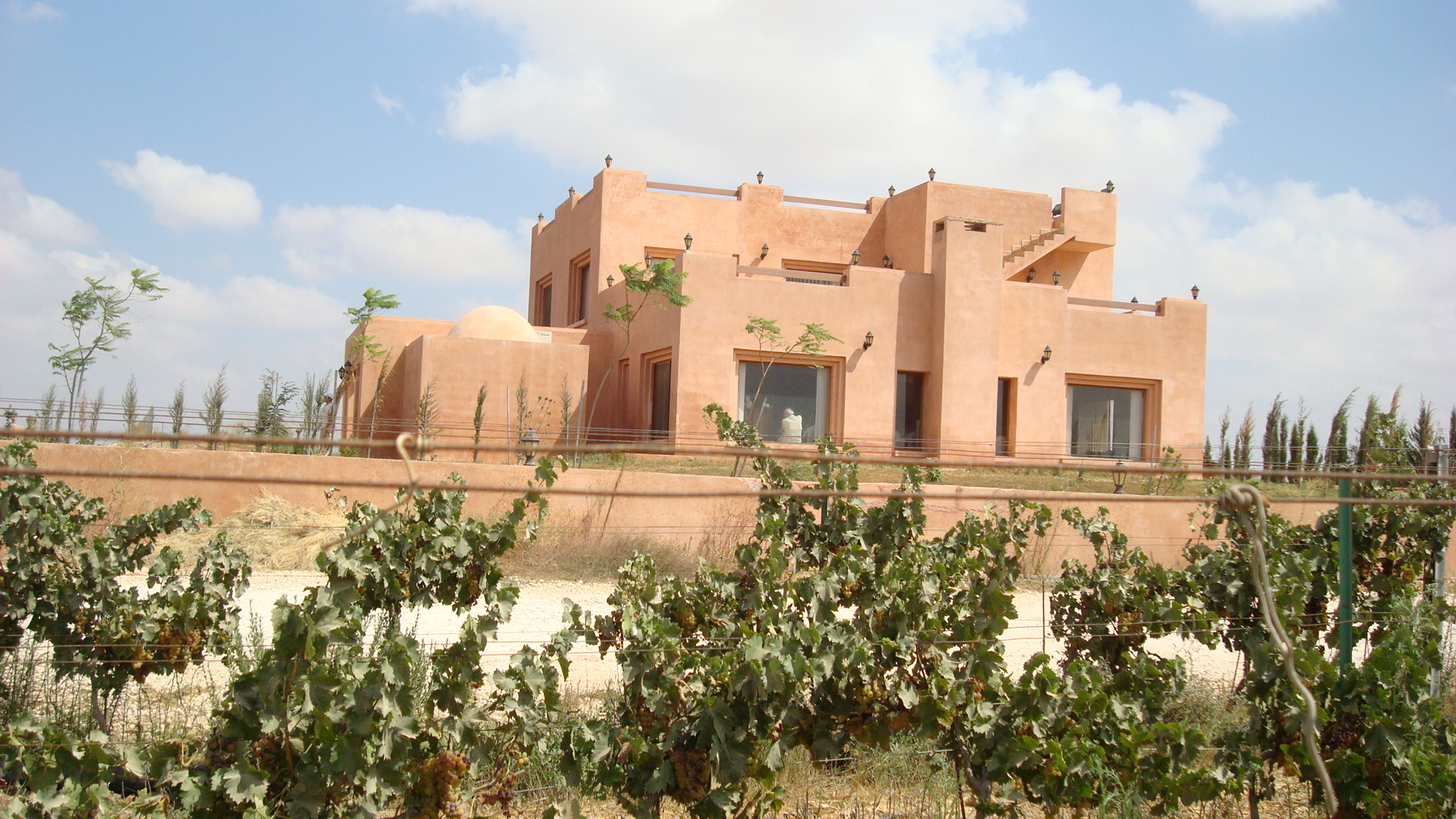
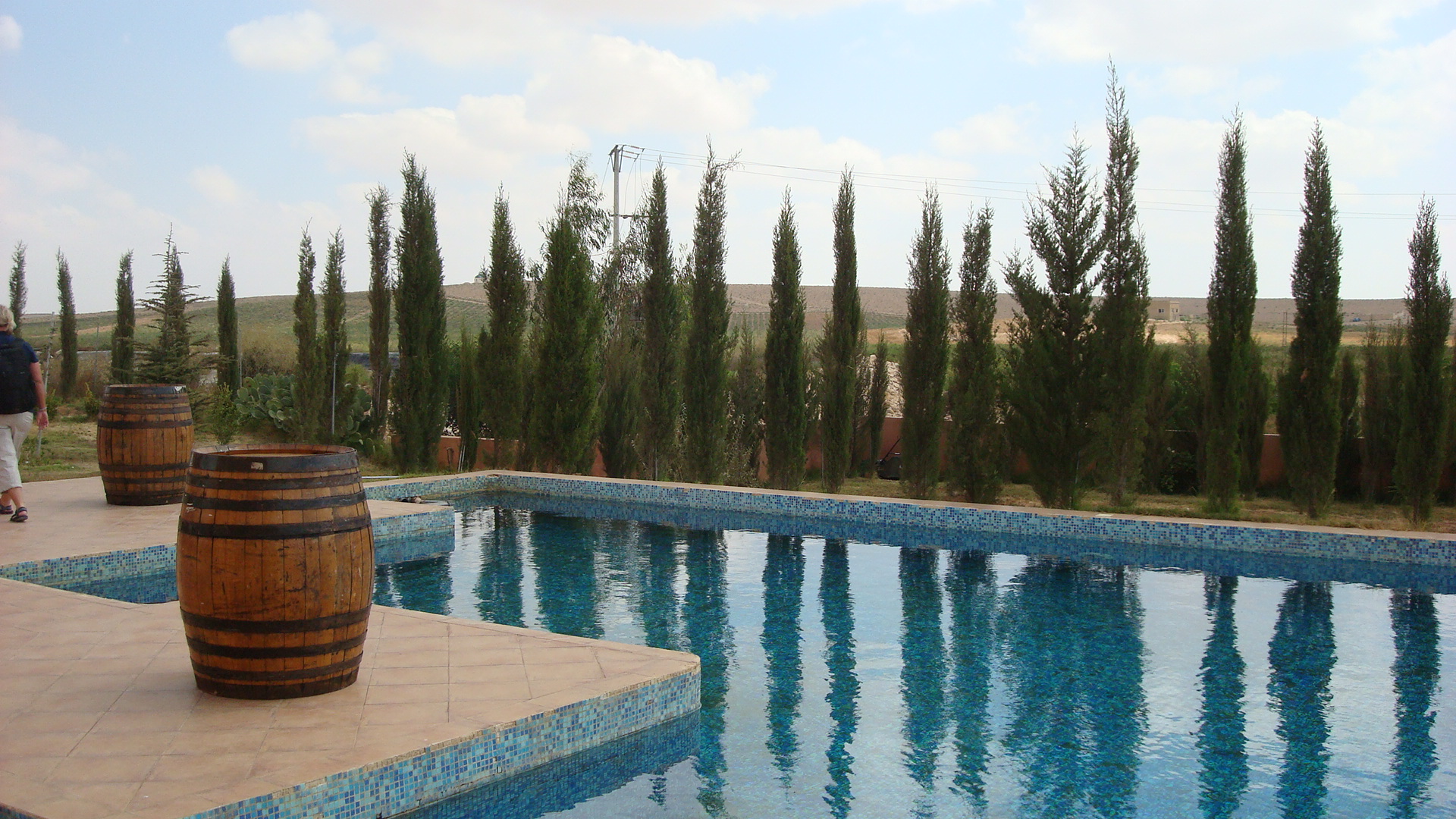
 We pulled up in front of the estate on the property, a fairly large home (tasting room?) and were welcomed in by friendly staff. The interior of the home was set up for the wine tasting followed by lunch. In the backyard was a beautiful and inviting swimming pool, which we were invited to use after lunch.
The estate on the property
The swimming pool

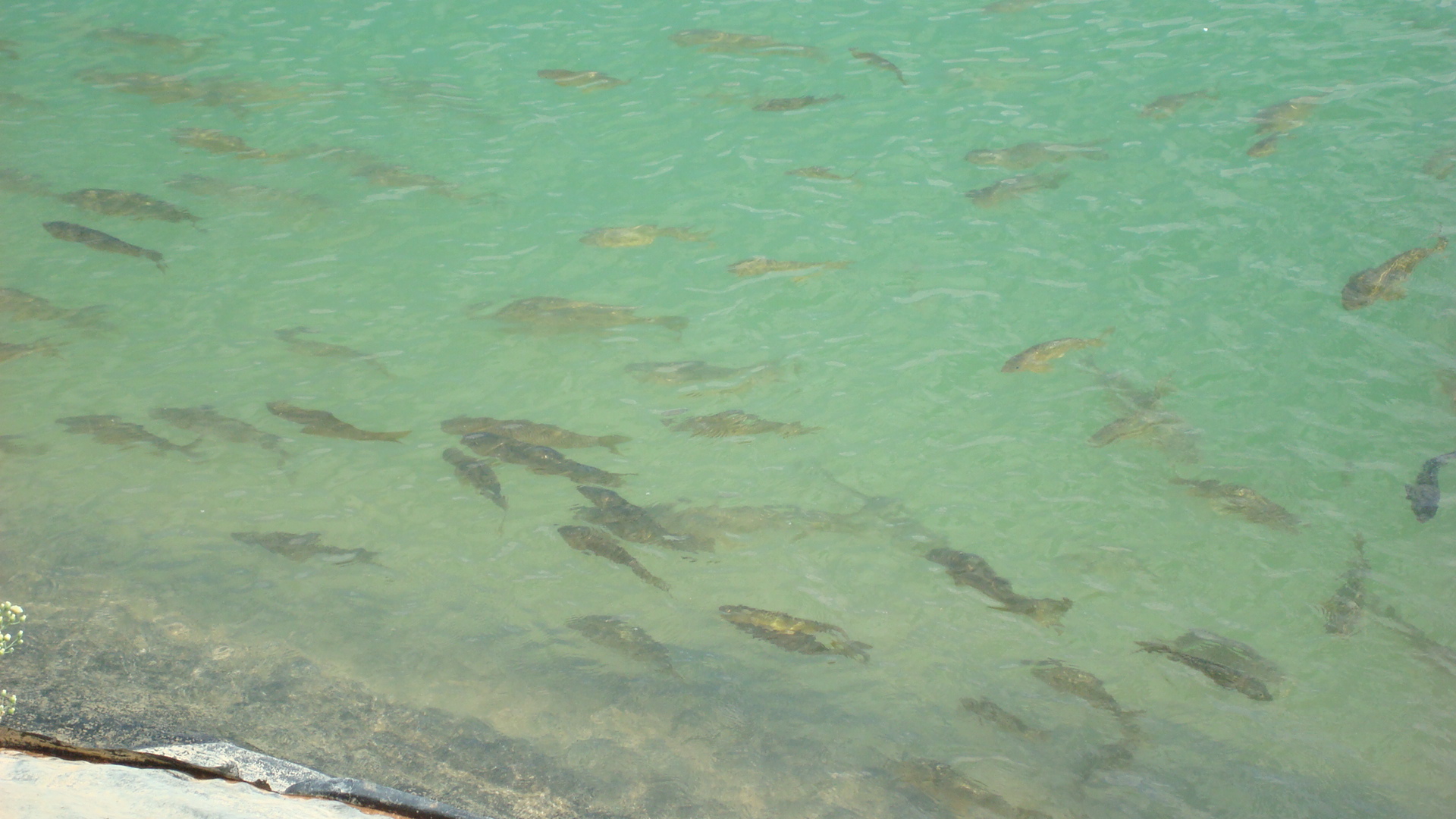
The tour of the grounds began next to the pool in front of a large pond (or  water containment area) used for irrigating the vines. The tour guide explained  that the pond (fed from wells below ground) contains over 55,000 fish (some koi, some carp). The fish produce nitrate in the water, which they use to irrigate the fields. The fish, along with many other biodiversity techniques are used throughout the operation: to keep the birds out of the grapes, they brought in falcons and owls; chickens are used to aerate  the ground and to dig up worms; doves are also used to eat worms that attack the grapes; (they brought something else in to keep the foxes from eating the chickens, but I can’t remember what he said).

Fish in the pond producing nitrate for irrigating the fields
A feeding frenzy

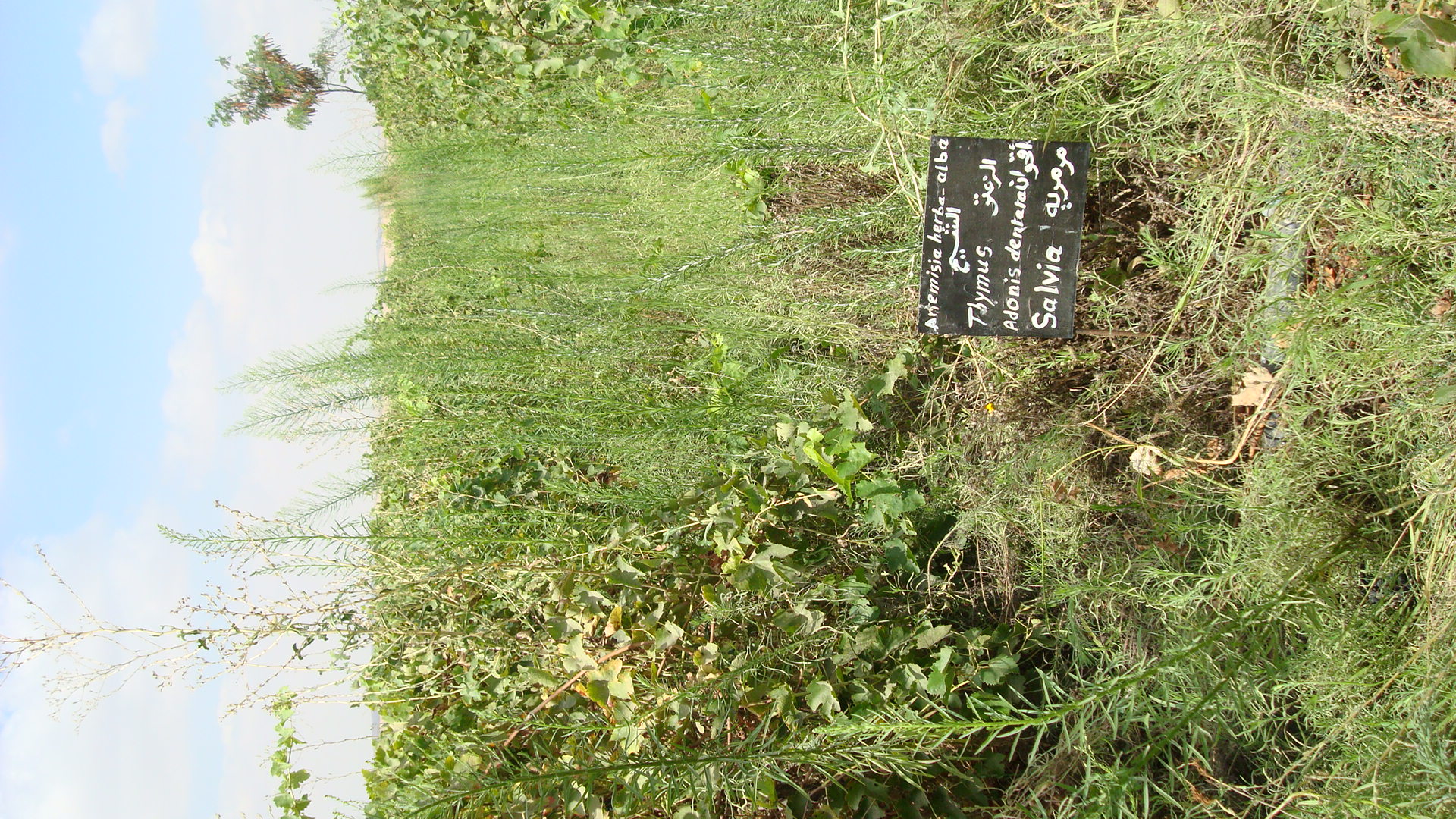
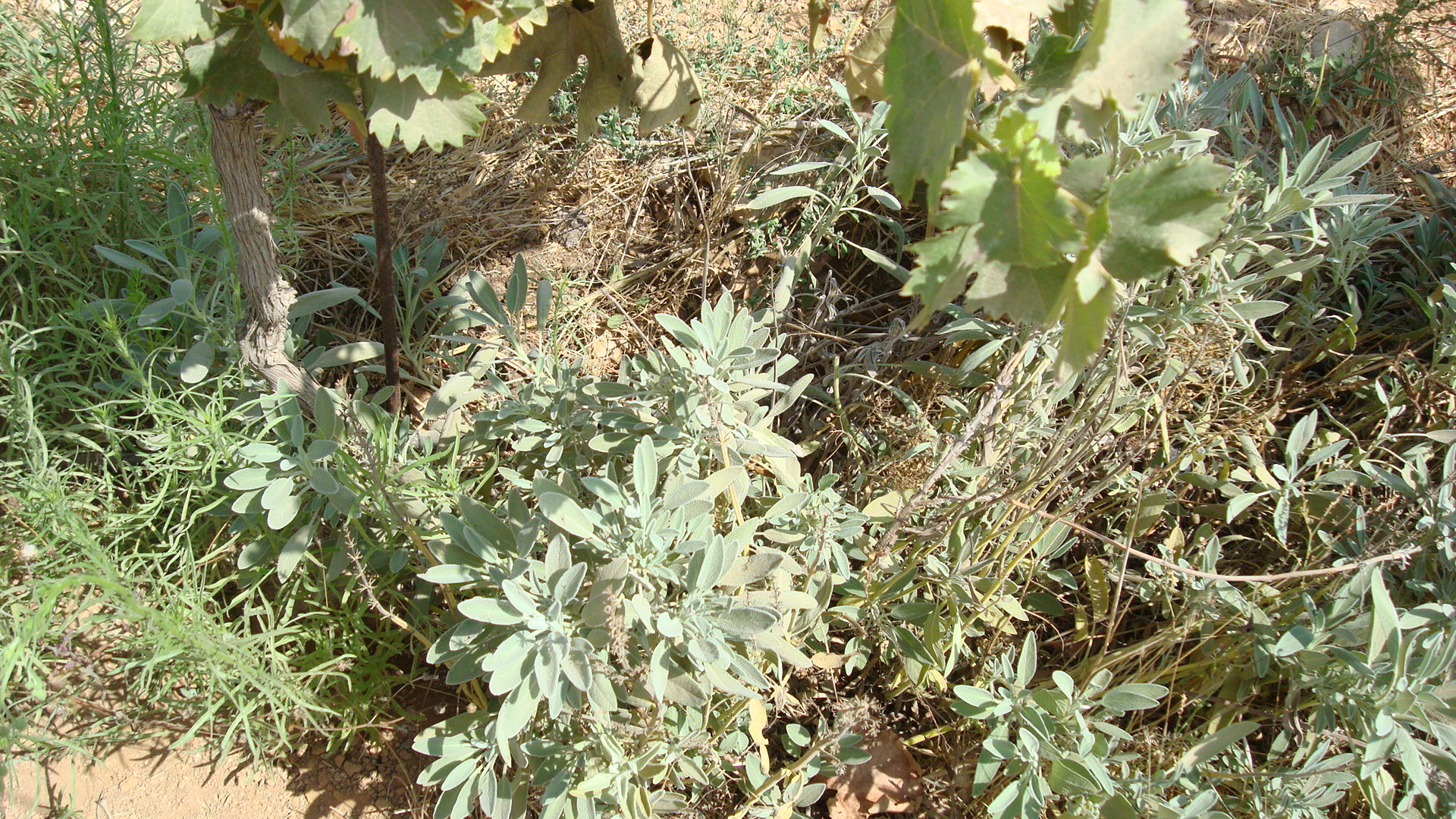
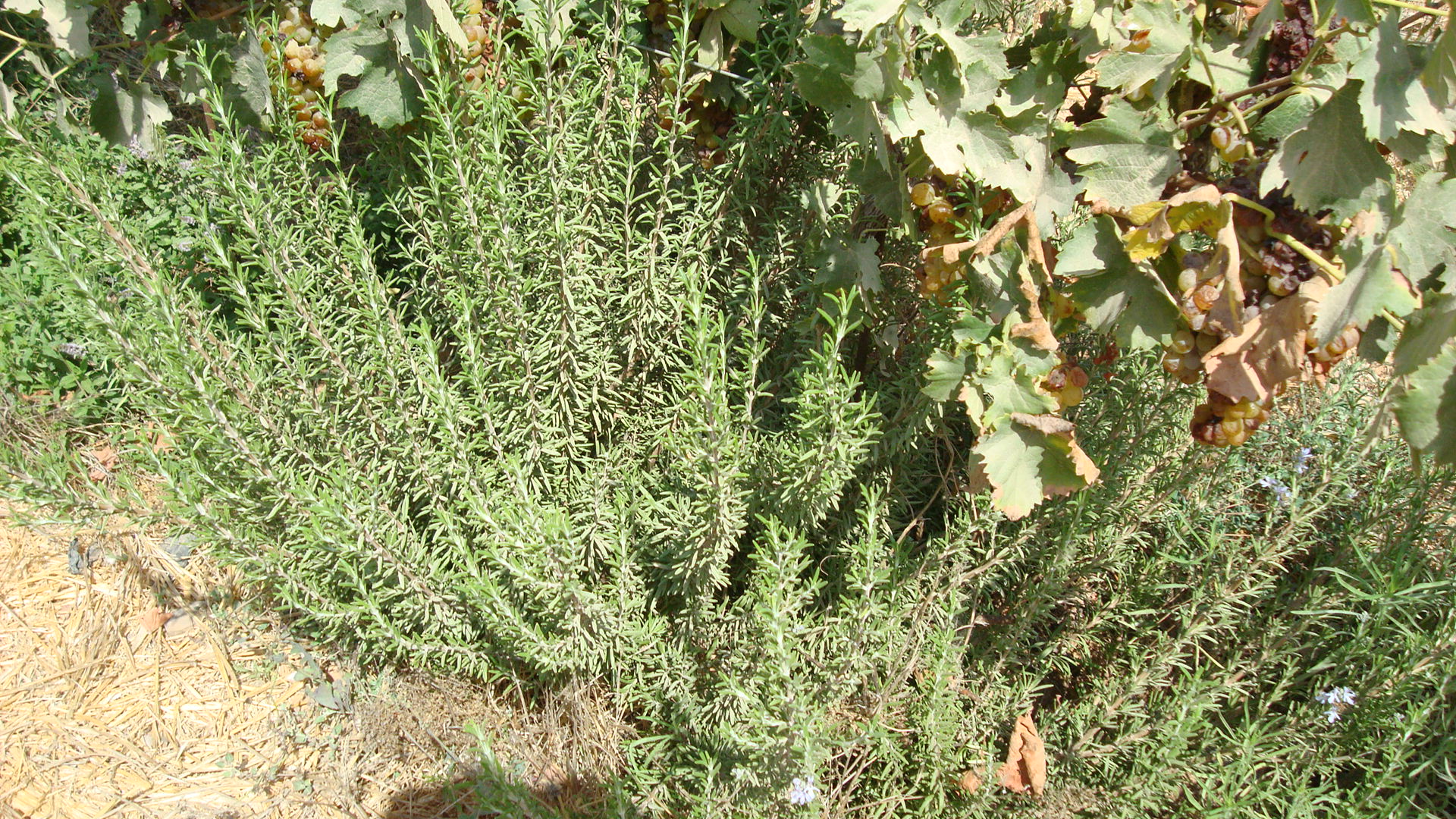
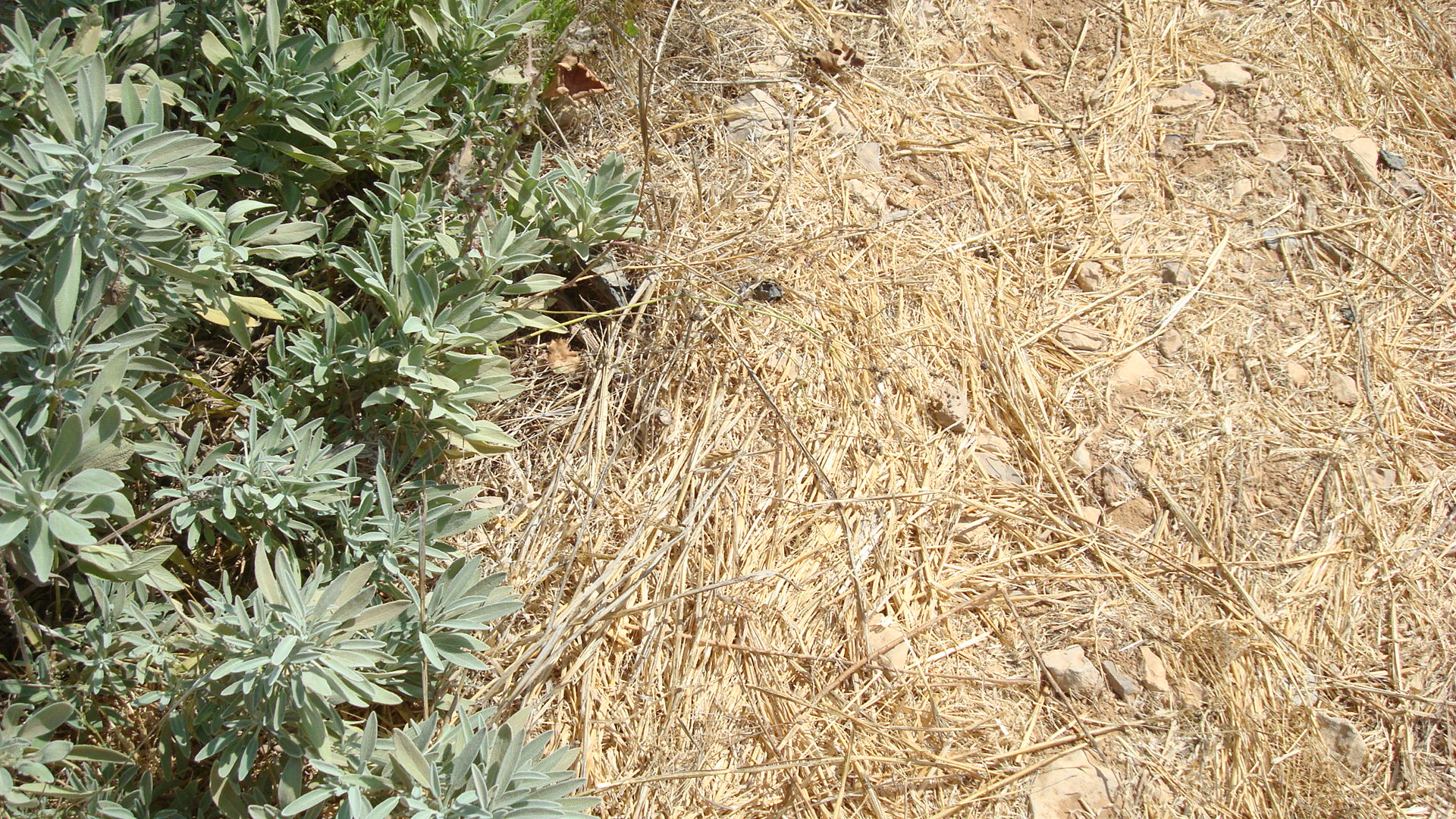
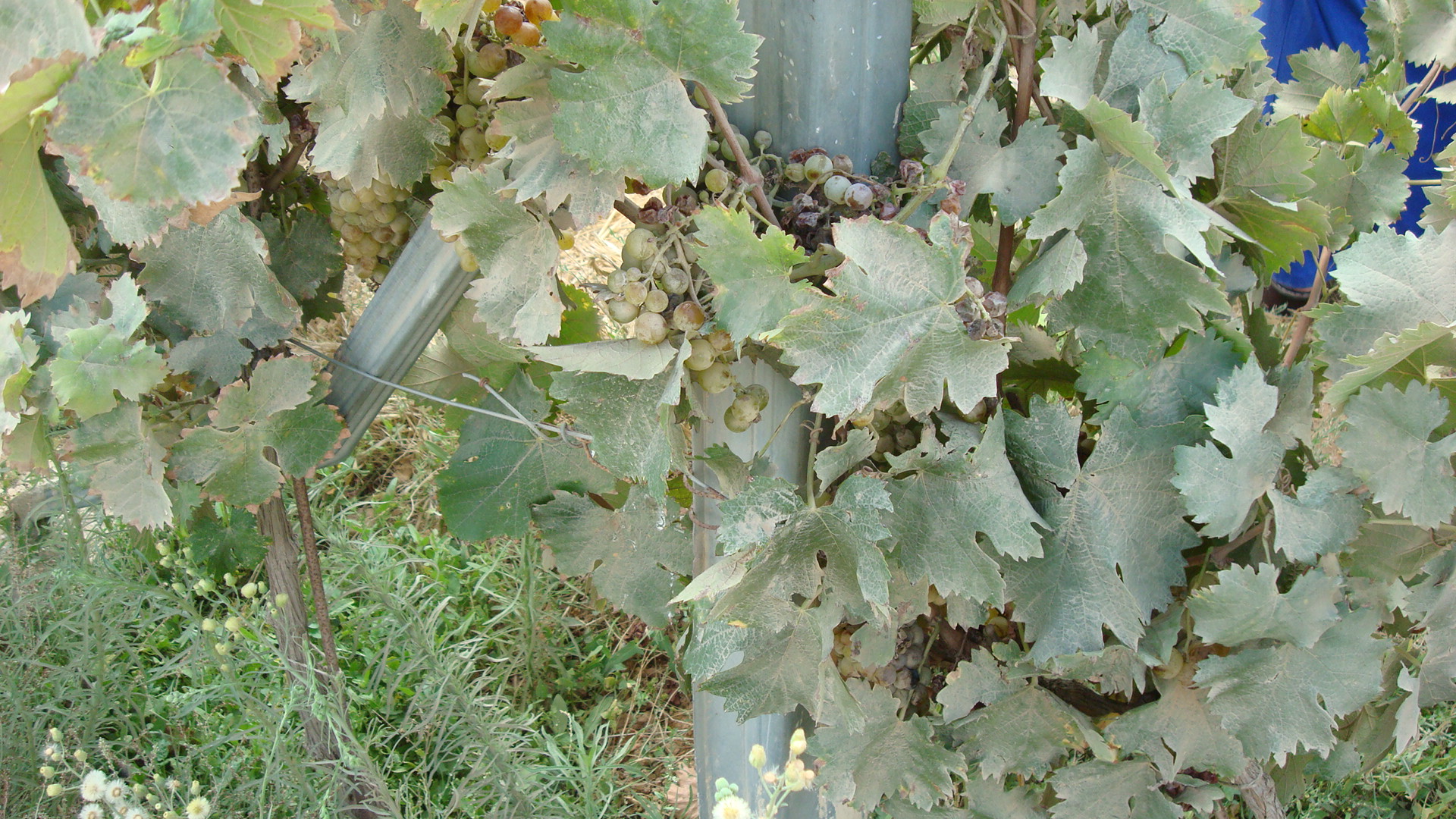
After our brief introduction to the winery, we walked us through rows and rows of vines, sampling Muscat, Pinot noir, Shiraz, Chardonnay, and lots of other grapes right off the vine. Planted alongside the vines are rosemary, sage, and mint– all natural insect repellents and on the ground of each row is barley to extract salt from the soil.

Sage

Rosemary

Barley

After the tour, we returned back to the main house and were treated to nine wines: 4 whites, one rose, and 4 reds and a fantastic lunch (As a side note,  I was shocked to see the rose had 16% alcohol! ) Unfortunately, there was no gift shop–something they need to get working on.

Here’s a link to a CNN piece on St. George’s Winery.

Super Easy & Delicious Homemade French Walnut Bread


It’s been awhile, I know. I’ve missed blogging and feel as though I’m just coming up for air after a long stretch of weekend teaching (just the last two weekends). As a result of ‘working,’ something that I haven’t done for a while, I’ve been neglecting my domestic duties (as Raj points out every time he opens the refrigerator door). What better way to jump back into the swing of things than with home-made bread. Want to be a hero or a goddess in your home? Bake this bread NOW. There’s nothing quite like the smell of freshly baked bread wafting through out of  kitchen and into the rest of the house (apartment in our case).
Now you may be thinking that bread is for bakers (which I aspire to be) and a baker you are not? Never fear! This fabulous book that I’ve just recently cracked open (one of the few to travel with me) makes baking fuss-free and requires no-kneading. Is that even possible? Yes. The secret to this book is through letting the dough slow rise, which allows it to knead itself (it’s magic!). Additionally, most of the recipes are made in one bowl with one spoon–a dream come true for those unfortunate few like myself who lack domestic help (alright, I do have help, but only one day a week) or a dishwasher (I’m still dealing with this one).
For this particular loaf, I used a large Le Creuset pot. I was worried about placing the lid in the over (it has a plastic knob) because the manufacturer claims it can only be heated to 350 degrees and this recipe requires 400 degrees. I’m happy to report that the knob was fine, so you needn’t worry about ruining your $250 pot.
French Walnut Bread from Nancy Baggett’s, Kneadlessly Simple: 
  • 2 cups whole wheat flour, plus extra if desired
  • 2 cups unbleached all-purpose white flour
  • 1 tsp. granulated sugar
  • 2 tsp. table salt
  • 3/4 tsp. instant, fast-rising, or bread machine yeast
  • 2 cups ice water, plus more if needed
  • Walnut oil or flavorless vegetable oil for coating dough top and baking pot
  • 1 1/2 cups fresh, fine-quality walnut halves
First Rise: In a large bowl, thoroughly stir together the whole wheat and white flour, sugar, salt, and yeast. Vigorously stir in the water, scraping down the bowl and mixing until the dough is well blended and smooth. If the mixture is too dry to incorporate all the flour, a bit at a time, stir in just enough more water to blend the ingredients; don’t over-moisten, as the dough should be very stiff. Brush or spray the top with oil. Tightly cover the bowl with plastic wrap. If desired, for best flavor or for convenience, you can refrigerate the dough for 3 to 10 hours. Then let rise at cool room temperature for 12 to 18 hours.

Meanwhile, reserve 4 perfect walnut halves for garnish. Spread the remainder on a baking sheet and lightly toast, stirring several times, in a pre-heated 325 degree oven for 10 to 15 minutes, or until fragrant and just lightly browned. Let cool. Chop finely (in a food processor, if desired).
Second Rise: Vigorously stir the cooled walnuts into the dough. If it is not stiff, stir in enough more whole wheat flour to make it hard to stir. Using an oiled rubber spatula, lift and fold the dough in towards the center, working all the way around the bowl. Invert it into a well-oiled, then flour-dusted, 3-quart (or larger) heavy metal pot (or use a flat-bottomed round casserole with a lid). Brush or spray the top with oil, then smooth out the surface with an oiled rubber spatula or fingertips. Cut 1/2-inch deep slashes to form an X in the center top; well-oiled kitchen sheers work best. Put the 4 untoasted walnut halves in the angles of the X for garnish; press down very firmly to embed them. Cover the pot with its lid.
Let Rise Using Any of These Methods: For a 1 1/2 – to 2 1/2-hour regular rise, let stand at warm room temperature; for a 1 – to 2-hour accelerated rise, let stand in a turned-off microwave along with 1 cup of boiling-hot water; or for an extended rise, refrigerate for 4 to 24 hours, then set out at room temperature. Continue until the dough doubles from its deflated size.
Baking Preliminaries: 15 minutes before baking time, place a rack in the lower third of the oven; preheat to 400 degrees. Lightly dust the dough top with whole wheat flour.
Baking: Bake on the lower rack, covered, for 45 minutes. Remove the lid and continue baking for 20 to 30 minutes, or until the top is well browned and a skewer inserted in the thickest part comes out with just a few particles clinging to the bottom (or until the center registers 207 to 210 degrees F on an instant-read thermometer). Then bake for 5 minutes more to ensure the center is done. Cool in the pan on a wire rack for 10 minutes. Remove the loaf to the rack, running a knife around the edges to loosen it, if necessary.
Serving and Storing: The loaf tastes and slices best at room temperature. Cool completely before storing airtight in plastic or foil. The bread will keep at room temperature for up to 3 days, and may be frozen, airtight, for up to 2 months.